-1791966549842.webp)






Tespro provides industrial metering and connectivity solutions for utility teams, AMR project teams, smart meter integrators, energy management companies, and industrial IoT buyers. When selecting a 4G DTU for remote meter data collection, buyers should not evaluate the device by “4G support” alone. The right data transmission unit depends on meter interface, protocol, cellular coverage, SIM/APN requirements, static IP or VPN needs, antenna location, power supply, enclosure, and the AMR platform connection method.
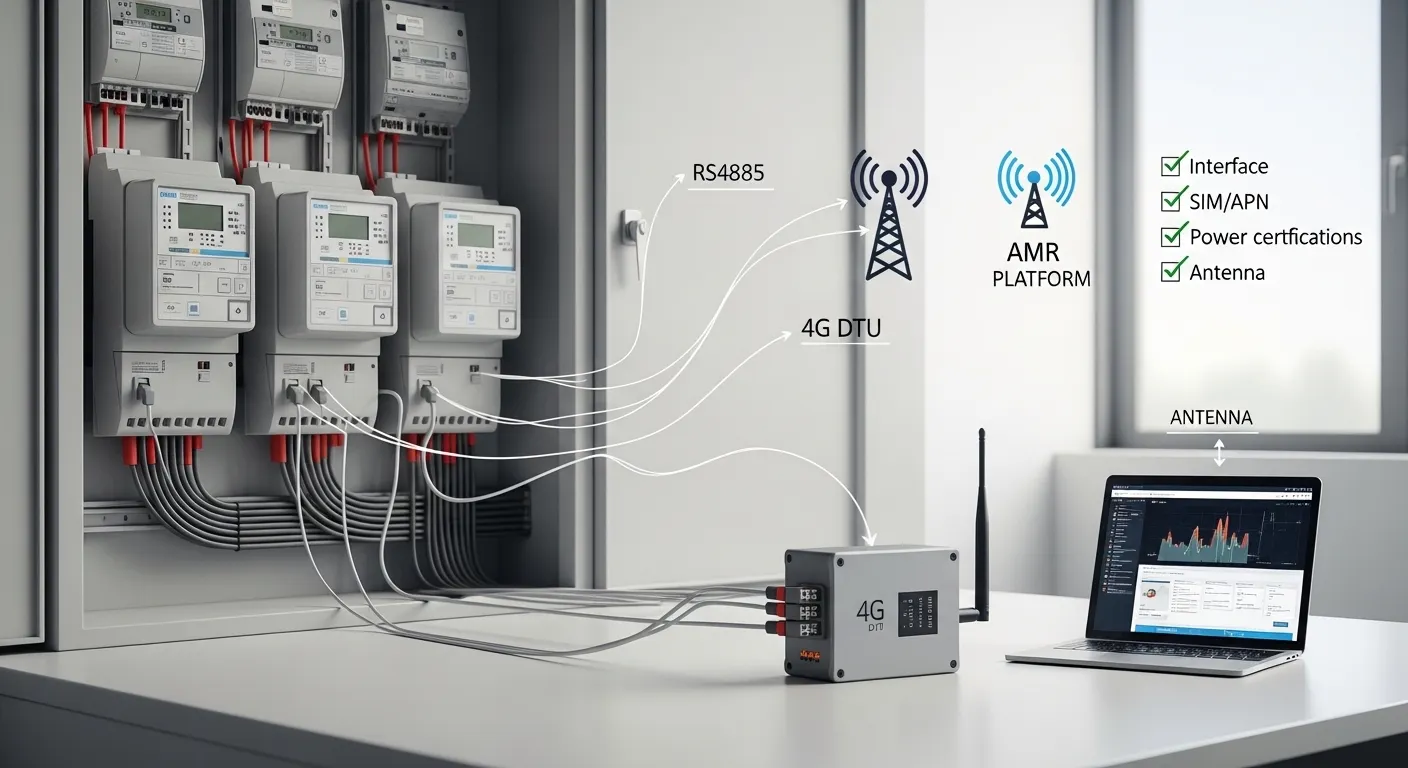
For AMR projects, the 4G industrial DTU sits between field meters and the remote data system. It collects or forwards meter communication data through a cellular network so the project team can reduce manual visits and support centralized meter reading.
This checklist helps procurement and engineering teams prepare clear requirements before requesting a Tespro quotation, datasheet, sample, demo, or technical consultation.
When AMR Teams Need a 4G DTU
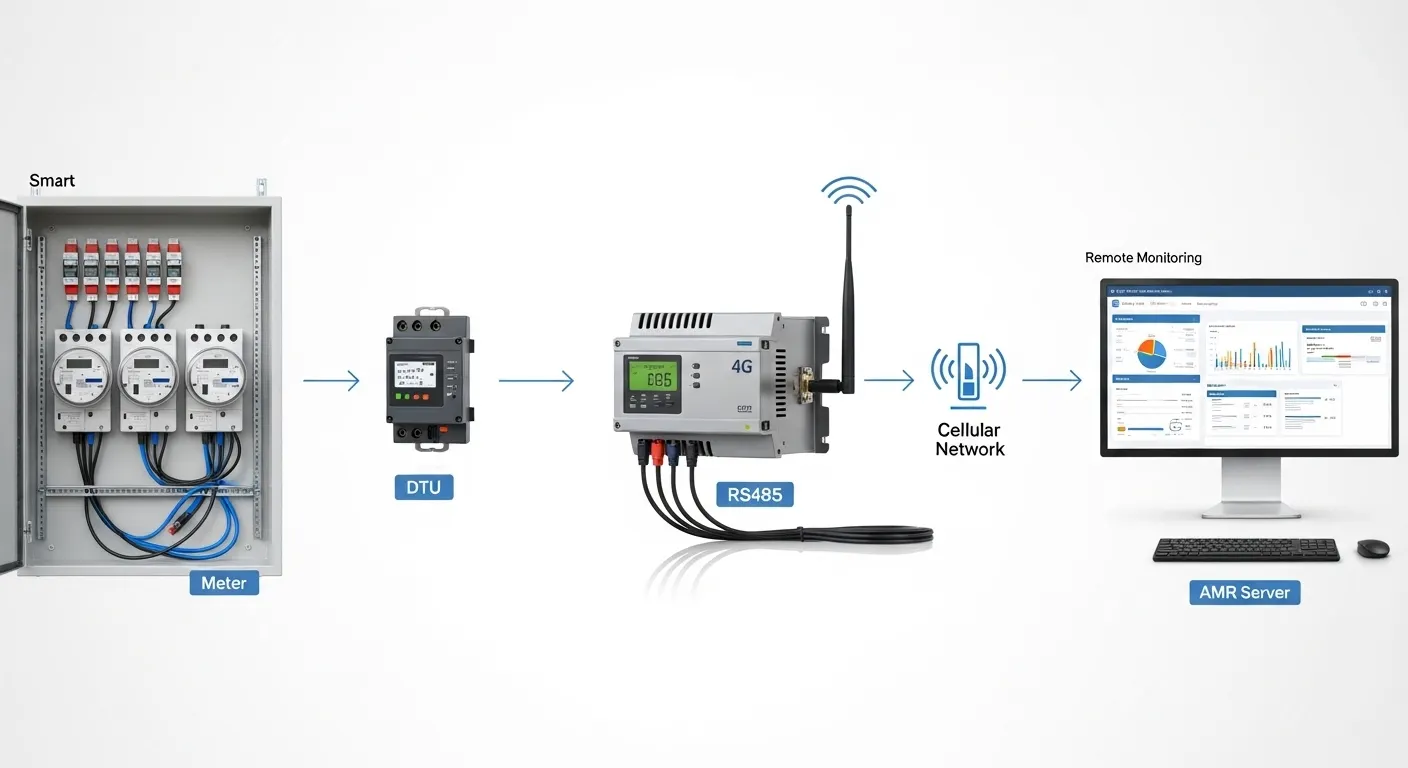
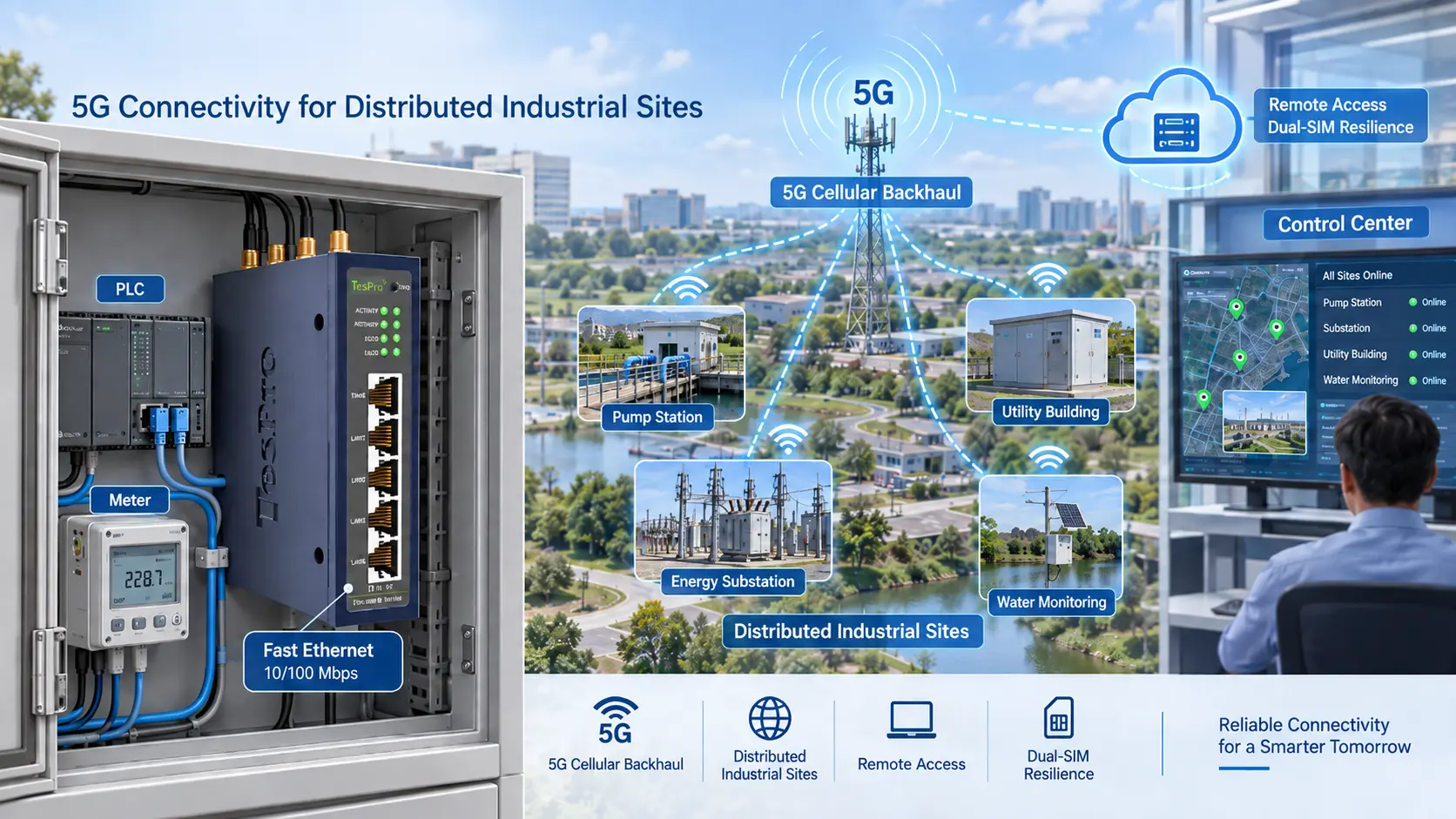
A 4G DTU is useful when meters are installed at distributed sites where wired Ethernet is not practical. This may include utility cabinets, factory meter rooms, substations, commercial buildings, remote energy monitoring points, or outdoor field sites.
In a typical AMR project, the data flow looks like this:
Meter or meter group → RS485/RS232 or other meter interface → 4G DTU → cellular network → AMR platform, server, SCADA system, or cloud endpoint
The DTU may work as a transparent data transmission device, or the project may require protocol handling, server connection settings, remote configuration, and integration with a software platform. That is why the buying process should start with the site and system requirements, not only with the product model.
If your team is still comparing general data transmission unit options, Tespro’s related guide on data transmission unit selection for industrial projects can help build the wider device-selection context.
Confirm the Meter Interface First
The meter interface is the first technical checkpoint. If the DTU cannot connect correctly to the meter, network performance will not matter.
Before procurement, confirm:
- Meter type and meter model
- Number of meters per site
- RS485, RS232, Ethernet, optical, or other communication interface
- Baud rate, parity, stop bits, and data bits
- Meter address settings
- Wiring distance and RS485 bus layout
- Whether one DTU will connect to one meter or multiple meters
- Cabinet access for wiring and maintenance
Many AMR projects use RS485 because several meters can be connected on one communication bus. However, the actual wiring, meter addressing, and polling method must be checked before selecting the DTU.
If the project also includes local field meter reading, Tespro’s USB optical probe meter reading buyer checklist and Bluetooth optical probe field team buying checklist may help compare remote AMR collection with technician-based meter reading workflows.
Check Protocol and Data Transmission Mode
A 4G DTU may be used for simple transparent transmission, or it may need to support a specific data workflow. This is an important difference.
In transparent transmission, the DTU mainly forwards serial data between the meter side and the remote server side. This can work when the AMR platform or master station already understands the meter protocol.
In other projects, buyers may need protocol conversion, structured upload, or cloud communication. In that case, the team should confirm whether the project requires Modbus RTU, Modbus TCP, TCP/IP, UDP, MQTT, HTTP, JSON payloads, DL/T645, IEC/DLMS-related workflows, or another meter communication method.
Before requesting a quote, define:
- Does the AMR platform poll the meter through the DTU?
- Does the DTU push data to a server or cloud endpoint?
- Is the server connection based on IP and port?
- Is MQTT or HTTP upload required?
- Is Modbus RTU-to-TCP conversion required?
- Does the system need raw transparent serial data?
- What is the expected data reading interval?
- What happens if the cellular connection is temporarily unavailable?
These answers help Tespro understand whether the project needs a basic LTE industrial DTU, a more advanced data collection configuration, or another connectivity device such as an industrial router or gateway.
Verify Cellular Coverage, SIM, APN, Static IP, and VPN Requirements
For AMR deployment, the cellular plan is part of the technical design. A DTU may be installed correctly but still fail in the field if the SIM card, APN, firewall, or access method does not match the AMR system.
Buyers should confirm the network region, carrier preference, signal condition, and whether the site has weak indoor or basement coverage. Meter cabinets, metal enclosures, and remote utility sites may require careful antenna planning.
The SIM and network architecture also matter. Some AMR systems need the central server to reach the DTU directly. In that case, static IP, private APN, or VPN may be required. Other systems allow the DTU to initiate an outbound connection to a server, MQTT broker, or HTTP endpoint. This may reduce the need for inbound access, but it must match the software design.
Procurement teams should ask the IT or platform team about:
- Public SIM or private APN
- Static IP requirements
- VPN requirements
- Server IP and port
- TCP or UDP mode
- MQTT broker or HTTP endpoint
- Firewall and NAT restrictions
- DNS requirements
- Remote access and security policy
- SIM card management for multiple sites
This step prevents delays after devices arrive on site.
Site-Readiness Checklist for 4G Industrial DTU Deployment
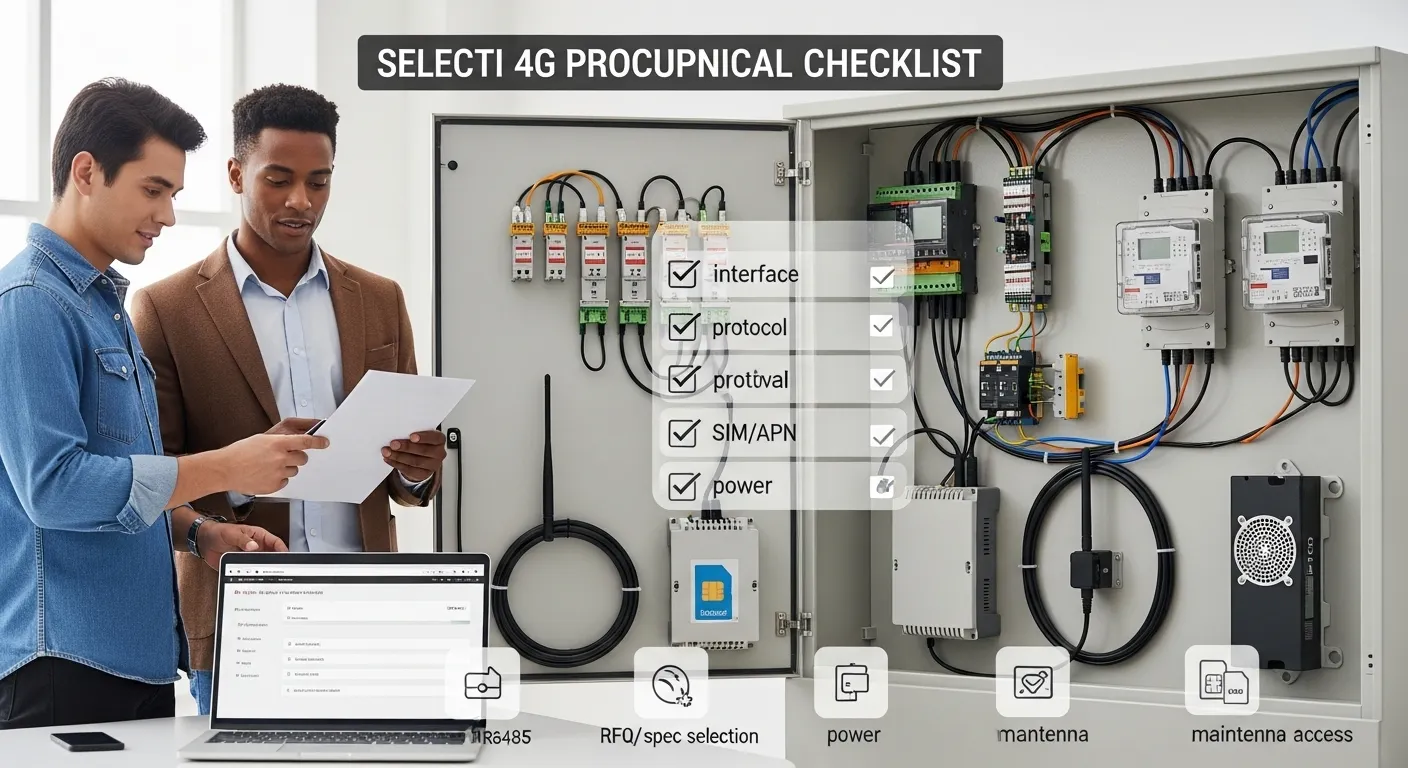
A 4G DTU is a field device, so installation conditions affect long-term performance. Before ordering, check the physical environment at each AMR site.
| Requirement area | What to confirm | Why it matters for AMR procurement |
|---|---|---|
| Meter connection | Meter model, interface, serial settings, meter count | Confirms whether the DTU can connect to the meter system |
| Protocol/data mode | Transparent transmission, Modbus, TCP/UDP, MQTT/HTTP, platform format | Determines how data reaches the AMR software |
| Cellular network | Coverage, carrier, LTE availability, signal level | Reduces field communication failures |
| SIM/APN access | SIM type, APN, static IP, VPN, server access | Affects remote access and platform connectivity |
| Antenna | Cabinet location, antenna position, cable route, signal obstruction | Improves reliability in weak-signal sites |
| Power supply | Available voltage, power stability, backup needs | Prevents device resets and service interruption |
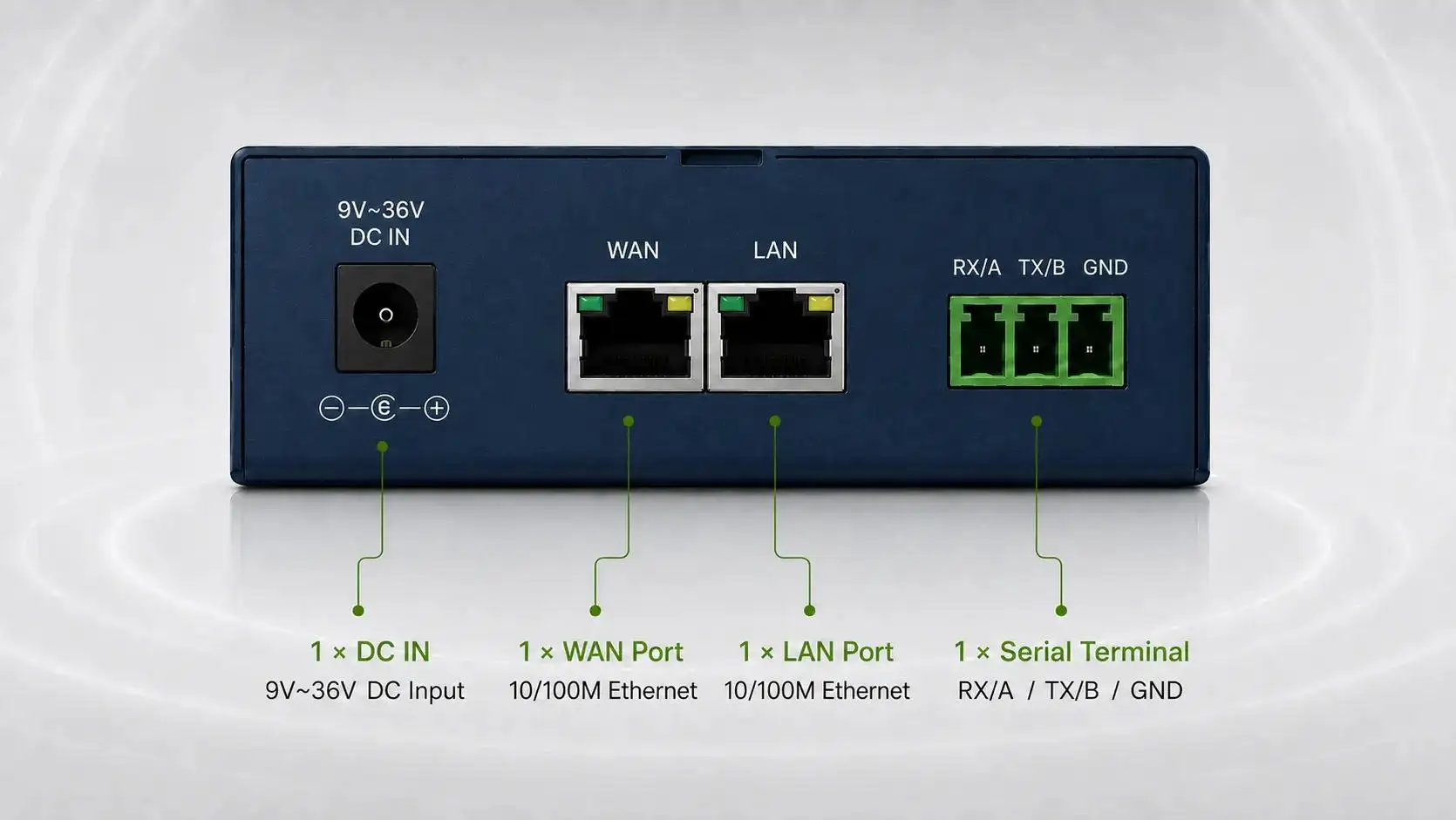
| Installation | DIN rail, wall mount, cabinet space, cable access | Helps plan field installation and maintenance |
| Environment | Indoor/outdoor site, temperature, humidity, dust, enclosure needs | Supports suitable device and enclosure selection |
| Maintenance | Local access, remote configuration, logs, replacement process | Reduces long-term operation cost |
This table can also be used as an internal procurement checklist before sending project details to Tespro.
Decide Whether You Need a DTU, Router, or Gateway
A DTU is often the right choice when the main task is sending meter or serial device data over a cellular network. However, not every AMR site should use the same device type.
Choose a DTU when the project needs remote serial data transmission from meters or field devices. This is suitable for many AMR and energy monitoring projects with RS485 or RS232 meter communication.
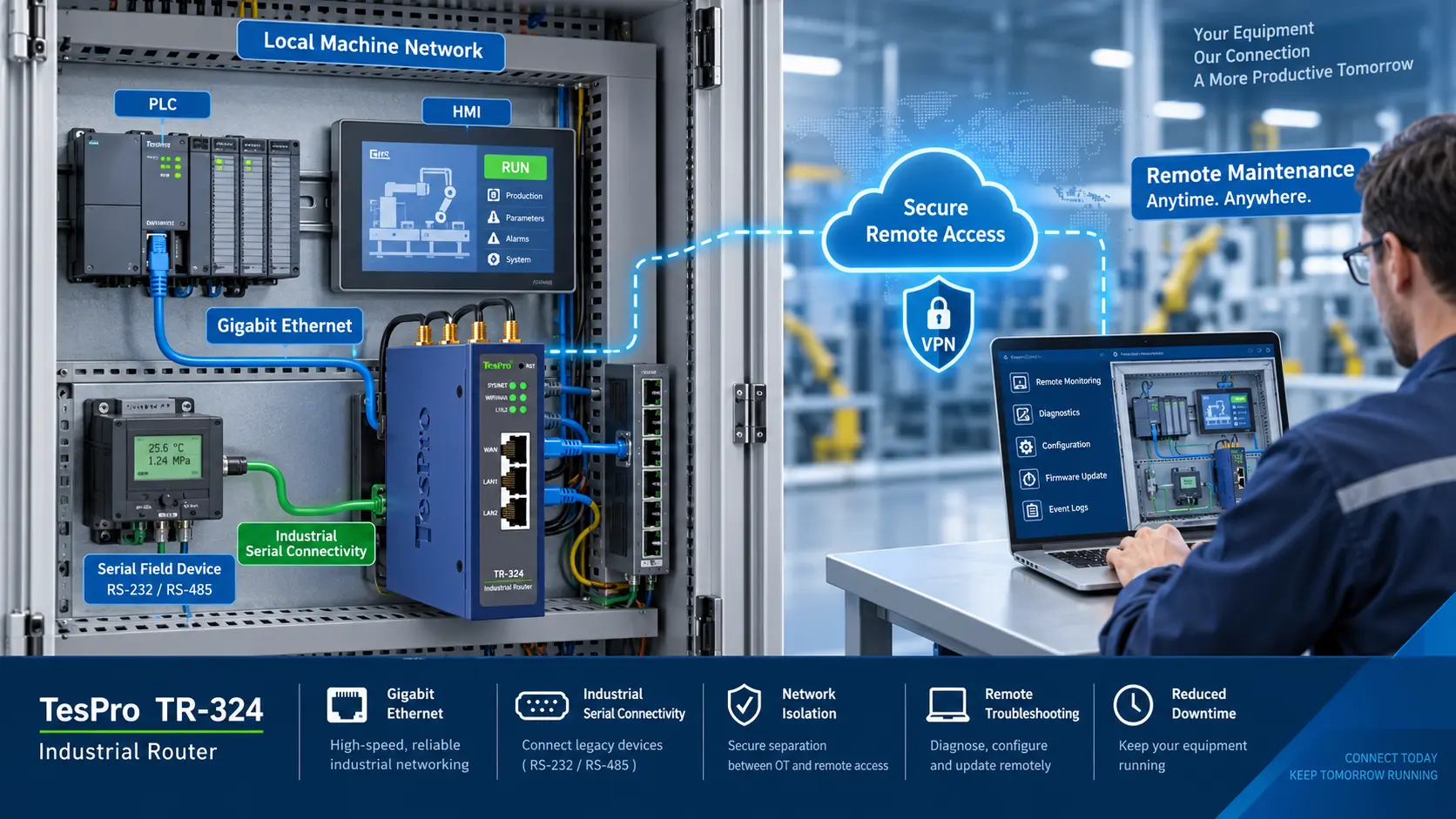
Choose an industrial router when the site needs broader network access, LAN devices, VPN routing, or remote access to multiple IP-based devices.
Choose an industrial gateway when the project needs protocol conversion, edge data processing, multi-device collection, cloud API integration, or structured data mapping.
This distinction helps buyers avoid overbuying complex equipment for simple meter reading. It also prevents choosing a basic DTU when the project actually needs gateway-level integration.
Common Procurement Mistakes to Avoid
AMR projects often face problems when the device is purchased before the field details are confirmed.
Avoid these common mistakes:
- Selecting a DTU only by price or “4G” label
- Ignoring meter protocol and serial settings
- Assuming every RS485 meter works the same way
- Forgetting APN, static IP, VPN, or firewall requirements
- Placing the antenna inside a poor-signal cabinet
- Not checking power supply stability
- Choosing a device before confirming the AMR platform connection method
- Overlooking remote maintenance and future configuration needs
- Sending an RFQ without meter model, quantity, or network details
A procurement checklist reduces these risks and helps the supplier recommend the correct device configuration faster.
What to Send Tespro for a 4G DTU Quotation
To help Tespro recommend a suitable 4G DTU or related connectivity solution, prepare the following details before requesting a quote:
- Required device type: 4G DTU, LTE industrial DTU, router, gateway, or unsure
- Project type: AMR, smart metering, energy monitoring, SCADA, factory data collection, or utility communication
- Meter type and meter model
- Number of sites and meters per site
- Required quantity
- Meter interface: RS485, RS232, Ethernet, optical, or other
- Protocol or standard: Modbus RTU, Modbus TCP, DL/T645, IEC/DLMS-related workflow, transparent serial, or custom protocol
- Serial settings: baud rate, parity, stop bits, data bits, and meter address
- Network region and preferred cellular operator
- SIM, APN, private APN, static IP, or VPN requirements
- Server, AMR platform, SCADA, cloud, API, MQTT, or HTTP endpoint requirements
- Data reading interval and data upload method
- Power supply available on site
- Installation environment and enclosure limitations
- Antenna placement or weak-signal concerns
- Remote configuration, security, or maintenance requirements
- Datasheet, sample, demo, or consultation needs
- Delivery destination
- Any site drawing, cabinet photo, wiring diagram, or written specification
The more complete the information, the easier it is to match the project with the right Tespro metering and connectivity solution.
Why Work With Tespro for AMR Connectivity Planning
Tespro supports buyers across industrial metering, smart meter communication, energy data collection, and utility connectivity projects. Our product scope includes metering optical probes, data transmission units, industrial routers, industrial gateways, meter test stands, calibrators, software platforms, and related smart metering solutions.
For AMR projects, this wider product view matters. A buyer may start with a 4G DTU request, but the final solution may also involve field meter reading tools, router/gateway options, software platform requirements, or integration support.
Tespro helps technical and commercial teams clarify the requirements before procurement. This can improve quotation accuracy, reduce installation risk, and support better communication between engineering, IT, procurement, and field teams.
Frequently Asked Questions
Is 4G suitable for AMR meter reading?
Yes, 4G can be suitable for many AMR projects because meter data usually has modest bandwidth needs. The final choice depends on coverage, data interval, platform access, SIM plan, and site conditions.
Can one 4G DTU connect to multiple meters?
Often, one DTU can be planned for multiple meters through an RS485 bus, but the meter protocol, addressing, wiring, and polling method must be confirmed before selection.
Does an AMR 4G DTU need static IP?
Not always. Static IP, private APN, or VPN may be needed when the server must access the DTU directly. If the DTU pushes data outbound, another network design may work.
What protocol details should buyers confirm?
Confirm the meter protocol, serial settings, data format, server connection method, and whether transparent transmission or protocol conversion is required. These details affect model selection and integration planning.
What if the cellular signal is weak?
Check signal strength before deployment. The project may need a better antenna position, external antenna, different carrier, or enclosure adjustment. Weak signal should be solved before mass installation.
Is a DTU the same as an industrial router?
No. A DTU is usually used for serial or field data transmission. An industrial router is better for network routing, VPN, LAN access, and broader site connectivity. Some projects may need a gateway instead.
Request a 4G DTU Quote or Technical Consultation
If your AMR project needs a 4G DTU, LTE industrial DTU, data transmission unit, router, gateway, or related metering connectivity solution, share your project requirements with Tespro.
Send your meter model, interface, protocol, quantity, site count, network region, SIM/APN/static IP/VPN needs, AMR platform or server details, power supply, installation environment, antenna constraints, delivery destination, and any wiring diagram or written specification. Tespro can review the requirements and help you request the right quotation, datasheet, sample, demo, or technical consultation for remote meter data collection.