-1791966549842.webp)





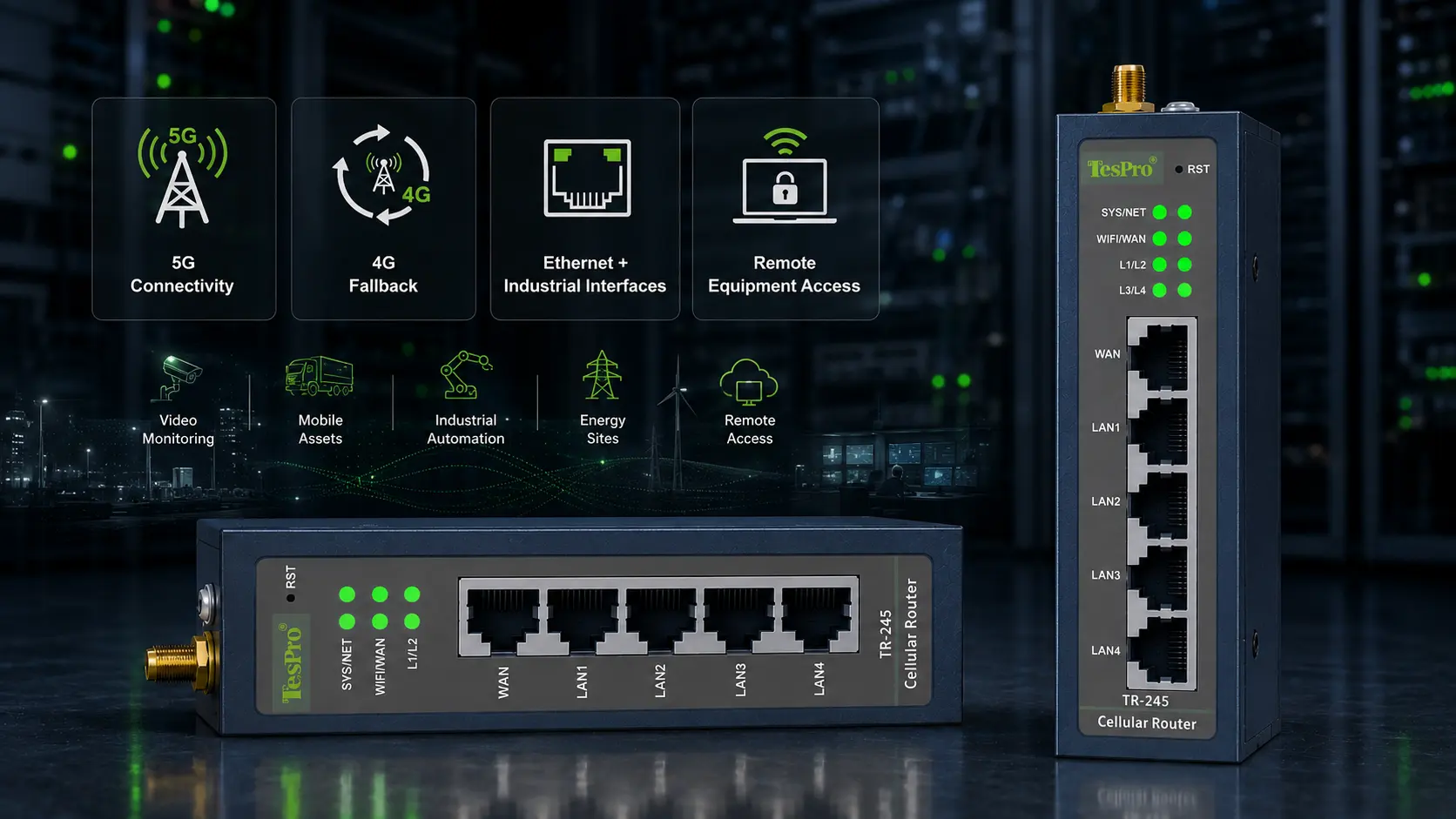

A 5G industrial router provides cellular connectivity for higher-bandwidth industrial applications such as video monitoring, mobile assets, robotics, energy sites and remote equipment access. Tespro TR series 5G router options can help connect field devices through 5G, 4G fallback, Ethernet and selected industrial interfaces.
Key Takeaways
- Use this as the main article for the keyword “5G industrial router.”
- Explain where 5G is useful, but avoid claiming universal low latency without local network testing.
- Mention Tespro models as examples while asking readers to confirm bands and certifications.
- Create internal links to VPN, remote management and industrial cellular router articles.
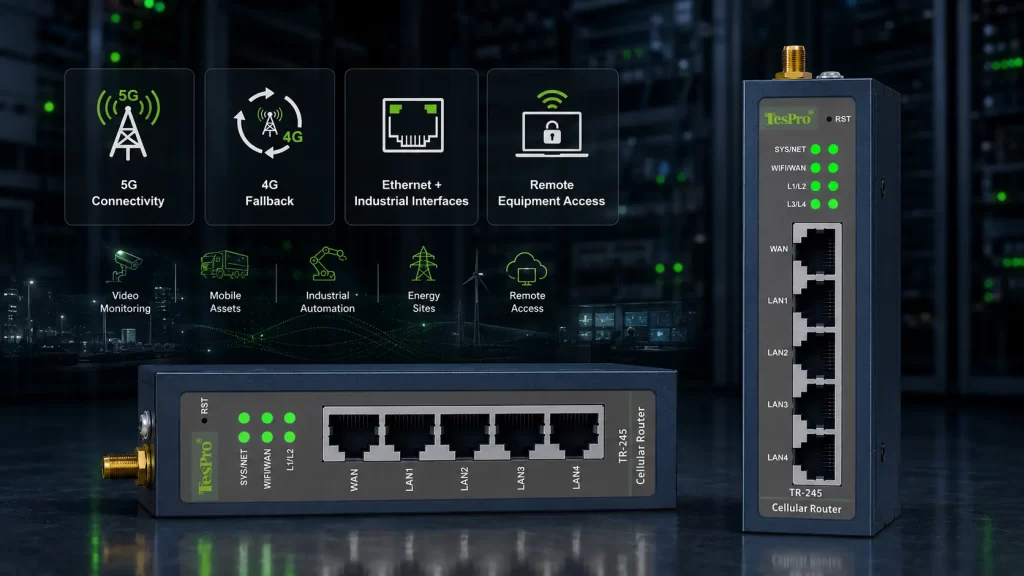
Why Industrial 5G Is Different from Office Wi-Fi
Industrial 5G routers are designed for field connectivity rather than office convenience. They must support cellular modules, antennas, industrial power supply, wide operating conditions and secure access control.
The benefit of 5G is not only peak speed. In suitable networks, it can support more data-intensive applications, more flexible deployment and stronger mobility than wired-only systems.
Typical Applications
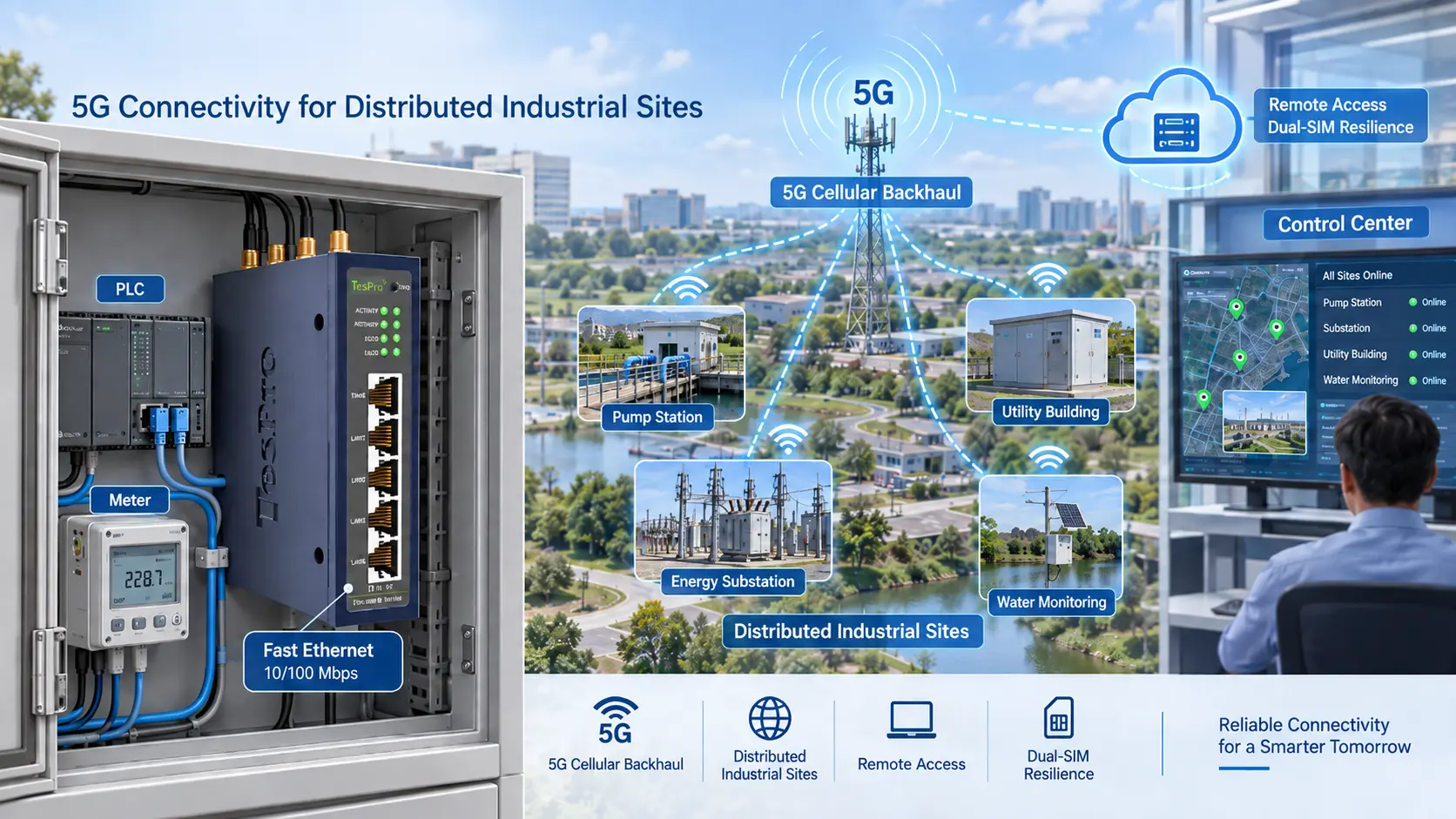
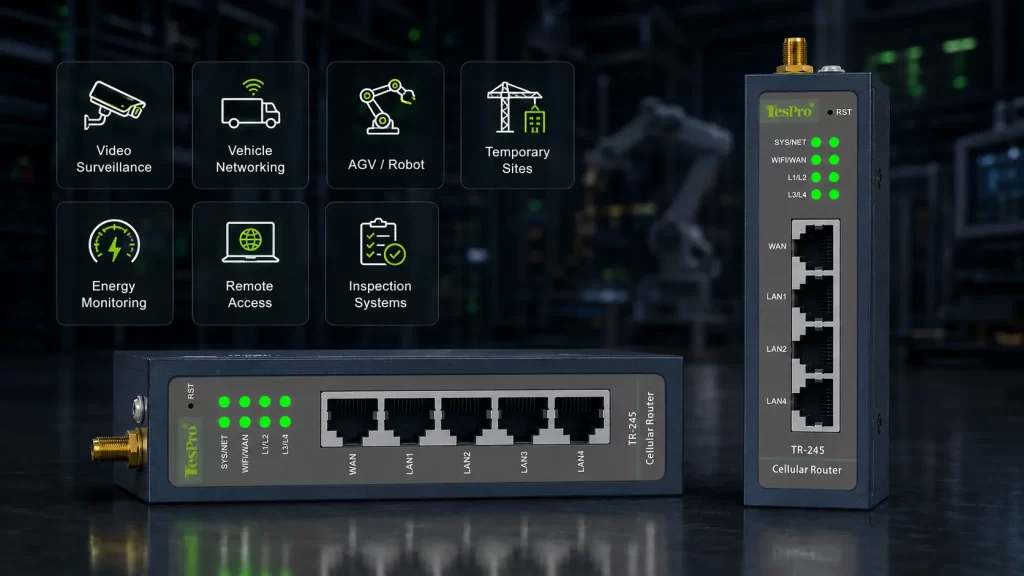
5G industrial routers are often considered for video surveillance, vehicle networking, AGV or robot connectivity, temporary construction sites, energy monitoring, machine remote access and high-bandwidth inspection systems.
For simple meter reading or low-frequency sensor data, 4G may still be sufficient. A professional article should help users choose based on payload, reporting interval, coverage and cost.
Tespro TR Series 5G Options
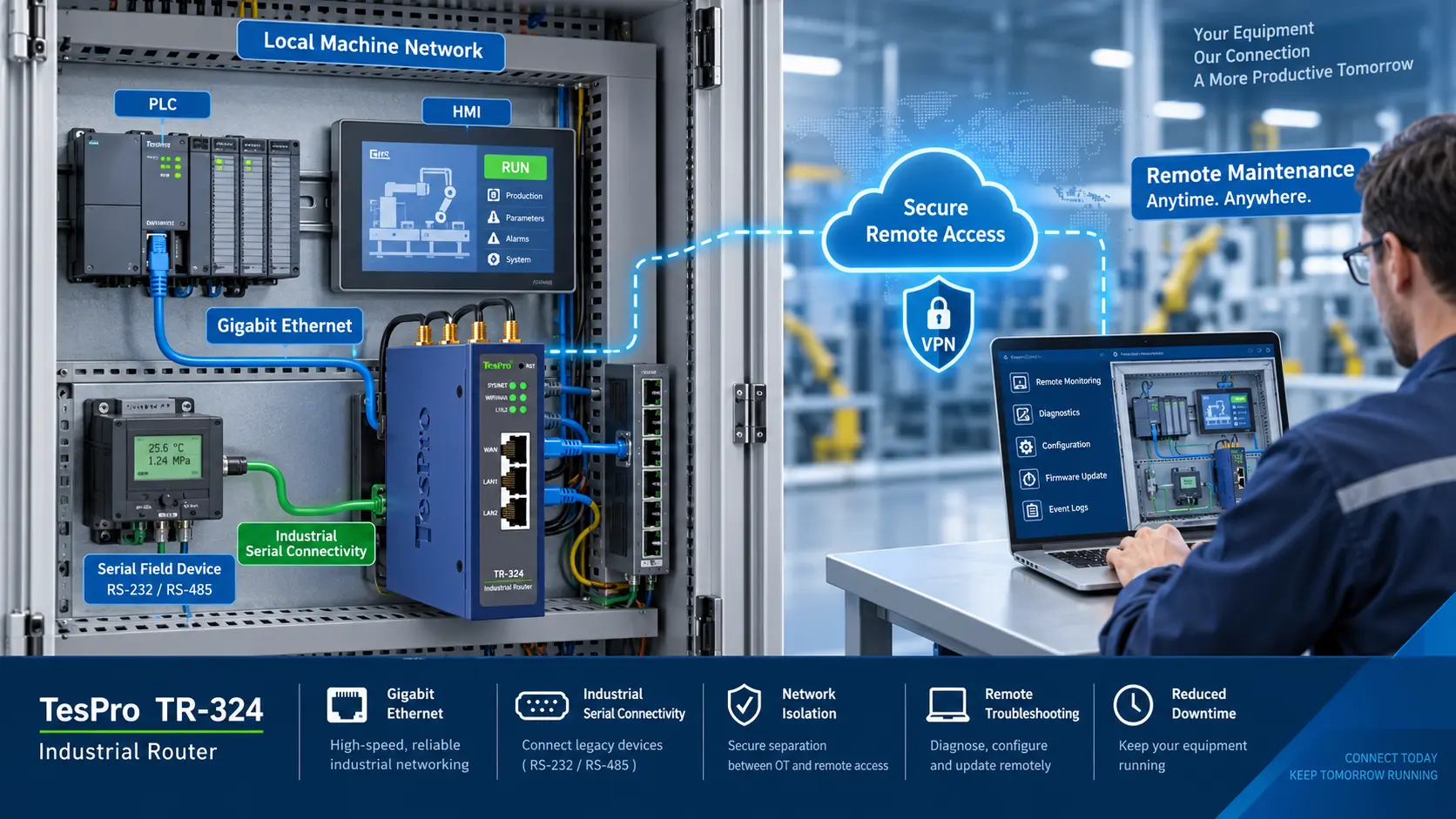
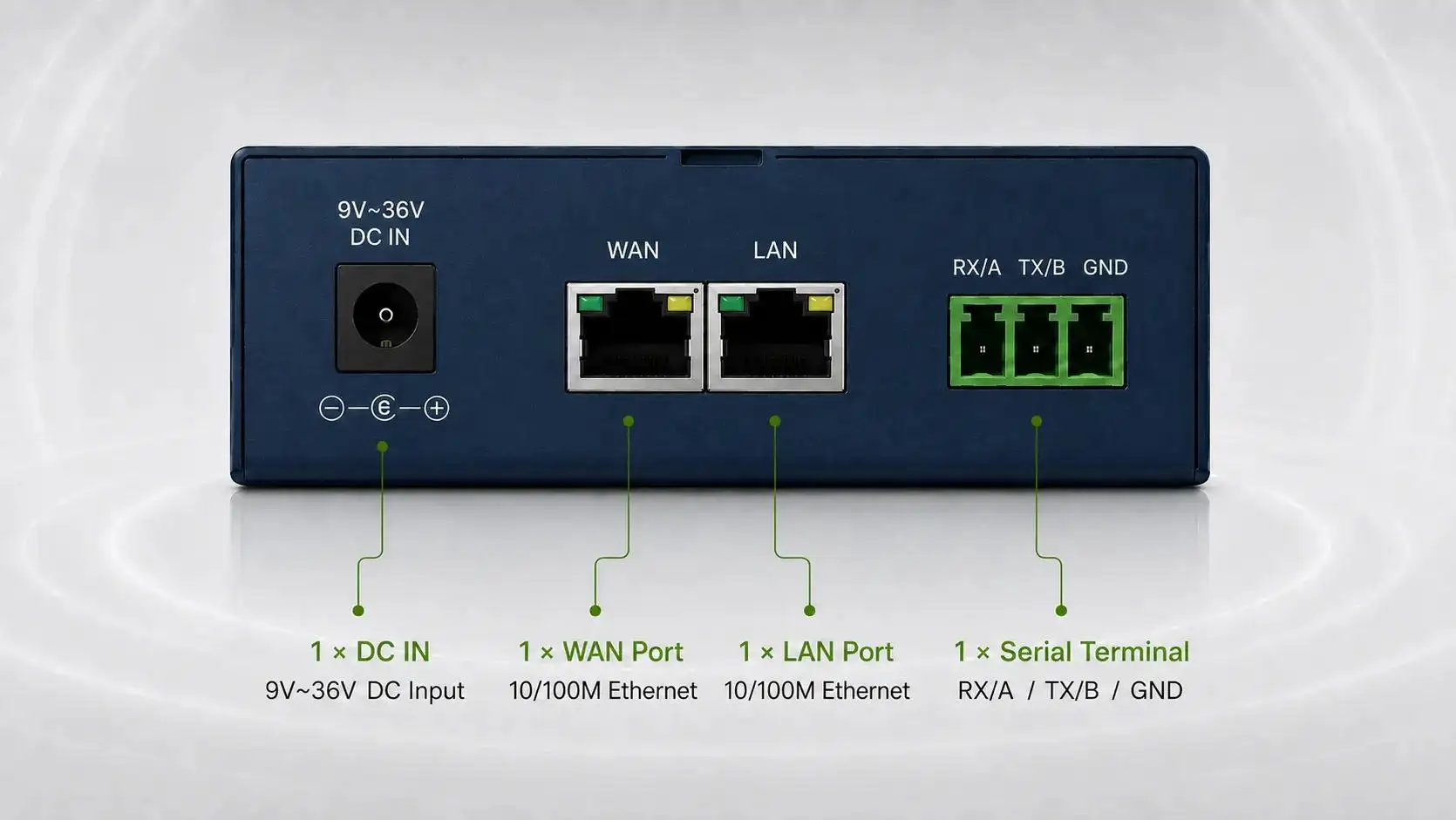
Tespro offers 5G industrial cellular router options in the TR series, including models positioned for different Ethernet quantities and interface combinations. Selected models include RS485 and RS232 interfaces for connecting industrial equipment.
Before final selection, confirm the country, operator bands, SIM policy, local 5G coverage, antenna plan, Ethernet speed and required security features.
4G vs 5G Selection Logic
4G is usually appropriate for regular telemetry, meter reading, alarm transmission and low-bandwidth monitoring. 5G is more appropriate when the application requires higher throughput, more connected devices, lower latency or video transmission.
Avoid empty phrases such as “ultra-fast best router.” Use practical language: 5G is useful when the application requires more bandwidth or responsiveness than the available 4G connection can support.
FAQs
Do all industrial projects need 5G?
No. Many telemetry projects work well on 4G. 5G is more relevant for video, mobility, high data volume or applications where the local 5G network provides a measurable advantage.
Can a 5G router fall back to 4G?
Many industrial 5G router deployments use fallback methods, but the exact fallback behavior depends on the model, module and operator network.
What should I check before buying a 5G industrial router?
Check local 5G bands, operator coverage, antenna installation, data plan, Ethernet and serial requirements, VPN needs, certification and operating temperature.
Planning a High-Bandwidth IIoT Project?
Contact Tespro with the country, operator, bandwidth target, connected device list and interface requirements. Tespro can recommend a suitable 5G industrial router configuration.