-1791966549842.webp)





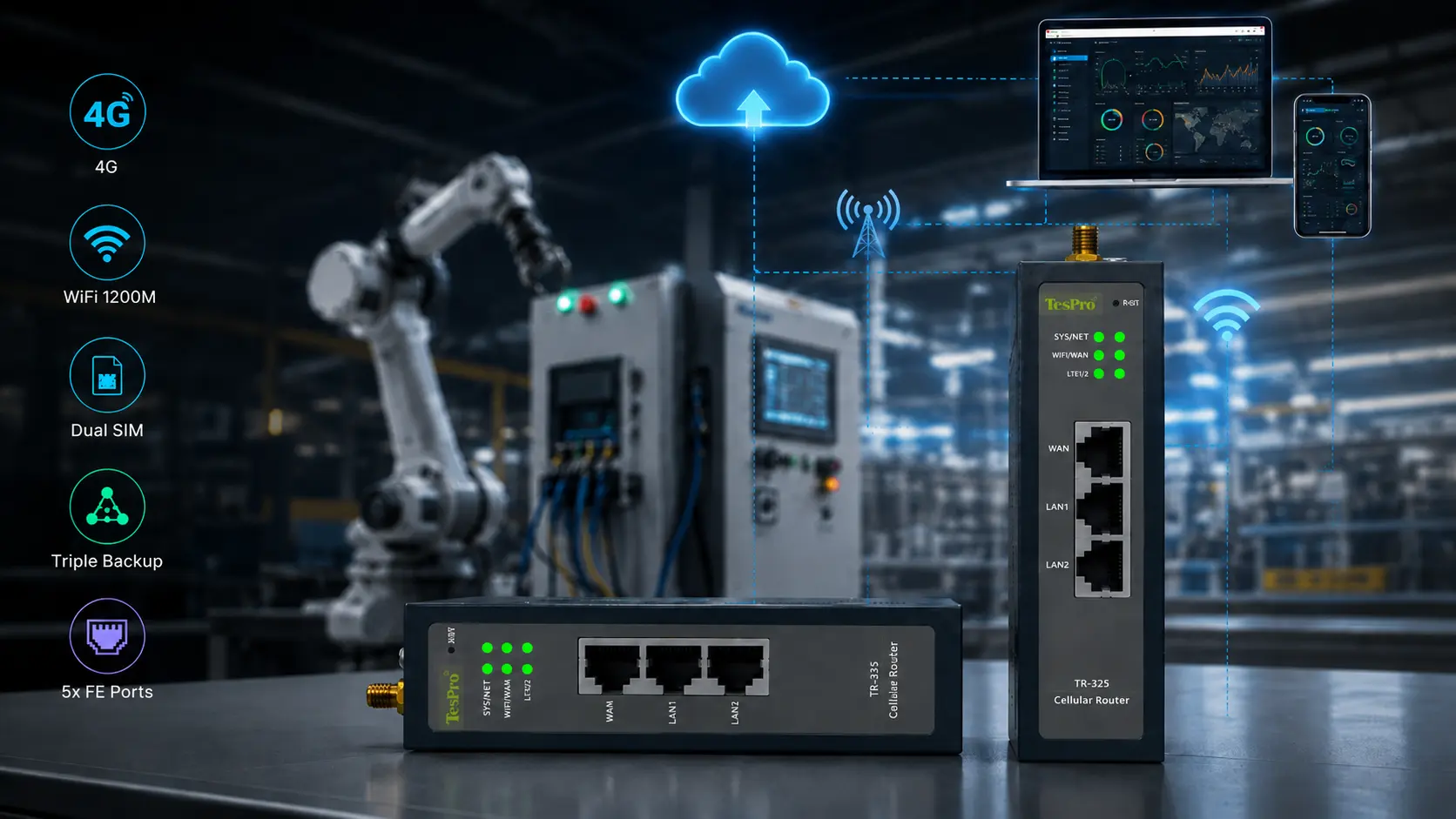

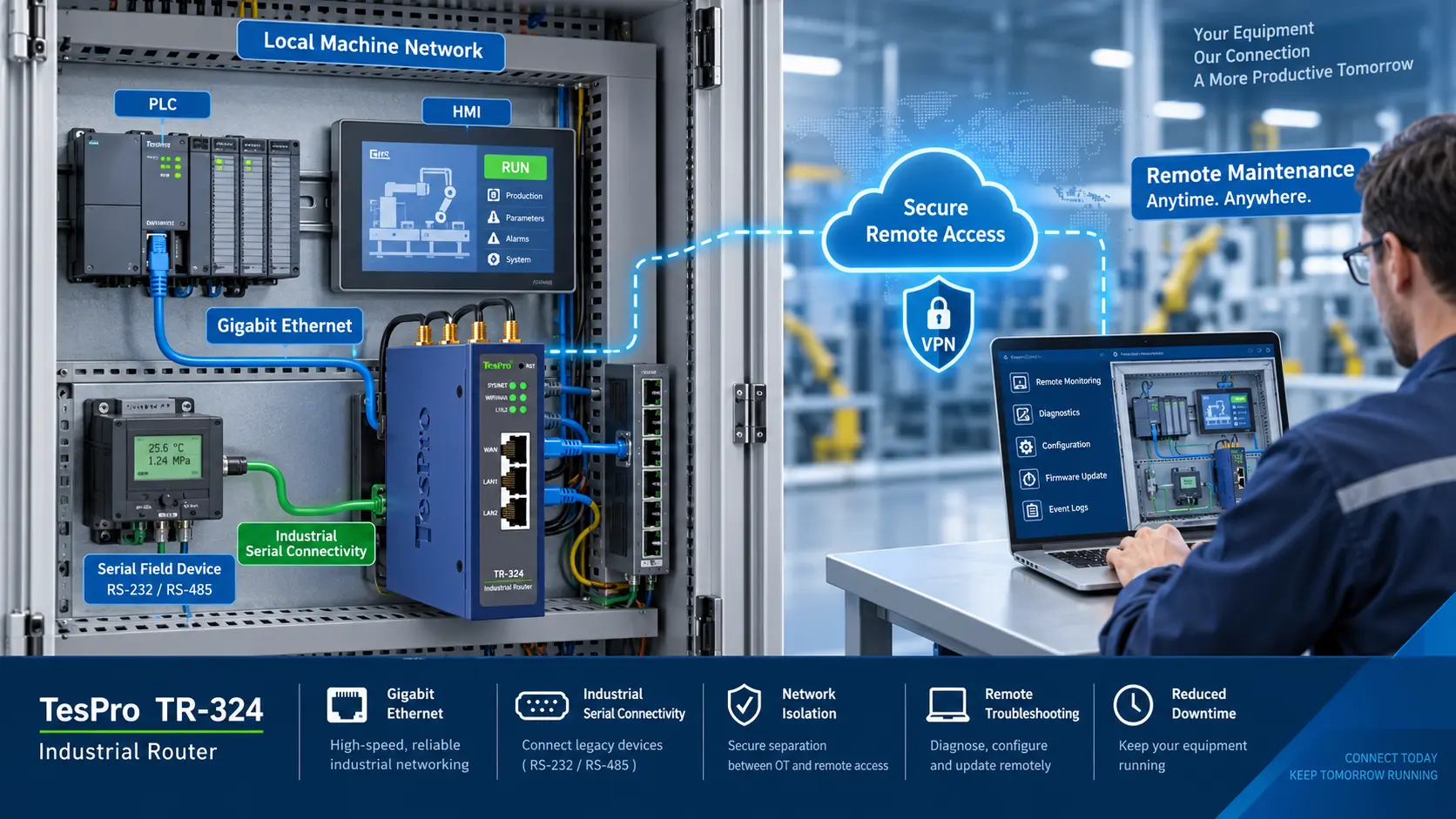
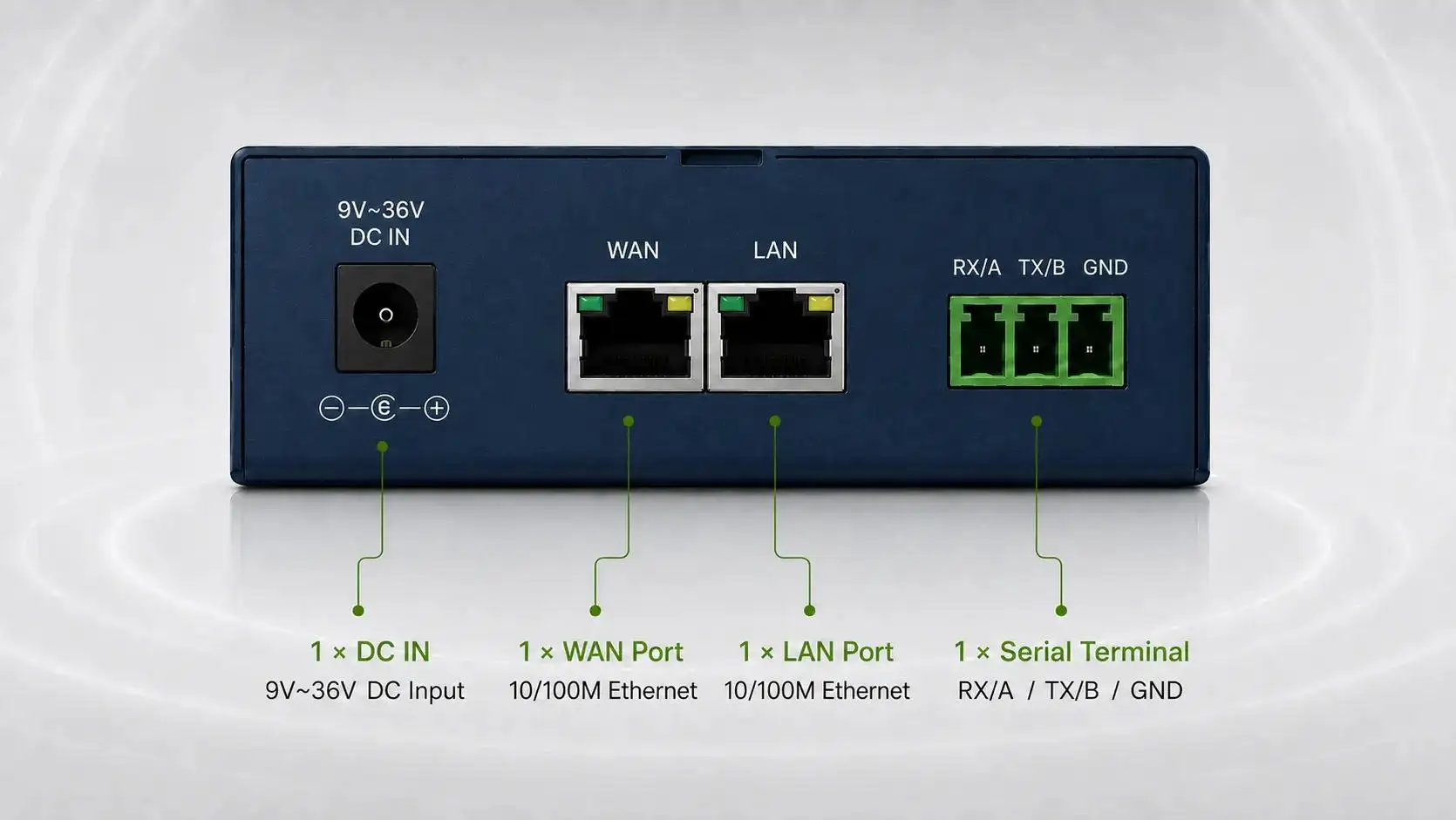
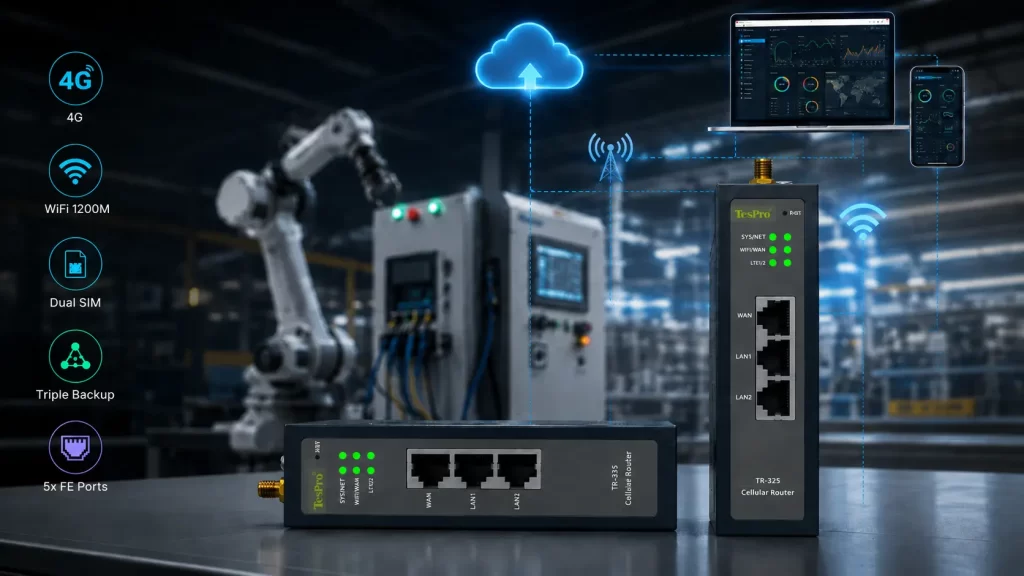
Industrial router remote management allows engineers to monitor router status, manage configuration and support field networks without visiting every cabinet. Tespro industrial routers are positioned with cloud management capabilities that help utilities, factories and smart infrastructure teams operate distributed devices more efficiently.
Key Takeaways
- Remote management reduces unnecessary site visits and improves visibility across distributed assets.
- It is useful for utilities, solar sites, pumping stations, machines and smart city cabinets.
- Content should explain status monitoring, configuration, firmware, alerts and security governance.
- Avoid promising automatic repair unless the function is confirmed for the selected model and platform.
Why Remote Management Matters
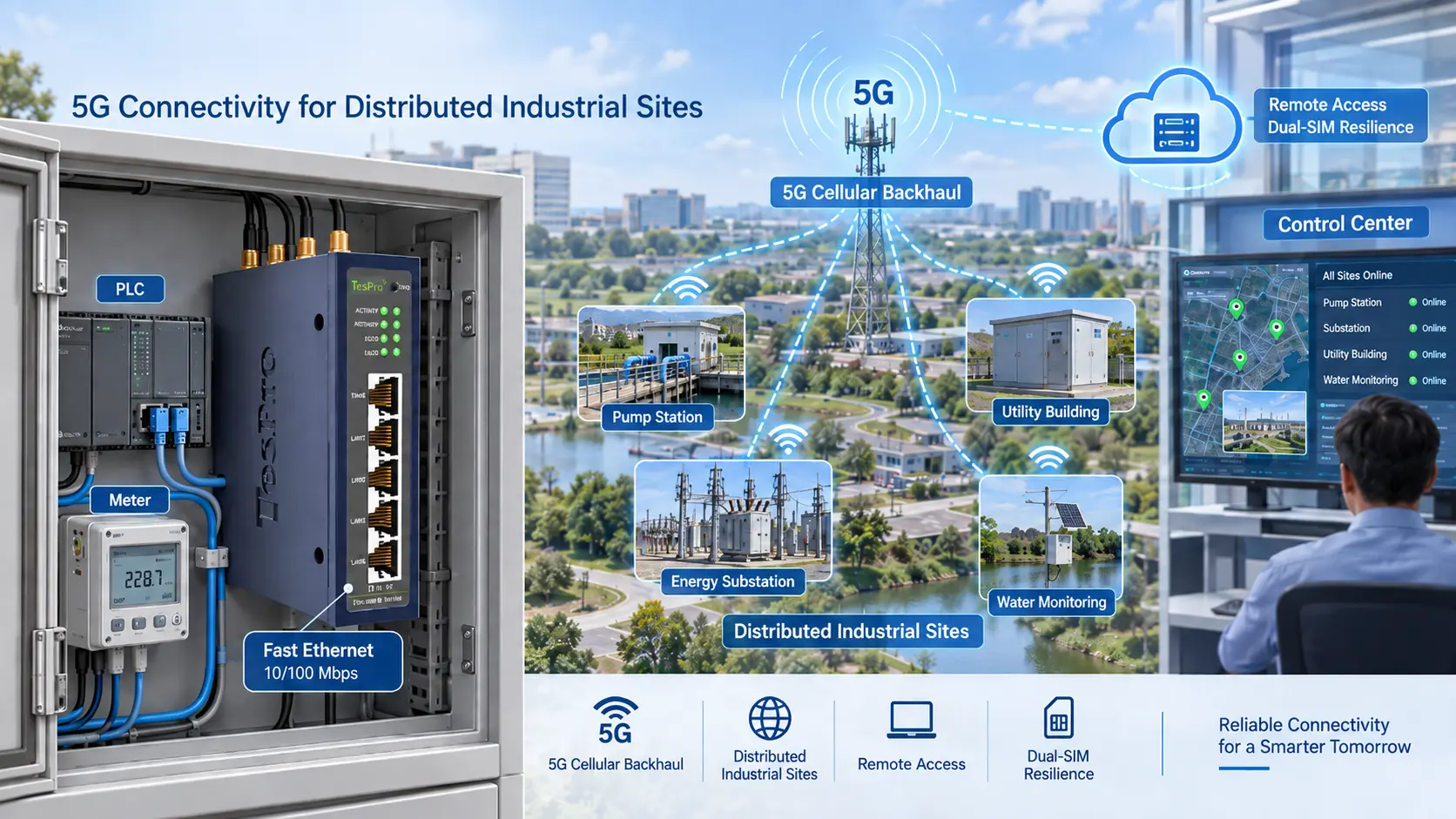
Industrial sites often operate across many locations. A technician may need to check signal strength, uptime, SIM status, configuration or logs without driving to the site. Remote management provides a practical way to support scattered industrial routers from a central interface.
For operators, the value is not only convenience. It can help standardize configuration, detect abnormal connections earlier and maintain a reliable field network over time.
What Can Be Managed Remotely?
Typical remote management functions include device online status, cellular signal, traffic status, configuration backup, VPN status, firmware update, alarm settings and access control. Actual availability depends on the router model, management platform and firmware version.
A publish-ready Tespro article should describe these functions as project capabilities rather than unlimited guarantees. For example: remote firmware management can be supported where the platform and device firmware are configured for it.
Tespro Use Cases
Tespro industrial routers can be used in smart metering, AMI/AMR, energy monitoring, industrial automation, transportation and smart city cabinets. In these deployments, centralized management helps teams maintain consistent router settings across many remote locations.
When paired with a secure access policy, router remote management can become part of a larger operations workflow for utilities, OEMs and system integrators.
FAQs
What information can be monitored remotely?
Typical items include device online status, signal quality, SIM or network status, traffic, configuration and alarms, depending on the model and management platform.
Can remote management reduce maintenance cost?
It can reduce unnecessary site visits by giving engineers visibility before dispatch. Actual savings depend on site number, distance, workflow and failure rate.
Is remote management secure?
It should be implemented with user permissions, encrypted access, firmware control and audit logs. Security depends on the complete deployment design.
Want to Manage Distributed Routers More Efficiently?
Ask Tespro for a remote management configuration review based on your device count, network type, site distribution and maintenance workflow.