-1791966549842.webp)





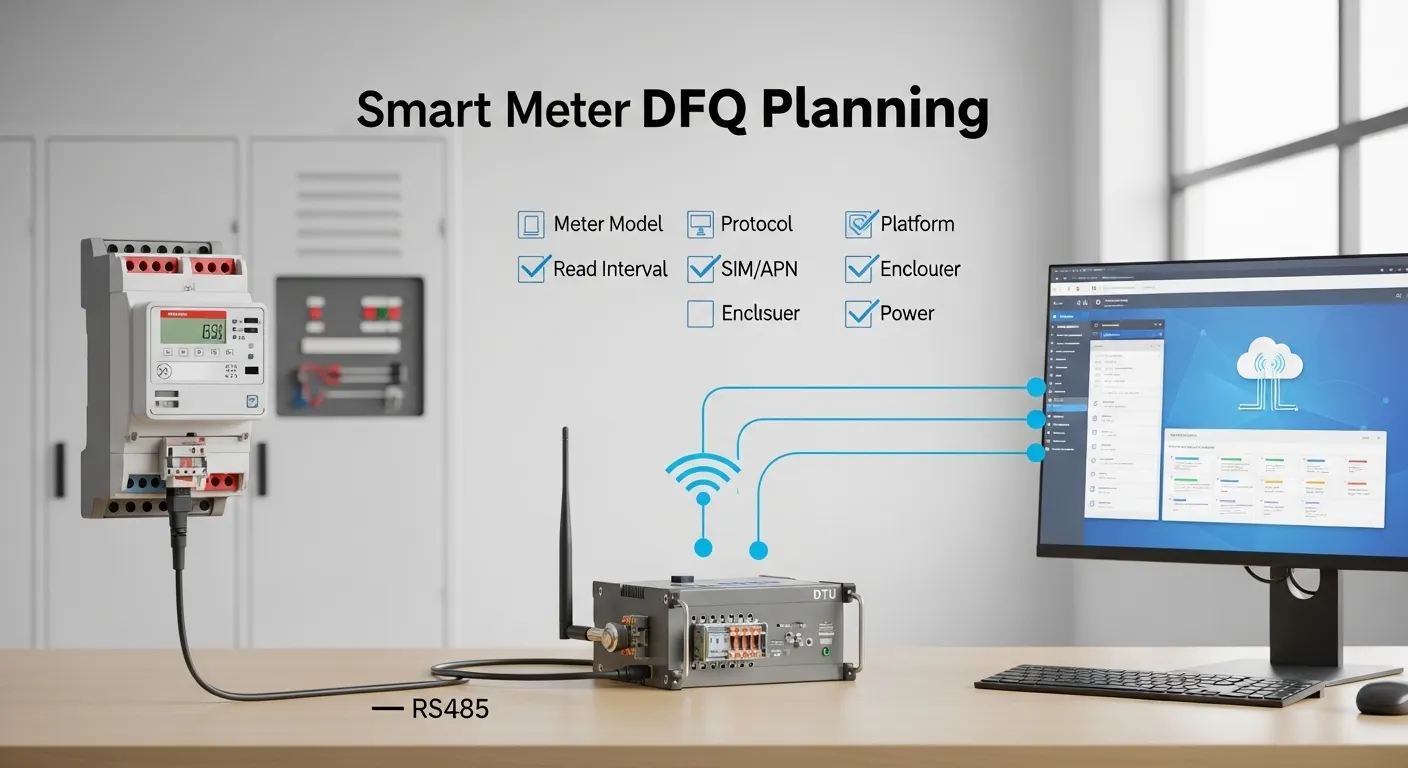

Tespro provides data transmission unit solutions for smart meter, AMR/AMI, remote monitoring, and energy management projects where field meter data must be collected and sent to a platform, server, or monitoring system. A DTU for energy management and power monitoring should be selected based on the meter model, communication protocol, interface, read interval, site quantity, network type, SIM/APN requirements, platform destination, enclosure, and power supply.
For most buyers, the main challenge is not only choosing a 4G DTU, industrial gateway, or router. The bigger issue is preparing the right technical information before asking for a quotation. If the meter protocol, data flow, and site conditions are unclear, the quote may be incomplete or the selected device may not fit the deployment.
This guide helps utility teams, factory energy managers, smart building integrators, SCADA teams, and procurement buyers prepare a practical RFQ for Tespro DTU and platform support.
When Do You Need a Smart Meter DTU?
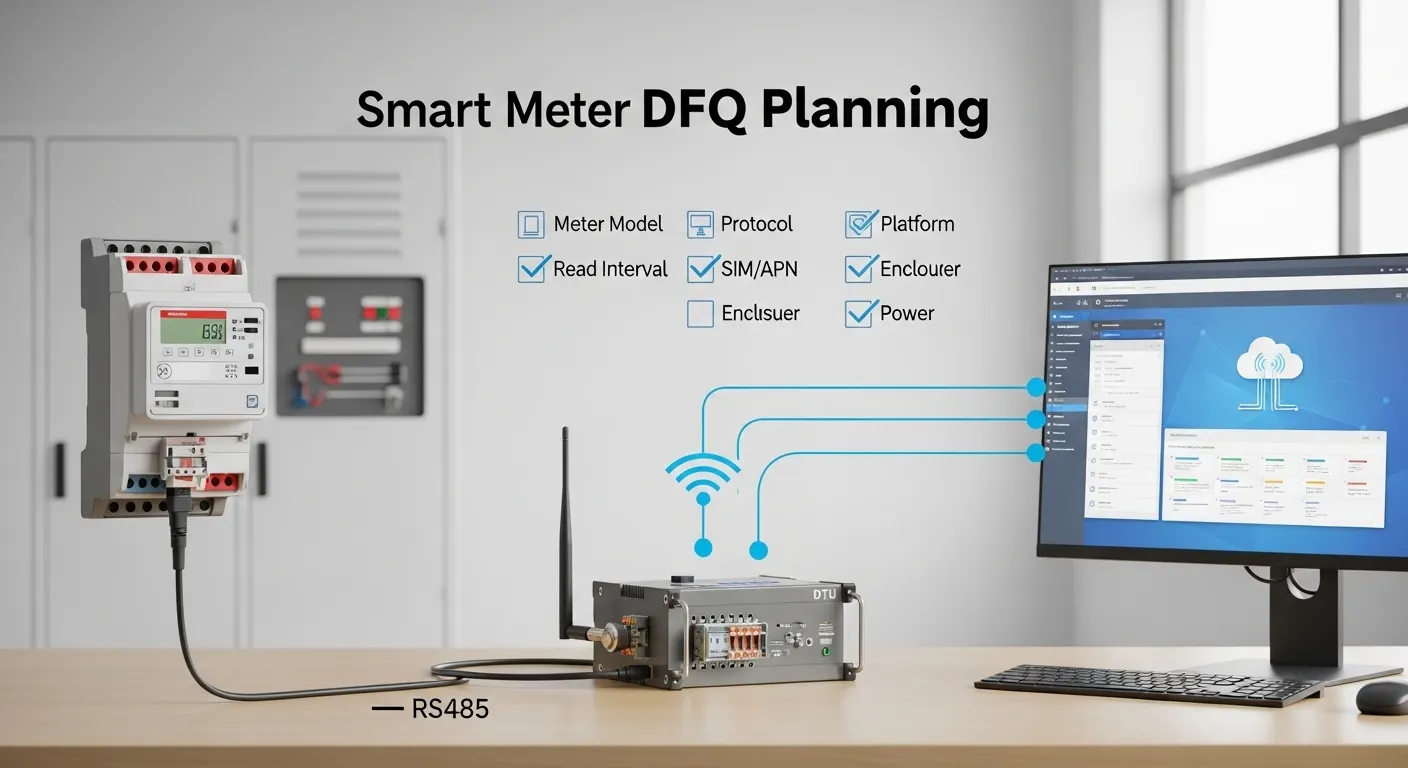
A smart meter DTU is usually needed when meters are installed in the field and data must be sent to a remote platform without manual reading. This can apply to electricity meters, water meters, gas meters, heat meters, or power monitoring devices.
Common project situations include:
- Factory electricity monitoring
- Utility AMR or AMI data collection
- Smart park or campus energy dashboards
- Commercial building power monitoring
- Distributed meter rooms across many sites
- Remote meter data transmission to a customer server
- Energy usage monitoring for operations or billing support
A DTU is often suitable when the meter already has a communication interface such as RS485 or RS232, and the project needs a stable path to transmit meter data over a network. If the project also needs protocol conversion, edge processing, API mapping, or multi-device network routing, an industrial gateway or router may also be considered.
For a broader device selection view, you can also review Tespro’s data transmission unit industrial buyer checklist.
What Information Affects Smart Meter DTU Selection?
Before choosing a device, buyers should confirm the meter-side details first. The DTU cannot be selected only by saying “we need smart meter data.” The technical team must understand how the meter communicates and where the data should go.
Key information includes:
- Meter brand and model
- Meter type, such as electricity, water, gas, heat, or multifunction power meter
- Communication interface, such as RS485, RS232, Ethernet, M-Bus, pulse, or optical where relevant
- Protocol or standard, such as Modbus RTU, Modbus TCP, DLMS/COSEM, M-Bus, or project-specific protocol
- Baud rate, parity, stop bit, meter address, and register map if using serial communication
- Number of meters connected to one site or cabinet
- Distance between meter, DTU, antenna, and power source
- Whether the data will go to Tespro’s platform, customer platform, SCADA, EMS, BMS, or another server
If these details are not confirmed, the quotation may need several revision rounds. It may also be difficult to estimate the right device quantity, configuration, and integration support.
DTU for Energy Management and Power Monitoring: RFQ Checklist
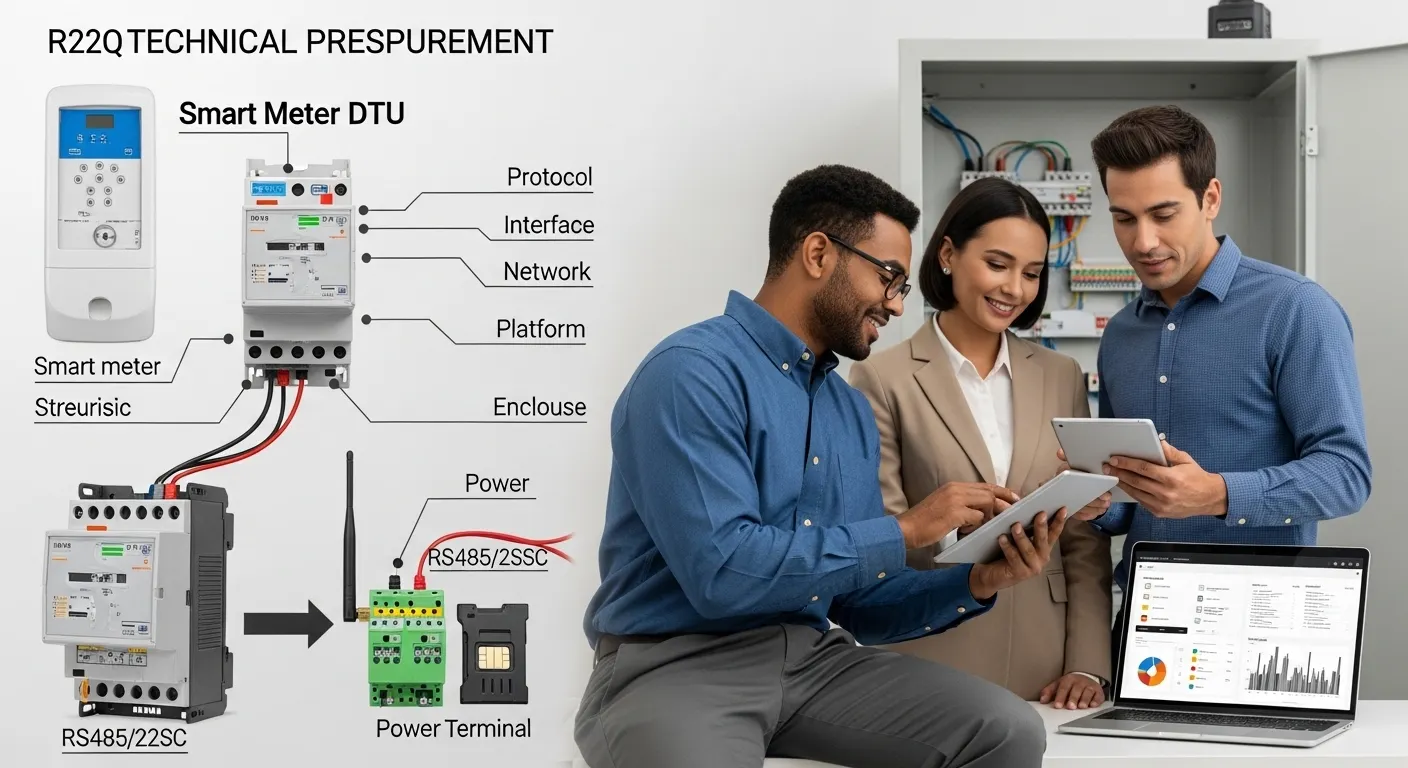
Use the checklist below before sending a quotation request. It helps Tespro understand the field device, network, platform, and deployment environment.
| RFQ item | What to send | Why it matters |
|---|---|---|
| Meter model | Brand, model, datasheet | Confirms interface and protocol compatibility |
| Meter protocol | Modbus RTU, Modbus TCP, DLMS/COSEM, M-Bus, or other | Defines data reading and integration method |
| Interface | RS485, RS232, Ethernet, M-Bus, pulse, optical, or other | Determines DTU or gateway connection type |
| Read interval | 1 minute, 5 minutes, 15 minutes, hourly, daily | Affects traffic, platform load, and monitoring value |
| Meter quantity | Meters per site and total sites | Affects device quantity and architecture |
| Network type | 4G, 5G, Ethernet, private network, or mixed | Determines uplink and communication planning |
| SIM/APN details | Public SIM, private APN, static IP, VPN need | Affects remote access and security planning |
| Platform destination | Tespro platform, customer server, SCADA, EMS, BMS, API | Defines software and data format requirements |
| Power supply | Available AC/DC source, backup power need | Affects installation planning |
| Enclosure | Cabinet, DIN rail, indoor, outdoor, limited space | Affects device mounting and protection |
| Environment | Temperature, humidity, dust, signal condition | Helps avoid field reliability issues |
| Documents | Meter protocol file, register map, site diagram, photos | Reduces quotation and configuration uncertainty |
Protocol and Interface Details Buyers Should Confirm
For smart meter communication, protocol and interface details are often the most important part of the RFQ. Two meters may look similar, but they may require different communication settings.
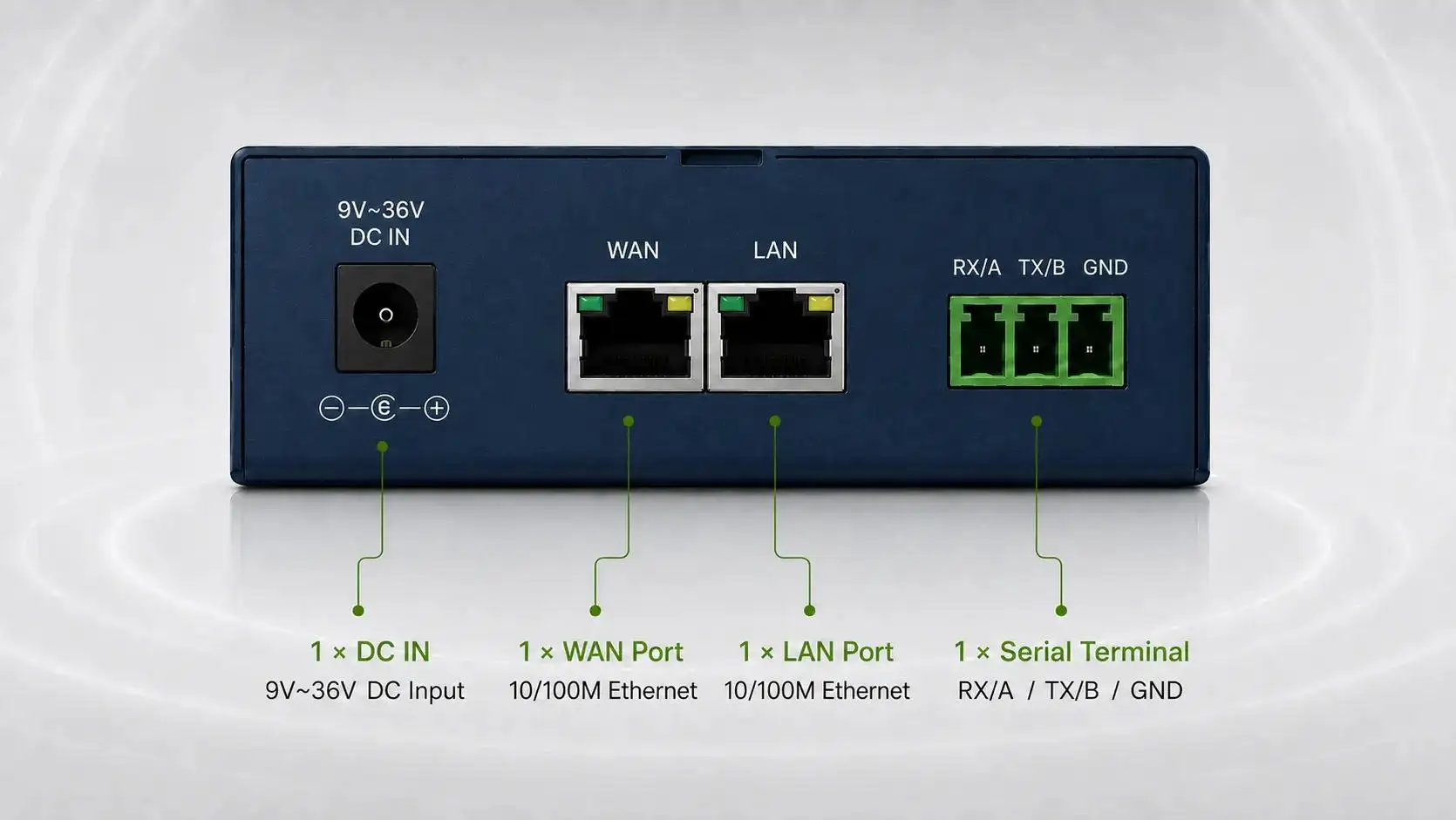
For RS485 meter projects, buyers should confirm the protocol, register map, baud rate, meter address, and bus layout. For RS232 devices, cable length and point-to-point connection details may matter. For Ethernet meters, the project may need IP settings, port information, and server connection rules.
Some energy monitoring projects also involve platform integration. In that case, the buyer should explain whether the DTU only needs transparent data transmission or whether the system needs protocol conversion, structured data upload, MQTT, TCP/IP, Modbus TCP, API integration, or dashboard display.
Do not assume every DTU supports every protocol or platform requirement. The safest approach is to send the meter datasheet and communication document with the RFQ.
Network, SIM, APN, and Remote Access Planning
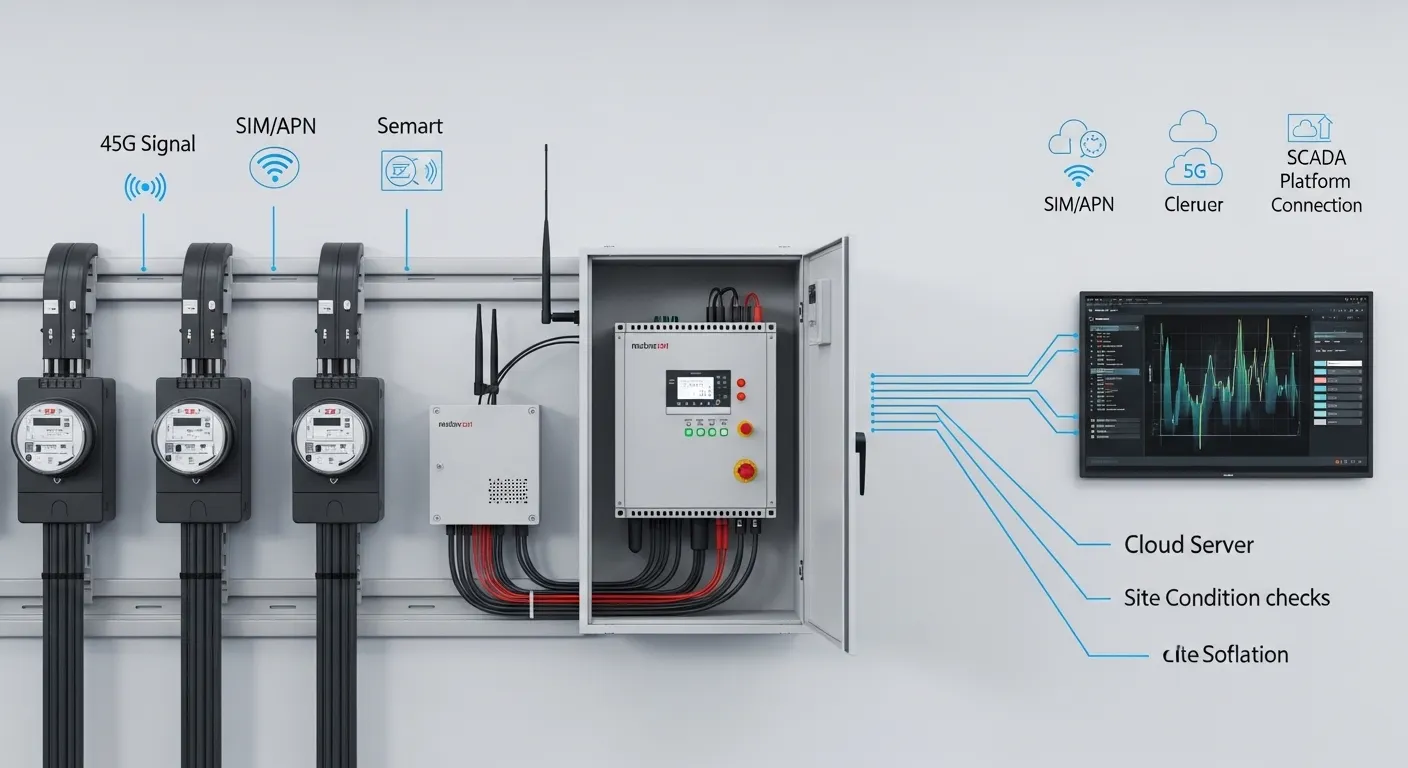
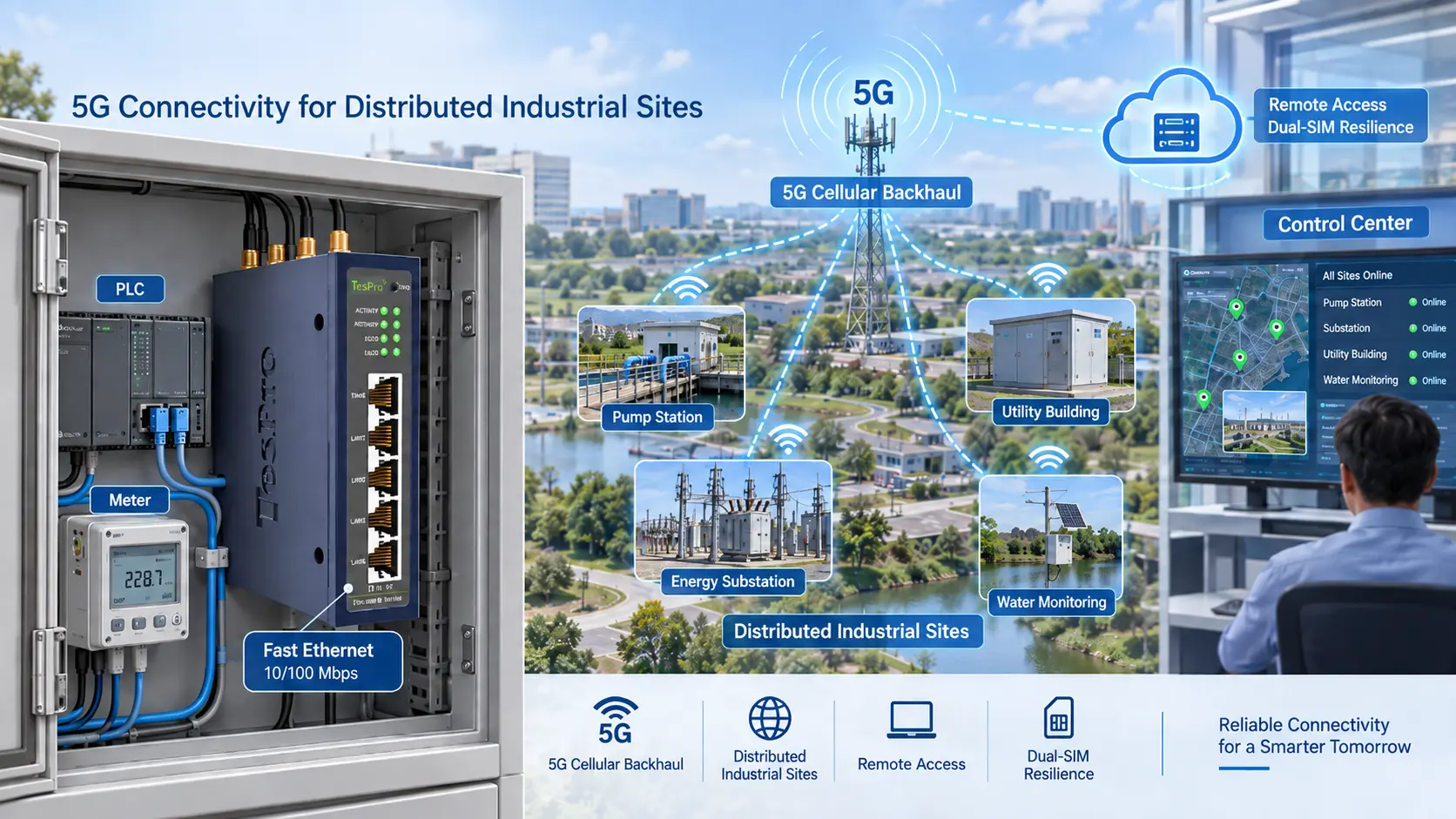
The network choice affects device selection, data stability, and maintenance. Many smart meter projects use 4G because it is practical for distributed sites. However, Ethernet may be better when a reliable wired network already exists. 5G may be considered when the project has higher bandwidth, future upgrade needs, or specific network requirements.
Buyers should confirm:
- Available mobile network coverage at each site
- Preferred carrier or SIM provider
- Public SIM or private APN requirement
- Static IP requirement
- VPN or private network requirement
- Whether remote configuration is needed
- Whether data should go to a public cloud, private server, or local system
- Antenna position and signal strength at the installation point
For AMR projects using 4G connectivity, Tespro’s 4G DTU AMR procurement checklist can help buyers prepare additional network and project details.
If your team is comparing mobile network generations, review the 5G DTU vs 4G DTU upgrade buying criteria before over-specifying the project.
Platform and Energy Data Integration Requirements
A smart meter DTU project does not end at the field device. Buyers should also define what happens after the data is collected.
Some projects need a dashboard for energy monitoring. Others need data export to an EMS, BMS, SCADA, billing system, or customer database. Procurement teams should clarify this before requesting a quote, because hardware-only requirements and platform-integration requirements are different.
Important platform questions include:
- Will the data go to Tespro’s platform or your own platform?
- Do you need dashboard, trend chart, alarm, or report functions?
- Do you need API, CSV export, database integration, or billing export?
- What read interval should the platform store?
- How many users or sites will need access?
- Do you need remote configuration or device status monitoring?
- Who will maintain the SIM, server, and platform after deployment?
Tespro can support buyers with metering hardware, DTU options, industrial connectivity devices, and energy data platform planning based on the actual project requirements.
Site and Installation Details That Affect the Quote
Field conditions can change the device configuration. A DTU that works well in a clean indoor cabinet may not be suitable for a humid outdoor enclosure or a site with weak mobile signal.
Before requesting a quote, check:
- Indoor or outdoor installation
- Cabinet size and mounting method
- DIN rail or panel mounting preference
- Available power supply
- Need for backup power
- Distance from meter to DTU
- Cable routing limitations
- Antenna position
- Dust, humidity, vibration, and heat exposure
- Maintenance access for technicians
For harsh or industrial environments, buyers should also review Tespro’s industrial DTU modem rugged spec checklist. It can help your team prepare enclosure, power, and environmental details before model selection.
DTU, Gateway, or Industrial Router: Which One Fits?
A DTU is usually selected for field data transmission from a meter or serial device to a remote platform. It is often a good fit when the project needs meter data collection through RS485, RS232, or similar interfaces and a network uplink.
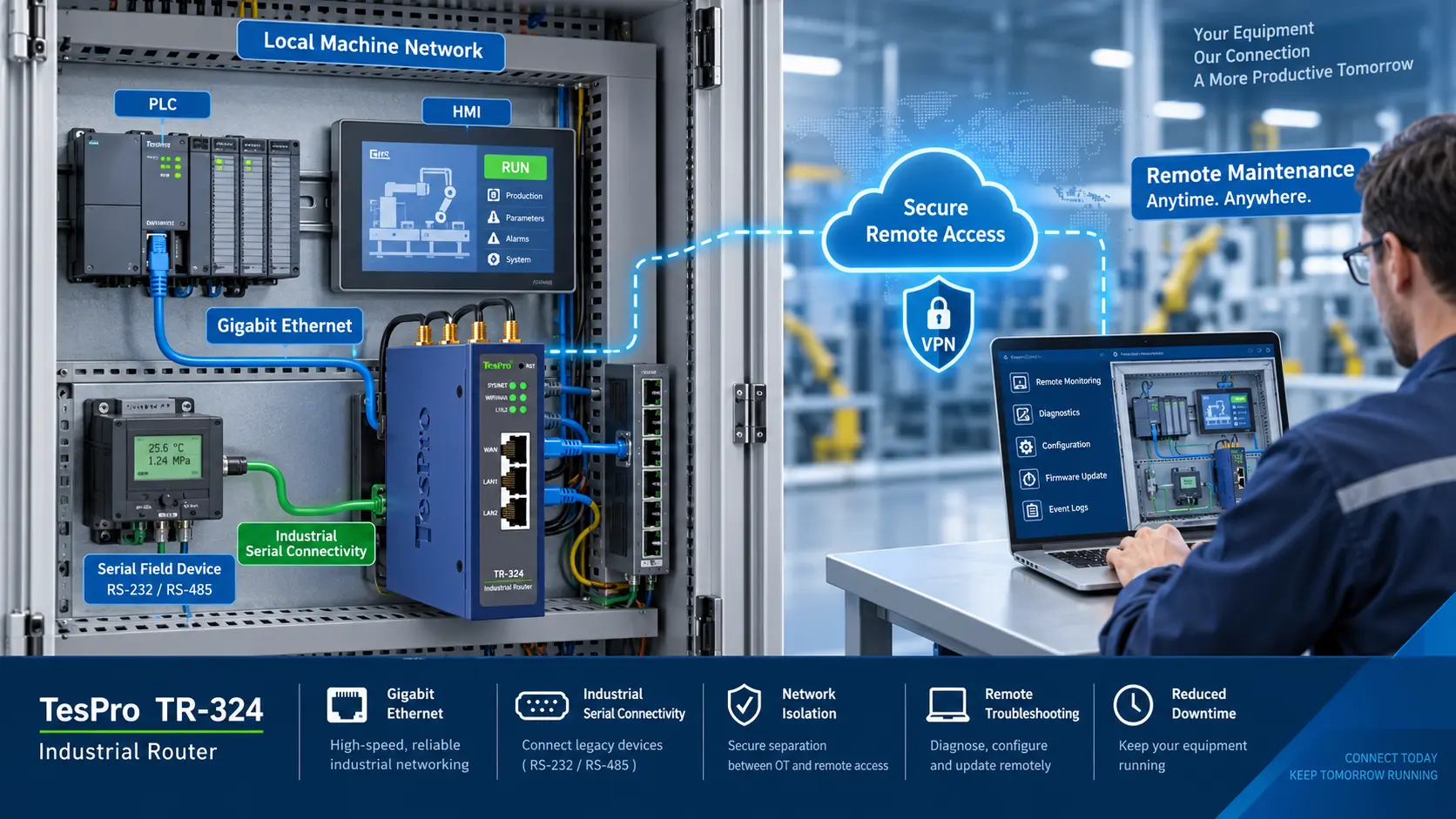
An industrial gateway may be more suitable when the project needs protocol conversion, local data processing, multiple field protocols, or structured cloud integration. A router may be required when the site needs LAN connectivity, VPN access, multi-device networking, failover, or remote access to several devices.
The right choice depends on the data path:
- Meter to platform: DTU may be enough.
- Meter to cloud with protocol conversion: Gateway may be needed.
- Multiple devices needing secure remote network access: Industrial router may fit better.
- Energy dashboard and field hardware together: DTU plus platform planning may be required.
This is why the RFQ should describe the full system, not only the device name.
Common RFQ Mistakes to Avoid
Many project delays happen because the RFQ is too general. A request such as “please quote smart meter DTU” does not give enough information for accurate selection.
Avoid these mistakes:
- Sending only the meter photo without a datasheet
- Not confirming the meter protocol
- Ignoring baud rate or register map details
- Not explaining the platform destination
- Forgetting SIM/APN/static IP requirements
- Assuming one DTU can support any number of meters
- Choosing read intervals without checking data volume
- Ignoring cabinet size, power supply, and antenna position
- Not mentioning outdoor or harsh installation conditions
- Requesting the lowest-cost device without checking integration risk
A better RFQ gives both commercial and technical details. This helps Tespro suggest a more suitable device path and reduces back-and-forth during quotation.
Why Work With Tespro for Smart Meter DTU Projects?
Tespro works with industrial metering, connectivity, and energy data applications. Our solutions cover metering optical probes, data transmission units, industrial routers, industrial gateways, meter test stands, calibrators, software platforms, and related smart metering support.
For energy monitoring and power monitoring projects, buyers often need more than a standalone communication device. They may need help matching the meter interface, communication protocol, network path, site environment, and platform workflow.
Tespro can help buyers discuss:
- DTU selection for smart meter communication
- Field data collection architecture
- AMR/AMI project requirements
- Energy monitoring platform needs
- Remote monitoring and industrial IoT integration
- OEM/ODM or project-specific support where applicable
- Datasheet, sample, demo, or quotation request details
The goal is to help your team avoid mismatched hardware, missing protocol information, and unclear platform requirements before procurement begins.
Frequently Asked Questions
What information is required for a smart meter DTU quote?
Send the meter model, protocol, interface, quantity, number of sites, read interval, network type, SIM/APN needs, platform destination, power supply, enclosure details, and any site drawings or meter documents.
Can a DTU work with existing smart meters?
It depends on the meter interface, protocol, register map, and access permissions. Send the meter datasheet and communication document so Tespro can review the possible device and integration path.
How many meters can one DTU connect?
It depends on the interface, RS485 bus design, meter protocol, polling interval, cable length, and site layout. Do not assume a fixed number without checking the actual meter and deployment conditions.
Do we need 4G, 5G, or Ethernet?
Use 4G for many distributed field sites, Ethernet where wired network is stable, and 5G when the project requires advanced network capability. The best option depends on coverage, data volume, security, and site access.
Can the DTU send data to our own platform?
It may be possible if the communication method, server address, data format, protocol, authentication, and testing requirements are clear. Include your platform or API requirements in the RFQ.
Do we need a DTU, gateway, or router?
Use a DTU for field data transmission, a gateway for protocol conversion or structured integration, and a router for broader site networking or remote access. Share the full data flow before choosing.
Request a Smart Meter DTU Quote from Tespro
If you are planning a smart meter, AMR/AMI, energy management, or power monitoring project, send your project details to Tespro for DTU selection and quotation support. Include the device type, quantity, application, meter model, protocol, interface, read interval, number of sites, network type, SIM/APN/VPN/static IP needs, platform or API requirements, power supply, enclosure constraints, operating environment, delivery destination, and any meter datasheet, register map, site diagram, cabinet photo, or written specification.
Tespro can review your requirements and help you request a suitable DTU quotation, datasheet, sample, demo, consultation, or OEM/ODM support for your smart metering project.