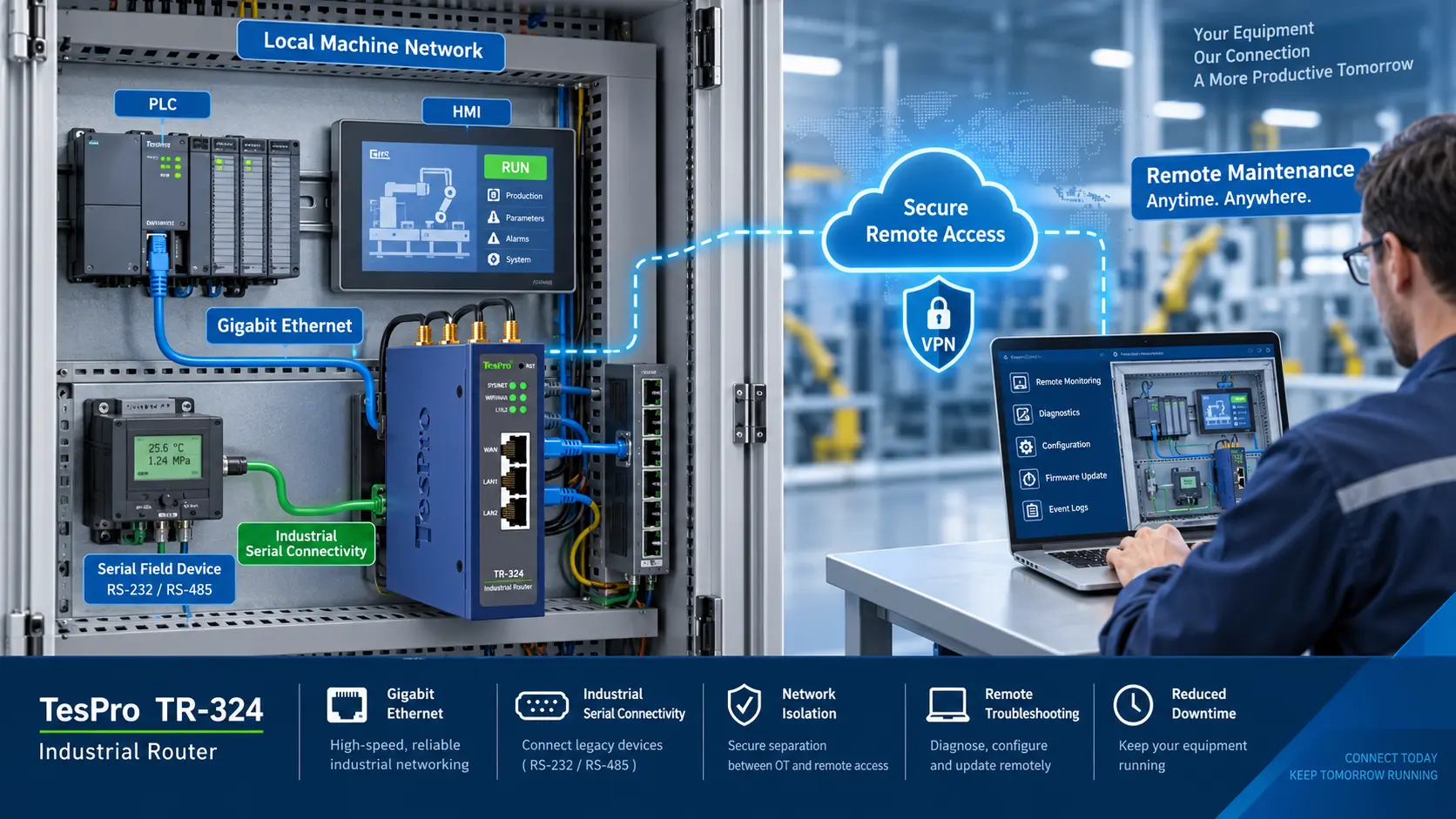
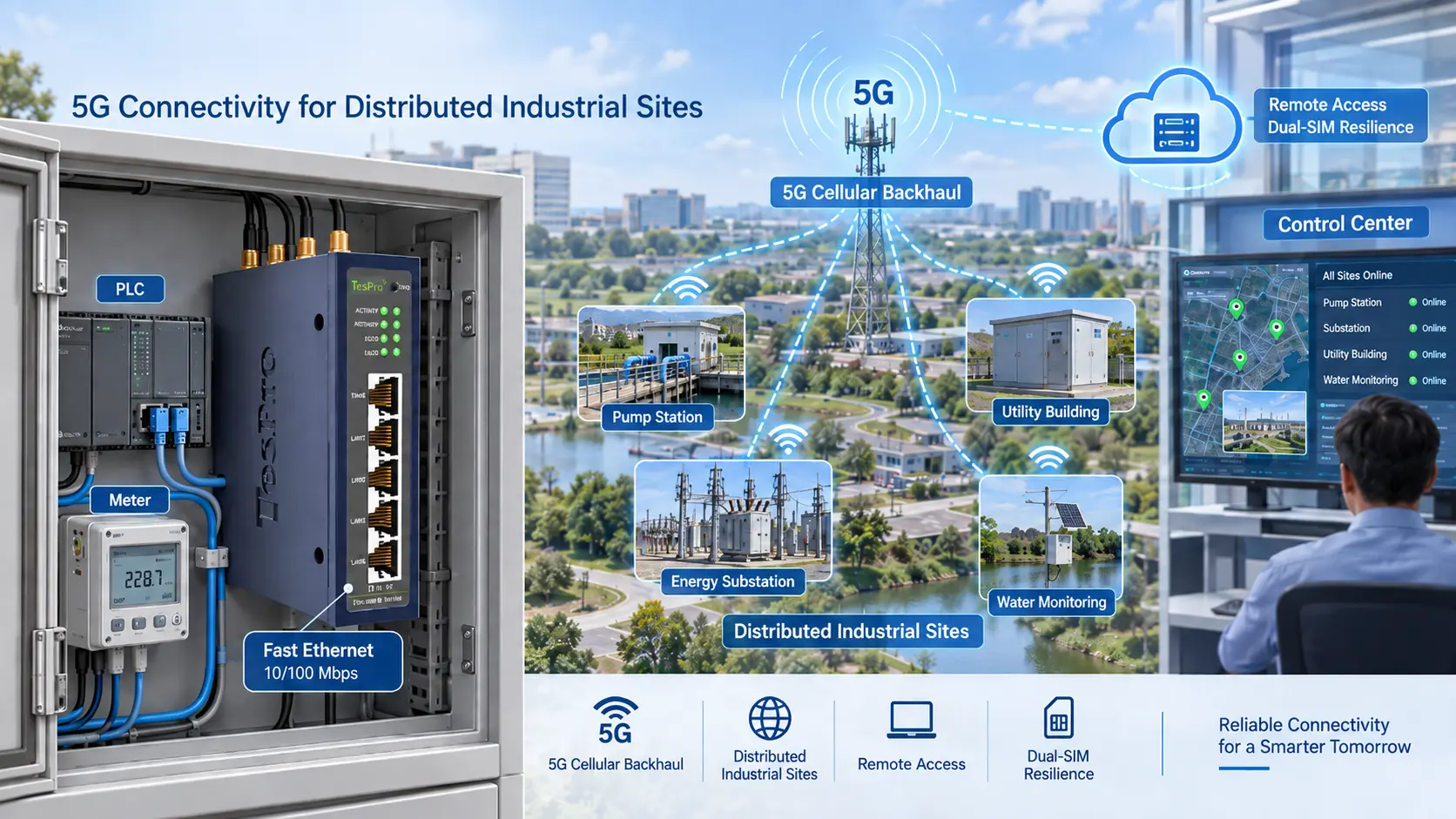
-1791966549842.webp)





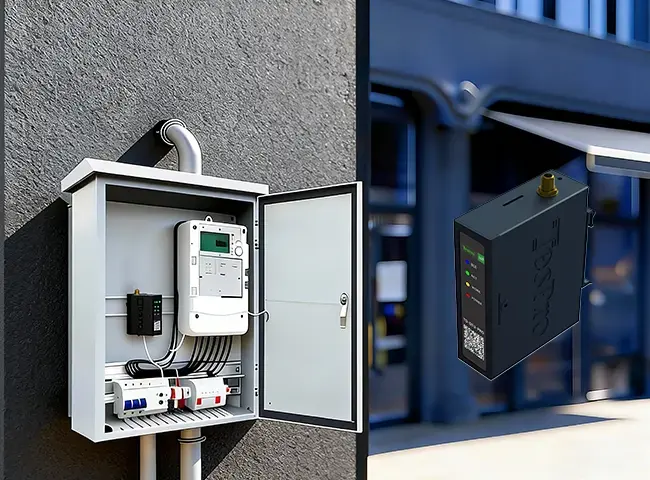

In meter retrofit projects, many buyers face a difficult choice: replace all legacy meters at high cost and with long construction timelines, or continue suffering manual meter reading and data delays. Tespro's DTU devices offer a third path — adding communication terminals to enable remote data collection and transmission without replacing the meters themselves. This retrofit approach lowers capital expenditure, reduces on‑site disruption, and preserves the value of existing meters. For utilities and industrial operators managing large fleets of functional legacy meters, this is often the more realistic and economical upgrade path.
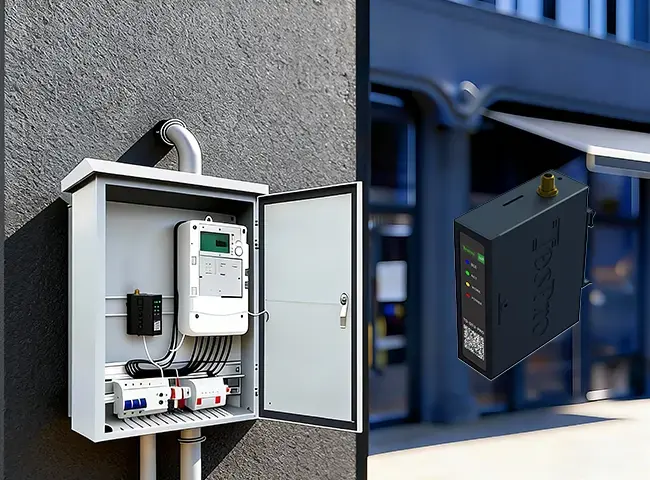
In theory, replacing old meters with brand‑new smart devices sounds clean and future‑ready. In practice, many utilities still manage large numbers of functional legacy meters not yet ready for disposal. The real challenge is not whether the old meter can still measure, but whether it can join a modern communication architecture. That is why retrofit has become a practical strategy. Retrofits reduce upfront financial burden, deploy faster, cause less site disruption, support phased rollout, and retain asset value rather than writing off equipment prematurely.
What is a DTU for machine connectivity?
A DTU is a data transfer unit that helps machines, meters, and field equipment send data to remote platforms. In metering projects, it supports remote reading, data transmission, and network access across different installation environments.
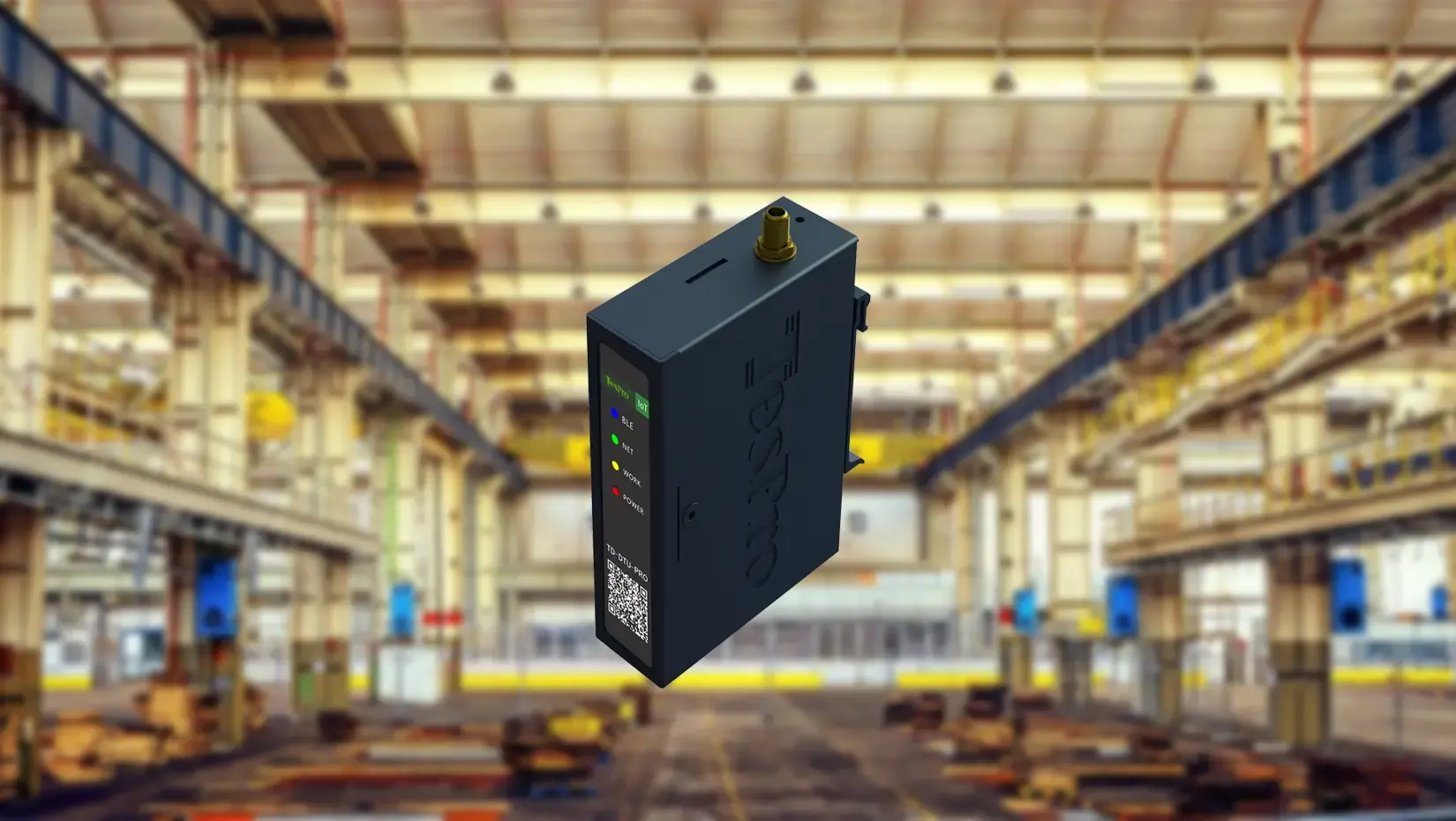
Tespro's DTU supports protocol‑based access for many meter types, including brands such as Landis+Gyr, EDMI, ITRON, ELSTER, and ISKRA, while also accommodating several photoelectric ports and on‑site communication interfaces. One DTU platform can handle mixed‑brand meters, reduce custom development, and make pilot projects easier to replicate across wider service areas. For overseas buyers, this is exactly what they need to modernize legacy sites without adding project complexity.