-1791966549842.webp)





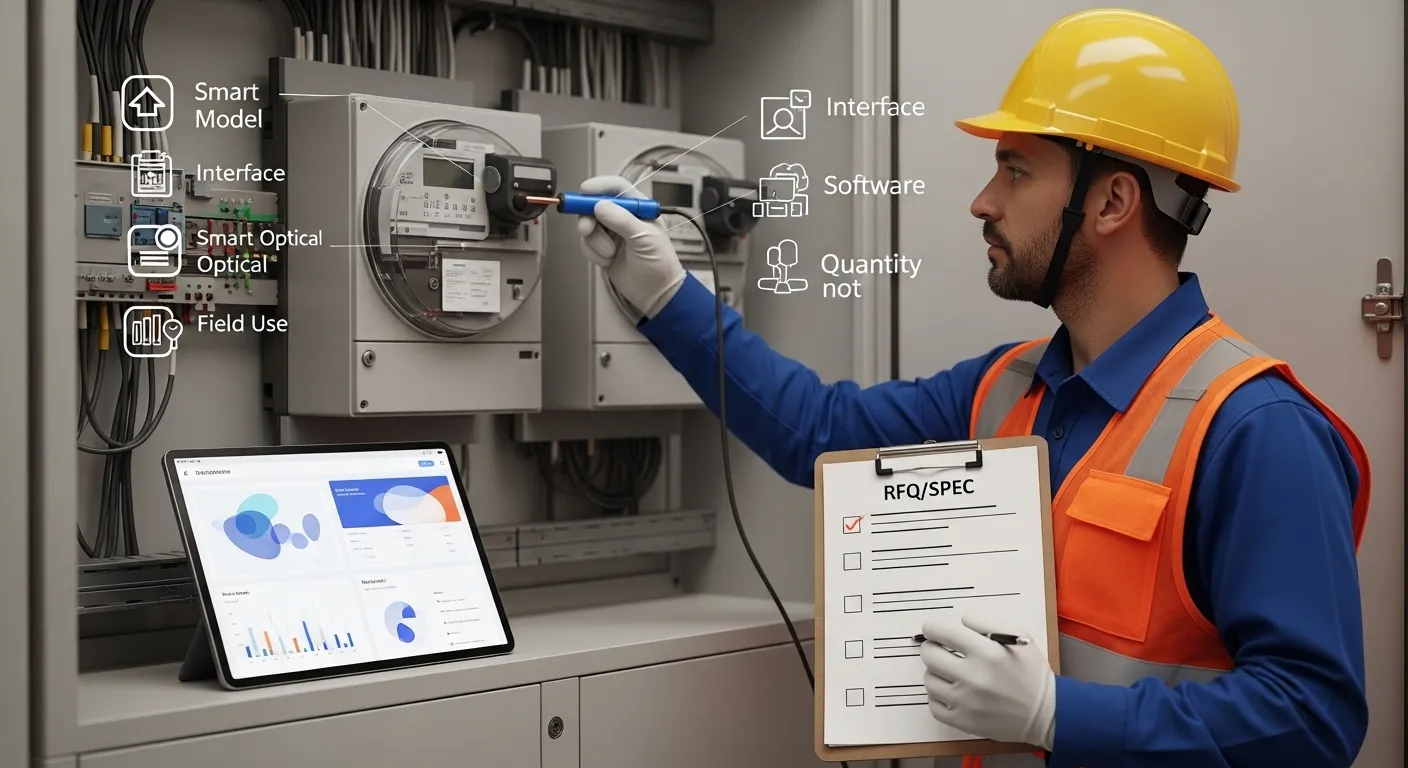

Tespro provides smart meter optical probe solutions for utility field teams, meter manufacturers, AMI/AMR project teams, system integrators, and meter testing users who need reliable local meter reading, inspection, configuration, or data collection. The right meter optical probe should be selected by matching the meter standard, host device interface, software environment, field or lab workflow, and durability requirements.
For most buyers, the fastest way to choose a probe is to confirm five details first: the meter model, the optical communication standard, the required interface, the reading software, and the operating environment. A USB optical probe may be suitable for laptop or lab use. An RS232 optical probe may be required for legacy serial systems or handheld terminals. A Bluetooth optical probe is often useful when field technicians need cable-free meter reading with mobile devices.
This guide helps buyers compare common optical probe options and prepare clear RFQ details before contacting Tespro for a quote, datasheet, sample, or model recommendation.
How to Choose the Right Smart Meter Optical Probe
A smart meter optical probe is not selected only by connector type. Two probes may look similar, but they may not fit the same meter, software, or field workflow.
Before choosing a model, buyers should confirm:
- Meter brand and model
- Meter optical port type
- Meter standard or protocol requirement
- Host device, such as laptop, handheld terminal, Android device, or lab PC
- Interface requirement, such as USB, RS232, or Bluetooth
- Meter reading or configuration software
- Baud rate or communication setting
- Cable or wireless preference
- Field, factory, lab, or QA use
- Quantity and sample requirements
This approach reduces compatibility risk and helps Tespro recommend the correct probe model for the project.
USB vs RS232 vs Bluetooth Optical Probe
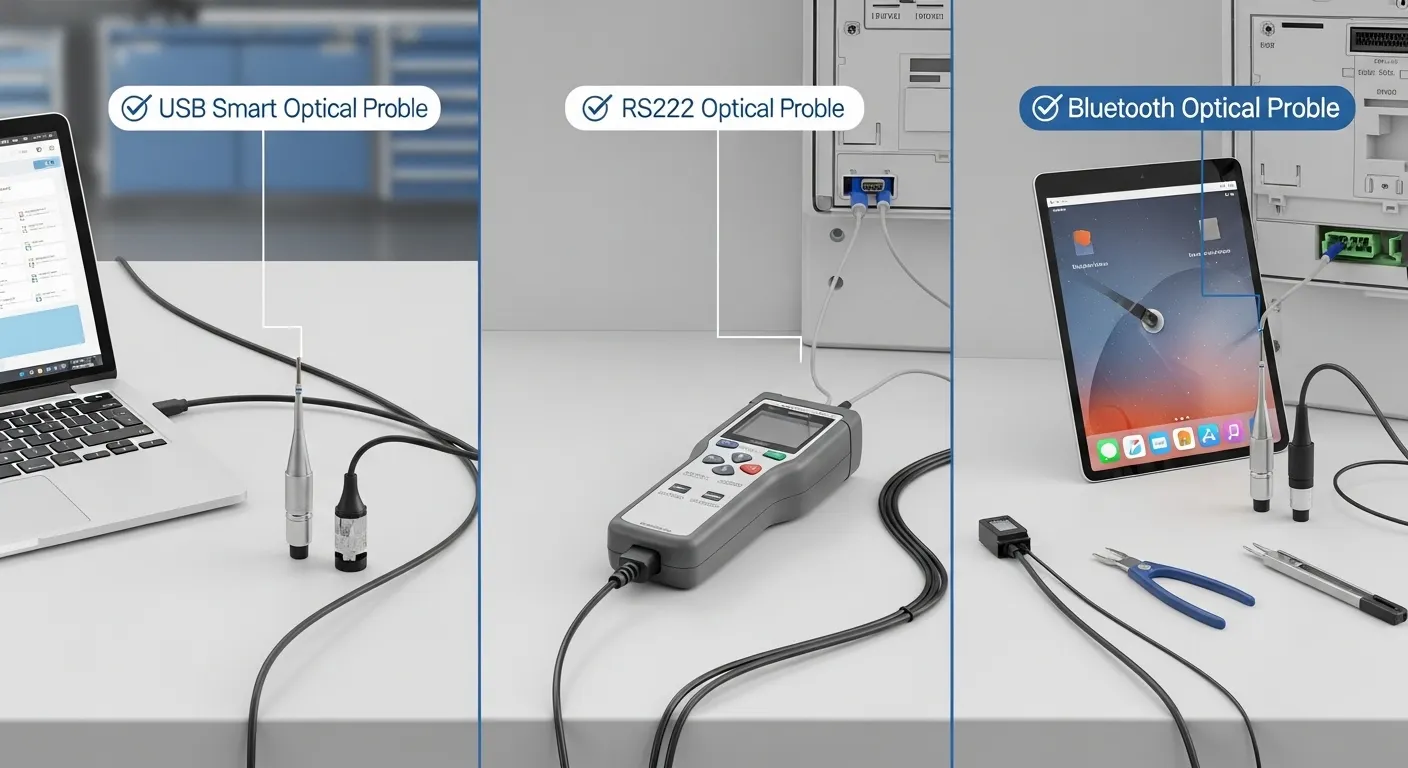
The interface is one of the most important model selection points. It affects software compatibility, driver setup, field workflow, and the type of device used by technicians.
| Probe interface | Best suited for | Main buyer advantage | What to confirm before ordering |
|---|---|---|---|
| USB optical probe | Laptop meter reading, lab PCs, meter configuration, QA testing | Simple connection to computers and common reading tools | USB type, driver support, operating system, baud rate, cable length, meter standard |
| RS232 optical probe | Legacy handhelds, serial test systems, older meter reading equipment | Useful for existing serial workflows and industrial test setups | DB9 or other connector, voltage level, serial settings, host device compatibility |
| Bluetooth optical probe | Utility field teams, mobile technicians, handheld or tablet reading | Cable-free operation and easier movement around meter cabinets | Bluetooth version, mobile OS, app/software support, range, battery, charging method |
For many utility projects, buyers may need more than one interface type. Field teams may prefer Bluetooth for mobile reading, while meter testing labs may prefer USB or RS232 for controlled workstations and existing test systems.
Confirm the Meter Standard Before Choosing the Probe Head
The meter standard should be confirmed before selecting the probe model. A meter optical probe must align with the meter’s optical port and communication method.
Common standards and terms buyers may see include:
- IEC 62056-21
- IEC 1107
- ANSI C12.18
- ANSI Type 2
- DLMS/COSEM
- DL/T-645, where applicable by meter type and market
Buyers should avoid assuming that every optical probe works with every smart meter. Compatibility depends on the meter’s physical optical interface, protocol behavior, baud rate, reading software, and firmware configuration.
For mixed meter fleets, send Tespro a meter list before ordering. This helps identify whether one probe model is suitable or whether different probe types are required for different meters.
Match the Probe to the Host Device
The host device is the computer, handheld, or mobile device that connects to the probe and runs the reading software.
For laptop or desktop meter reading, USB is often the practical choice. It can be suitable for meter configuration, firmware service tasks, lab reading, and controlled testing workflows.
For existing serial equipment, RS232 may still be necessary. Many older handheld terminals, test benches, and meter service tools are built around serial communication. In these cases, changing to USB or Bluetooth may create software or driver issues.
For mobile field teams, Bluetooth can reduce cable handling. It may be useful in meter rooms, cabinets, outdoor sites, or utility routes where technicians need flexible movement. However, Bluetooth selection should consider battery life, range, pairing method, mobile OS support, and application compatibility.
Software and Driver Compatibility Matter
An optical probe is only one part of the meter reading workflow. The probe provides the physical communication path, but the reading result depends on the meter software, driver, protocol setting, and host device.
Before purchasing, buyers should check:
- Does the reading software support the selected interface?
- Does the USB probe require a virtual COM driver?
- Does the software allow the required baud rate?
- Does the Bluetooth probe work with the target mobile OS?
- Does the software support the meter protocol?
- Will technicians need installation support or driver files?
- Does the project require only local reading, or later platform export?
For software-side planning, buyers can also review Tespro’s guide on meter reading software vendor shortlist criteria. It helps teams evaluate how meter reading hardware connects with software, data export, alarms, user roles, and project workflows.
Field Use vs Lab Use
A field optical probe and a lab optical probe may have different priorities. Utility field teams usually need fast attachment, stable reading, durable cable or wireless operation, and simple technician handling. Lab users may care more about repeatability, software compatibility, workstation setup, and connection to testing equipment.
For field use, confirm:
- Strong magnetic attachment
- Stable optical alignment
- Cable durability or Bluetooth reliability
- Operating temperature range
- Technician-friendly handling
- Charging method for wireless models
- LED indicators, if needed
- Compatibility with handheld or mobile devices
For lab or QA use, confirm:
- Interface required by the test system
- Driver compatibility
- Baud rate settings
- Connector type
- Cable length
- Repeatable reading performance
- Compatibility with meter test workflow
The wrong choice can slow down field teams or create avoidable support issues during testing.
How Optical Probes Fit AMR, AMI, and Smart Metering Projects
A smart meter optical probe is mainly used for local meter access. It can support meter reading, configuration, inspection, service, testing, and commissioning tasks.
However, optical probes are not the same as remote communication devices. If a project requires continuous remote meter data collection, automatic transmission, SIM-based communication, cloud connectivity, or site-to-platform integration, buyers may also need DTUs, industrial routers, gateways, or software platforms.
For broader device planning, see Tespro’s smart meter communication devices buyer checklist. For projects where data must move into an MDM or energy platform, review the meter data management system procurement checklist and energy management platform device integration checklist.
This distinction is important. A probe may be correct for local service work, while a gateway or DTU may be required for remote monitoring.
Common Selection Mistakes to Avoid
Many optical probe issues come from incomplete RFQ details, not from the probe category itself.
Common mistakes include:
- Ordering by interface only without confirming meter standard
- Assuming IEC and ANSI probes are interchangeable
- Ignoring software and driver requirements
- Choosing Bluetooth without checking mobile app support
- Choosing USB without checking operating system compatibility
- Using RS232 without confirming connector and serial settings
- Forgetting field conditions such as cable stress or temperature
- Not sending meter model details before quotation
- Assuming one probe will support every meter in a mixed fleet
A better procurement process starts with technical matching. Tespro can help buyers review the meter list, application, interface requirement, and project workflow before selecting the model.
What to Send Tespro for a Probe Quote
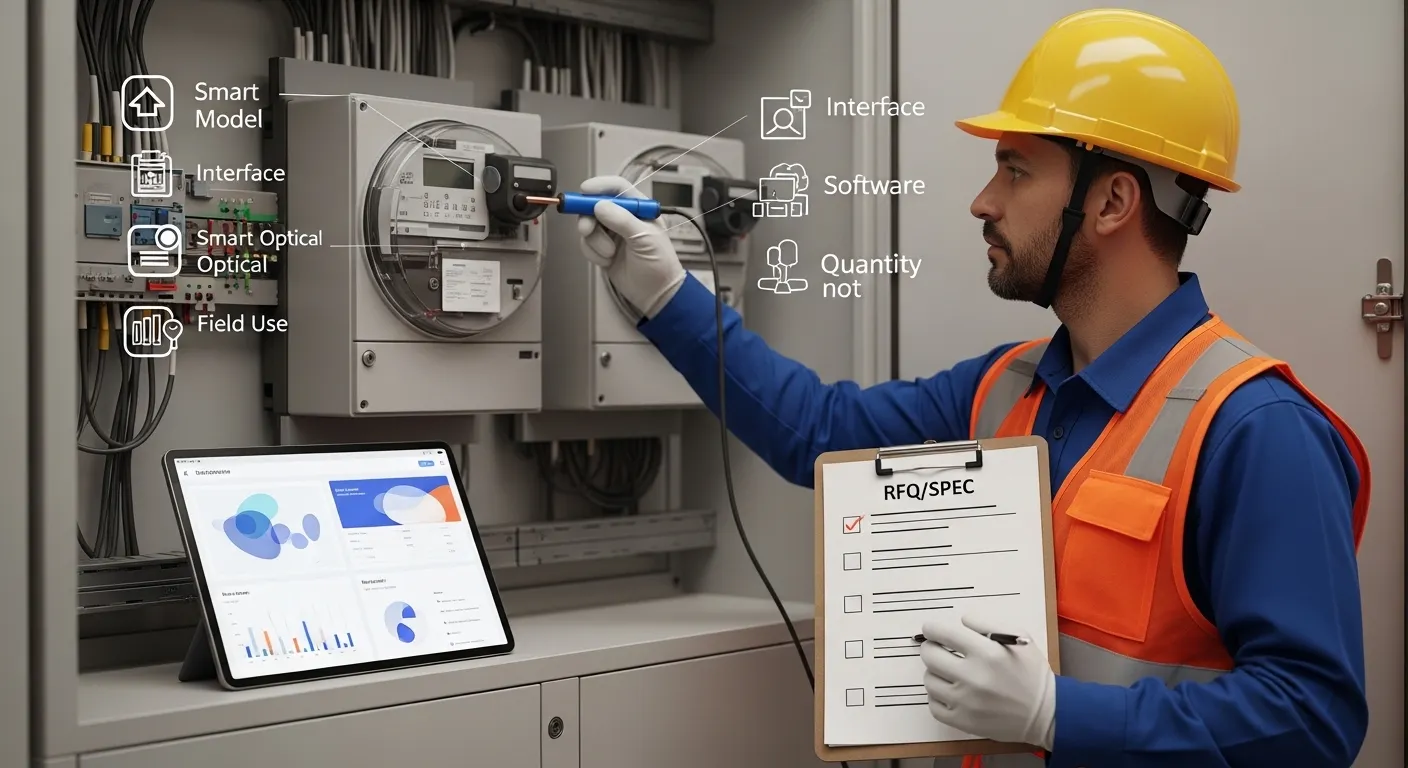
To receive a faster and more accurate recommendation, buyers should send clear RFQ details. The more specific the request, the easier it is to match the right optical probe model.
Include the following information when contacting Tespro:
- Required product type: USB, RS232, Bluetooth, or unsure
- Meter brand and model
- Meter standard or protocol requirement
- Optical port type, if known
- Host device: laptop, handheld, Android device, lab PC, or test equipment
- Operating system and reading software
- Required baud rate or communication settings
- Cable length or wireless preference
- Field, factory, lab, or QA application
- Quantity required
- Sample or datasheet request
- Delivery destination
- Any existing system diagram, meter list, or written specification
If the project is part of an AMI/AMR rollout, include the wider workflow as well. For example, mention whether the probe will support commissioning, meter inspection, service reading, configuration, or lab testing.
Why Work With Tespro for Optical Probe Selection
Tespro supports industrial metering, connectivity, and energy data projects with optical probes, data transmission units, industrial routers, industrial gateways, meter test equipment, calibrators, and software platforms.
For optical probe buyers, this means the discussion can go beyond one connector type. Our team can help review how the probe fits the meter, reading software, technician workflow, and future communication architecture.
This is useful for:
- Utility meter reading teams
- AMI/AMR project teams
- Meter manufacturers
- Meter testing and QA labs
- Industrial IoT integrators
- Smart grid solution providers
- Distributors and OEM/ODM buyers
- Field service and maintenance teams
Instead of selecting a model from interface name alone, buyers can share the real project requirements and ask Tespro for a suitable configuration.
Frequently Asked Questions
Which optical probe should I choose: USB, RS232, or Bluetooth?
Choose USB for laptop or lab workflows, RS232 for legacy serial systems, and Bluetooth for mobile field teams. The best option depends on the meter, host device, reading software, and technician workflow.
Do I need an IEC or ANSI optical probe?
It depends on the meter standard and optical port type. IEC and ANSI meters may require different probe heads or communication behavior. Send the meter model and standard before ordering.
Can one probe work with multiple meter brands?
Sometimes, but not always. Compatibility depends on the meter standard, optical port, baud rate, software, and firmware behavior. For mixed fleets, send a meter list for model recommendation.
Does an optical probe include meter reading software?
An optical probe is hardware for local meter communication. Meter reading depends on compatible software, drivers, protocol support, and host device settings. Confirm software compatibility before purchase.
Is Bluetooth suitable for utility field teams?
Bluetooth can be useful for cable-free field reading. Buyers should confirm range, battery, charging method, mobile OS support, app compatibility, and technician workflow before choosing a Bluetooth model.
When should I choose a DTU or gateway instead?
Choose a DTU or gateway when the project needs remote data transmission, continuous monitoring, cloud connection, or platform integration. Optical probes are mainly for local meter access and service tasks.
Request a Smart Meter Optical Probe Quote From Tespro
Share your meter model, standard, required interface, host device, software environment, quantity, and application details with Tespro. Our team can help recommend a suitable smart meter optical probe model and provide quotation, datasheet, sample, or OEM/ODM support based on your project requirements.