-1791966549842.webp)





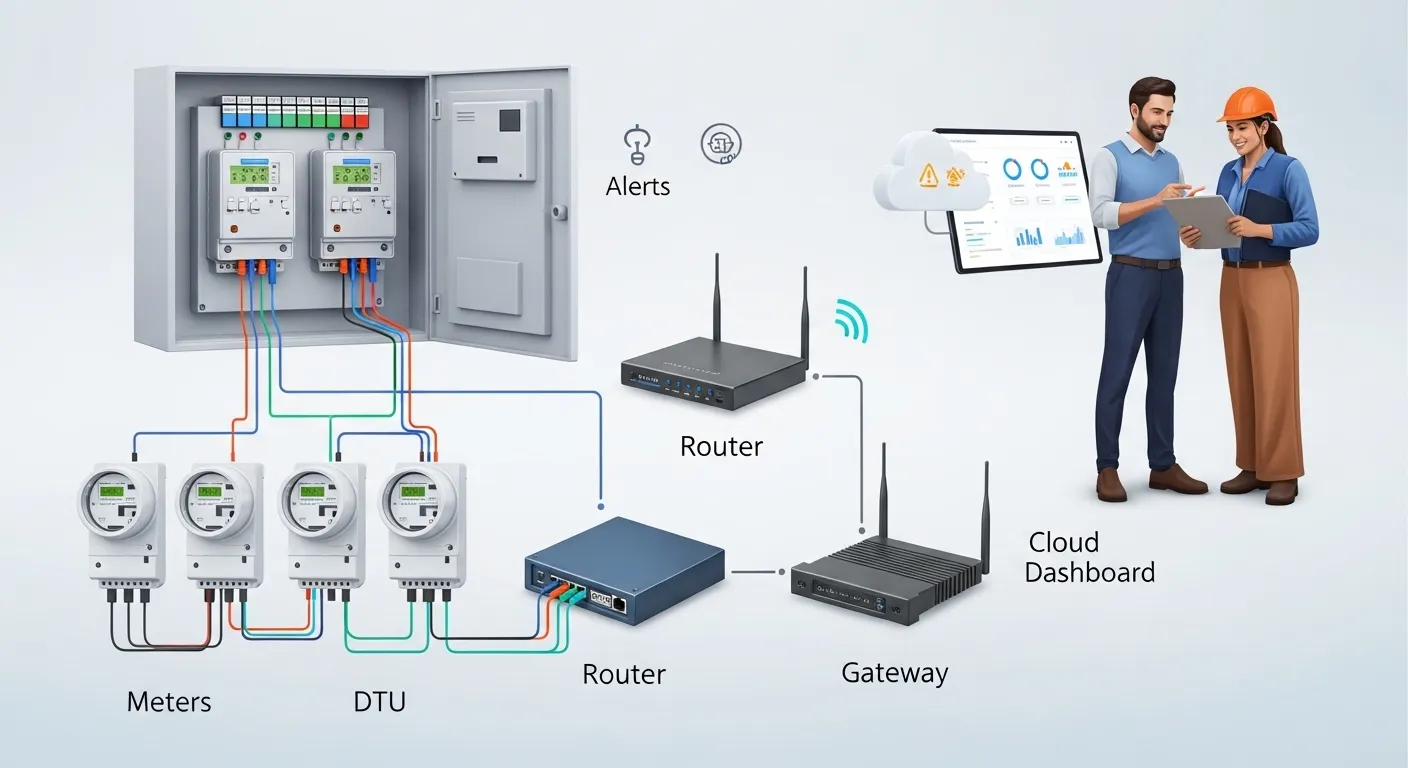

Tespro provides industrial metering, connectivity, and energy data solutions for buyers planning an energy management platform or smart energy management system. For facility managers, utilities, AMI/AMR teams, industrial IoT integrators, and procurement teams, the key question is not only which dashboard looks good. The real question is whether meters, DTUs, industrial routers, gateways, cloud software, alarms, and export workflows can work together in the field.
A reliable platform starts with clean field data. Before choosing software or requesting a quote, buyers should confirm meter type, communication interface, protocol, network path, site conditions, data frequency, user roles, API/export needs, and security requirements. This checklist helps project teams prepare the right technical details before selecting devices, shortlisting vendors, or contacting Tespro for device-to-platform deployment support.
Start with the Device-to-Platform Data Flow
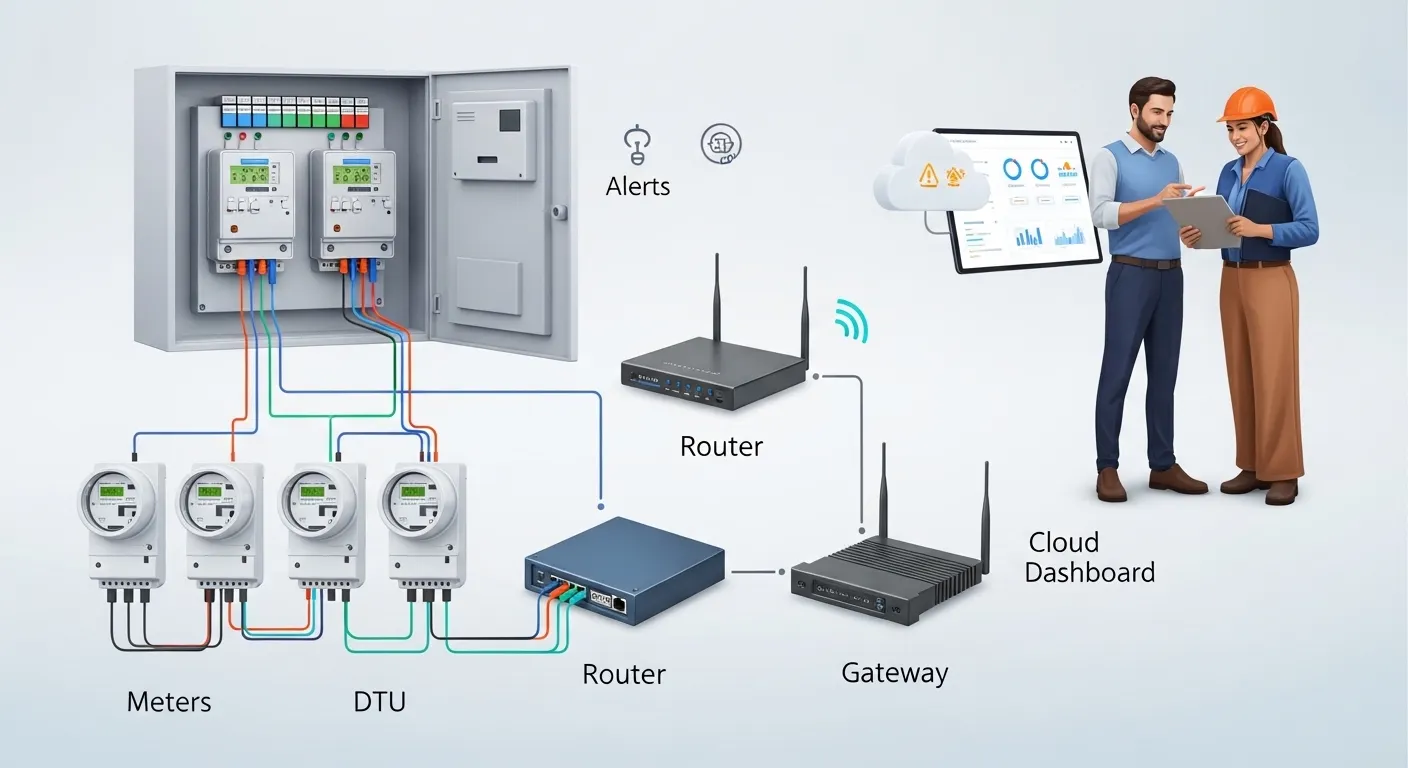
An energy platform does not collect useful data by itself. It needs a planned data path from field devices to software.
A typical project may include:
- Smart meters or utility meters
- Submeters for floors, circuits, tenants, or equipment
- Optical probes for meter reading, testing, or commissioning workflows
- DTUs for remote data transmission
- Industrial routers for cellular, VPN, and network access
- Industrial gateways for protocol conversion and cloud integration
- Cloud or on-premise dashboards
- Alarm, report, API, and export modules
The buyer should map this flow before comparing platforms. If the meter interface, protocol, or network route is unclear, the platform selection may look correct on paper but fail during deployment.
For AMR and utility-style projects, buyers can also review Tespro’s AMR meter reading system project checklist to connect platform planning with meter reading workflow requirements.
What Should Connect to the Energy Management Platform?
The first step is to list every device or data source that must feed the platform. This may include electricity meters, water meters, gas meters, CT meters, power meters, sensors, PLCs, or existing monitoring equipment.
For each device, confirm:
- Meter or device model
- Quantity and site count
- Data parameters needed
- Reading interval
- Available communication port
- Protocol or standard
- Register map or data format if available
- Existing software or SCADA connection
- Whether the device is already installed or planned for purchase
This stage is important because a platform for one building is different from a platform for a utility rollout, factory automation project, or multi-site energy monitoring system. The platform structure should match the buyer’s real operating layout: site, building, floor, circuit, asset, meter group, or customer account.
Energy Management Platform Compatibility Checklist
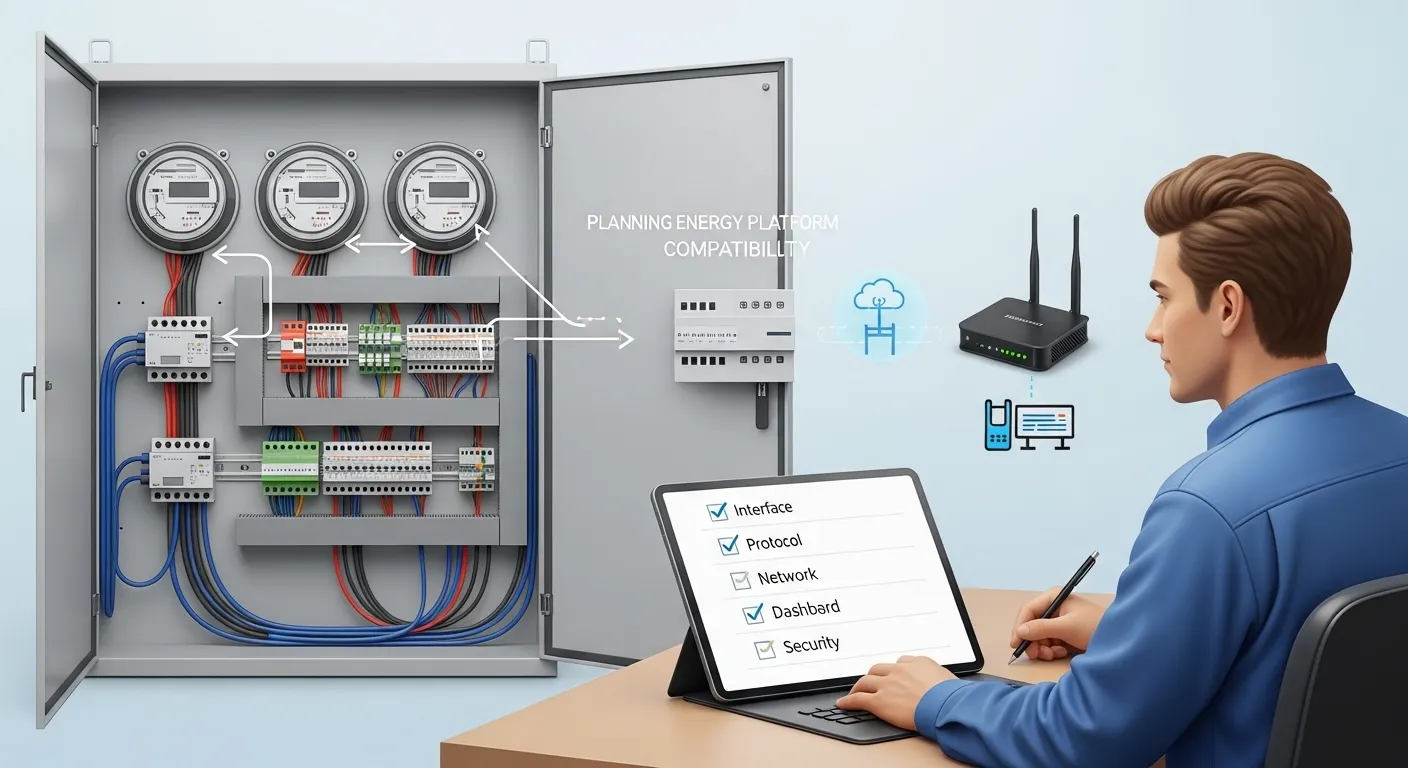
Use this checklist before asking for a datasheet, demo, or quotation. It helps both engineering and procurement teams compare device compatibility instead of only comparing software screenshots.
| Integration layer | What buyers should confirm | Why it matters for selection |
|---|---|---|
| Meter or field device | Meter type, model, quantity, measured parameters | Defines data source and platform scope |
| Interface | RS485, RS232, Ethernet, optical, wireless, or other port | Determines the required communication device |
| Protocol | Modbus RTU/TCP, MQTT, REST API, DLMS/COSEM, IEC 62056, BACnet, or project-specific protocol | Prevents mismatch between meters, gateways, and software |
| Communication device | DTU, industrial router, industrial gateway, or direct connection | Controls how field data reaches the platform |
| Network | Cellular, LAN, WiFi, private network, or hybrid path | Affects uptime, remote access, and deployment cost |
| Software workflow | Dashboard, alarms, user roles, reports, billing export, API | Ensures collected data becomes usable |
| Site conditions | Cabinet space, power supply, signal strength, enclosure, environment | Affects device selection and installation planning |
| Security | VPN, static IP, APN, firewall rules, user access, remote management | Protects remote monitoring and operational data |
| RFQ documents | Site diagram, meter list, protocol notes, platform needs | Helps Tespro review requirements faster |
This table should be used early in the project, before the buyer locks the software vendor or purchases field hardware.
Which Protocols and Interfaces Should Buyers Confirm?
Protocol and interface details are often the hidden reason energy management projects become delayed. A meter may support one protocol, while the platform expects another data format. A gateway may be needed to convert, map, or forward the data.
Common details to confirm include:
- RS485 or RS232 serial communication
- Ethernet or TCP/IP connection
- Optical probe reading requirements
- Modbus RTU or Modbus TCP
- MQTT for cloud data publishing
- REST API or HTTP data transfer
- DLMS/COSEM or IEC 62056 for metering workflows where relevant
- BACnet, IEC104, or SCADA/BMS-related protocols when required
- Data format, register map, and timestamp requirements
Do not assume that “smart meter compatible” means the full system is ready. Compatibility should be checked at the meter, communication device, software, and export level.
For communication device planning, Tespro’s smart meter communication devices buyer checklist can help buyers compare field connectivity options.
Do You Need a DTU, Router, or Gateway?
Many projects need more than software. The correct communication device depends on how the meter data must travel.
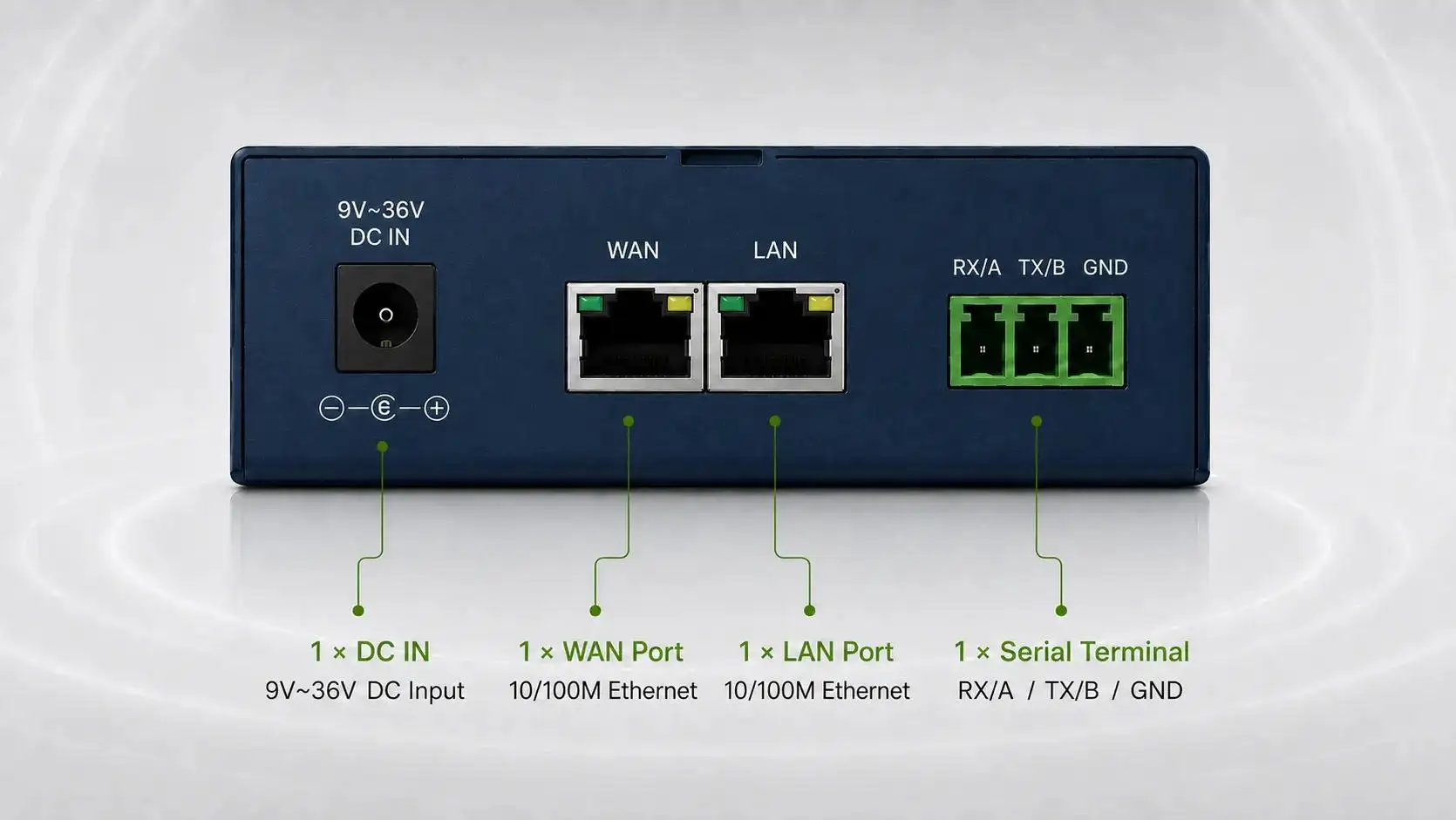
A DTU may fit when the project needs remote serial data transmission from meters or field equipment. Buyers should confirm serial port type, cellular network, SIM/APN settings, transparent transmission needs, and power conditions.
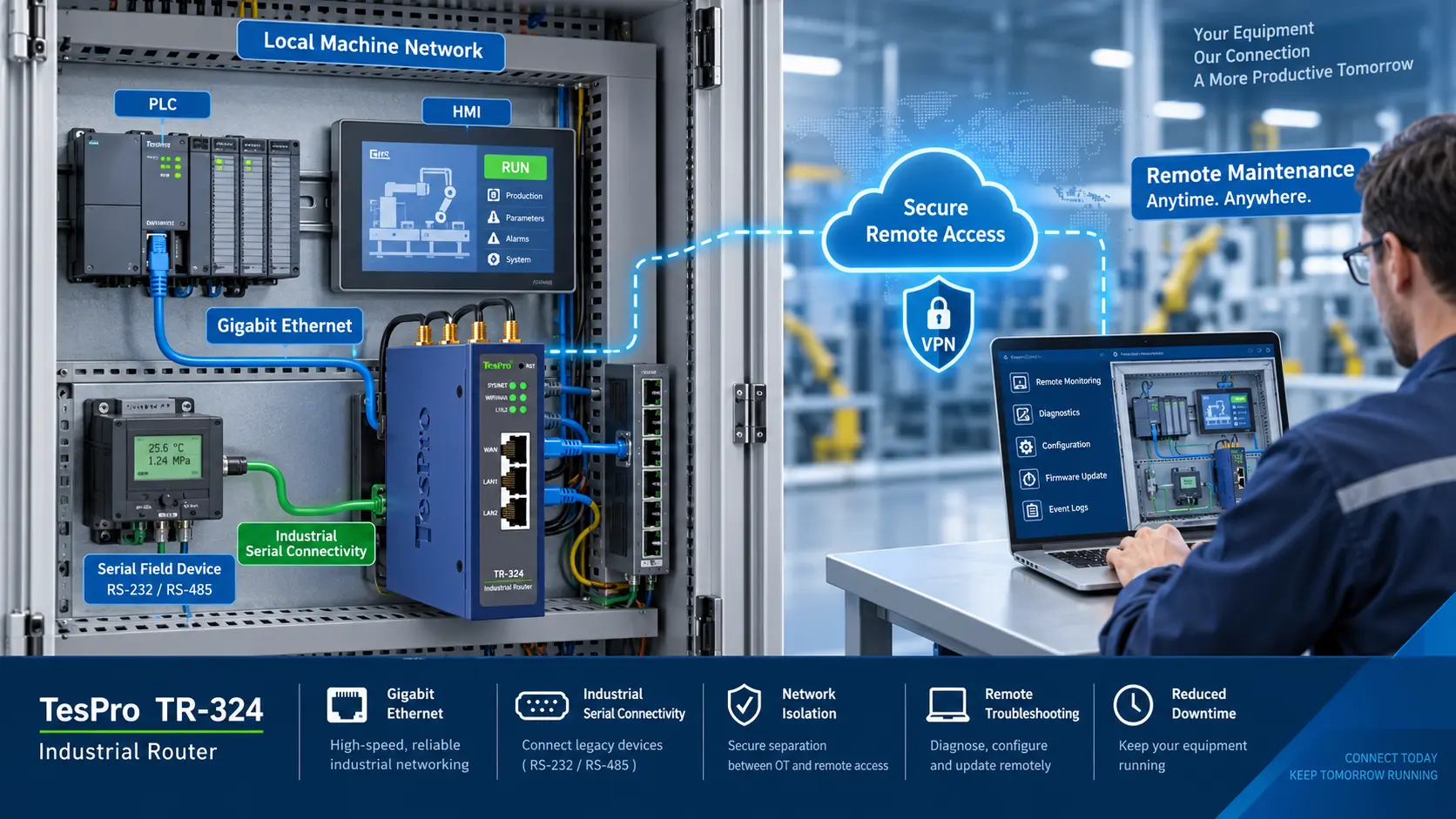
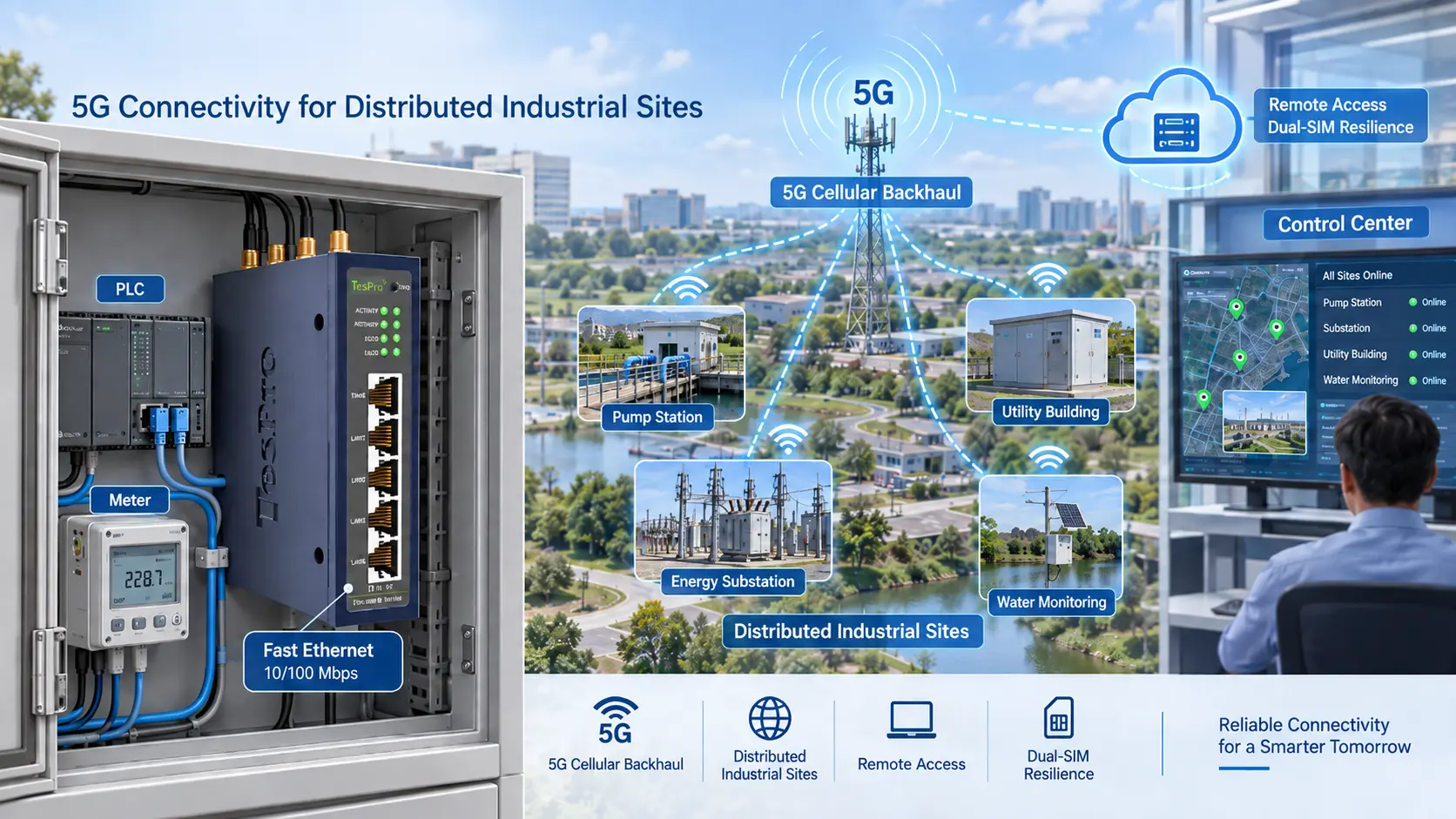
An industrial router may fit when the site needs stable network access, VPN, static IP, dual SIM, failover, remote access, or secure connection between field equipment and a cloud or control center.
An industrial gateway may fit when the project needs protocol conversion, local data processing, Modbus-to-cloud mapping, MQTT publishing, REST API connection, buffering, or integration with a platform.
The wrong choice can create extra cost or integration risk. For example, a router may provide network access but not protocol conversion. A DTU may transmit data but may not structure it for a cloud dashboard. A gateway may be useful when the platform requires formatted data, local logic, or multiple device connections.
Software Features to Check Before Shortlisting Vendors
A smart energy management system should be evaluated beyond dashboard appearance. The software must support the workflow that the buyer actually needs.
Important platform features to confirm include:
- Real-time and historical dashboards
- Site, building, floor, circuit, or asset hierarchy
- Voltage, current, power, energy, demand, and power factor views where required
- Alarm thresholds and notification workflow
- User roles and permission levels
- Report scheduling
- Data validation and exception handling
- API, CSV, or database export
- Billing export or meter data management workflow
- Remote configuration needs
- Cloud, on-premise, or hybrid deployment preference
- Cybersecurity and access control requirements
If the buyer is comparing meter reading software options, Tespro’s meter reading software vendor shortlist criteria can support the software evaluation stage. For projects involving validation, governance, or downstream billing workflows, review the meter data management system procurement checklist.
Deployment Details That Affect Device Selection
Field conditions should be checked before final quotation. A platform that works in a test environment may fail at a remote utility site, factory cabinet, basement meter room, or outdoor installation if deployment details are missed.
Confirm these site conditions:
- Power supply availability
- Cabinet space and installation method
- DIN rail or panel mounting needs
- Antenna position and cellular signal strength
- SIM card, APN, VPN, or static IP requirements
- Local LAN or private network restrictions
- Distance between meters and communication devices
- Indoor, outdoor, high-temperature, or high-humidity conditions
- Maintenance access for technicians
- Cybersecurity rules from the buyer’s IT or OT team
- Need for remote firmware or configuration support
These details affect whether the buyer should choose a simple communication device, a rugged industrial router, a gateway, or a more complete device-to-platform architecture.
Common Integration Risks to Avoid
A procurement team may receive several platform proposals, but not all proposals solve the field integration problem. Before approval, check for these risks:
- The platform supports dashboards, but the meter protocol is not confirmed.
- The meter has RS485, but the site lacks the correct DTU or gateway.
- The router supports cellular access, but APN/VPN/static IP requirements are missing.
- The gateway can collect data, but the platform needs a different API format.
- Alarm thresholds are not planned before deployment.
- The dashboard hierarchy does not match the buyer’s site structure.
- Billing, MDM, ERP, BMS, or SCADA export requirements are not defined.
- Cybersecurity and remote access rules are discussed too late.
The safest approach is to plan the hardware, communication layer, and software workflow together.
What to Include in an RFQ for Tespro
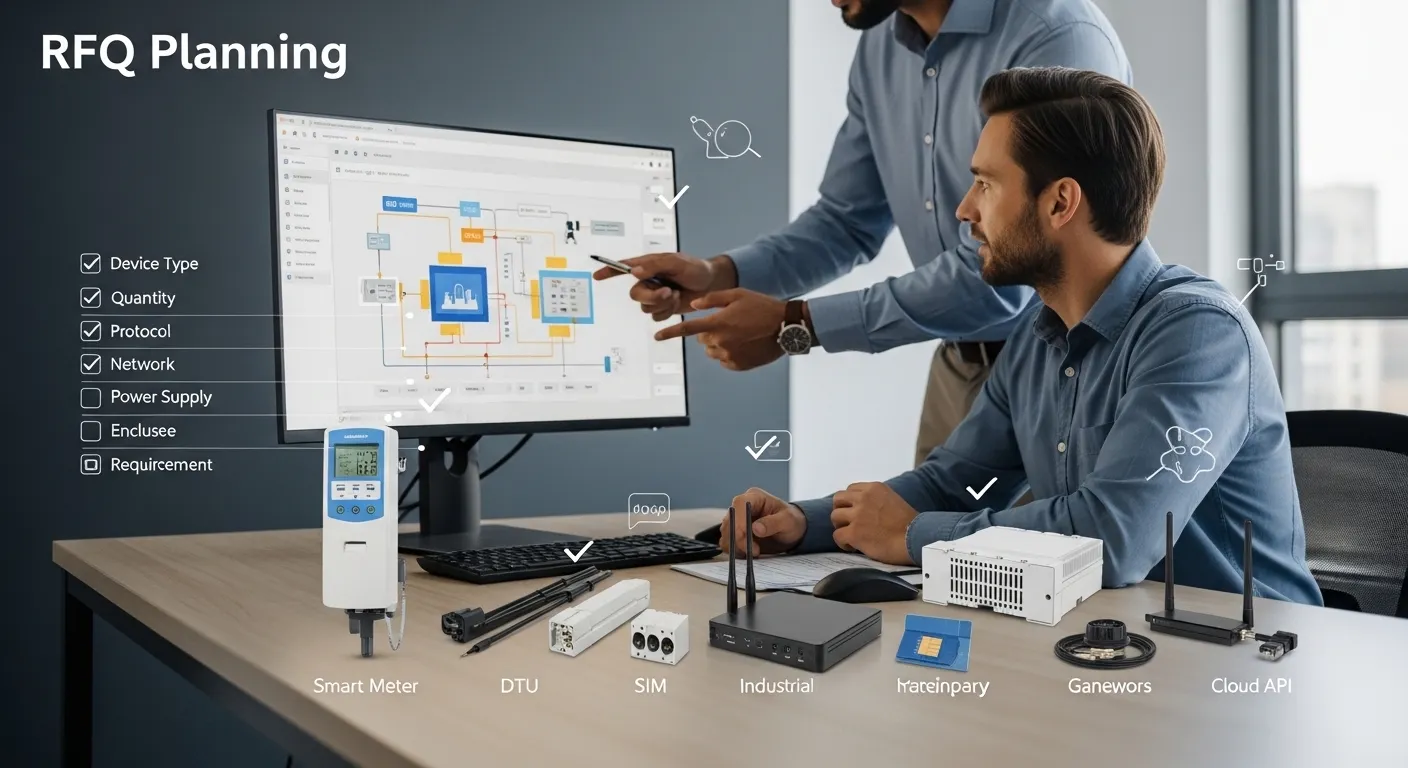
To help Tespro review the project and recommend suitable device categories, prepare a clear RFQ package. It does not need to be perfect, but it should include the main technical inputs.
Send details such as:
- Project type: facility, utility, factory, smart grid, AMR/AMI, remote monitoring, or OEM/ODM
- Meter or device type
- Meter/device model if available
- Quantity and number of sites
- Required data parameters
- Reading interval or data upload frequency
- Interface or port requirements
- Protocol or standard
- Network type: cellular, LAN, WiFi, private network, or hybrid
- SIM, APN, VPN, or static IP requirements
- Need for DTU, industrial router, gateway, or software platform
- Cloud, API, export, dashboard, alarm, or report requirements
- Power supply and installation environment
- Enclosure or cabinet constraints
- Security and remote management needs
- Datasheet, sample, demo, or consultation request
- Delivery destination
- Site drawings, system diagrams, or written specifications if available
This information helps reduce back-and-forth and makes quotation discussions more technical and accurate.
How Tespro Supports Device-to-Platform Planning
Tespro supports industrial metering, smart meter communication, data transmission, industrial routing, gateway, and software platform projects. For buyers planning an energy management platform, our team can help review the device layer, communication path, and integration requirements before procurement.
The goal is to help buyers avoid mismatched hardware and unclear software requirements. A facility manager may need a practical energy dashboard and alarms. A utility may need AMR/AMI data collection. An integrator may need gateways, routers, and platform export. A procurement manager may need a quote-ready technical checklist.
By sharing meter, protocol, network, and platform requirements early, buyers can select a more suitable device combination and prepare a stronger RFQ.
Frequently Asked Questions
Can an energy management platform work with existing meters?
Yes, if the meter interface, protocol, data map, and communication path are compatible. Buyers should confirm meter model, port type, protocol, register details, and whether a DTU, router, or gateway is needed.
Which protocols should buyers check first?
Common checks include Modbus RTU/TCP, MQTT, REST API, DLMS/COSEM, IEC 62056, BACnet, and project-specific protocols. The right protocol depends on the meter, gateway, platform, and downstream software workflow.
Is a gateway always required?
No. Some projects may use a DTU or router only. A gateway becomes more important when the project needs protocol conversion, cloud data formatting, local processing, buffering, or multiple device connections.
What software features matter most?
Buyers should check dashboards, alarms, user roles, reports, API/export, data validation, billing export, and cloud or on-premise deployment. These features decide whether the platform can support daily operations.
What site details affect quotation?
Signal strength, power supply, cabinet space, installation method, network policy, SIM/APN/VPN/static IP needs, environment, and maintenance access can all affect device selection and project cost.
What should I send before requesting a quote?
Send meter models, quantity, project type, protocols, interfaces, network requirements, platform/API needs, alarm/report expectations, site conditions, drawings, delivery destination, and whether you need a datasheet, sample, demo, or consultation.
Request Device-to-Platform Support from Tespro
Share your energy management platform requirements with Tespro to review the right metering, DTU, router, gateway, and software workflow for your project. Include the device type, quantity, meter model, protocol, interface, network type, SIM/APN/VPN/static IP needs, cloud or API requirements, power supply, operating environment, installation constraints, security needs, datasheet/sample/demo request, delivery destination, and any site diagram or written specification.