-1791966549842.webp)






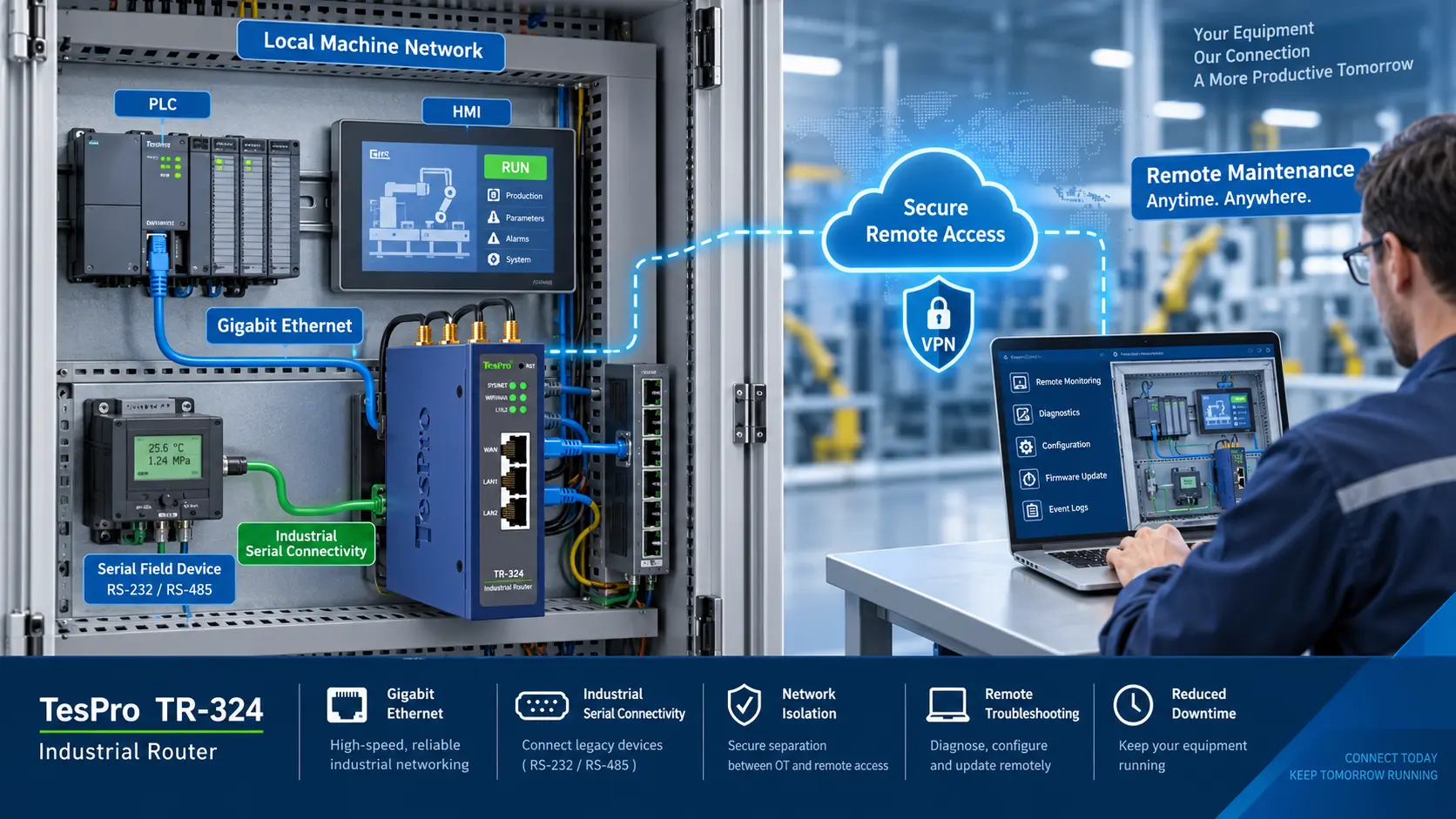
Today’s industrial gateway solutions are far more than simple data pipes. Recent technological advances allow them to integrate multiple powerful features into a rugged, field-ready form factor. Four technologies, in particular, define a modern industrial gateway.
1) Multi-Protocol Support
Industrial environments are a patchwork of protocols: Modbus RTU/TCP, PROFINET, EtherCAT, BACnet, DNP3, OPC UA, and MQTT. A good gateway includes OT-side stacks to talk to PLCs and sensors, and IT-side stacks to connect to cloud services. Its value lies in seamless protocol translation – for example, converting PROFINET to MQTT in real time.
2) Edge Computing and Local Analytics
Modern gateways process data at the edge, sending only meaningful information to the cloud. Edge filtering – transmitting only values that exceed a defined threshold – can reduce data volume by up to 90% in telemetry use cases. More advanced gateways can trigger local alerts or control actions without cloud involvement, improving response times.
3) Cellular Connectivity for Distributed Assets
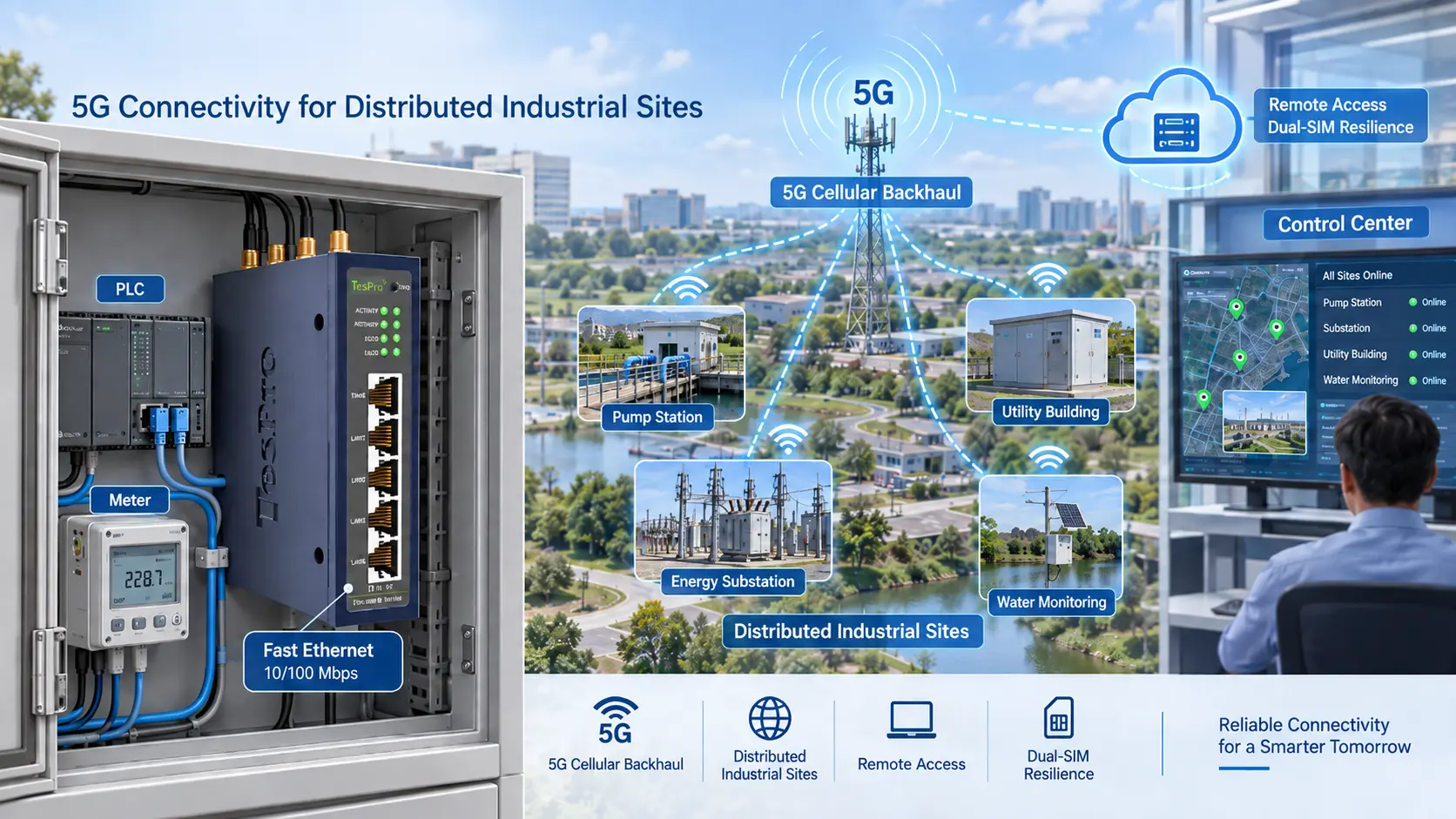
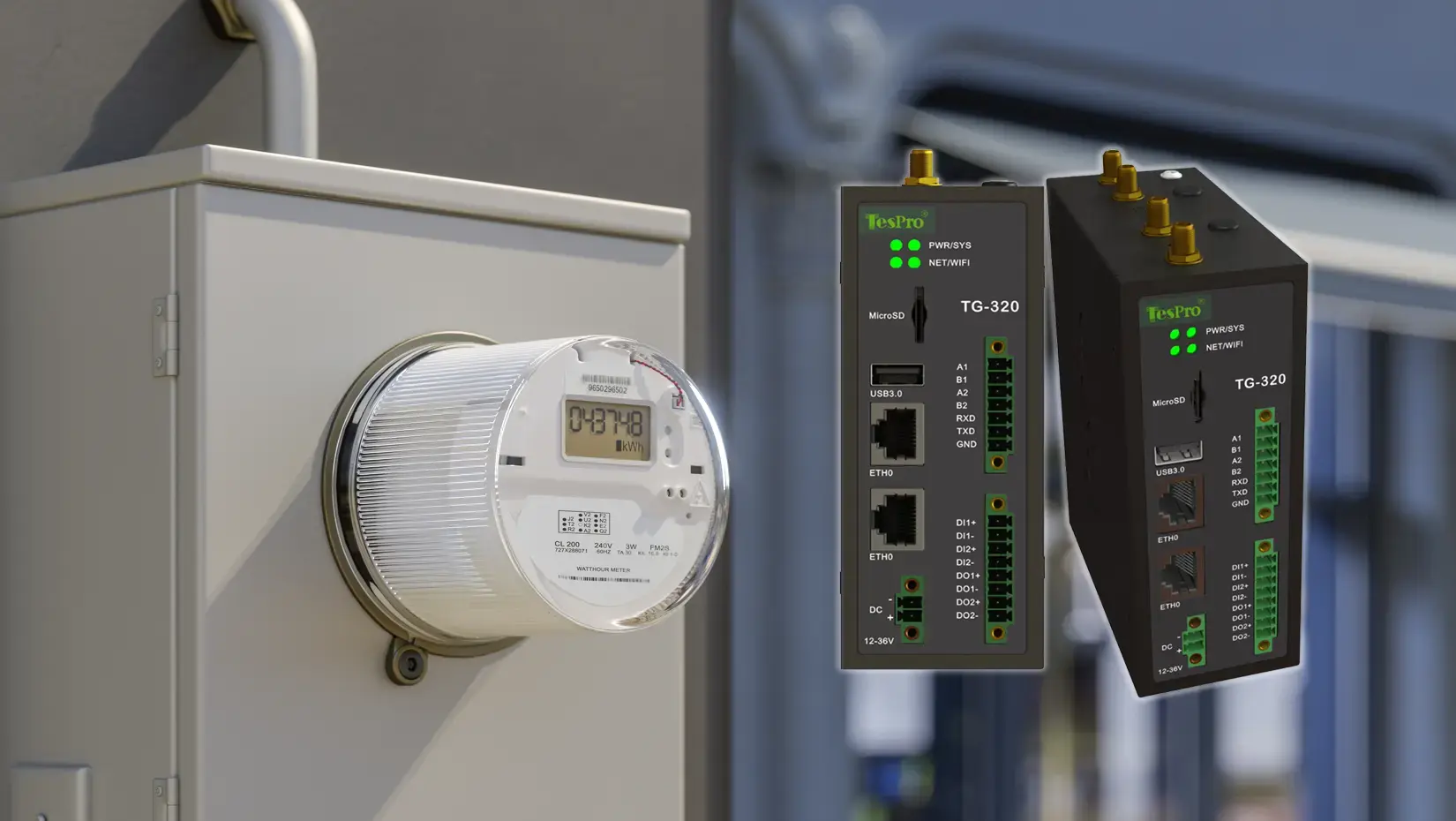
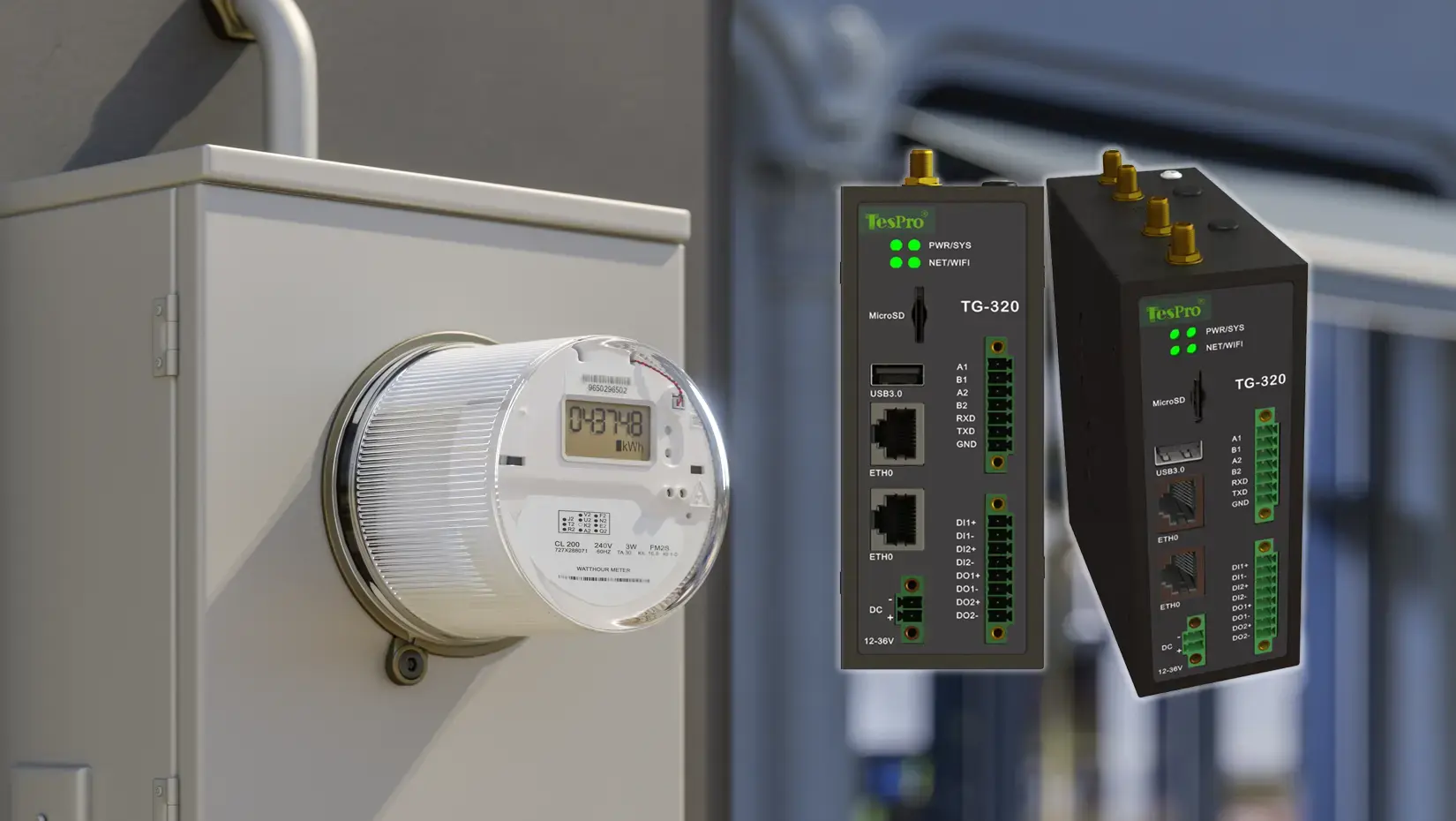
For remote assets like utility meters or pumping stations, cellular is often the most practical connectivity option. Industrial gateways with embedded 4G LTE (and increasingly 5G) provide wide-area coverage without fixed-line infrastructure. Features such as dual SIM standby and automatic failover between cellular, Ethernet, and Wi-Fi significantly improve reliability.
4) Cybersecurity Features
As industrial networks become more interconnected, security has moved to center stage. An industrial gateway solution includes hardware encryption, firewall rules, access control lists, and VPN support (IPsec/OpenVPN). Advanced solutions also feature network segmentation and deep packet inspection (DPI) to isolate critical control networks from external threats. Many gateways now support Zero Trust architectures, where every component authenticates and encrypts its data.
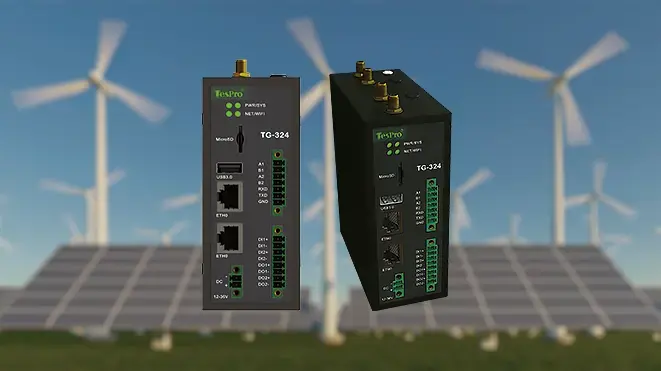
- We have a solar farm in the desert of the Middle East. Can an industrial gateway withstand extreme heat and dust?
A: Yes. Industrial gateways are built with rugged enclosures rated for -40°C to +75°C, with protection against dust and vibration. They are widely used in renewable energy sites across Saudi Arabia, UAE, and Oman. For extreme environments, choose a model with conformal coating and wide temperature components. - How much can edge filtering really reduce our cloud data costs in Europe?
A: In many telemetry applications (e.g., monitoring tank levels or temperature), sending only change-of-value data can cut transmission volume by 80-90%. This directly reduces cellular data costs and cloud storage fees. Tespro’s gateways allow you to set custom thresholds per data point.
Multi-protocol conversion, edge computing, cellular failover, and built-in cybersecurity are no longer optional – they are baseline requirements for any industrial gateway deployed in 2026. Tespro’s gateway portfolio integrates all four technologies into a single, rugged device. For a detailed technology comparison or to request a pilot unit with 5G readiness, contact Tespro’s engineering team today.