-1791966549842.webp)







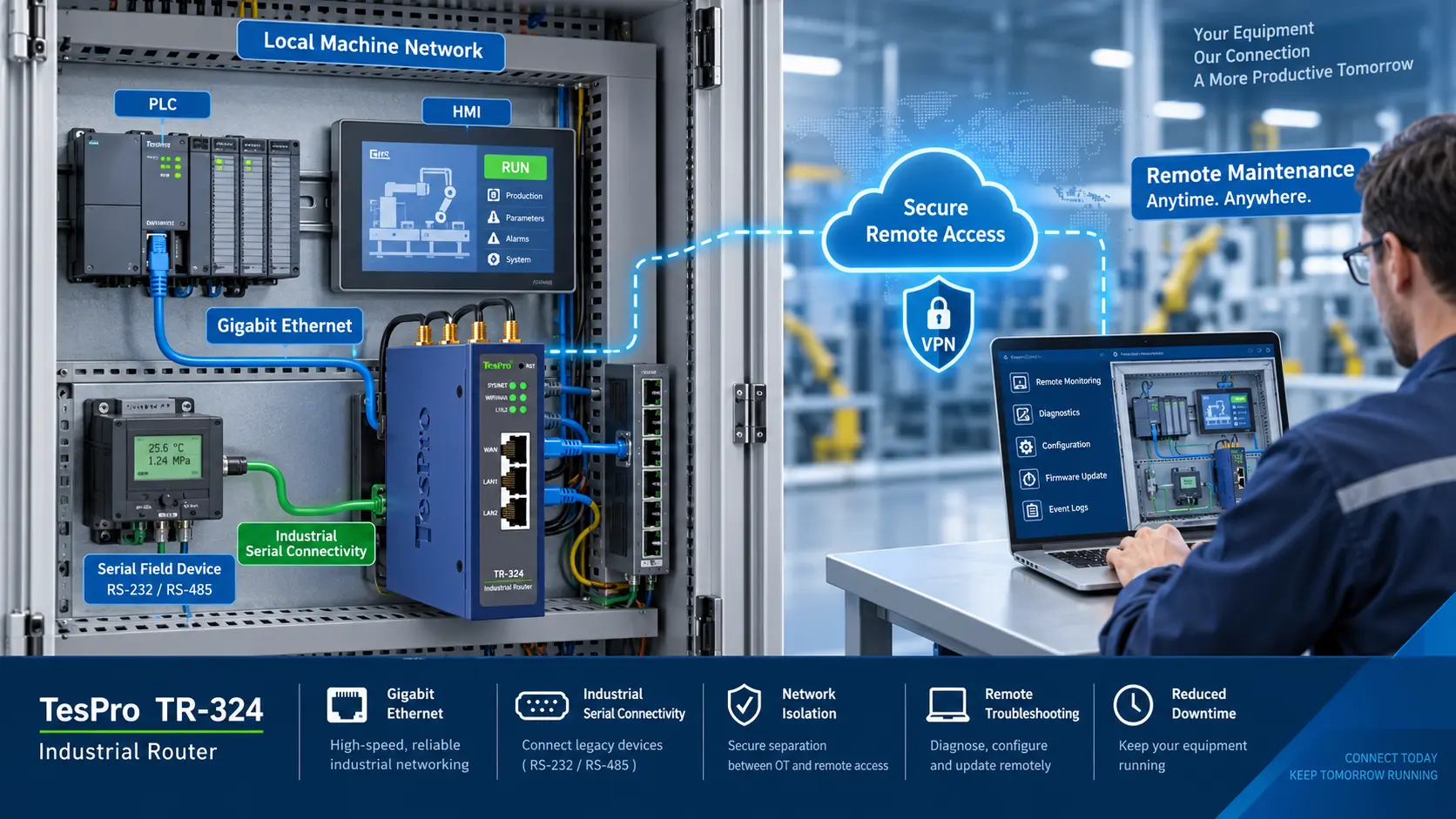
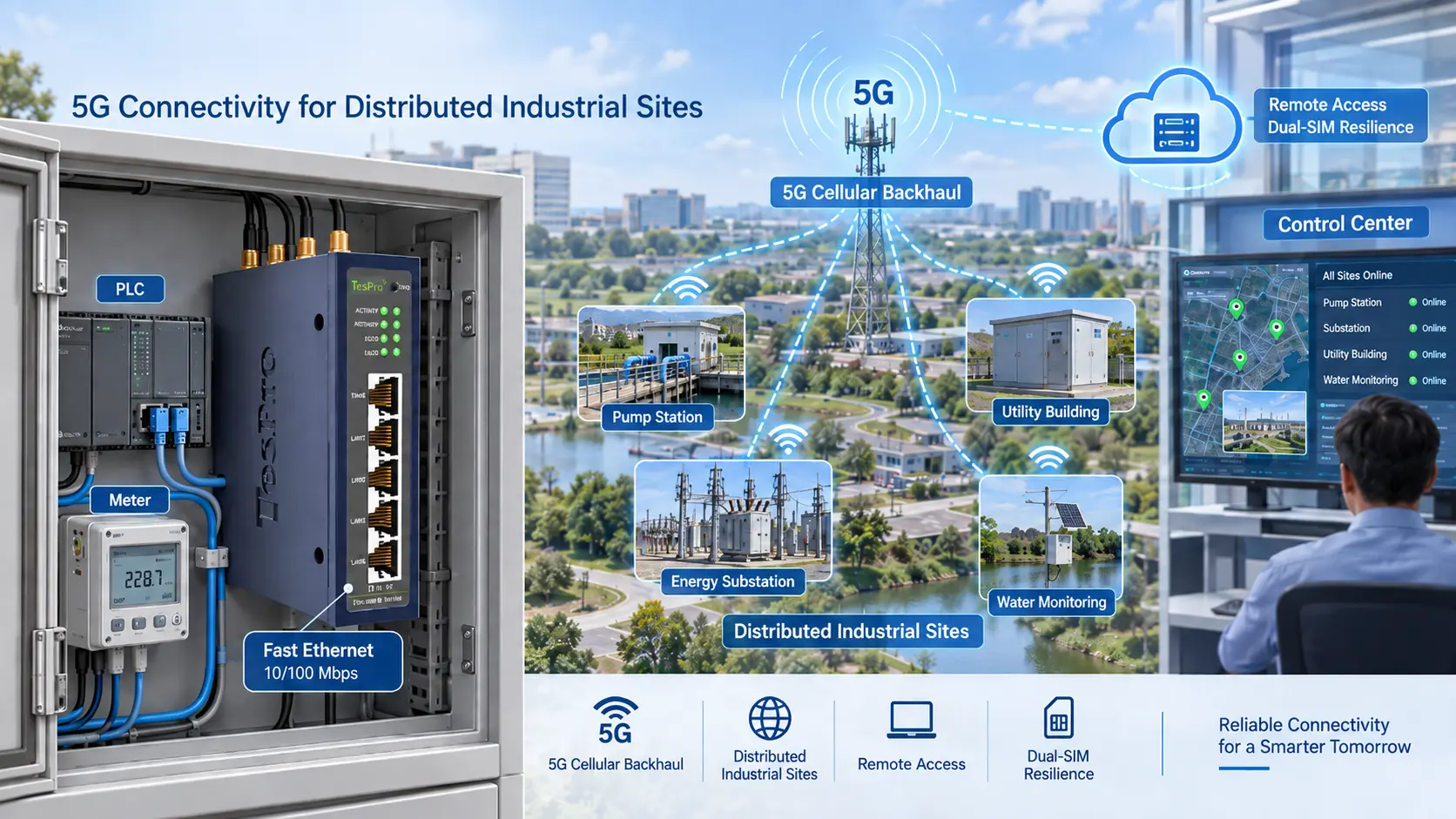
Wireless Data Collection System is the foundation of how utilities and industrial sites will move data in 2026. At Tespro, we build the bridge between meters in the field and decision makers in the control room. Our approach is simple: collect data in real time, transmit it securely, and manage everything remotely. In this article, we explain how 4G Cat-1 with 2G fallback, GPS/GNSS, NFC, and optional Ethernet come together to create a reliable Wireless Data Collection System you can deploy at scale.
Wireless Data Collection System Basics
What is a Wireless Data Collection System
A Wireless Data Collection System is a field-ready solution that gathers meter and sensor data and sends it to the cloud in real time. It uses flexible connectivity - typically 4G Cat-1 with 2G fallback and multi-network global SIMs - and can add optional Ethernet where a local LAN is available. Built-in GPS/GNSS provides location and time-stamping for audits and asset tracking, while NFC enables quick, tap-to-configure setup without opening enclosures.
Crafted for unreliable-power environments, the unit runs on a high-capacity internal battery, making off-grid deployments simple. It is broadly compatible with utility assets - water, electricity, gas, and heat meters - and supports optical ports for non-intrusive reads. The result is faster deployment, lower maintenance, and trustworthy data streams for billing, analytics, and operational decision-making.
Why It Matters in 2026
Digital operations need trusted field data. Utilities cannot afford gaps, delays, or site visits for every change. A modern Wireless Data Collection System solves these issues. It sends meter and sensor data to the cloud in real time. It works even at sites without power. It is rugged and safe in harsh environments. It also reduces manual work. Your teams spend less time driving, and more time improving service.
At Tespro, we focus on outcomes. Faster deployments. Lower maintenance. Fewer truck rolls. Better visibility. Higher safety. These are the reasons customers standardize on our platform.
4G Cat-1 With 2G Fallback for Reliable Uplink
Connectivity is the core of any Wireless Data Collection System. Tespro uses a 4G Cat-1 module for primary uplink. Cat-1 is proven and widely available. It supports typical downlink rates up to 10 Mbps and uplink up to 5 Mbps, which is more than enough for meter data and control commands. Where 4G coverage is weak or missing, 2G fallback keeps the link alive in markets where 2G remains available. This means your data keeps flowing.
Global projects need flexible network choices. Our solution supports multi-network global SIM options. The device can register on different operators, so you can balance coverage, cost, and compliance across regions. If your site has a LAN already, optional Ethernet adds a second path, or a simple failover strategy.
Key Advantages:
✓ Primary 4G Cat-1 for stable, efficient data links
✓ 2G fallback for legacy coverage, where available
✓ Multi-network global SIM options for cross-border projects
✓ Optional Ethernet for fixed-network sites or redundancy
GPS/GNSS and NFC for Location and Simple Setup
Position matters in field operations. Built-in GPS/GNSS provides global, multi-constellation positioning. It helps you verify installation locations, tag assets, and time-stamp events. It also supports audits and anti-tamper workflows. You always know where a device is and when it reported.
NFC makes local commissioning fast and safe. NFC operates at 13.56 MHz and works at a short range of a few centimeters. Technicians can tap a phone to configure parameters, pair the device, or retrieve diagnostics without opening enclosures or exposing ports. This reduces errors, speeds up installs, and protects seals in harsh sites.
Practical Benefits:
✓ GNSS for site verification, asset mapping, and time sync
✓ NFC tap-to-configure for quick, sealed, no-tools setup
Optional Ethernet and Remote Management in the Cloud
A Wireless Data Collection System must be manageable at scale. Tespro enables full remote management. You can push configuration changes to thousands of devices. You can update firmware over the air. You can set alerts for signal quality, battery status, and meter exceptions. You can also manage security settings from a central console.
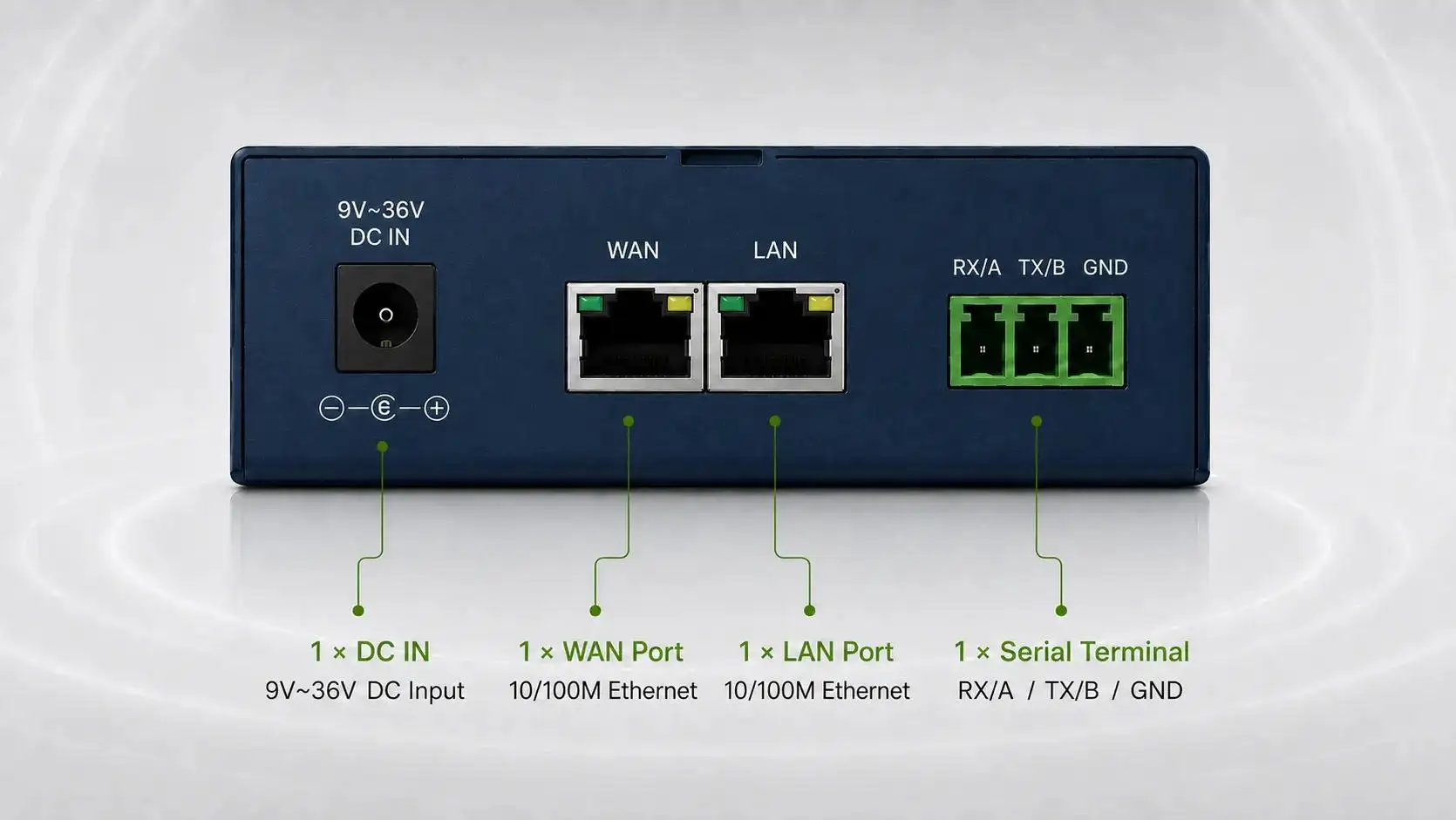
Optional Ethernet is useful at substations, plants, and dense urban sites. It provides a low-latency link when available and a fall-back to cellular when not. Data flows to your cloud or data center through standard, secure protocols. You get clean, time-aligned streams for analytics, billing, and operational dashboards.
This approach improves safety. Fewer site visits mean less exposure to traffic, weather, and confined spaces. It also improves efficiency. Teams act on insights, not guesses.
Built-In Battery and Rugged Design for Harsh Sites
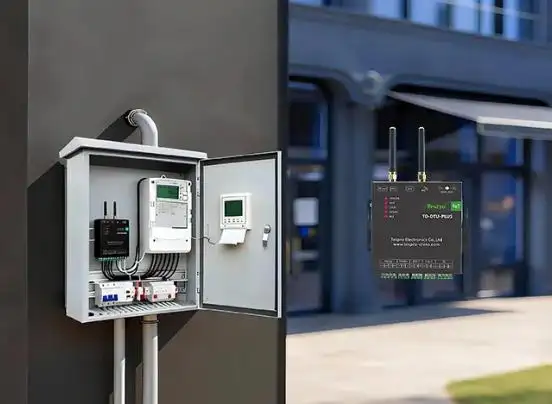
Many meters and sensors sit where power is not. Our device includes a high-capacity battery, so it does not need an external supply. You can deploy in basements, vaults, kiosks, or rural areas without running new lines. The unit manages its power profile to extend service life and maintain data integrity.
The enclosure is built for the field. It resists dust, moisture, and vibration. Connectors and seals support operation in harsh environments. The device recovers gracefully after outages. It resumes data collection and transmission as soon as the link is back. This makes operations predictable even under stress.
What You Gain:
✓ Off-grid deployment with no external power
✓ Fewer installation materials and permits
✓ Reliable operation in challenging conditions
Broad Meter Compatibility and Optical Port Support
Utilities need one platform for many assets. Tespro's Wireless Data Collection System works with water, electricity, gas, and heat meters. It supports a wide range of protocols used across these domains. It also supports optical ports in addition to common electrical interfaces. This means you can plug and play without extra development. Field teams carry fewer adapters. Projects move faster.
More than meter reads, it supports remote control wherever allowed and safe. Sensors provide environmental context to watch enclosures, catch leaks, and keep tabs on temperatures near sensitive assets, resulting in richer, more usable data.
Why Teams Standardize on Tespro:
✓ Plug-and-play with major utility meter protocols
✓ Optical port compatibility for quick, non-intrusive reads
✓ Remote commands and environmental sensing where supported
✓ Scalable from pilots to nationwide rollouts
Getting Started: Make Your Next Rollout Simpler
In 2026, the winning Wireless Data Collection System is the one that is easy to deploy, easy to manage, and hard to break. Tespro brings flexible connectivity (4G with 2G fallback, multi-network global SIM, optional Ethernet), precise GPS/GNSS, secure NFC commissioning, a high-capacity internal battery, and rugged reliability. The result is real-time data to the cloud, higher operational safety, and lower total cost.
Call to Action:
✓ Talk to a Tespro specialist about your coverage map and SIM strategy
✓ Request a 15-minute demo to see remote management in action
✓ Send us a sample meter list to validate protocol and optical port support
Ready to modernize field data the practical way? Contact Tespro today and build a Wireless Data Collection System that works everywhere your meters do.