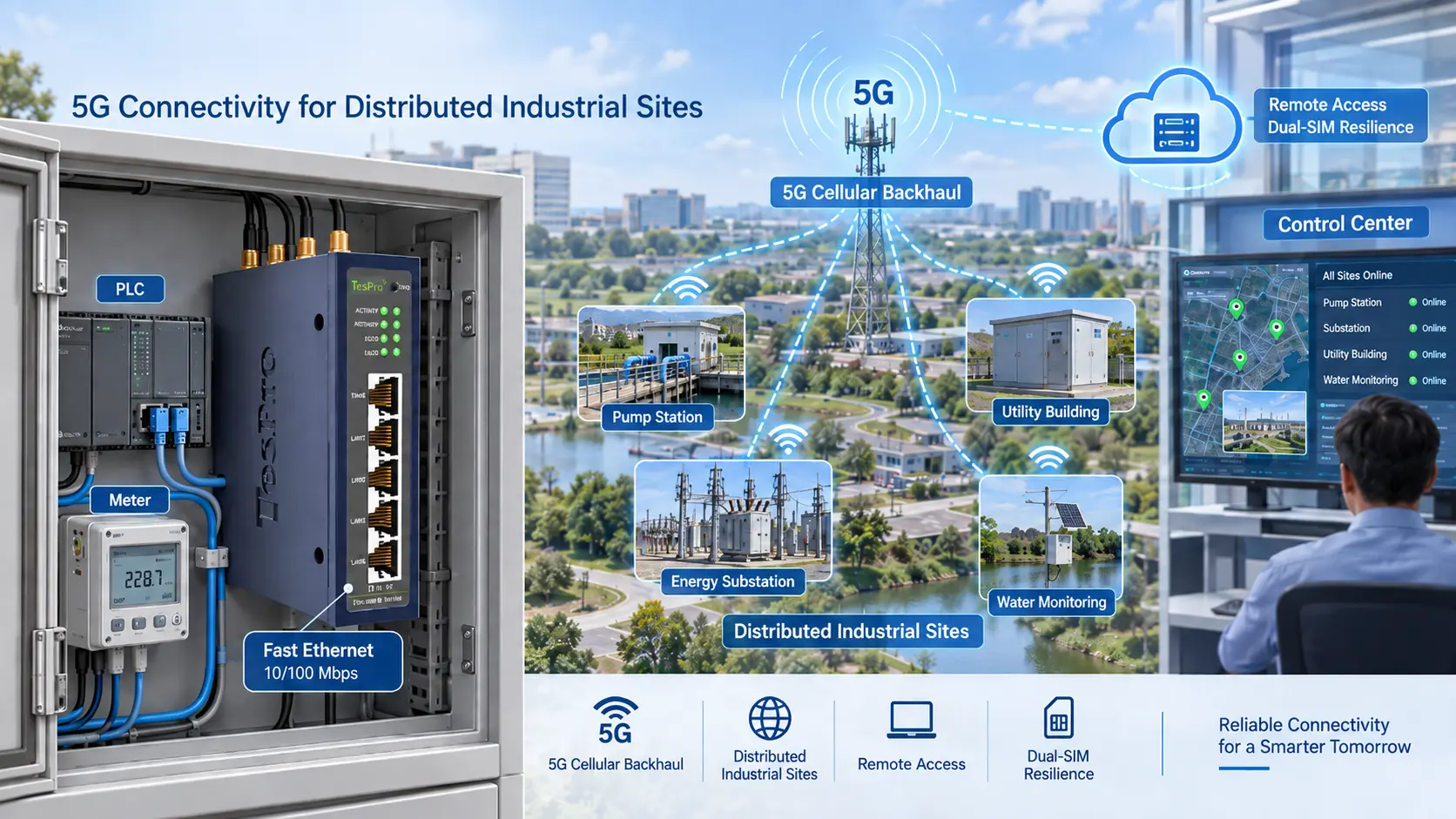
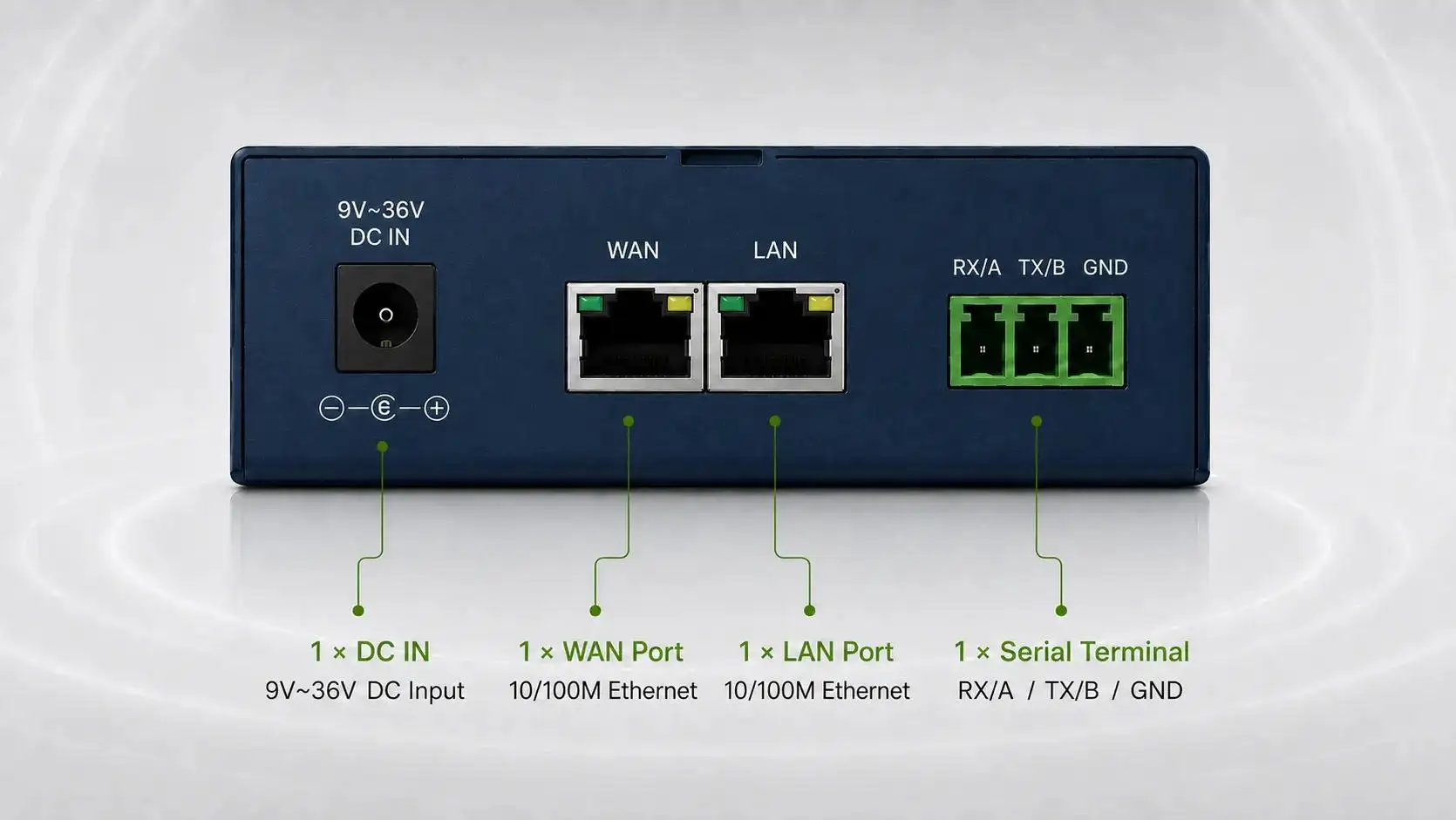
-1791966549842.webp)





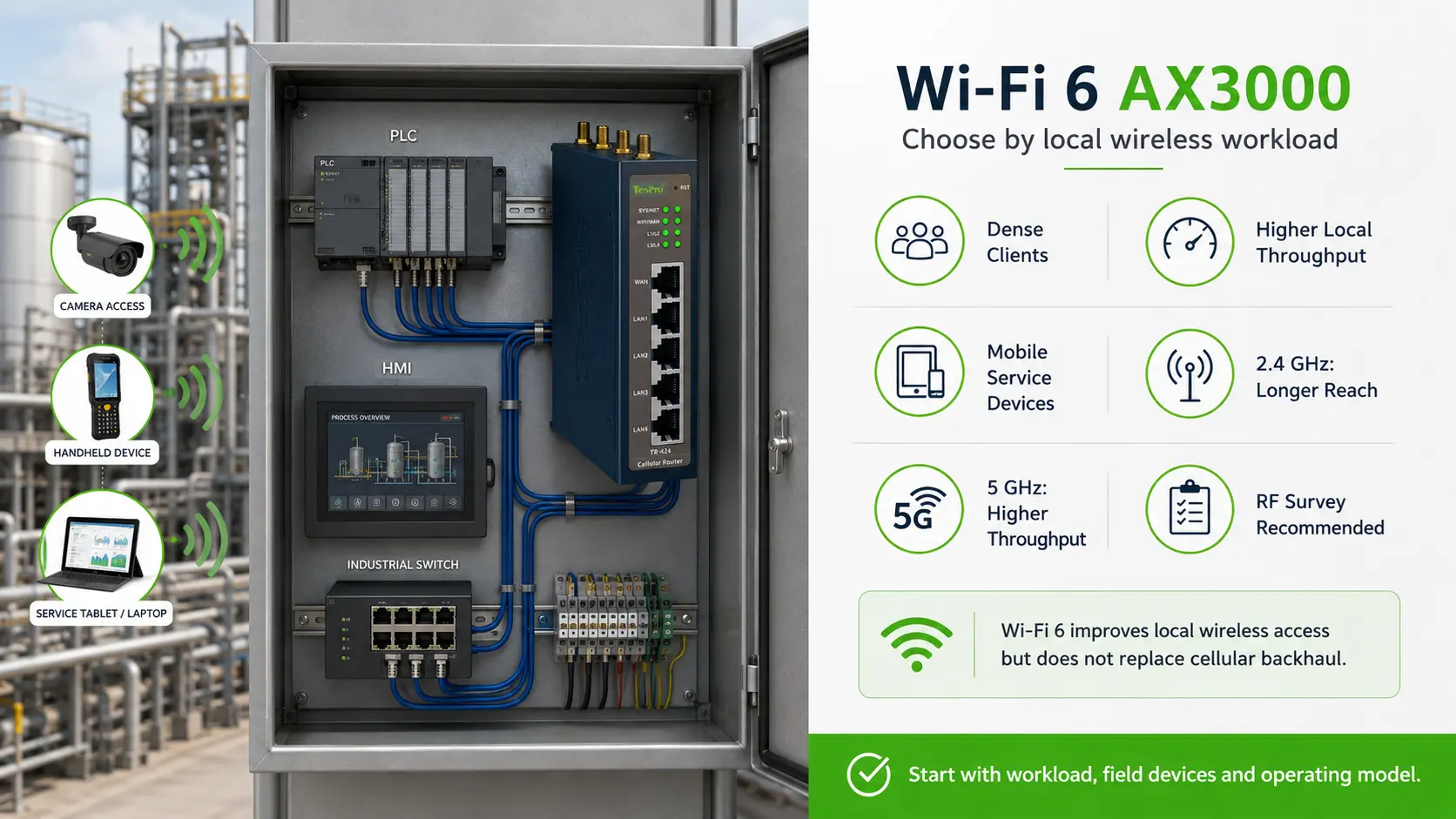

Wi-Fi 6 AX3000 fits sites with dense clients, mobile service devices or higher local throughput. It does not replace cellular backhaul and cannot guarantee coverage without an RF survey.
Key Takeaways
- 2.4 GHz reaches farther but may face more interference
- 5 GHz offers higher throughput but weaker penetration
- Actual performance depends on clients, channels and antennas
Technical Principle and Project Value
Wi-Fi 6 AX3000 fits sites with dense clients, mobile service devices or higher local throughput. It does not replace cellular backhaul and cannot guarantee coverage without an RF survey. In a real project, 2.4 ghz reaches farther but may face more interference and 5 ghz offers higher throughput but weaker penetration must be considered in the same architecture. Begin with the workload, field devices and operating model rather than one marketing specification.
Parameters to Confirm During Implementation
A practical sequence is to confirm client count and type and coverage area, then verify cabinets and walls and 2.4/5 ghz plan, and finally test actual performance depends on clients, channels and antennas with the real equipment. Record pass criteria so the design can be repeated across sites.
Why Real-Workload Testing Is Necessary
Advertised rate is not field throughput; metal cabinets, walls, interference and client capability can materially reduce performance. Public content and project documents should therefore state model, firmware, regional network, options and environmental conditions and avoid unverifiable claims such as 'works for every project' or 'absolute reliability'.
How Tespro Fits
Tespro TR-400 Series lists Wi-Fi 6 AX3000 for dual-band access by HMIs, service terminals, tablets and local devices, while upstream connectivity uses 4G/5G or Ethernet.
Decision and Verification Table
| Decision factor | What to verify |
| 2.4 GHz reaches farther but may face more interference | Confirm against client count and type and document pass/fail criteria in the pilot or site test. |
| 5 GHz offers higher throughput but weaker penetration | Confirm against coverage area and document pass/fail criteria in the pilot or site test. |
| Actual performance depends on clients, channels and antennas | Confirm against cabinets and walls and document pass/fail criteria in the pilot or site test. |
Compatibility and Selection Checklist
- ✓ Client count and type
- ✓ Coverage area
- ✓ Cabinets and walls
- ✓ 2.4/5 GHz plan
- ✓ Roaming needs
- ✓ Security and guest isolation
Frequently Asked Questions
Q: Does AX3000 mean 3000 Mbps in the field?
A: No. It is a Wi-Fi capability class; real throughput depends on band, client, signal and protocol overhead.
Q: Can Wi-Fi 6 replace 5G?
A: Not directly. Wi-Fi provides local access, while 5G provides carrier wide-area backhaul.
Q: Does a metal cabinet affect Wi-Fi?
A: Yes. Use appropriate external antennas and validate coverage on site.