-1791966549842.webp)





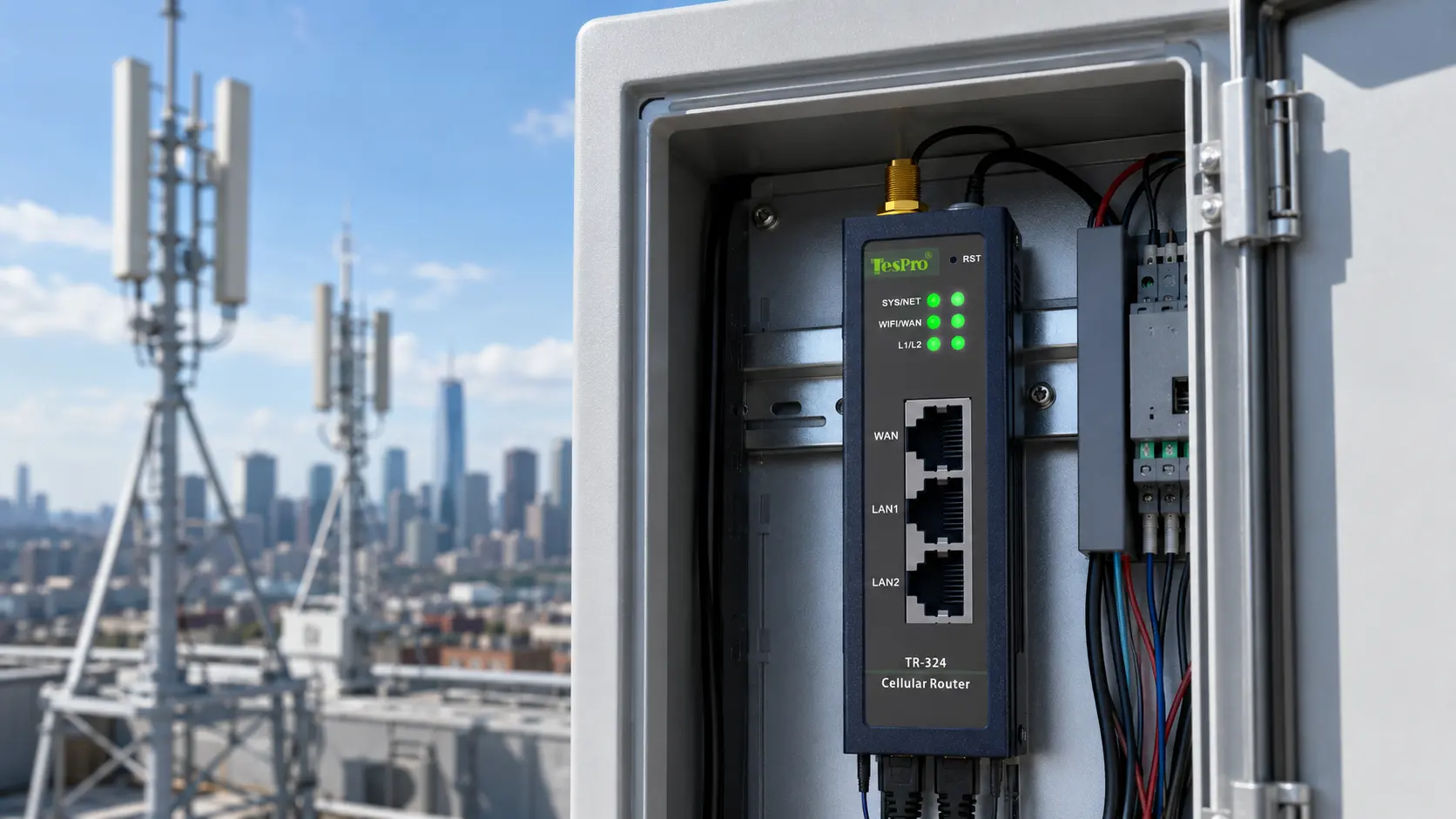

The core purpose of an industrial cellular router is to keep field devices continuously online under unreliable network and power conditions. But in different industries, it solves different specific problems.
Many projects focus only on whether devices can access the internet during the planning stage. But after deployment, they find that network outages are the biggest problem. The industrial cellular router was designed to solve this problem.
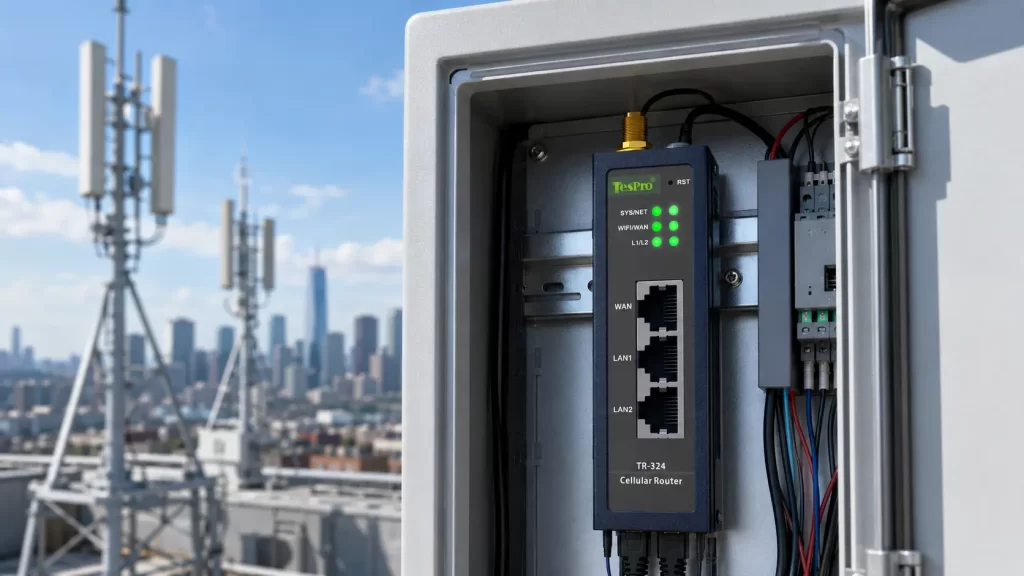
I. Solving the Problem of Network Outages
This is the most essential value of an industrial cellular router.
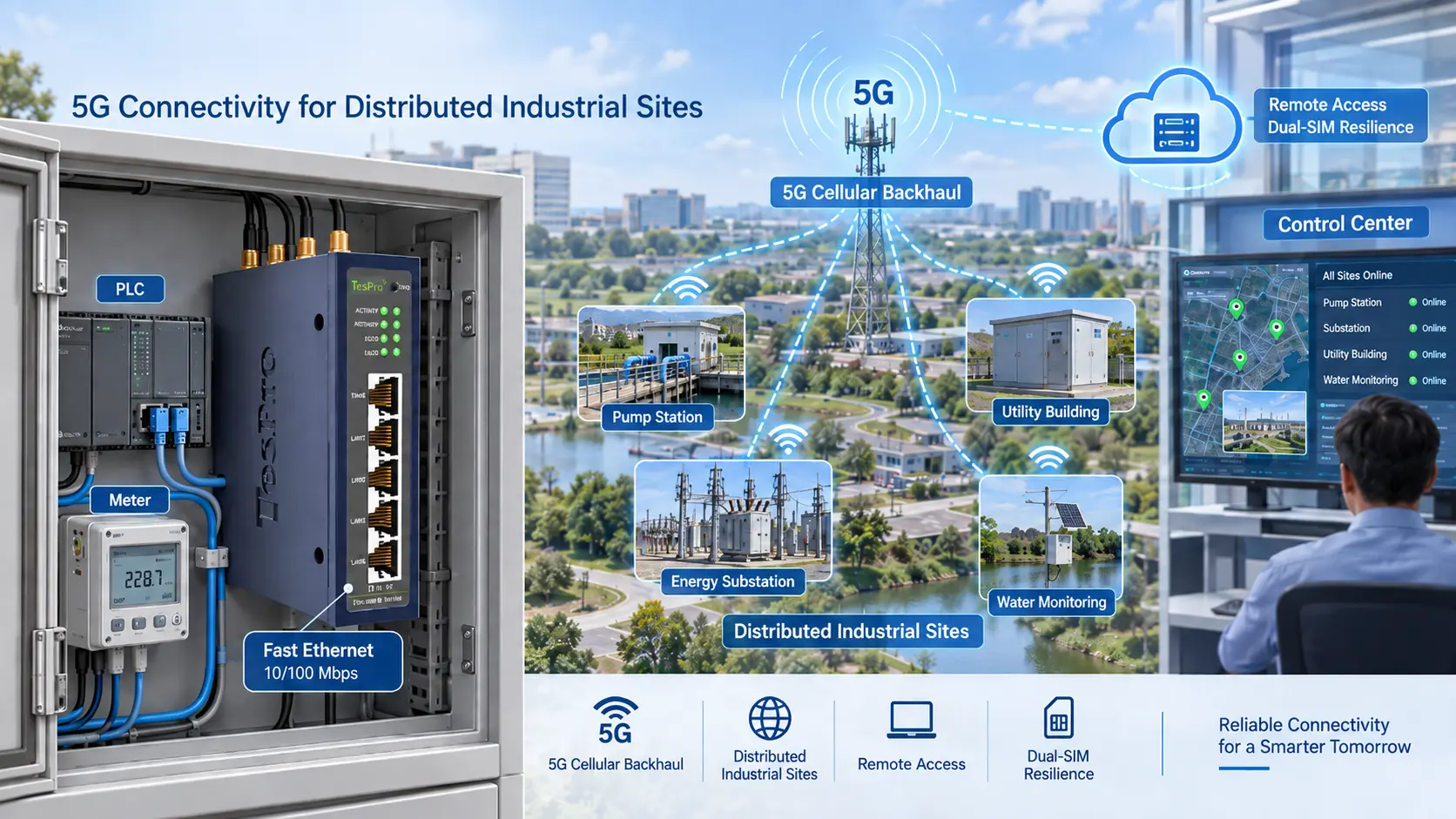
In industrial field sites, there are many reasons for network outages. The carrier signal may suddenly weaken. A base station may go down for maintenance. A SIM card may be deactivated or run out of credit. Wired broadband may be cut by construction. A regular router encountering these situations can only wait for manual intervention. An industrial cellular router handles this by having built-in dual SIM cards. When the primary carrier's network fails, it automatically switches to the secondary carrier. If all cellular networks fail, it can automatically switch to wired broadband or Wi-Fi as a backup. This multi-link automatic failover capability can restore the network within seconds to tens of seconds, without sending someone to the site.
In a real case, a water utility deployed industrial cellular routers with dual SIM cards at remote pump stations. Annual network downtime dropped from several tens of hours to just a few hours, and most outages occurred in the early morning, with almost no impact on operations.
II. Solving the Problem of Remote Access and Security
Many industrial devices are located where people cannot reach quickly. When a device fails or parameters need to be changed, engineers must travel to the site, connect a laptop, and then operate. This is both slow and expensive.
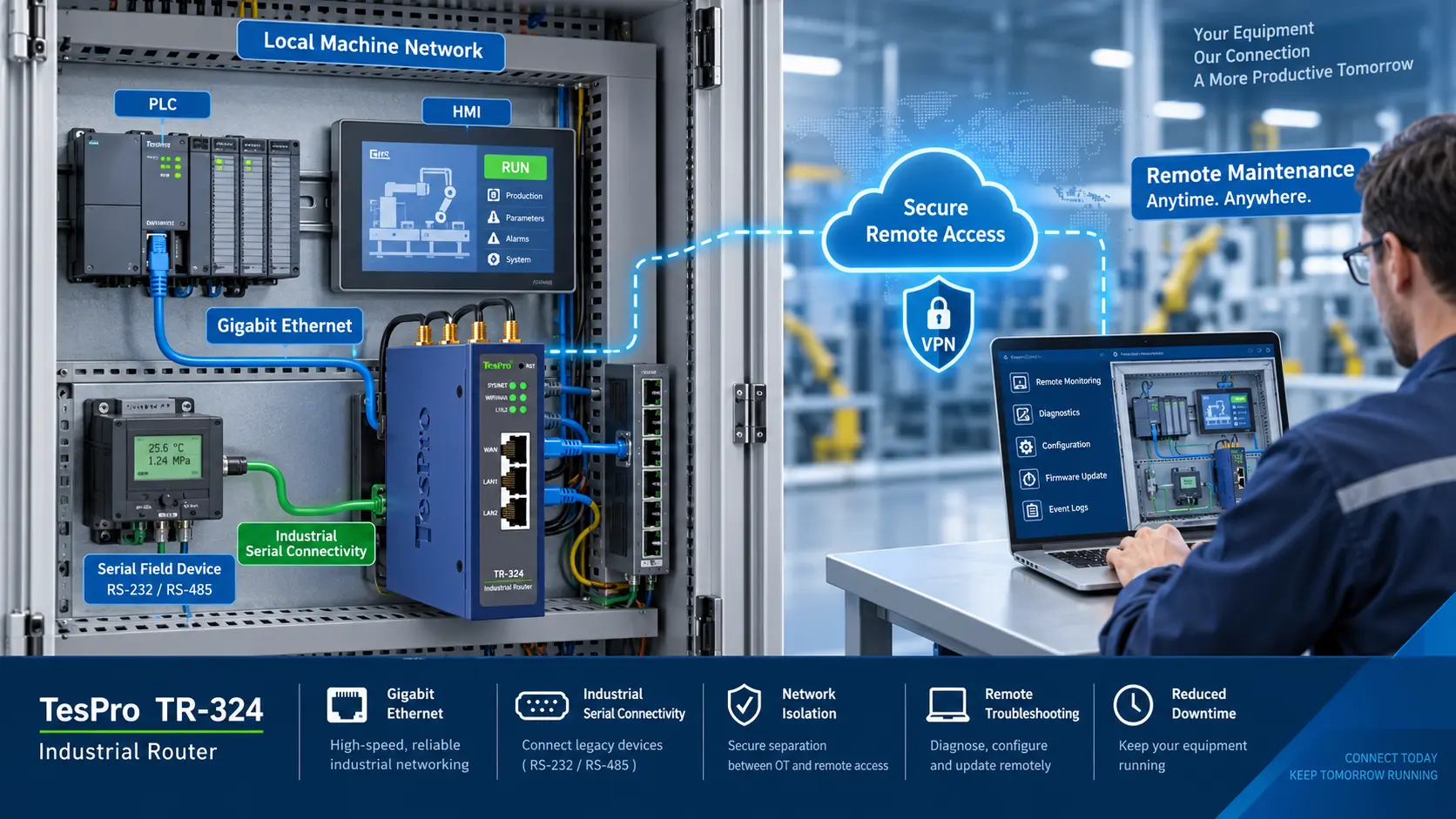
Industrial cellular routers support VPN functionality. Engineers can securely access field devices through an encrypted tunnel from their offices, as if they were sitting on site. This not only saves travel costs but also greatly shortens fault response times. At the same time, VPN encryption ensures that data transmitted over the public internet is not intercepted or tampered with.
After one smart manufacturing factory deployed these routers, engineers remotely handled over eighty percent of field network faults, saving over five hundred thousand yuan per year in travel costs.
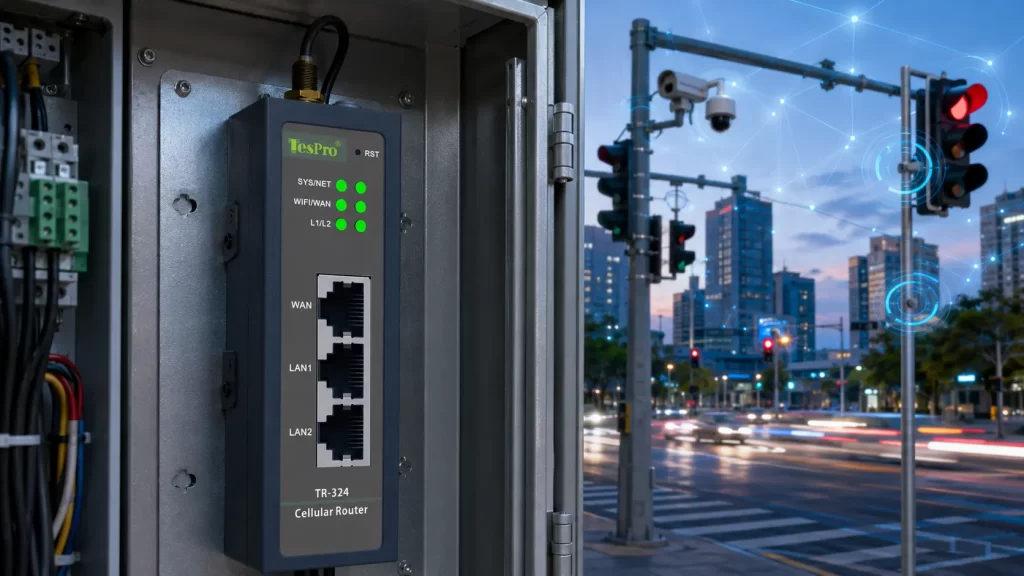
III. Solving the Problem of Operation in Harsh Environments
Field conditions in industrial sites are lethal to ordinary equipment.
For temperature, outdoor cabinets in northern winters can drop to negative thirty degrees Celsius, while enclosed cabinets in southern summers can exceed sixty degrees Celsius internally. Regular routers cannot start or frequently freeze in these temperature ranges. Industrial cellular routers use a wide-temperature design, operating stably from negative thirty degrees to seventy degrees Celsius.
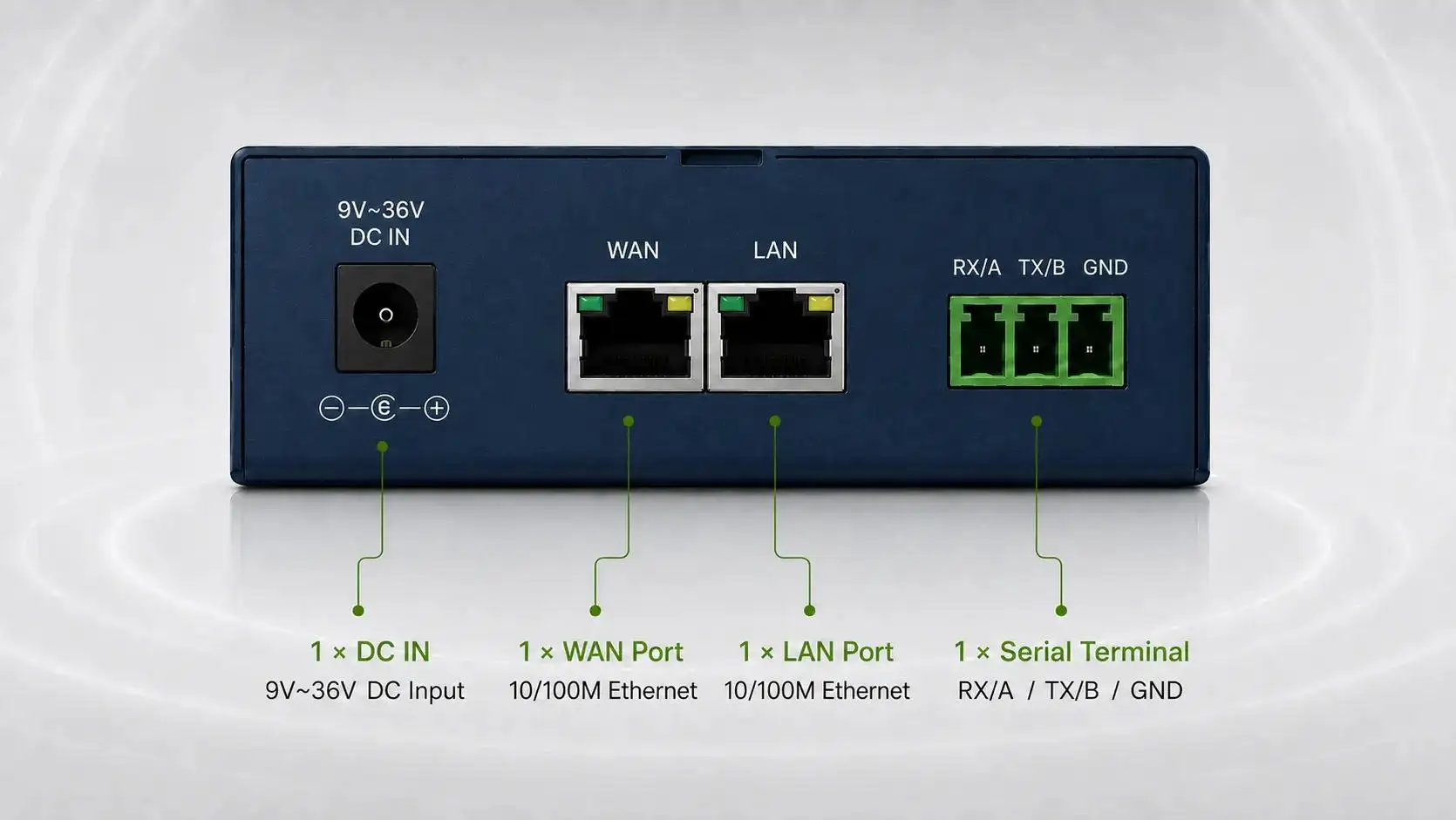
For power supply, industrial power often experiences voltage fluctuations, transient interruptions, and surges. Regular routers may restart or be damaged as a result. Industrial routers use wide voltage input and industrial-grade power design, tolerating significant voltage fluctuations and featuring reverse polarity protection and overvoltage protection.
For vibration and dust, industrial routers use fanless designs, metal housings, and fully enclosed structures. They have no moving parts and are not afraid of vibration or dust.
IV. Solving the Problem of Large-Scale Device Management
When a project has tens or even hundreds of field sites, managing these devices becomes a heavy task. What is the status of the router at each site? What is the signal strength? Is it offline? Does it need a firmware upgrade?
The traditional method is to send people to check each site one by one, which is extremely costly. Industrial cellular routers support cloud management platforms. Maintenance personnel can see the online status, signal strength, and data usage of all devices on a single web page. They can modify configuration parameters remotely, restart devices remotely, upgrade firmware remotely, and export logs remotely for troubleshooting. For projects managing hundreds or thousands of routers, the annual savings in on-site travel costs from using this system often exceed the hardware procurement cost.
V. Conclusion
The uses of an industrial cellular router can be summarized in four areas. It automatically switches to backup links when the network fails, keeping devices continuously online. It enables secure remote access via VPN, reducing on-site travel. It operates stably in harsh environments of high heat, low cold, voltage fluctuations, and vibration. It enables centralized management of hundreds or thousands of devices via a cloud platform, greatly reducing maintenance costs. If your project involves remote locations, harsh environments, mission-critical tasks, or large-scale deployment, the industrial cellular router is not just a nice-to-have but an essential core device.