-1791966549842.webp)






What Is a Protocol Converter?
Here, Tespro answers the question: What is a protocol converter? A "protocol converter" typically refers to an industrial communication gateway device specialized in protocol conversion. Its core function is to translate and convert data formats between different communication protocols. In modern industrial control systems, PLCs, DCSs, sensors, instruments, and other equipment from different manufacturers often use a variety of communication protocols—some use Modbus RTU, others use BACnet, and still others adopt the OPC UA standard. These devices are like people speaking different languages, unable to communicate directly with one another. The role of a protocol converter is to convert data formats from one protocol into a format recognizable by another, thereby breaking down data transmission barriers between heterogeneous networks.
Main Features and Application Scenarios of Protocol Converters
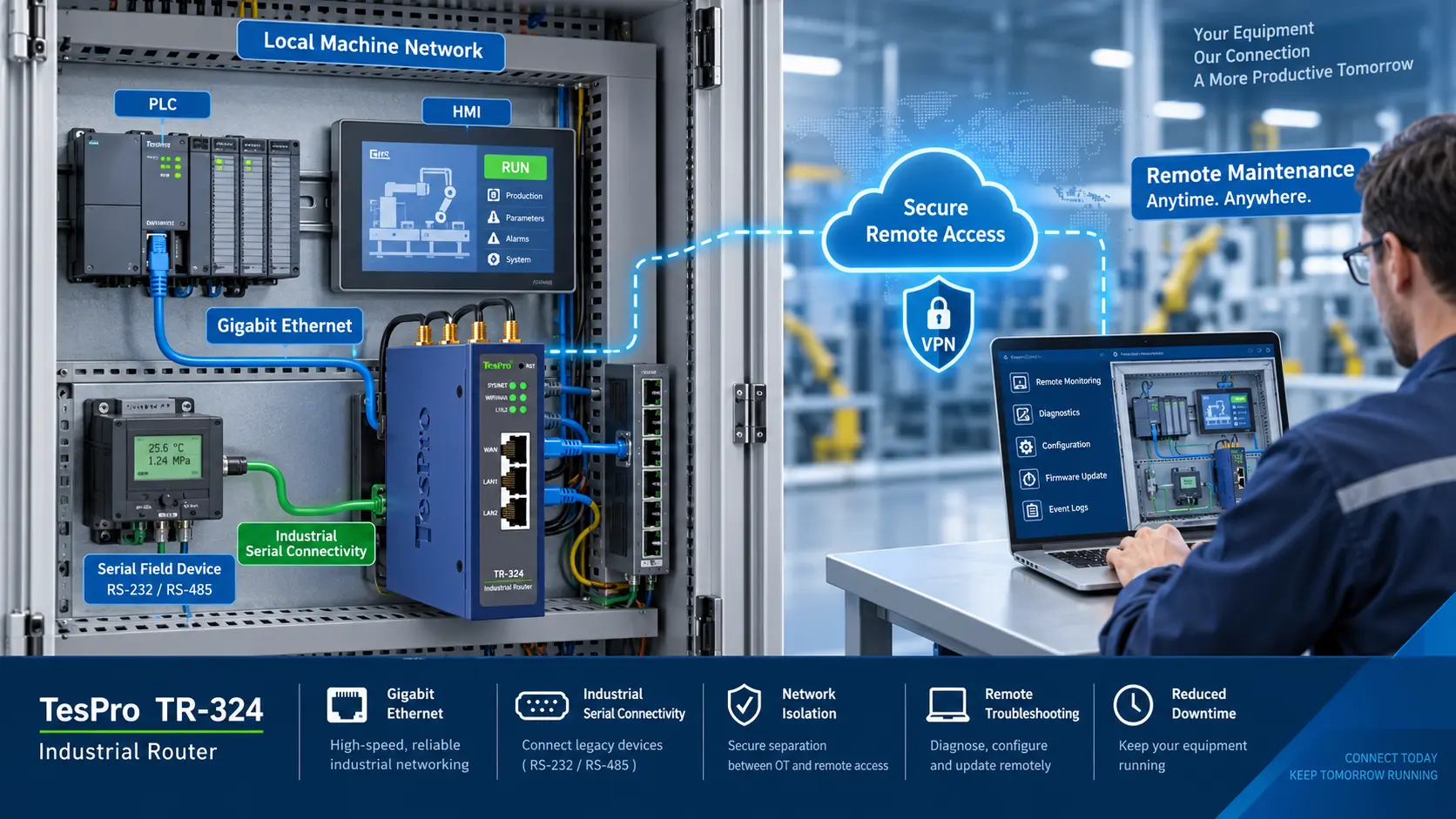
Here, Tespro explains the main features and application scenarios of protocol converters. Generally, protocol converters in the industry are equipped with core functions such as protocol translation, data filtering and caching, and format processing. They support various physical interfaces, including serial ports (RS-232/485), Ethernet, and fieldbuses (CAN, Profibus, etc.), enabling bidirectional data mapping across different physical layers and protocol layers. A single protocol converter can resolve issues such as incompatibility between devices from different manufacturers, incompatibility between different models from the same manufacturer, difficulties in interfacing new and old systems, and the inability of different types of equipment (e.g., PLCs and SCADA) to work together.
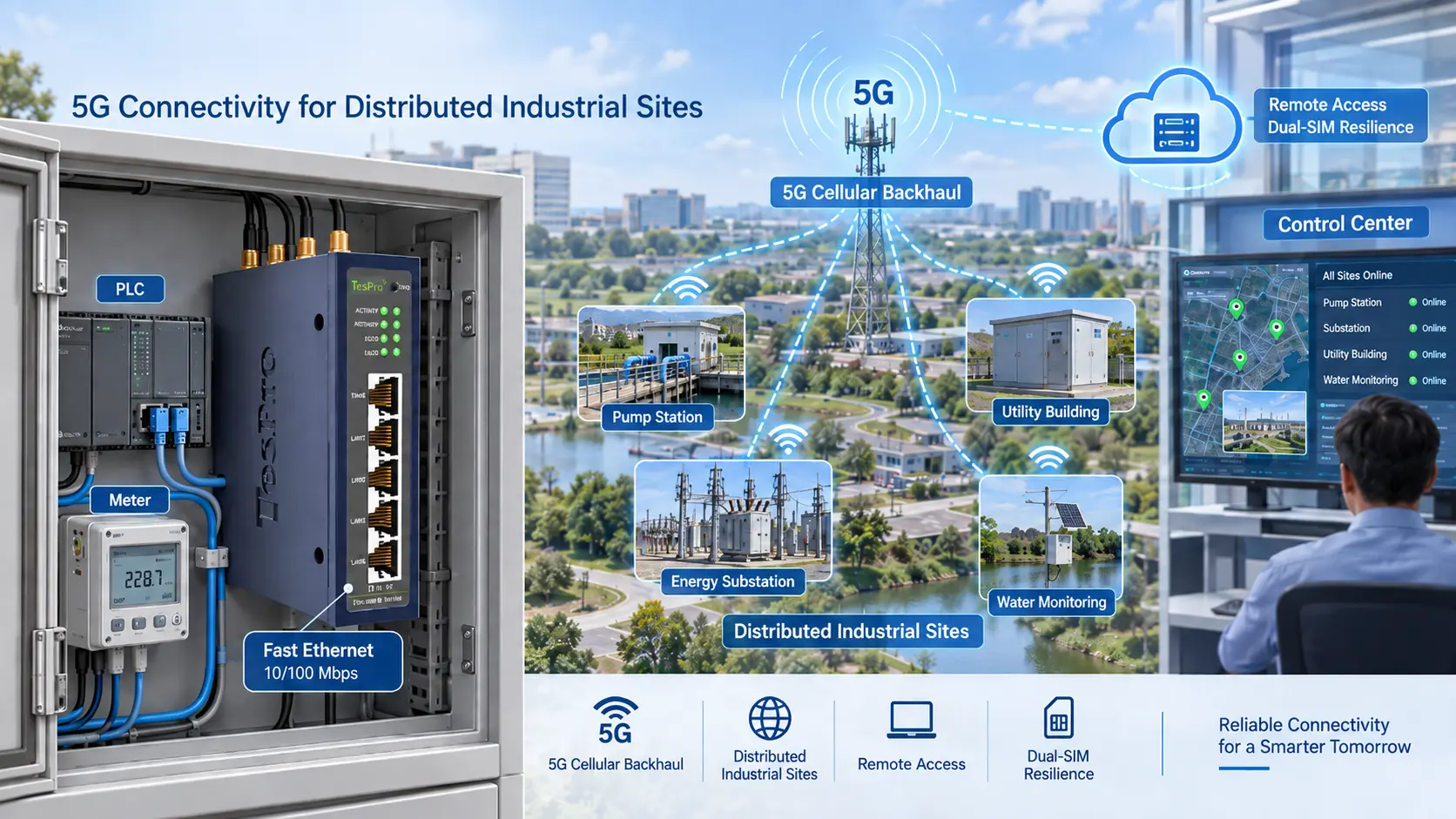
Typical application scenarios for protocol converters include: industrial automation production line upgrades and retrofits, equipment integration in building automation systems (IBMS), power data communication protocol conversion, remote WAN access, and IoT data collection and cloud uploading. Whether between E1 lines and Ethernet, Modbus and Profinet, or CAN buses and serial ports, protocol converters serve as indispensable bridges.
Common Functional Features of Protocol Converters
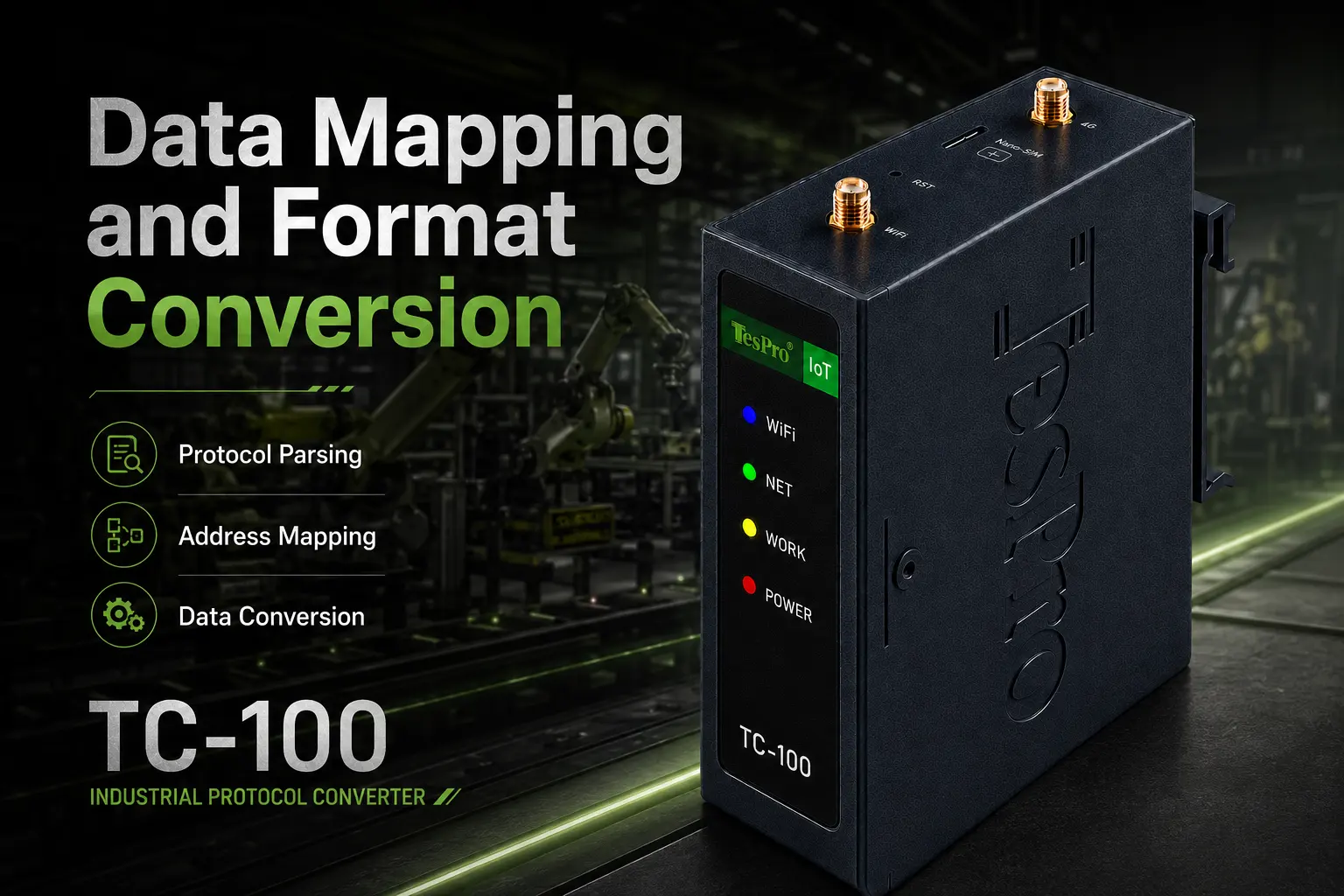
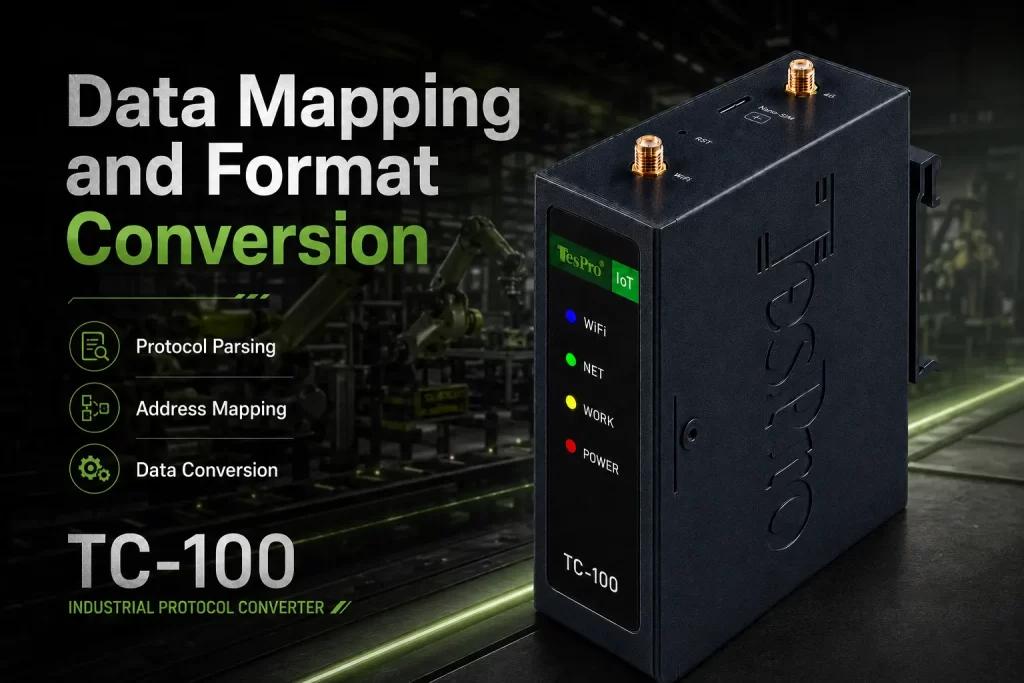
Taking Tespro's protocol converter as an example, a standard protocol converter typically features a built‑in comprehensive protocol parsing engine, address mapping tables, data format converters, and a periodic polling acquisition mechanism. It supports dozens of standard and proprietary protocols, including Modbus RTU/TCP, BACnet IP/MSTP, and OPC UA, and provides an open configuration interface. Northbound connectivity supports protocols such as MQTT, TCP, and UDP, enabling seamless integration with enterprise cloud platforms or SCADA systems.
Core Advantages of the TESPRO TC-100 Protocol Converter
The TESPRO TC‑100 Protocol Converter, launched by TESPRO—a brand with nearly two decades of expertise in smart power and energy equipment—offers the following outstanding advantages in the field of protocol conversion:
- Comprehensive Protocol Coverage: The TC‑100 fully supports mainstream industrial protocols such as Modbus RTU/TCP, BACnet IP/MSTP, and OPC UA. From underlying sensors and smart instruments to upper‑level controllers and SCADA systems, a single device enables end‑to‑end data interoperability.
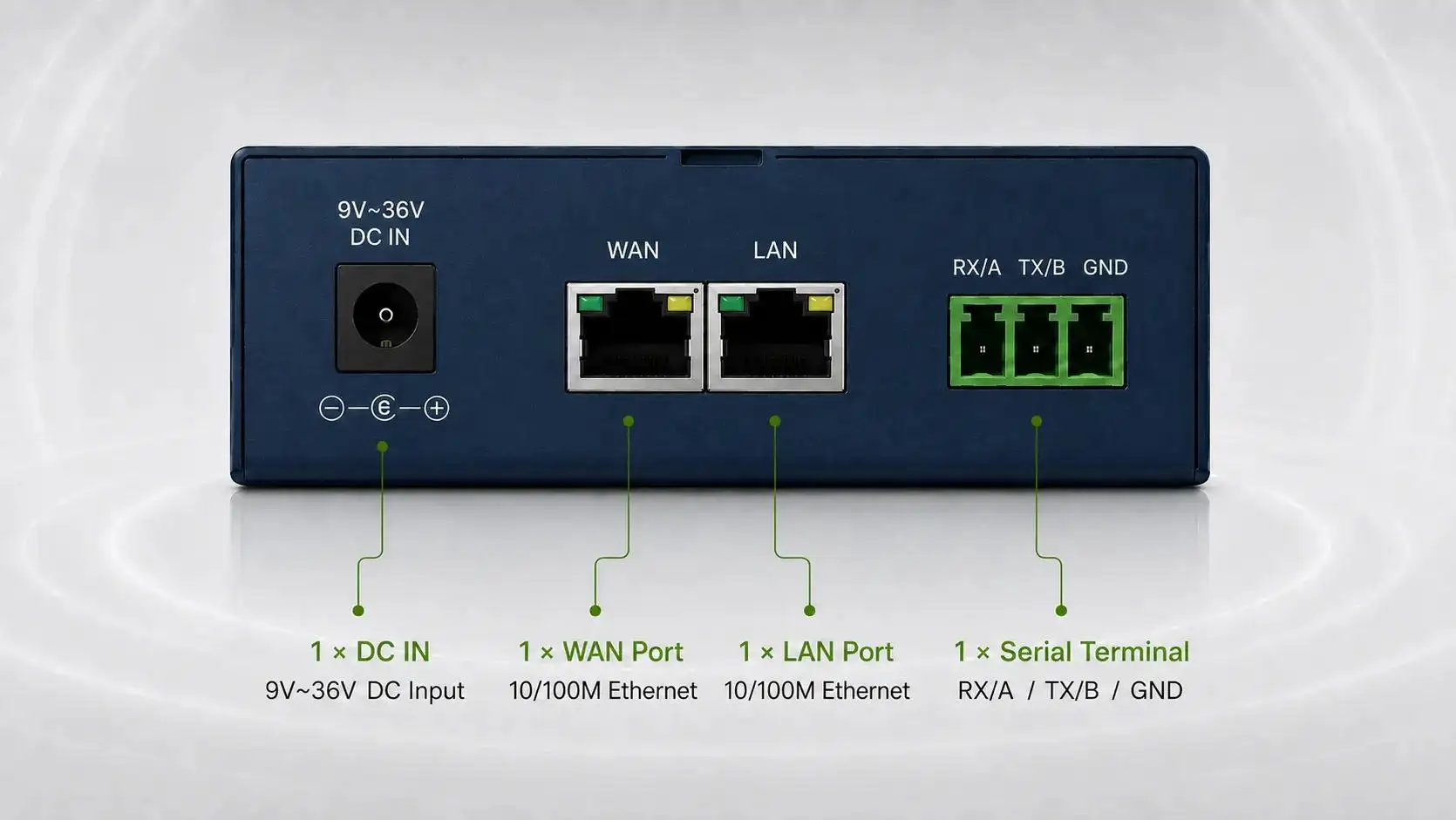
- Flexible Network Access: Equipped with standard WAN and LAN Ethernet ports, and featuring built‑in 2G to 5G global‑band wireless communication modules, the TC‑100 supports data uplink transmission via cellular networks whether the site has wired connectivity or is located in a remote area.
- Configurable Field Interfaces: Optional RS‑485, RS‑232, and CAN interfaces are available, allowing flexible adaptation to various terminal devices without replacing existing hardware.
- Industrial‑Grade Reliability: Supports DC 12–36 V wide‑voltage power input, operates over a temperature range of ‑40°C to +75°C, and includes reverse‑polarity protection, overcurrent/overvoltage protection, surge suppression, and lightning protection—significantly reducing long‑term maintenance costs.
- Full‑Featured and Competitively Priced: Incorporates complete protocol parsing, address mapping, periodic acquisition, and proactive reporting mechanisms; supports SSL encryption for data security; and offers flexible DIN‑rail or wall‑mounting installation options.
Summary
Whether upgrading legacy production lines, building new networks, or solving interoperability challenges among multiple systems, the TESPRO TC‑100 Protocol Converter delivers a complete solution—from protocol conversion to cloud integration—at the cost of a single device. It protects existing asset investments and helps build open, standard‑based modern intelligent systems. For detailed technical documentation and selection support, please contact the TESPRO brand team.