-1791966549842.webp)





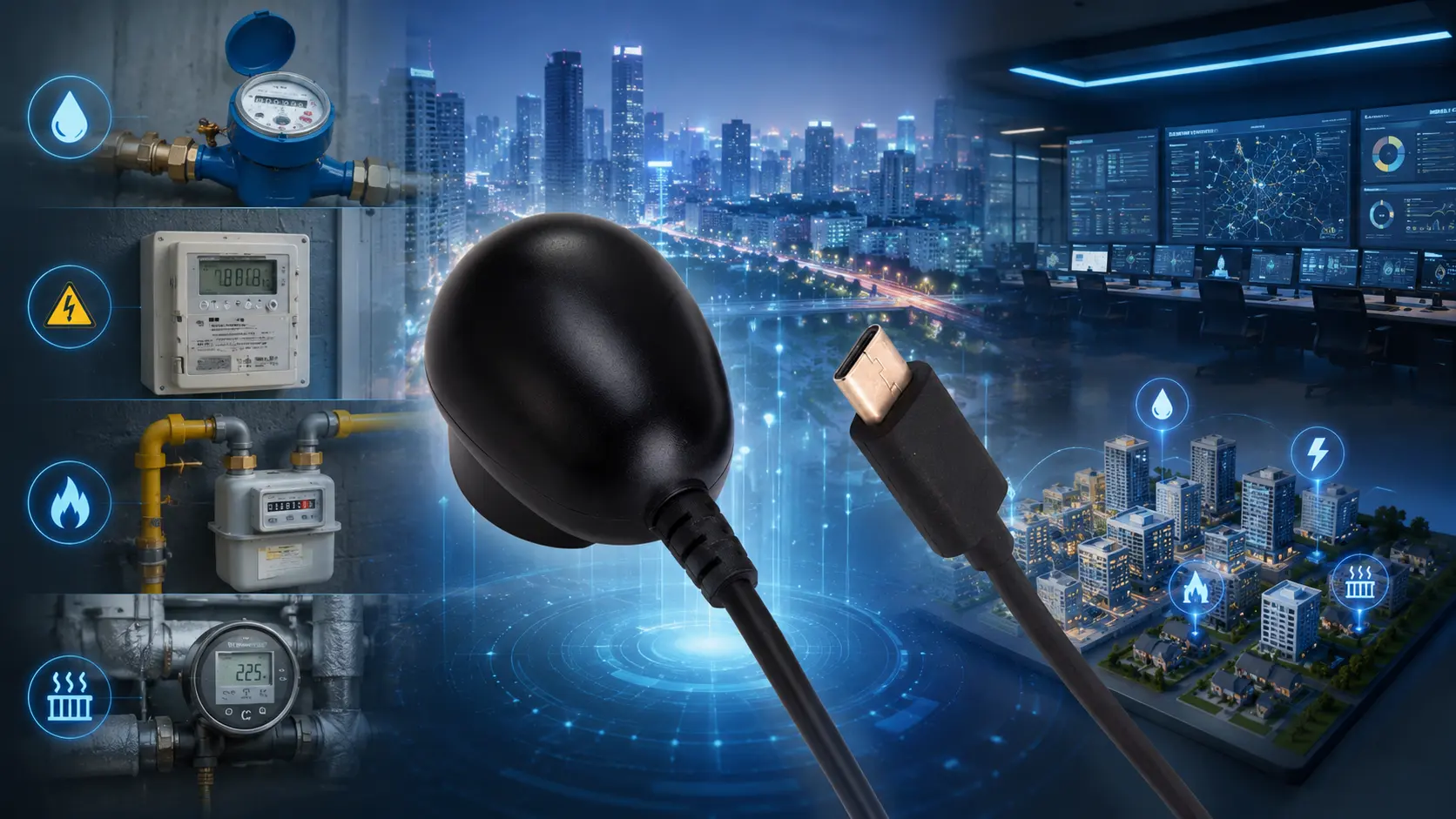

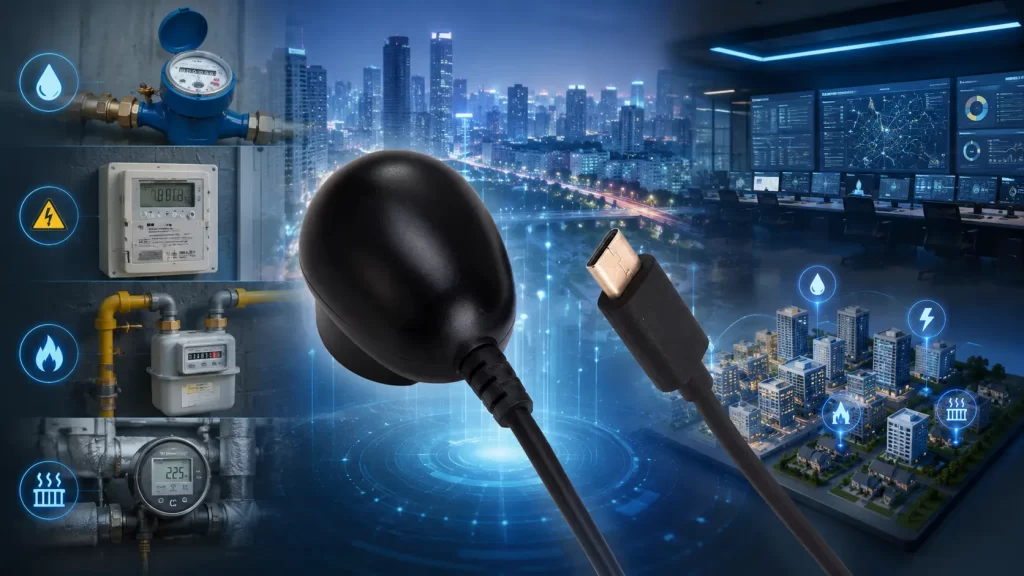
Selecting a USB optical probe requires more than checking physical attachment. Compatibility includes optical-port geometry, IEC 62056-21 or ANSI C12.18, driver, virtual COM port, baud switching, meter software and access permissions. Tespro TP-USB versions cover IEC, ANSI, ANSI Type 2 and DL/T 645 applications and should be matched to the meter. Relevant Tespro products include Tespro TP Series optical probes and representative options such as TP-USB-IEC and ANSI-N USB configurations, for meter reading, programming, configuration, laboratory testing, and maintenance.
Confirm standard and optical port
IEC and ANSI may differ in geometry, magnetic attachment and communication. Include meter brand, model, nameplate, port photo and standard.
Driver and software matter
The probe normally appears as a virtual COM port. Confirm driver, OS, port, baud and software behavior. It does not replace meter software or security credentials.
Where TP-USB fits
Use it for reading, programming, testing, maintenance and laboratories. Bluetooth or Type-C may suit mobile work. Validate a sample with the real meter and software.
Selection and RFQ checklist
✓ Meter model and optical port
✓ IEC/ANSI/DL/T 645
✓ Computer, OS and driver
✓ Software and authentication
✓ Baud and COM port
✓ Cable, attachment and environment
Frequently asked questions
Q: Which Tespro USB optical probe should be used for IEC and ANSI meters?
A: TP-USB-IEC can be evaluated for an IEC 62056-21 local optical port, while an ANSI-N meter requires the corresponding Tespro ANSI-N USB configuration. A shared USB host interface does not make the mechanical, optical, protocol, and software requirements interchangeable.
Q: Can one USB optical probe read every IEC meter?
A: No guarantee is possible. Confirm communication mode, initial baud rate, baud switching, authentication, optical orientation, software commands, and the meter-vendor implementation, then test the actual meter.
Q: What should be checked when the PC detects a COM port but the meter does not respond?
A: Check the driver, COM number, baud and parity, probe orientation and magnetic position, ambient light, reading software, protocol mode, access rights, and whether the meter optical port is enabled.
Q: Should a fixed workstation use a USB or Bluetooth optical probe?
A: A laboratory, repair bench, or fixed PC normally benefits from USB power and a stable wired link. Mobile meter reading and field maintenance may benefit from Bluetooth, provided the terminal operating system and application are compatible.