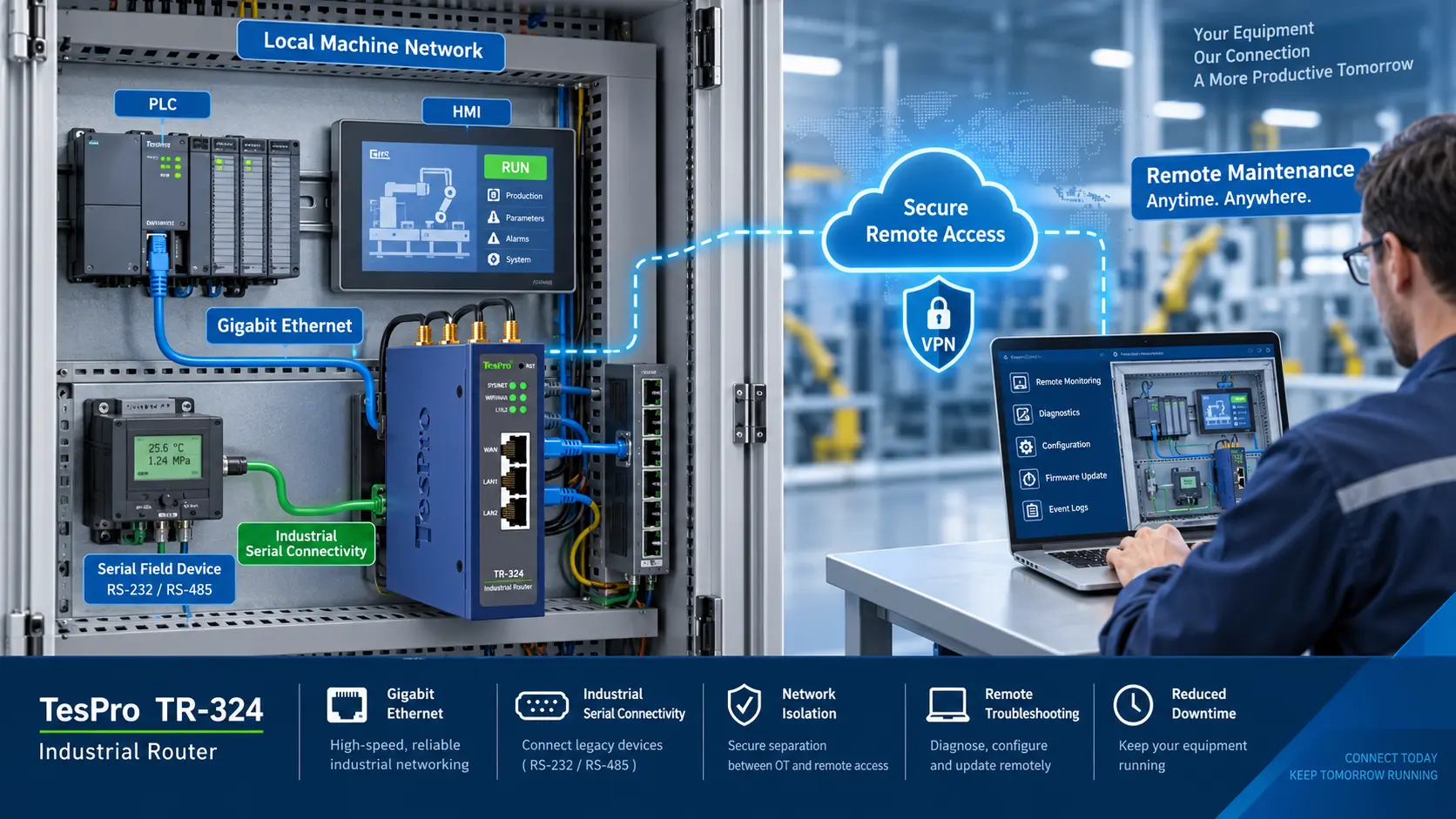
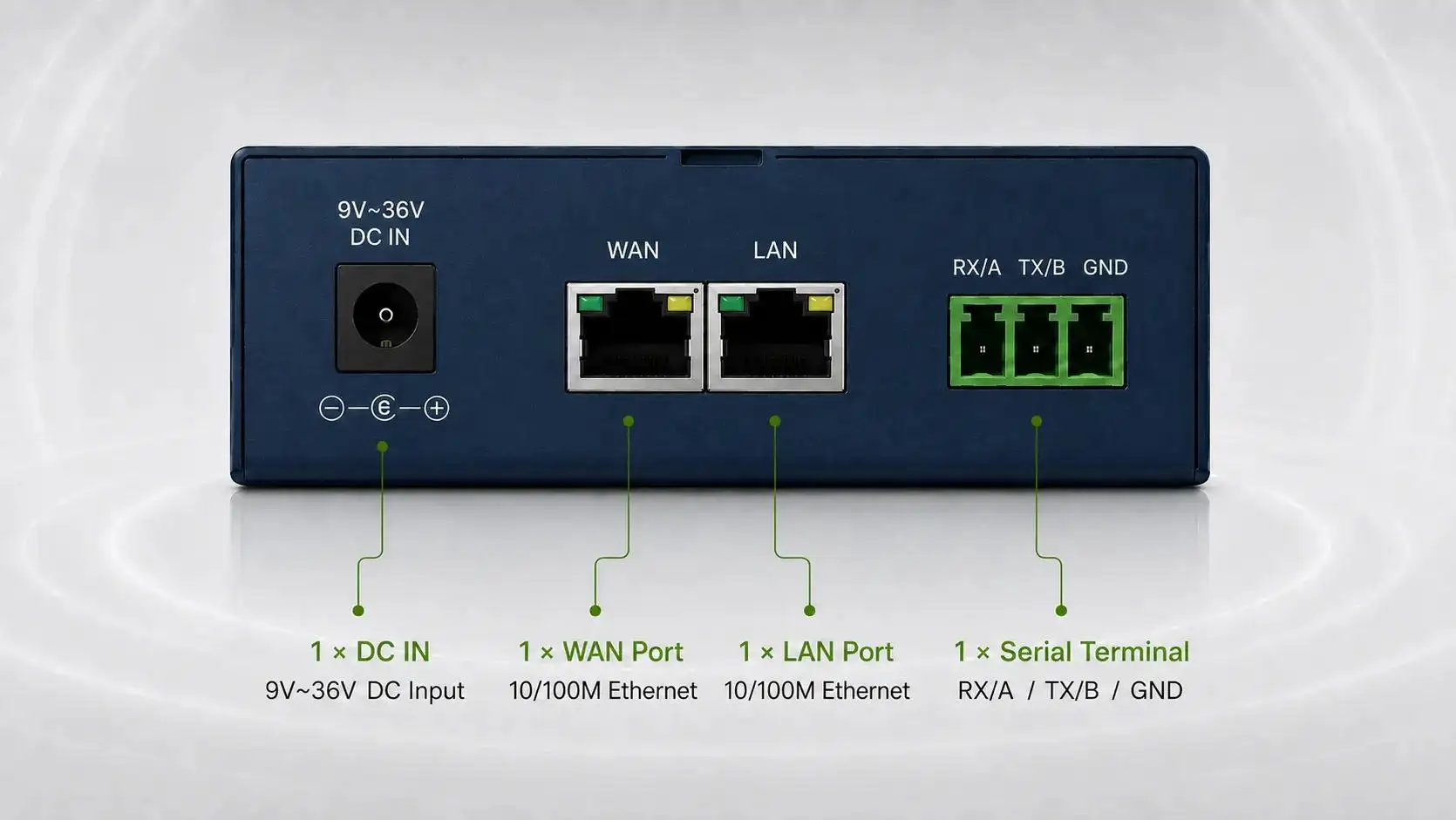
-1791966549842.webp)





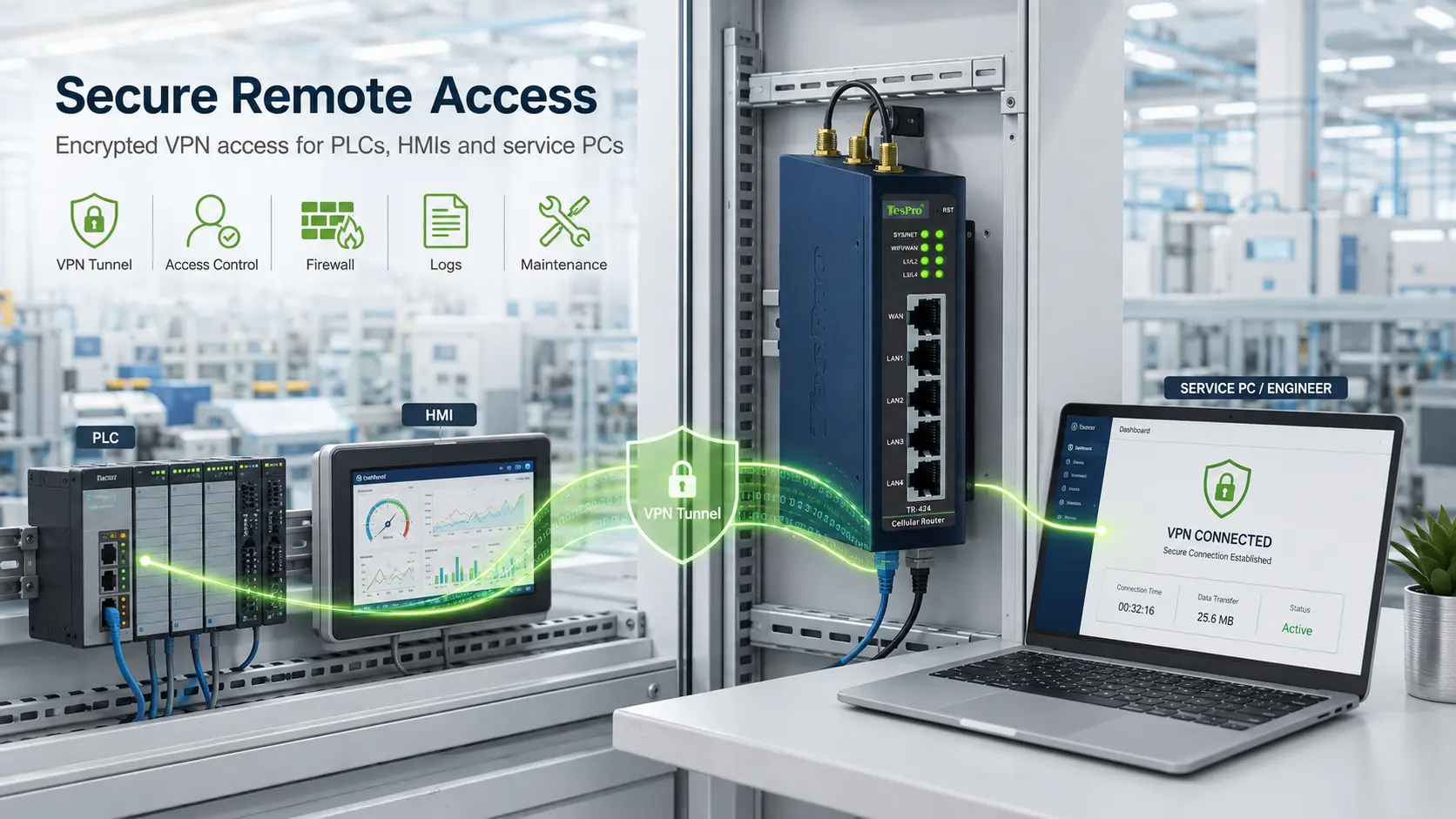

An industrial VPN router creates an encrypted tunnel so authorized engineers can access PLCs, HMIs or service PCs. Security also requires accounts, access control, firewall rules, logs and a maintenance process.
Key Takeaways
- The router should initiate outbound connectivity through carrier NAT
- Remote users should reach only required devices and ports
- Sessions should be auditable and quickly revocable
Why Do These Projects Commonly Fail?
An industrial VPN router creates an encrypted tunnel so authorized engineers can access PLCs, HMIs or service PCs. Security also requires accounts, access control, firewall rules, logs and a maintenance process. In a real project, the router should initiate outbound connectivity through carrier nat and remote users should reach only required devices and ports must be considered in the same architecture. Begin with the workload, field devices and operating model rather than one marketing specification.
A practical sequence is to confirm plc brand and software and site ip plan, then verify vpn topology and user roles, and finally test sessions should be auditable and quickly revocable with the real equipment. Record pass criteria so the design can be repeated across sites.
What Should the Pilot Cover?
VPN does not automatically secure the PLC; weak passwords, flat networks, shared accounts and outdated firmware remain risks. Public content and project documents should therefore state model, firmware, regional network, options and environmental conditions and avoid unverifiable claims such as 'works for every project' or 'absolute reliability'.
How Tespro Fits
Tespro TR-400 Series can provide remote network access to PLCs/HMIs and use TesproOS or project-specific management for status and configuration. Confirm VPN protocols and authorization by model and firmware.
Decision and Verification Table
| Decision factor | What to verify |
| The router should initiate outbound connectivity through carrier NAT | Confirm against plc brand and software and document pass/fail criteria in the pilot or site test. |
| Remote users should reach only required devices and ports | Confirm against site ip plan and document pass/fail criteria in the pilot or site test. |
| Sessions should be auditable and quickly revocable | Confirm against vpn topology and document pass/fail criteria in the pilot or site test. |
Compatibility and Selection Checklist
- ✓ PLC brand and software
- ✓ Site IP plan
- ✓ VPN topology
- ✓ User roles
- ✓ Allowed ports
- ✓ Log retention
Frequently Asked Questions
Q: Can a PLC be accessed without a static public IP?
A: Usually yes, by having the router initiate a VPN or management connection through NAT.
Q: Should the VPN expose the entire factory subnet?
A: No. Limit users, devices and ports according to least privilege.
Q: What should be tested before remote commissioning?
A: Validate tunnel recovery, PLC software access, permissions, disconnect recovery and emergency revocation.