-1791966549842.webp)





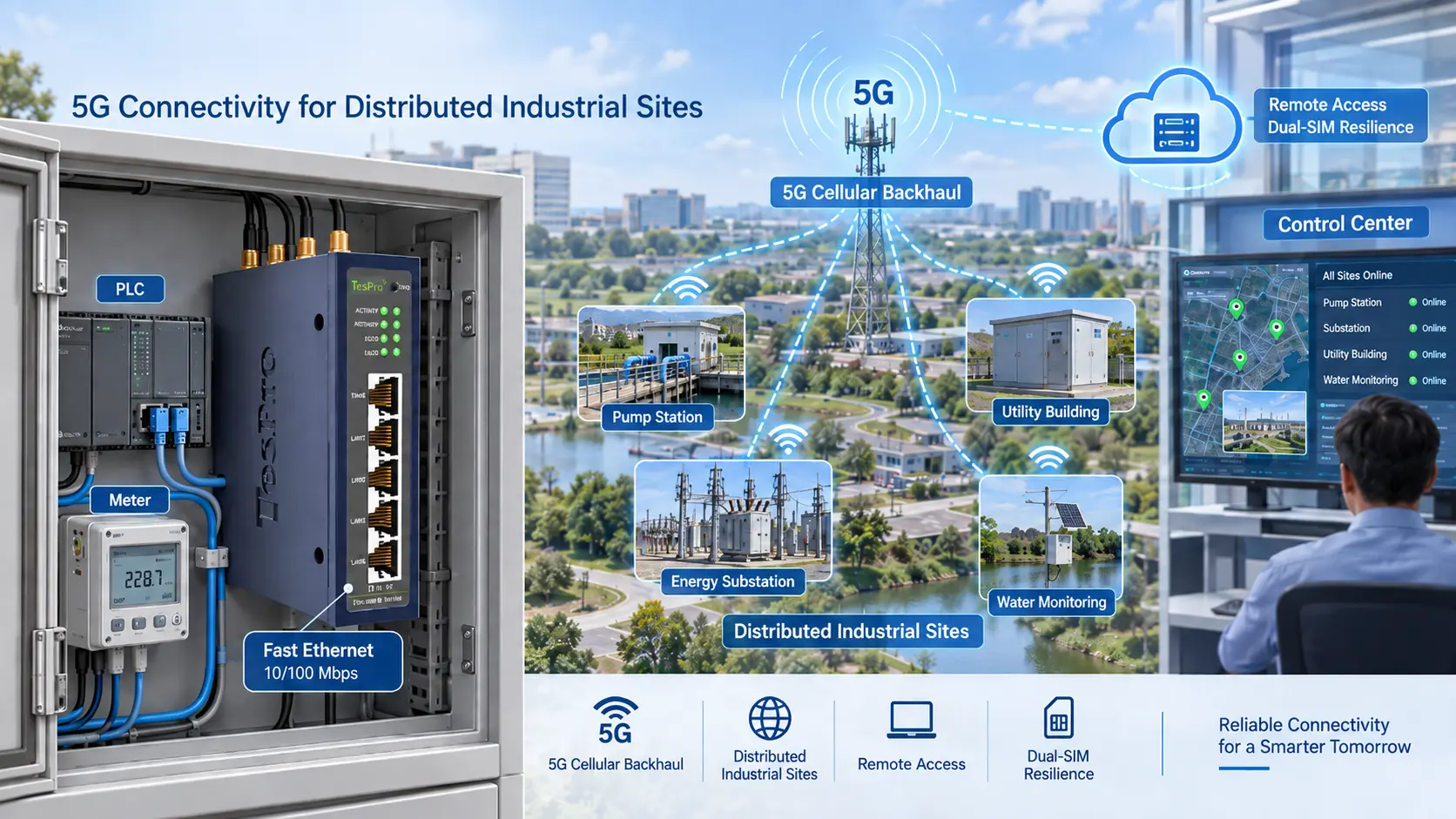
Utility networks are moving from legacy GPRS links to 4G and 5G connectivity. In the past, GPRS was useful for early AMI and AMR projects. Today, utilities, campuses, and smart city systems need faster data transmission, real-time monitoring, and secure cloud access.
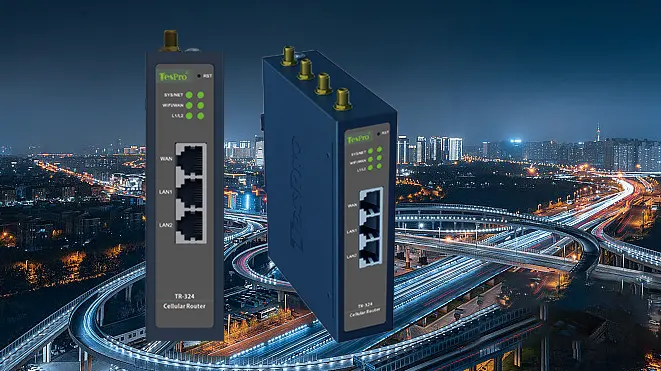
As an industrial router manufacturer, Tespro supports this transition with routers that can work across GPRS, 4G, 5G, and NB-IoT networks. This allows users to keep low-rate assets on GPRS or NB-IoT when needed, while upgrading critical nodes to 4G or 5G for real-time visibility.
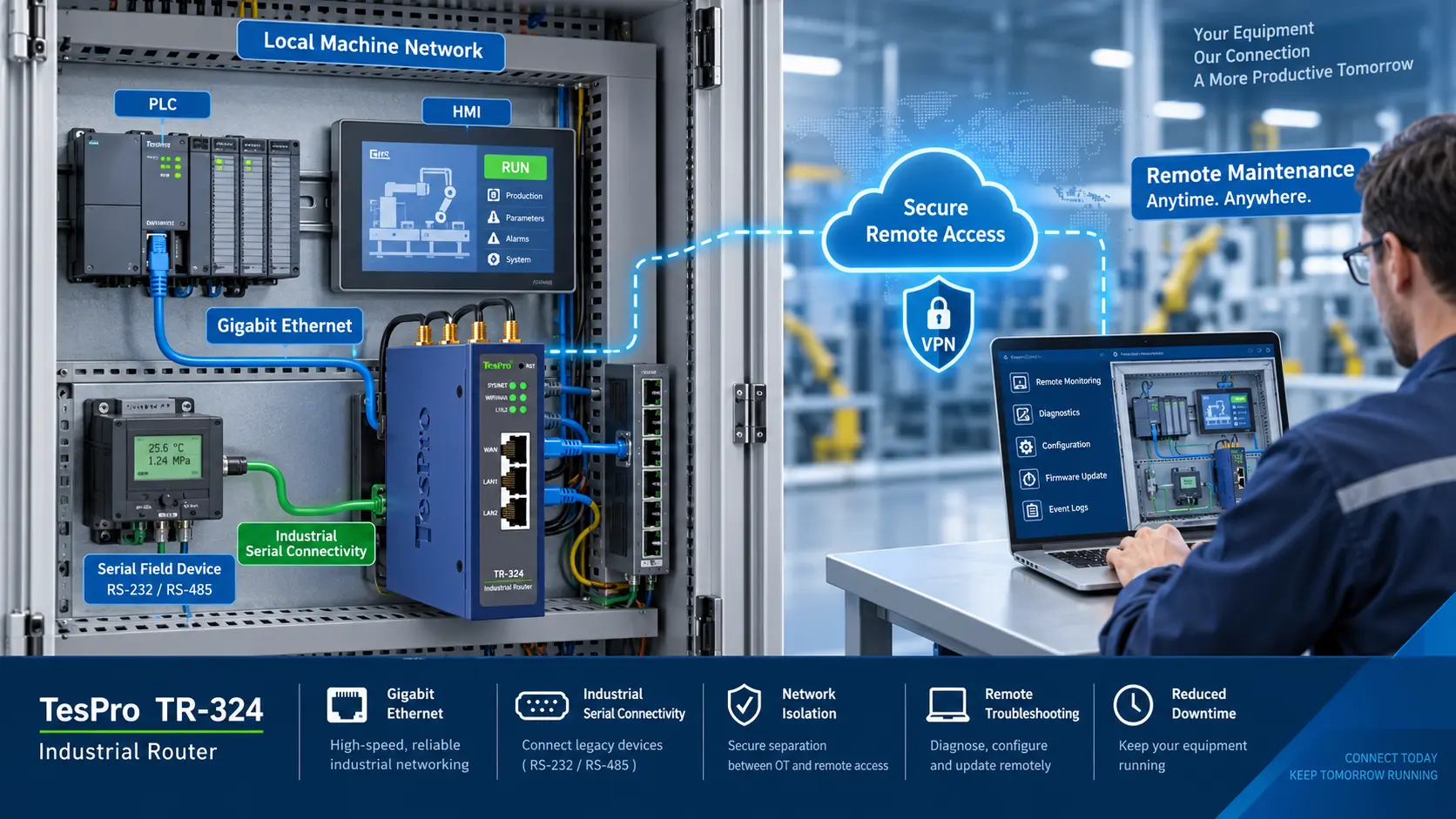
Tespro Industrial Router supports hybrid access and automatic failover. With Dual SIM standby and triple backup switching through wired, Wi-Fi, and 4G links, the router can help keep AMI/AMR sites online when one network path becomes unstable.
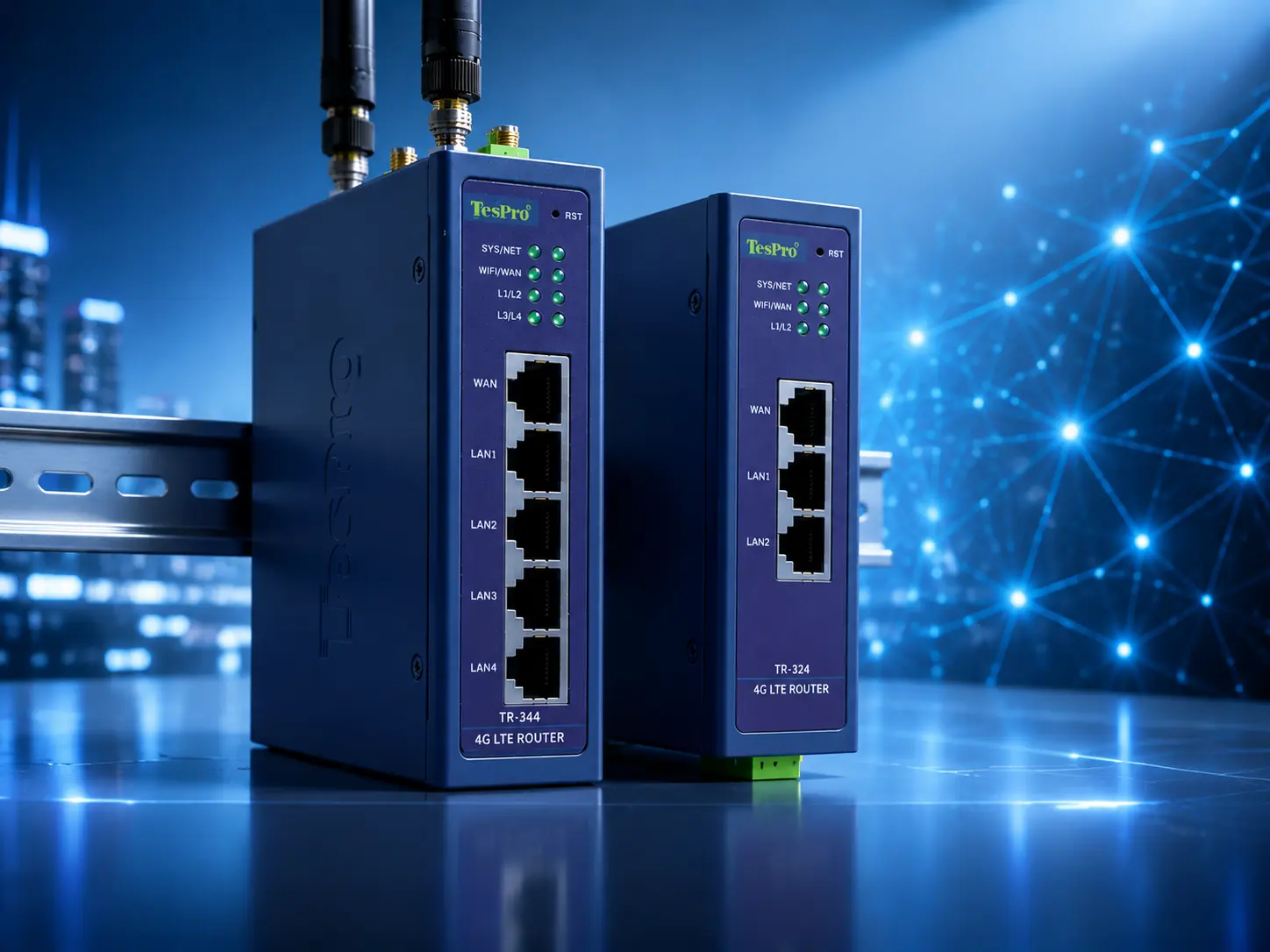
For utilities, this means fewer blind spots, faster data access, and lower manual maintenance pressure. For smart city teams, Tespro Industrial Router helps build a more flexible network foundation for the next decade.
1.Why are utility networks moving from GPRS to 5G?
4G and 5G provide higher bandwidth and lower latency, which can support real-time monitoring, remote control, firmware updates, and more frequent AMI/AMR data collection.
2.Can Tespro Industrial Router support old and new networks together?
Yes. Tespro Industrial Router supports GPRS, 4G, 5G, and NB-IoT, helping users build a hybrid network without replacing everything at once.
Tespro helps utility operators move from legacy connectivity to modern industrial networking at a practical and manageable pace.