-1791966549842.webp)





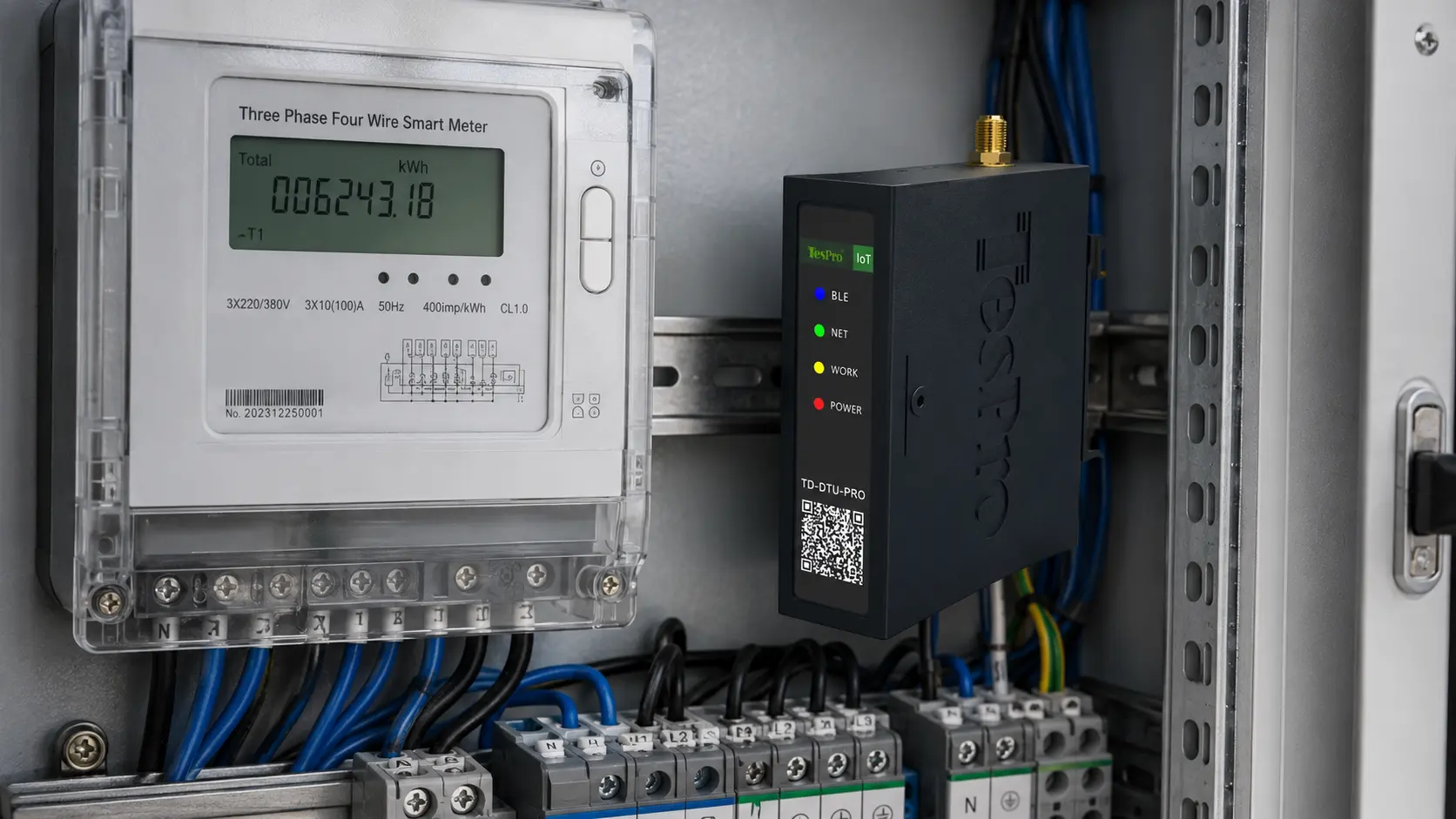
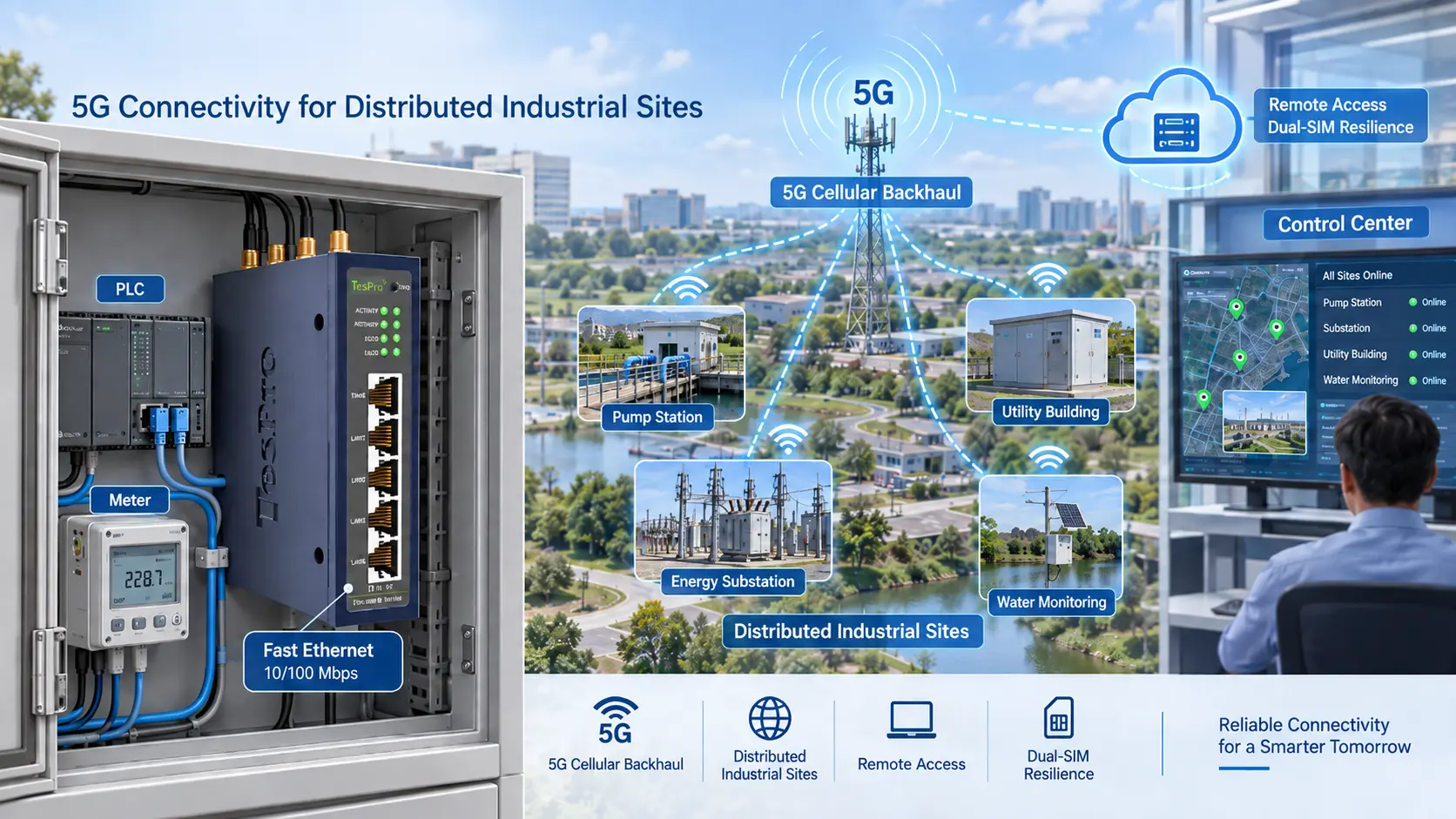
Field meter sites are often distributed across different regions. Some sites have weak power supply. Some sites are difficult to access. Some sites need location tracking and remote diagnostics. A reliable Data Transmission Unit needs to support these real deployment conditions.
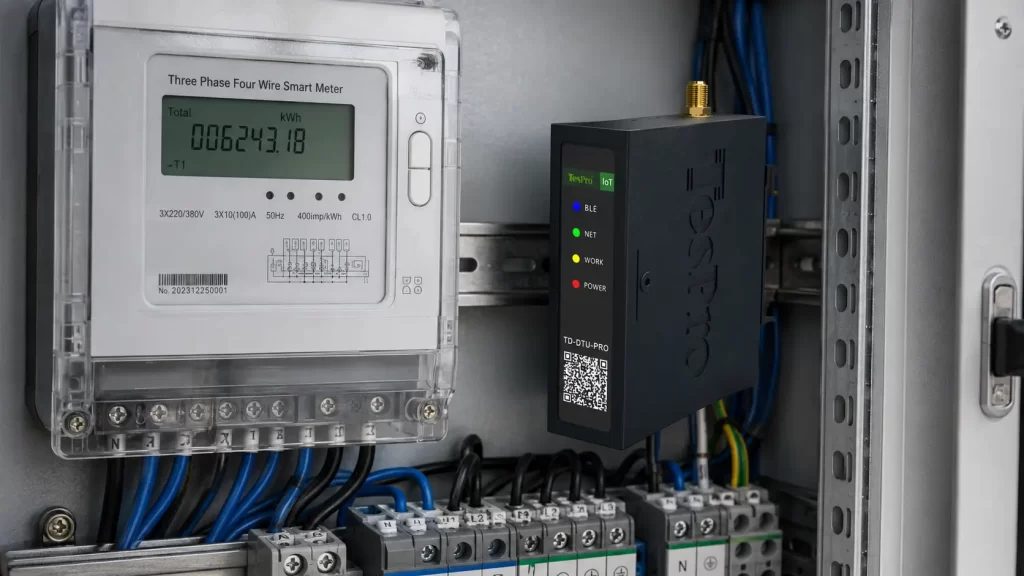
Tespro Data Transmission Unit supports multi-mode, all-network communication, including 2G, 3G, and 4G options. Many smart metering projects use 4G Cat-1 because it provides stable coverage and practical energy efficiency. For different countries and carrier networks, Tespro DTU can also use different communication cards to match local frequency bands.
GNSS positioning is integrated into the DTU. This helps asset managers confirm where each device is installed and detect movement or abnormal relocation. In large-scale deployments, location data can reduce maintenance time when a site goes offline.
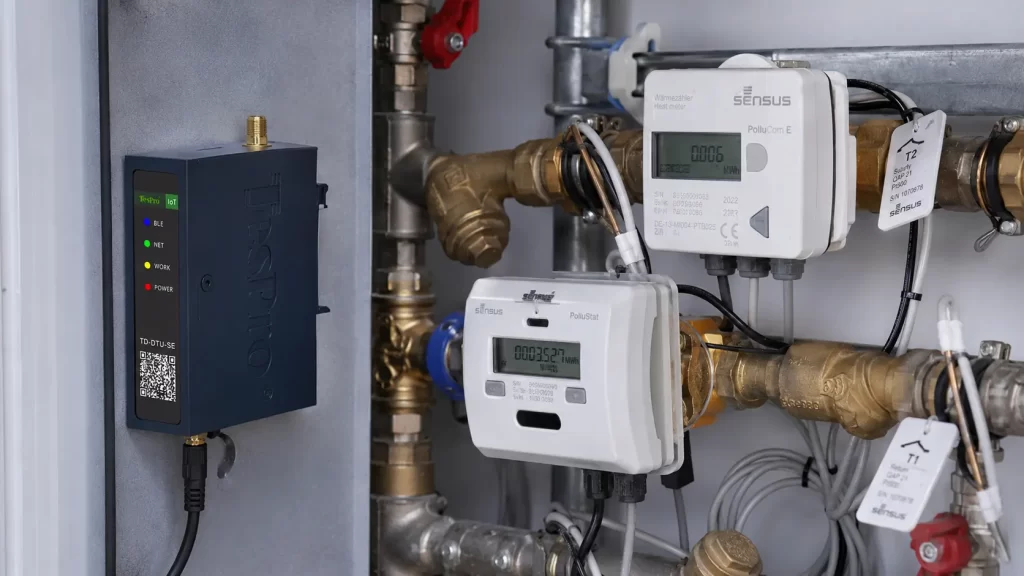
Tespro DTU also includes a high-capacity built-in battery. This allows the device to continue working in places where external power is unavailable or unstable. Remote control functions allow authorized users to adjust reading frequency, manage transmission windows, run diagnostics, and update configuration.
1.Why does a DTU need GNSS?
GNSS helps operators confirm device location, improve asset traceability, and reduce search time during field maintenance.
2.Can Tespro Data Transmission Unit work where power is unstable?
Yes. Tespro DTU has a built-in battery, which helps support meter reading and data transmission in power-constrained sites.
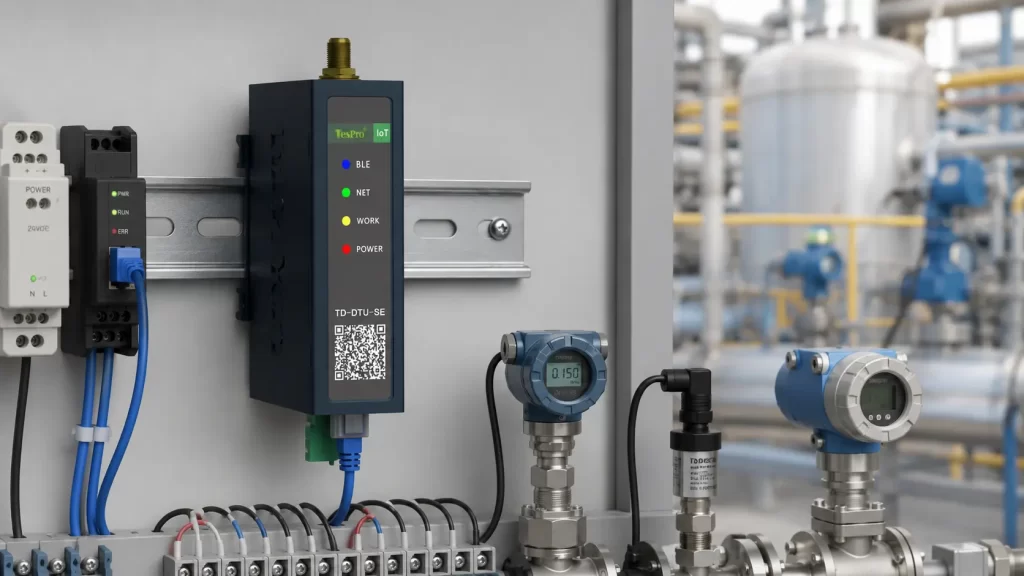
For smart metering projects that need scale, flexibility, and lower field maintenance, Tespro Data Transmission Unit provides 4G communication, GNSS positioning, battery support, and remote management in one compact device.