-1791966549842.webp)





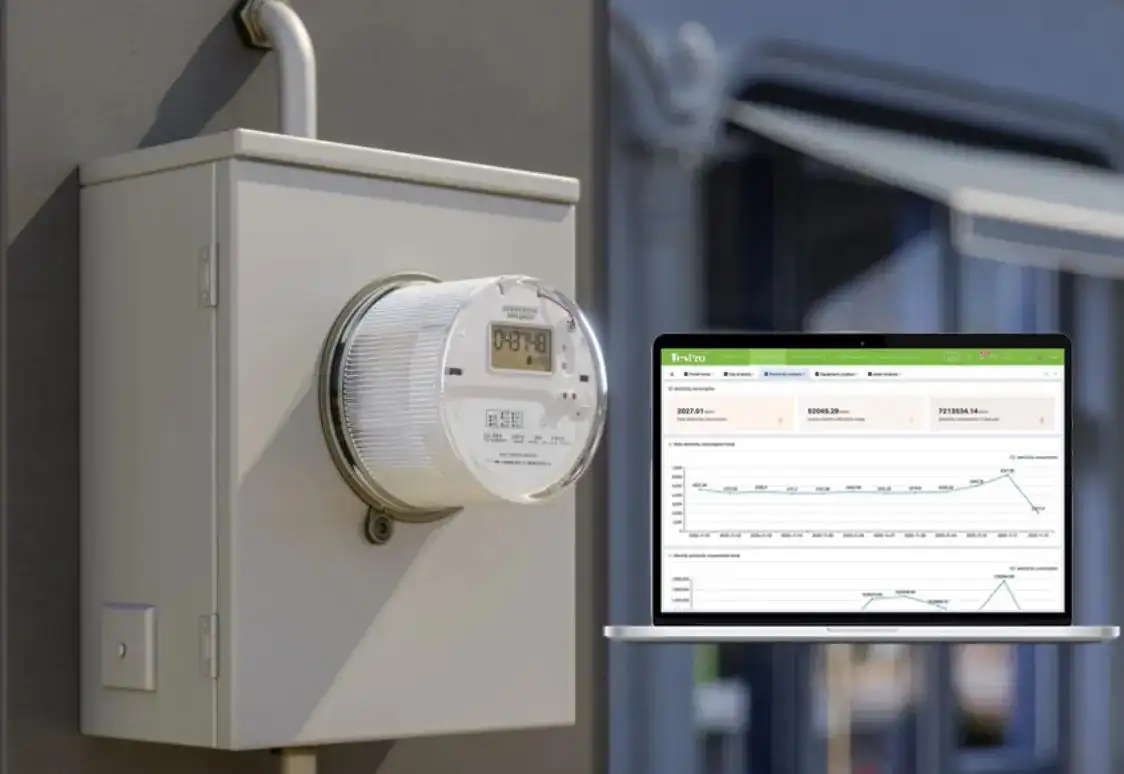

A Smart Energy Management Platform serves as the foundational infrastructure for the facilities adapting to the rapid Renewable Expansion and Cloud Migration expected in 2026. Solar and wind now drive over 90% of global electricity demand growth, while organizations move critical infrastructure to the cloud for real-time access and scalability. These forces demand flexible, protocol-agnostic solutions ready to deploy without months of development.
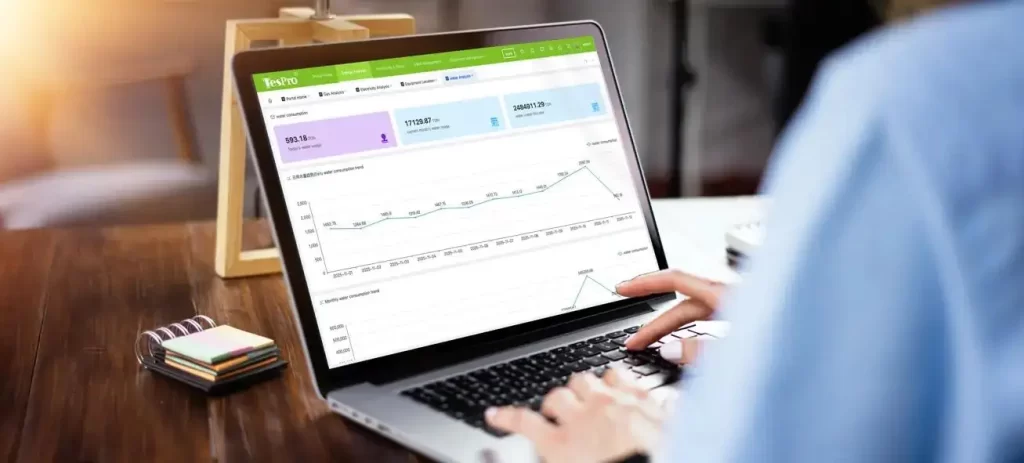
Tespro's SEMS (Product ID: SEMS) is a cloud-native platform that enables remote meter reading in seconds, supports public or private cloud, and eliminates in-house engineering—whether for a single site or distributed portfolios.
1. Cloud-First, But Control-First: Flexible Deployment for Every IT Strategy
By 2026, global sales in the public cloud market are projected at $1 trillion. But the model of "public cloud only" is not sustainable, and IDC predicts that by 2028, 40% of the large enterprises would have moved significant workloads due to data governance, sovereignty, and compliance. For the procurement team, especially with energy data (which is regulated), the flexibility of deployment is a must.
1)Multi-deployment architecture
SEMS has both a Software as a Service (SaaS) model for a lower cost and a rapid onboarding for a flexible, private cloud deployment where the enterprise has control over the data.
2)Major IaaS compatibility
The offered services on Abu Dhabi, Alibaba, Google, and Amazon allow the customers to deploy in a preferred cloud, staying in a single cloud option, or a hybrid cloud.
3)OS-agnostic design
The Smart Energy Management Platform manages and operates on the three main OS: Linux, Windows, and Mac, and prevents vendor lock-in.
This combined deployment option is a key differentiator. A buyer in 2026 won't be willing to accept an SaaS-only solution as that would lead to compromise on data governance. SEMS strikes the balance of flexible, secure cloud control, and private deployment to let the users serve operational needs without compliance.
2. Protocol-Agnostic Architecture for Real-World Renewable Integration
As the industry adapts to more complex renewable energy solutions, businesses run their facilities using multiple energy sources to meet demand. These sources include solar photovoltaic, wind, energy drawn from the grid, and energy stored in on-premise batteries. Each of these sources is metered by different companies with different communication protocols. Most organizations still run numerous, separate data sources and meter types, which complicates the operational process and prevents accurate consumption monitoring, billing optimization, and renewable energy credit verification.
1) Extensive protocol support
SEMS accommodates both local and global standards and covers a variety of communication protocols which include DL/T-645, Northern American standards, as well as TCP, UDP, and MQTT.
2) Versatile hardware integration
SEMS can acquire data from electric, water, gas, heat meters, and smart switches, and can do so via a single port/ interface.
3)Virtual metering
For facilities in renewable energy programs, SEMS enables accurate billing based on the net energy delivered to consumers and allows the billing of renewable credits per consumption.
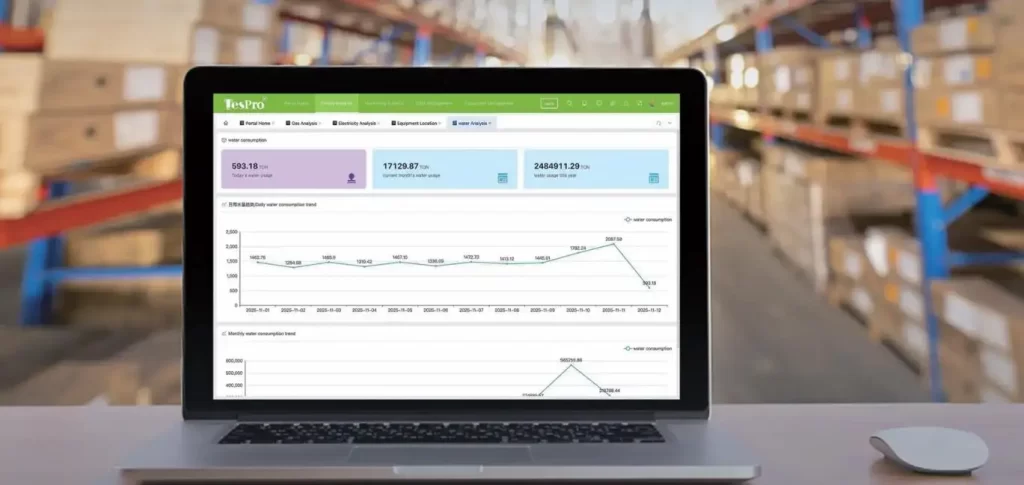
SEMS provides value to procurement teams by addressing the challenge of communicating with existing meters. SEMS removes the need for clients to standardize hardware before implementation. Instead, SEMS standardizes the data layer and integrates fragmented data from incompatible devices to form a unified view, accessible from any web browser or mobile device.
3. Real-Time Analytics Without Development Backlogs
Energy software purchasing in 2026 prioritizes time-to-value. Traditional software deployments eat up internal dev resources when they require custom integration. Today's energy digital management systems service the entire process from metering to utility orchestration. Buyers want immediate functionality in the systems they purchase.
1)Zero-development onboarding
SEMS is designed to serve global customers as a completely no-code, remote data and meter management system. This makes customer onboarding possible in as little time as a few days.
2) Design of custom screens for dashboard and forms
Users of the platform can design custom large-format dashboard screens and forms that integrate with their workflow.
3)Cross-platform access
TPC and mobile devices allow front-line employees to diagnose usage and respond to data from cross-platform systems. This system is fully integrated, including third party systems and data warehouses.
This approach reflects the current trajectory of the energy industry where automated energy monitoring with integrated software takes the burden of internal teams away from integration management and troubleshooting so they can focus on more strategic initiatives.
4. Event Handling and Management of Long-term Data
Customers are requesting services beyond advanced reporting and analytics. Customers are expecting more from you as more regulatory and ESG requirements leverage energy data. Buyers look for offerings where data management is sustained for longer periods and event handling is supported.
1)10 years of data storage
SEMS provides recorded and validated metering and asset data for a maximum of 10 years. This data storage capability serves compliance requirements and the need for extended data analysis without purchasing additional data management tools.
2) Management of event flags
The data management platform handles the captured data, alerts users, and manages ticketing via modernized billing in response to the captured/sensed spikes of meter consumption and falls of supply.
3) Determinants of billing
Billing incorporates the controlled and measured values of energy consumption and the intricacies of energy billing, as well as multiple tenancies, renewable energy included.
These attributes are aligned with the 2026 boardroom mandate and focus on de-risking operations with the provision of digital energy management to supplement enterprise value. Procurement teams are not users of a software management tool, but of a system that mitigates risk on energy through management of digital data with an audit trail for regulatory compliance.
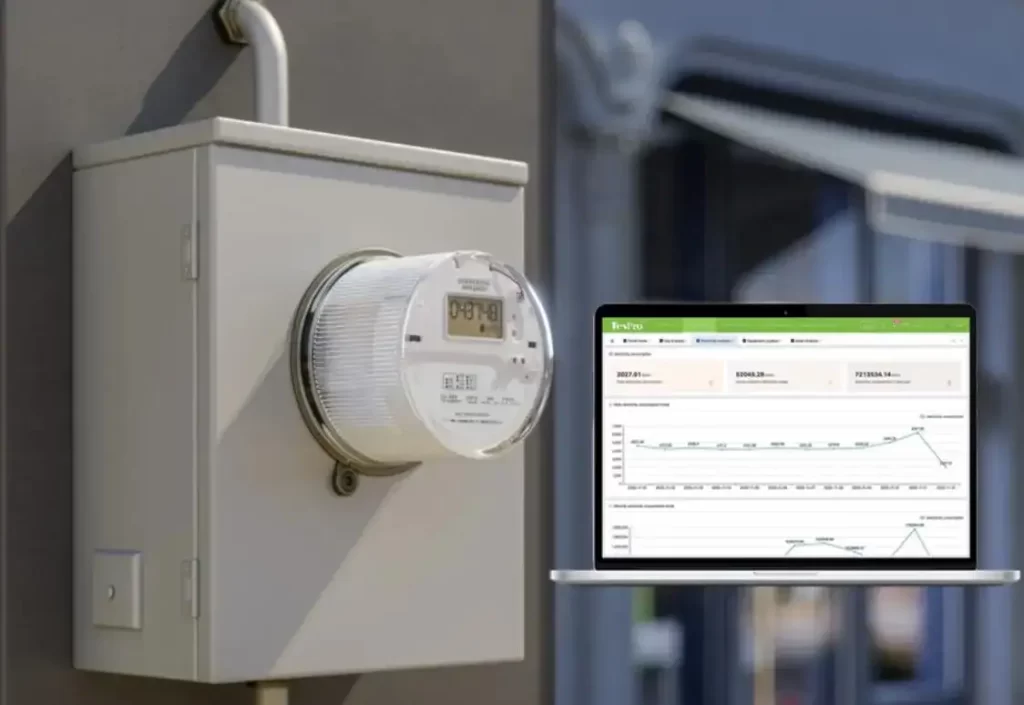
5. Designed for Flexibility and the Ability to Adapt to Future Energy Models
The energy market is projected to be radically reshaped beyond 2026 with over 400 GW of new capacity of renewables expected to come online between 2026 and 2030, with PV technology projected to dominate by 70%. It is expected that the number of distributed energy resources, fast EV chargers, and energy storage technology will increase in all Commercial and Industrial business establishments. Because energy markets are dynamic, Smart Energy Management Platforms cannot be completely rebuilt every two years. Fortunately, they can still change and adapt.
1) Support for multiple tenants
With SEMS, companies can collect energy data for different business units and utility services, and different locations.
2) Fully inter-operability of IoT devices
Because this platform is truly an open platform, almost all types of IoT devices can be integrated along with smart meters, smart switches, and other devices, and even gateways and DTUs.
3) Integration of third-party services
Because of its architecture, even data from already deployed ERPs, warehouse management systems, utility portals, etc. will be synchronized and continuously updated.
This architecture, combined with SEMS's support for multiple tenants and end-to-end inter-operatability, can maintain SEMS's support for third-party products. This flexibility will support SEMS's scalability, requiring customers to adapt to a rigid feature set. Instead, SEMS's flexibility will expand with the customers' needs.
Conclusion
In 2026, successful organizations move beyond fragmented, hardware-dependent systems to cloud-native platforms that integrate renewables and diverse meter protocols. Tespro's SEMS delivers exactly that: a Smart Energy Management Platform supporting public or private cloud deployment, communicating with any meter or IoT device, and providing real-time analytics without development. For procurement managers and facility operators, SEMS offers a practical, future-ready solution—no compromises, no backlog, and no lock-in.
FAQ
Q: Which meter protocols are compatible with SEMS?
A: SEMS supports IEC 62056-21, ANSI, ANSI-Type 2, DL / T-645, TCP, UDP, MQTT, and HTTP.
Q: Will I require developers to successfully implement SEMS?
A: Not at all. SEMS facilitates remote meter reading with zero development required. Innovation at a rapid pace, typically ready in only days.
Q: May I host my data on a private cloud?
A: Certainly. You may find SEMS available on both a public cloud SaaS and deployed in a private cloud via Alibaba, Google, or AWS.
Q: Can I use SEMS to bill renewable energy?
A: Absolutely. Virtual metering allows the billing of net energy that is delivered or received, enabling solar billing as well as multi-tenant billing.
Q: Which devices does this include?A: Electric, water, gas, and heat meters along with smart switches. All available through one dashboard