-1791966549842.webp)





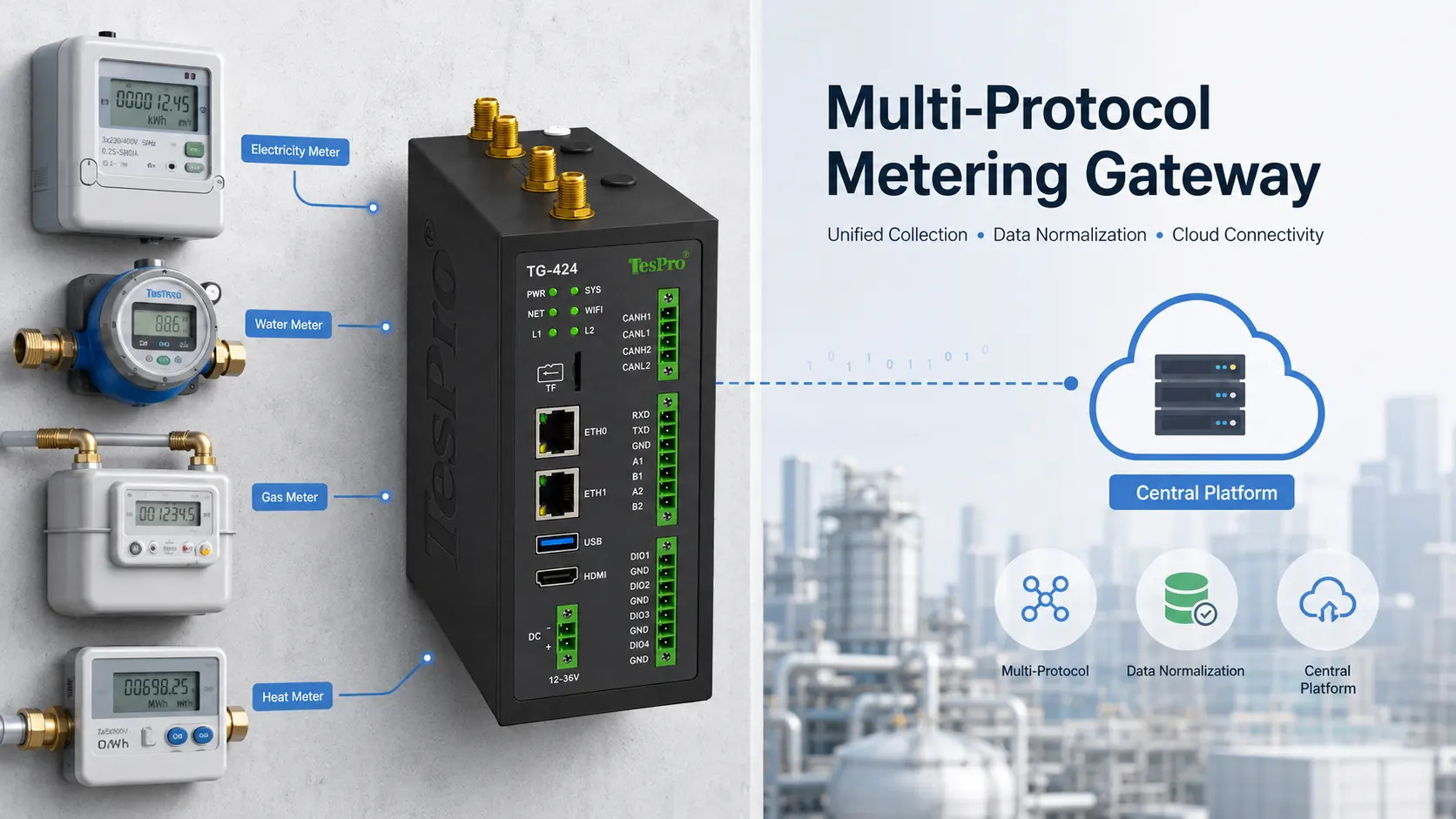

Multi-protocol metering must address physical interfaces, addresses, protocol versions, data objects, scaling and collection intervals. A unified gateway adds value by normalizing different meters rather than merely uploading raw bytes.
Key Takeaways
- Meters with the same named protocol may still vary by vendor
- Collection cycle is limited by bus and point count
- Raw values, engineering values and quality flags should be distinguished
Start with the Application, Not the Model
Multi-protocol metering must address physical interfaces, addresses, protocol versions, data objects, scaling and collection intervals. A unified gateway adds value by normalizing different meters rather than merely uploading raw bytes. In a real project, meters with the same named protocol may still vary by vendor and collection cycle is limited by bus and point count must be considered in the same architecture. Begin with the workload, field devices and operating model rather than one marketing specification.
A Clear Deployment Approach
A practical sequence is to confirm meter brand/model and interface and protocol version, then verify addressing and data-item list, and finally test raw values, engineering values and quality flags should be distinguished with the real equipment. Record pass criteria so the design can be repeated across sites.
Operational and Maintenance Conditions
Promising compatibility without meter samples and communication documents increases commissioning risk. Public content and project documents should therefore state model, firmware, regional network, options and environmental conditions and avoid unverifiable claims such as 'works for every project' or 'absolute reliability'.
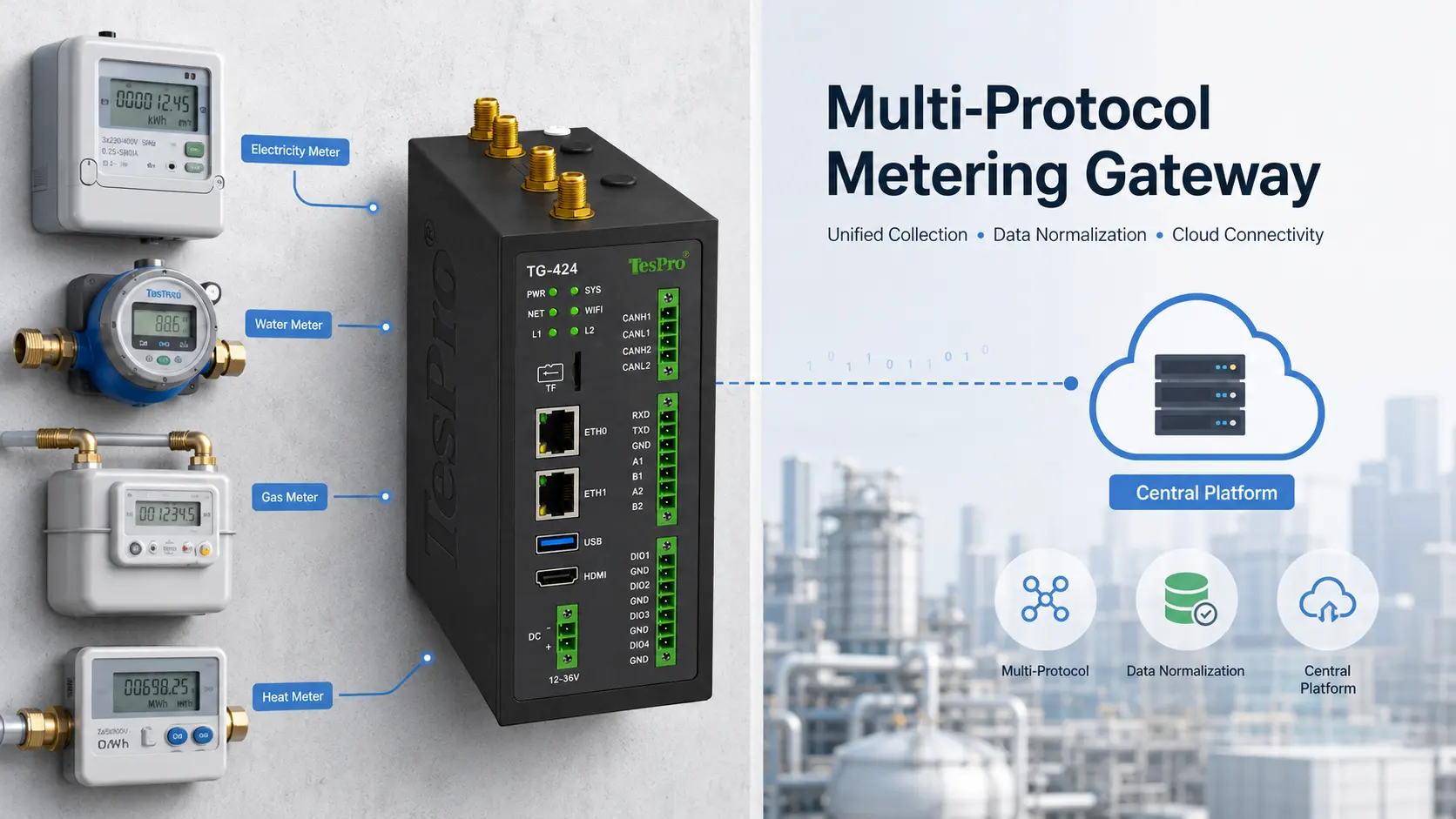
How Tespro Fits
Tespro TG-424 material lists DL/T645, IEC 62056-21/IEC1107, Modbus and other metering-related protocols for multi-meter evaluation. Validate with the target meters.
Decision and Verification Table
| Decision factor | What to verify |
| Meters with the same named protocol may still vary by vendor | Confirm against meter brand/model and document pass/fail criteria in the pilot or site test. |
| Collection cycle is limited by bus and point count | Confirm against interface and protocol version and document pass/fail criteria in the pilot or site test. |
| Raw values, engineering values and quality flags should be distinguished | Confirm against addressing and document pass/fail criteria in the pilot or site test. |
Compatibility and Selection Checklist
- ✓ Meter brand/model
- ✓ Interface and protocol version
- ✓ Addressing
- ✓ Data-item list
- ✓ Collection cycle
- ✓ Platform data model
Frequently Asked Questions
Q: Can every DLMS meter be read directly?
A: Not guaranteed. Media, authentication, objects and security suites can differ.
Q: How many meters can one RS485 bus collect?
A: Calculate from baud rate, frame length, polling cycle and wiring.
Q: Why is a normalized data model useful?
A: It simplifies platform reporting, alarms, comparison and future meter replacement.