-1791966549842.webp)







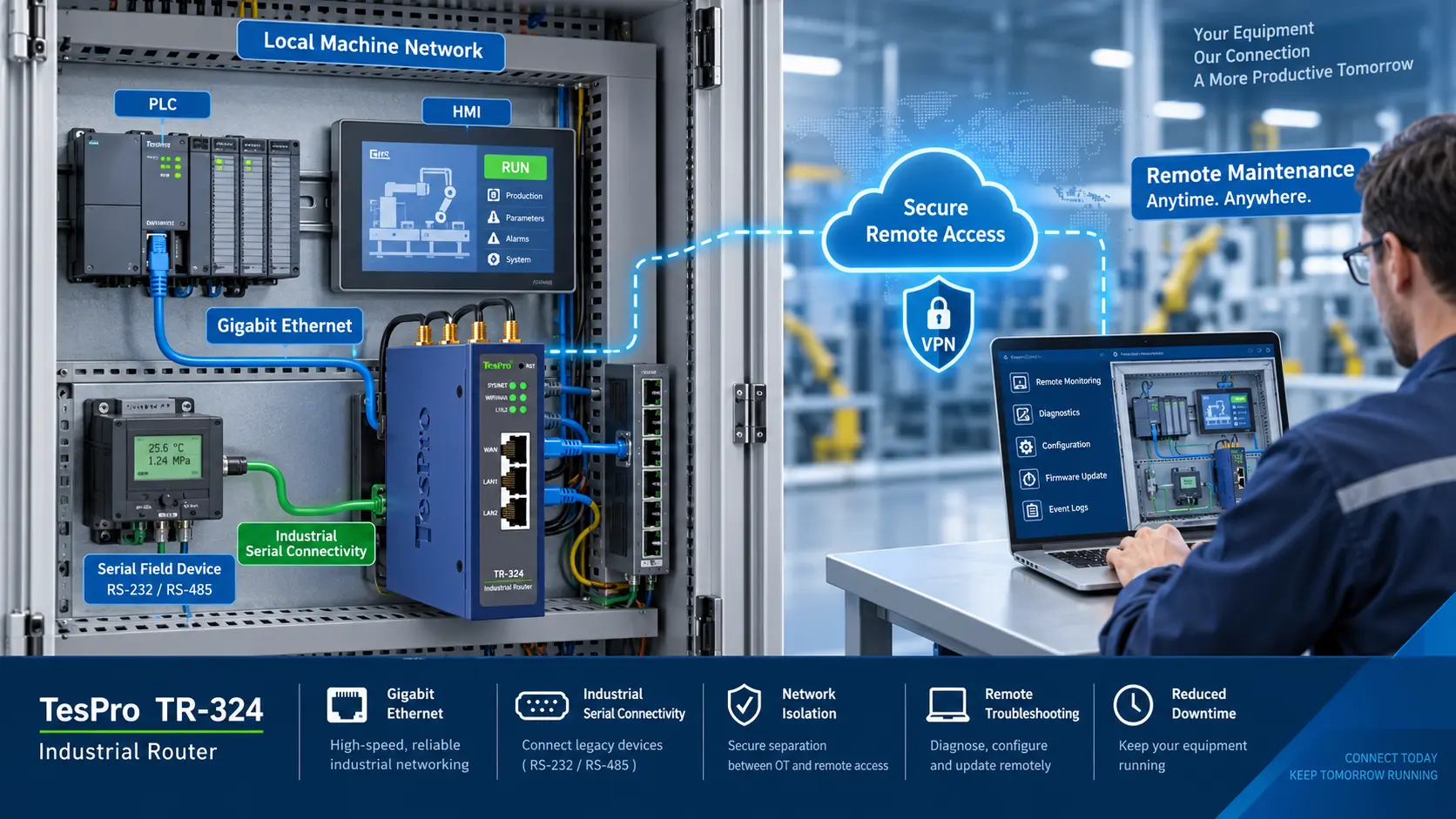
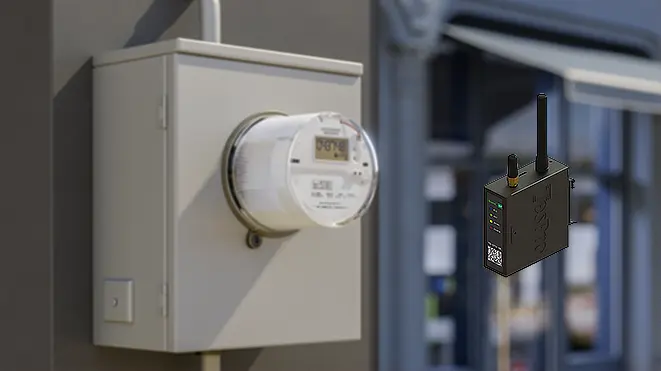
An IoT wireless DTU device is a hardware unit that is used to relay data of field devices to a network platform using cellular or wireless communication technologies. It encodes serial data of equipment into data packets of IP and transmits it safely to cloud platforms or servers.
Simply put, it is a remote data communication device that enables industrial machines to communicate over long distances without complex infrastructure.
An average industrial wireless DTU carries out some basic functions:
- Gathers information on industrial devices.
- Serial signal converts to network protocols.
- Passes data via wireless networks.
- Cloud monitoring and remote control.
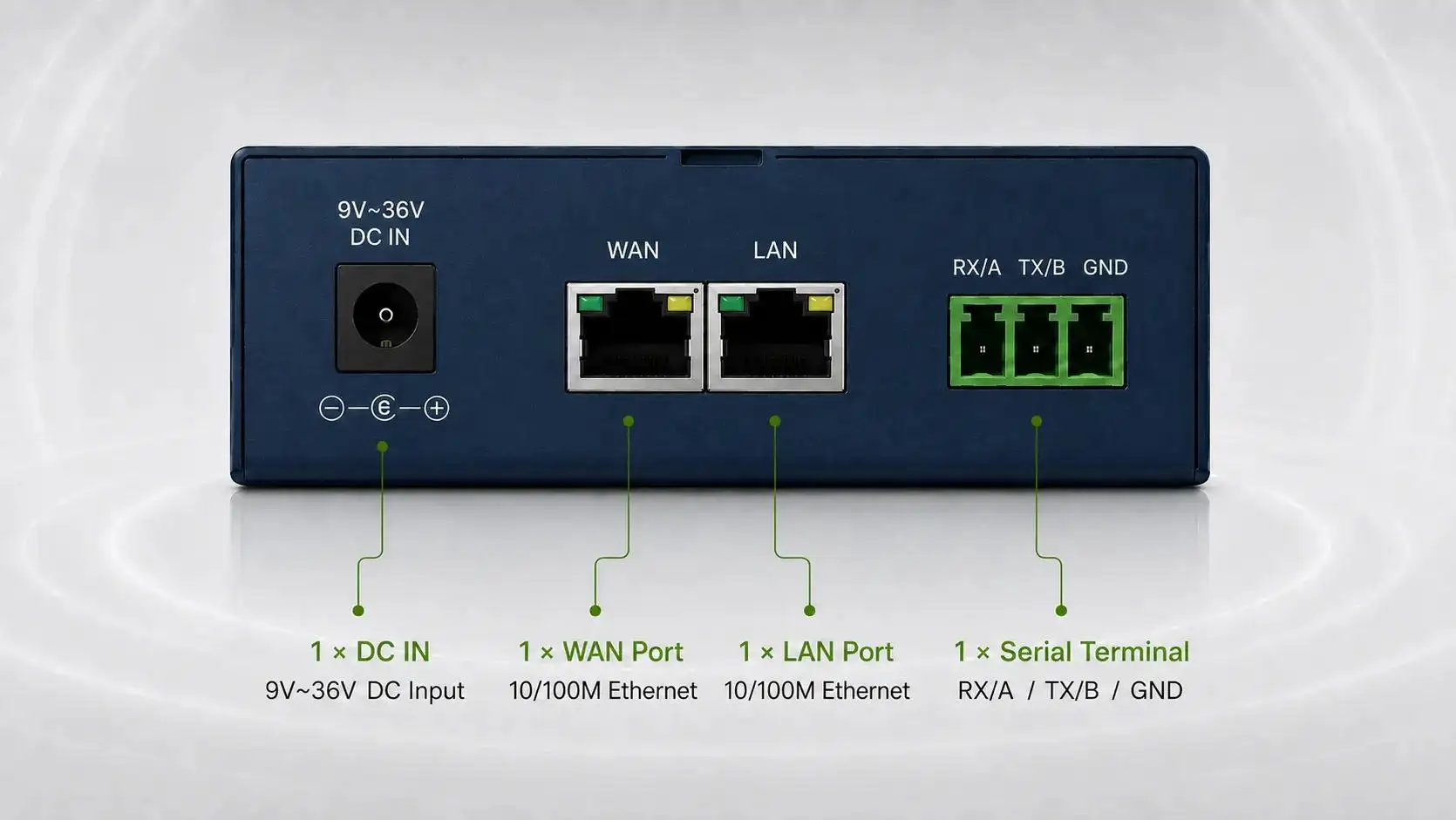
The majority of the modern IoT communication DTU systems can have several communication interfaces, including:
- RS232 serial communication
- RS485 industry communication.
- Ethernet industrial networking.
- TCP/IP data transmission
This is a flexible connectivity that enables the industrial data transmission unit to integrate the old industrial devices with new IoT ecosystems.
Fundamental Technologies of Industrial IoT DTU
An efficient cellular DTU in the IoT depends on a number of communication technologies to provide a stable connection in the industrial setting.
Cellular Communication Networks.
The cellular connectivity serves in many industries as a means of remote communication. Modern DTUs can support the following types of networks:
- 4G LTE communication module
- 5G industrial connectivity
- NB-IoT networks of communication devices.
- LoRa wireless communication.
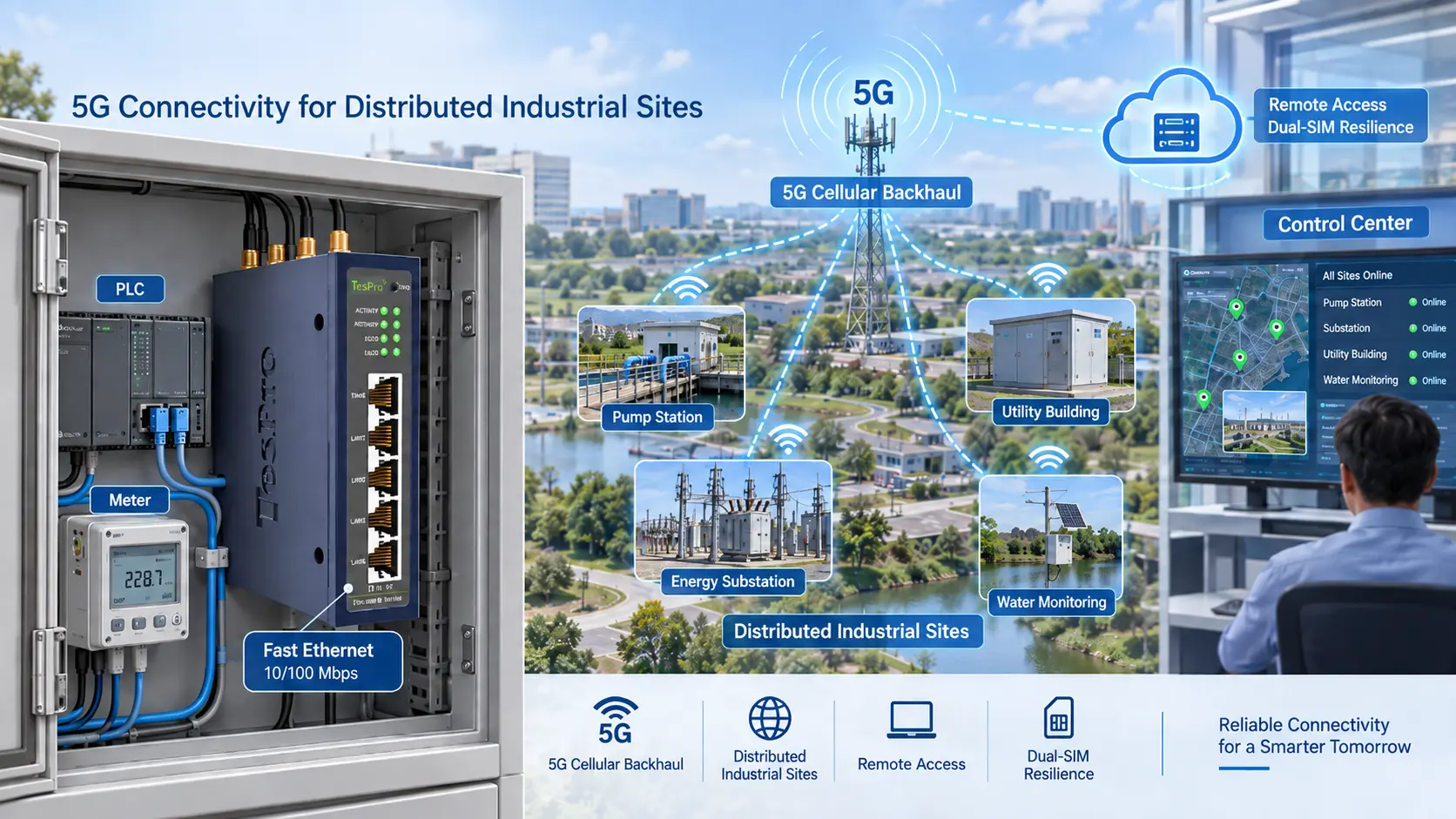
A particular type of 4G LTE wireless DTU of the IoT devices is particularly popular due to its high bandwidth, low latency, and high network coverage. These cellular networks enable machines situated in distant places, like pipelines or solar farms, to send operational data continuously.
Communication Support Protocol
The networks in industries rely on standard protocols of device interoperability. The protocols that a professional industrial IoT networking device is likely to support include:
- Communication using the MQTT protocol.
- TCP/IP data transmission
- Modbus RTU communication
- Modbus TCP
- HTTP and UDP protocols
These standards enable the IoT data transmission gateway to be connected with SCADA platforms, industrial control systems, and cloud dashboards.
Secure Data Transmission
In industrial IoT networks, security is paramount. The contemporary DTU devices have several protection measures:
- VPN secure communication
- SSL data encryption
- device authentication
- firewall protection
These capabilities will make sure that the secure industrial wireless DTU based on IoT can securely send sensitive operational information.
Why Smart Industries Need Industrial Wireless DTU Devices
The world is quickly embracing Industry 4.0 technologies in industries. Machines are getting interconnected; factories are going digital, and data is turning out to be the most valuable asset. Industrial automation. A wireless DTU allows companies to monitor and control equipment without having to touch the equipment.
Remote Equipment monitoring
The remote environments that industrial equipment may be used in include:
- oil fields
- power grids
- water treatment facilities
- transportation infrastructure
A remote monitoring wireless DTU allows the engineers to observe the performance of the system at centralized control centers. Temperature, voltage, pressure, and machine status are all examples of data that can be communicated in real-time to monitoring platforms.
Smart Factory Connectivity
The contemporary factories are dependent on interconnected machines. A wireless DTU of IoT in smart factories will provide seamless communication between the production lines, sensors, and control systems.
This connectivity enables:
- Predictive maintenance
- performance analysis of machines.
- production monitoring (automated).
Sensors in industry connectivity
Hundreds of sensors detect the operation parameters in industrial environments. A sensor data transmission IoT DTU collects the sensor data of these devices and sends it to data platforms to be analyzed. This assists companies in optimizing energy consumption, identifying anomalies, and enhancing equipment reliability.
SCADA Systems and Telemetry Wireless DTU
The supervisory control and monitoring of industrial automation systems is often based on the use of SCADA data transmission. A SCADA system wireless DTU enables remote devices to exchange information with central SCADA servers without the use of complicated wiring.
The devices can also accommodate industrial wireless DTU as a telemetry tool, and in this case, industries can monitor critical infrastructure like:
- networks of power distribution.
- gas pipelines
- , smart water meters
- , and environmental surveillance posts.
Telemetry monitoring systems gather real-time information from field devices and send it to cloud servers, where it is analyzed.
Application of Edge Computing in IoT DTU
A developed DTU incorporates edge computing gateway features, which enable processing of data at the device level.
Key benefits include:
- real-time data processing
- reduced network latency
- faster decision making
- improved system efficiency
The device does not need to send big amounts of raw data to cloud servers to industrial data collect and filter it, but does it locally.
Smart Networking of Devices
An intelligent wireless communication module in the industrial market can network hundreds of devices in a single network with smart networking. This enables organizations to develop distributed edge networking infrastructures to enhance the scalability and reliability of systems.
IoT wireless DTU in Industry
An optimal IoT wireless DTU is capable of being implemented in a broad field of industries.
Smart Energy Monitoring
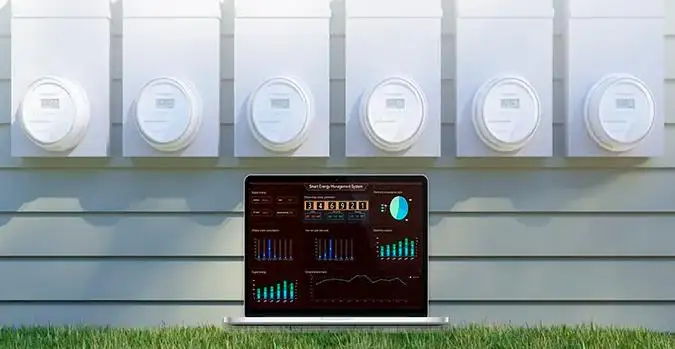
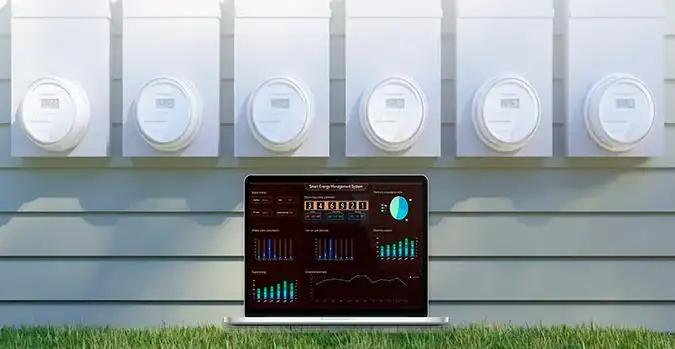
Energy systems should be continuously monitored to ensure that there is monitoring of electricity use and the quality of power. An energy monitoring system wireless DTU, can be used to gather information on smart meters and transmit it to cloud platforms to be analyzed in real-time.
Smart Metering Infrastructure
The industrial metering systems are based on remote data collection.
Tespro DTU solutions enable automatic meter reading, which is two-directional data communication between meters and cloud servers. (tespro-china.com)
Conclusion
A strong communication layer is on the other side of all the interconnected machines and smart infrastructure. This is an important task that the IoT wireless DTU does silently and makes sure that the industrial devices remain connected, monitored, and optimized. With the trend of industries taking smarter operations, connectivity is the key to success. The innovative IoT ecosystem proposed by TesPro should be considered by businesses that require advanced industrial connectivity solutions.