-1791966549842.webp)







As the global AMI market continues expanding at an 11.6 percent compound annual growth rate, utility companies and smart grid operators face increasingly critical decisions when selecting industrial router wholesale partners. A poor procurement choice not only increases per‑device costs but can also create ongoing operational burdens and communication reliability risks throughout the entire AMI/AMR project lifecycle. When evaluating wholesale suppliers, buyers need to consider far more than unit price alone.

The first factor to evaluate is the supplier's supply model. Procurement through trading intermediaries may lower initial purchasing thresholds, but middle-tier markups ultimately increase total costs, and multi‑layer communication channels often delay problem resolution when technical issues or returns arise. The factory-direct supply model offers more transparent cost structures, consistent firmware version management, and faster technical support and return merchandise authorization processing. For large‑scale AMI deployments, these advantages far outweigh any minor per‑device cost savings.
What documents should buyers request from suppliers before placing a wholesale order?
Buyers should request five types of documents: temperature chamber test reports (verifying stability within the operating temperature range), EMC/EMI compliance certificates, mean time between failure calculation sheets (exceeding 100,000 hours is recommended), component batch traceability documentation, and industrial compliance certifications. These documents are essential for evaluating product quality and reliability.
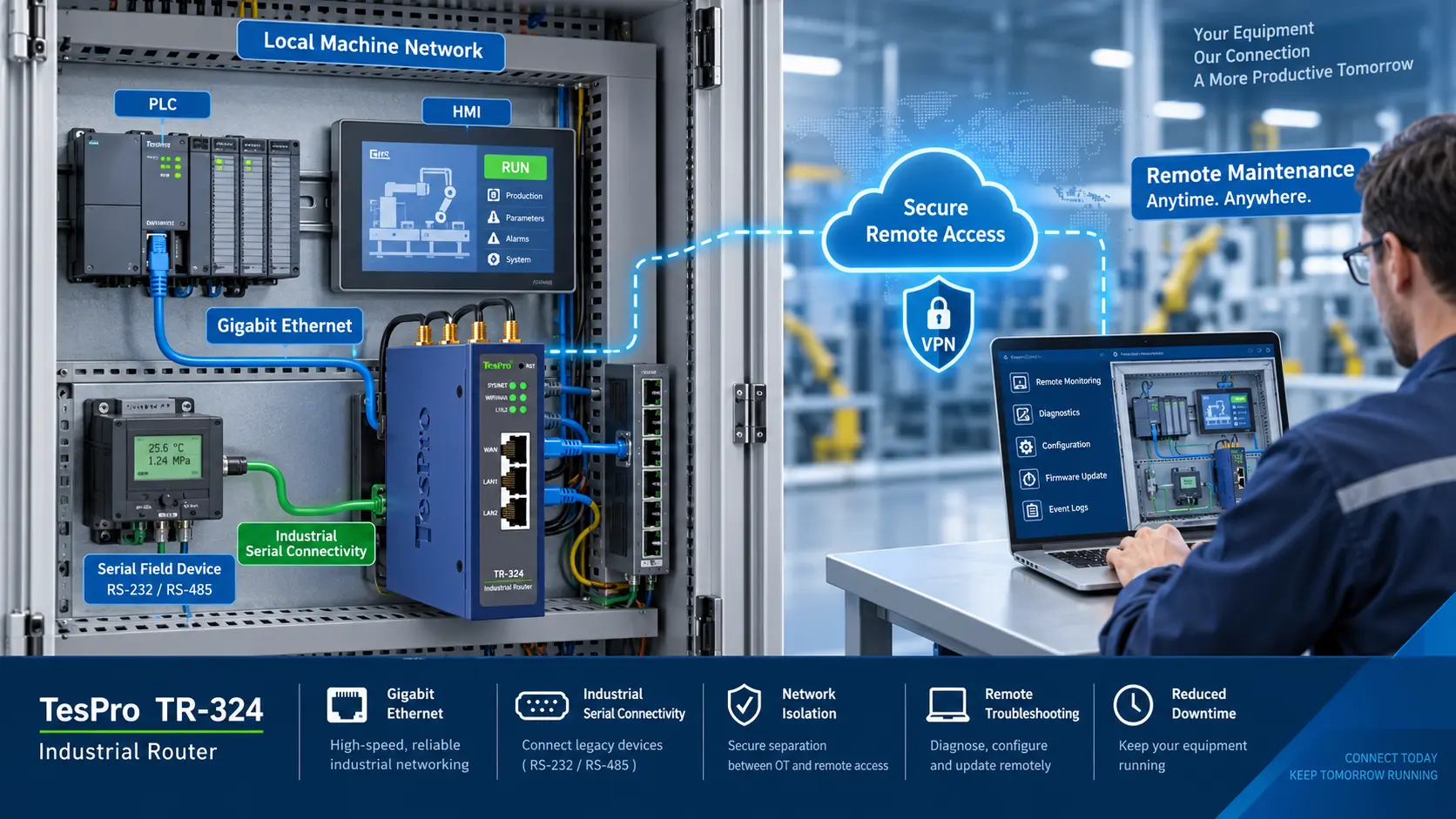
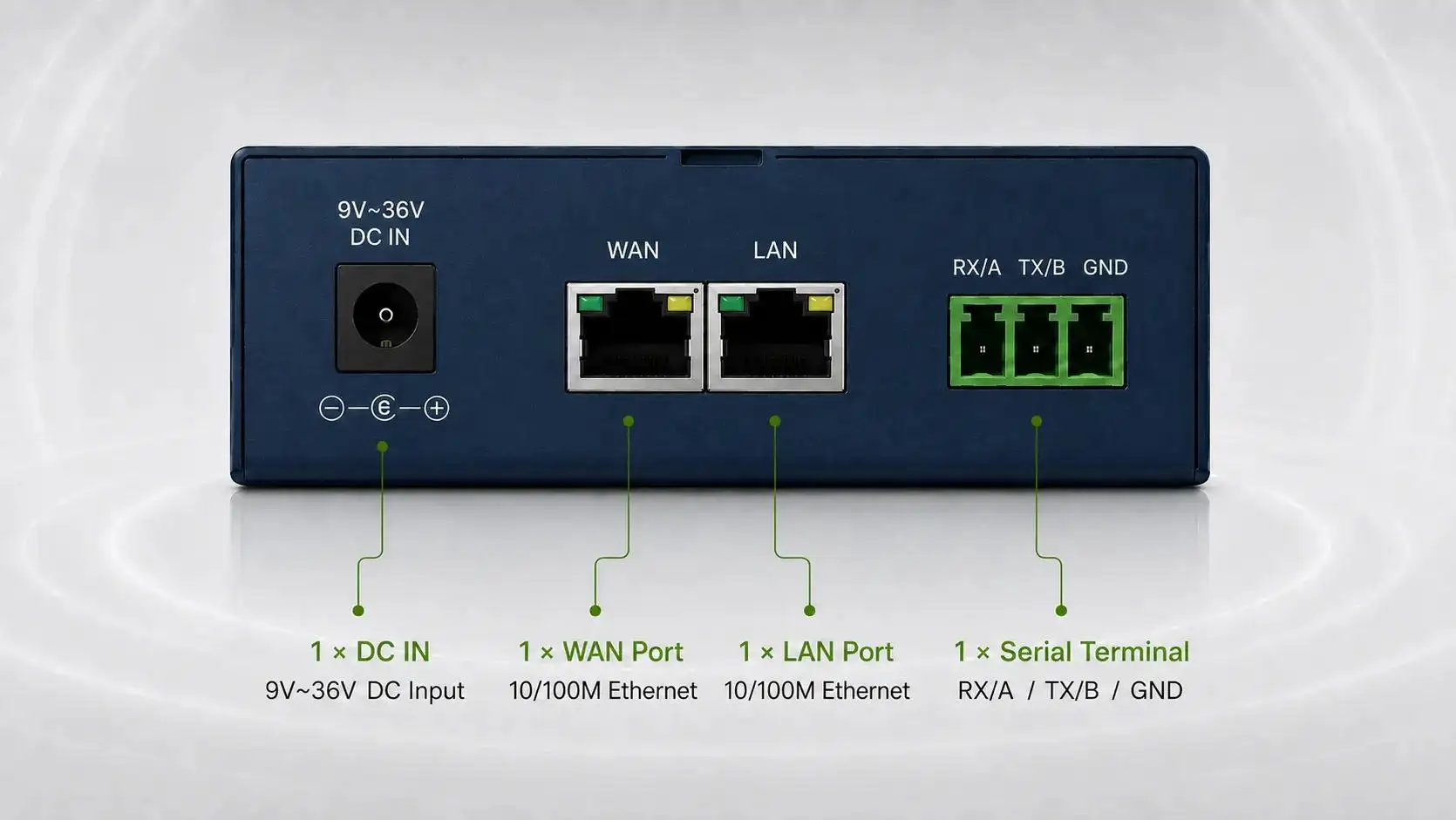
The second factor is whether technical specifications match actual deployment environments. The TR series operates from minus 40 to plus 75 degrees Celsius, accepts 5 to 30 volt DC input, and supports DIN-rail mounting — all designed for utility cabinets, substations, and outdoor pole enclosures. Every model includes both RS485 and RS232 ports, allowing wholesale buyers to simplify inventory management with one model meeting most compatibility needs.

The third factor is the supplier's support for bulk purchasing. As a direct manufacturer, Tespro offers tiered discounts based on annual volume commitments, with wholesale minimum order quantities typically ranging from 50 to 100 units. More importantly, Tespro can pre‑load protocol stacks such as Modbus, DNP3, IEC 104, or CJ/T 188 before shipping, while also completing SIM provisioning. Devices arrive ready for installation, significantly reducing on‑site configuration work. For thousands of meter endpoints across different service areas, this pre‑configuration capability directly translates into shorter deployment cycles and reduced field labor.
The fourth factor is long‑term operations and maintenance support. The TR series supports remote management through a cloud platform, enabling batch firmware updates and remote configuration changes — essential capabilities for efficiently managing large‑scale AMI deployments. Additionally, factory-direct supply provides a standard 2‑3 year warranty, with advance replacement services for bulk buyers, and technical issues can be escalated directly to the manufacturer without distributor delays.