-1791966549842.webp)





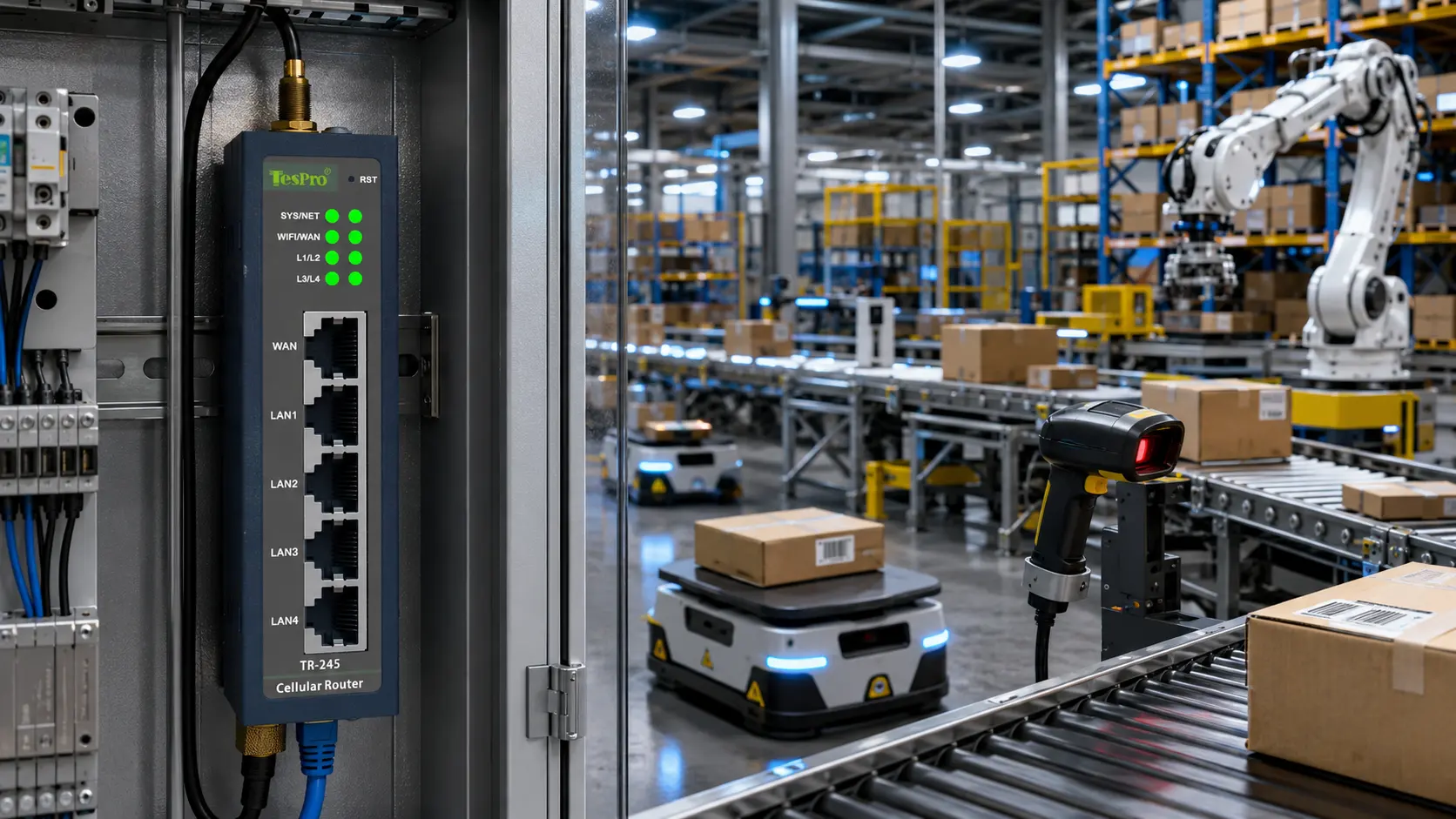

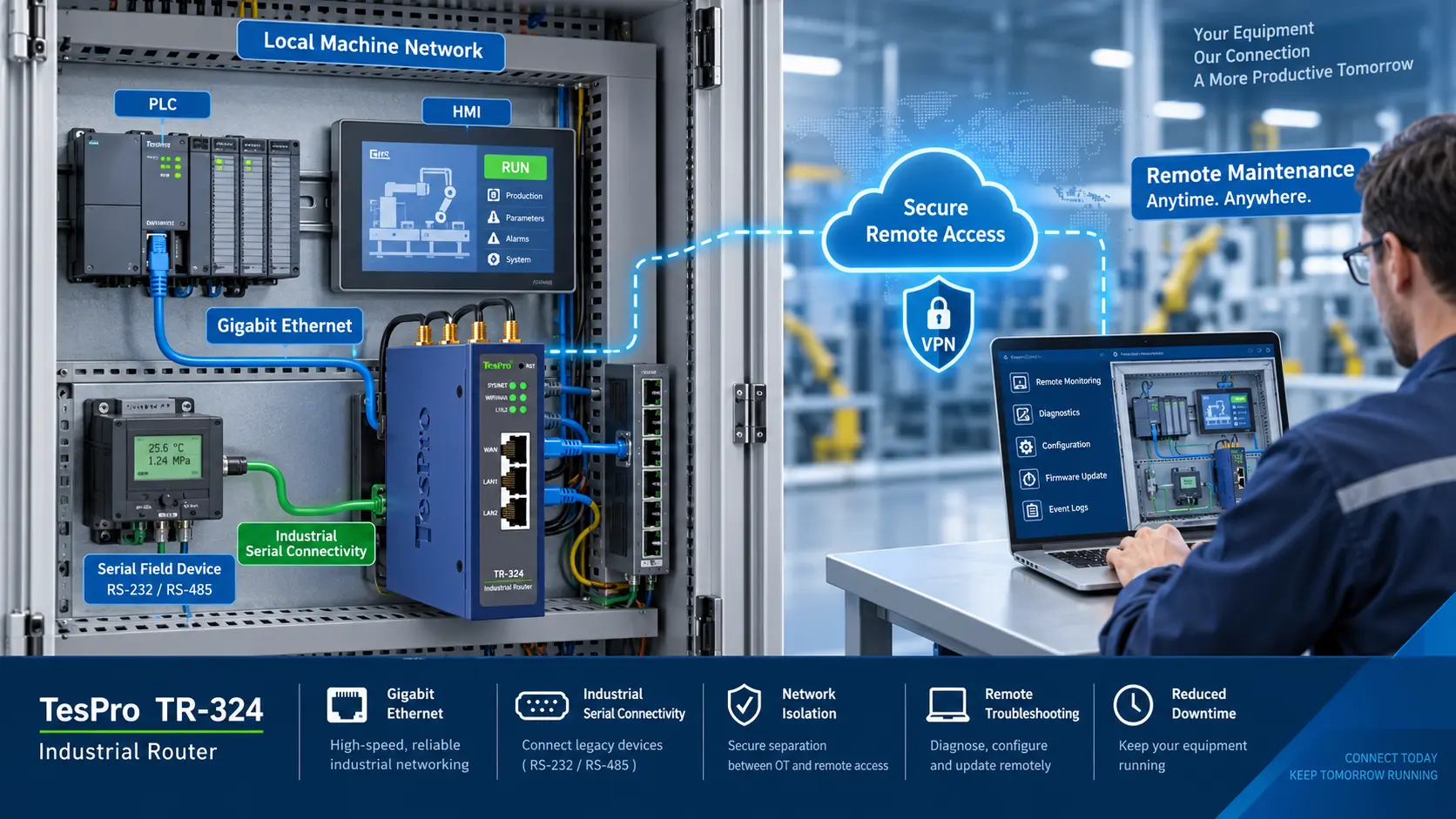
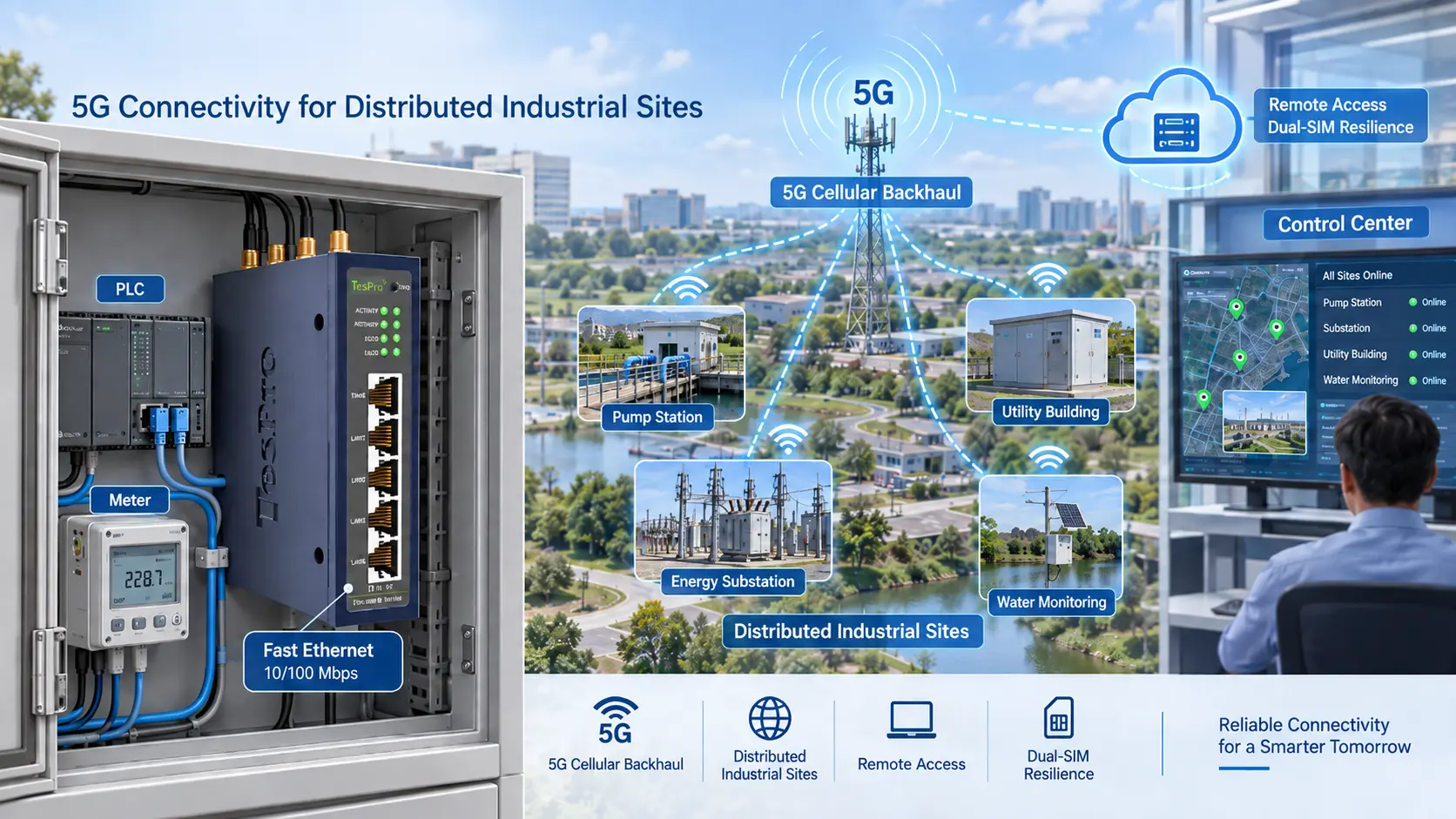
The communication requirements of modern advanced metering infrastructure have far exceeded what a single network can handle. Utilities are increasingly adopting layered hybrid communication networks that match the right transport to each use case: RF Mesh for low‑power endpoint data aggregation, 4G/5G cellular for high‑bandwidth backhaul, and private LTE for latency‑sensitive distribution automation. Tespro industrial routers support this hybrid communication architecture, helping wholesale buyers build flexible, efficient layered backhaul networks without forcing lock‑in to a single connectivity standard. The routers simultaneously support cellular, Ethernet, and serial connections, functioning as gateways between RF Mesh networks and cellular backhaul, uploading aggregated metering data to the master station system.
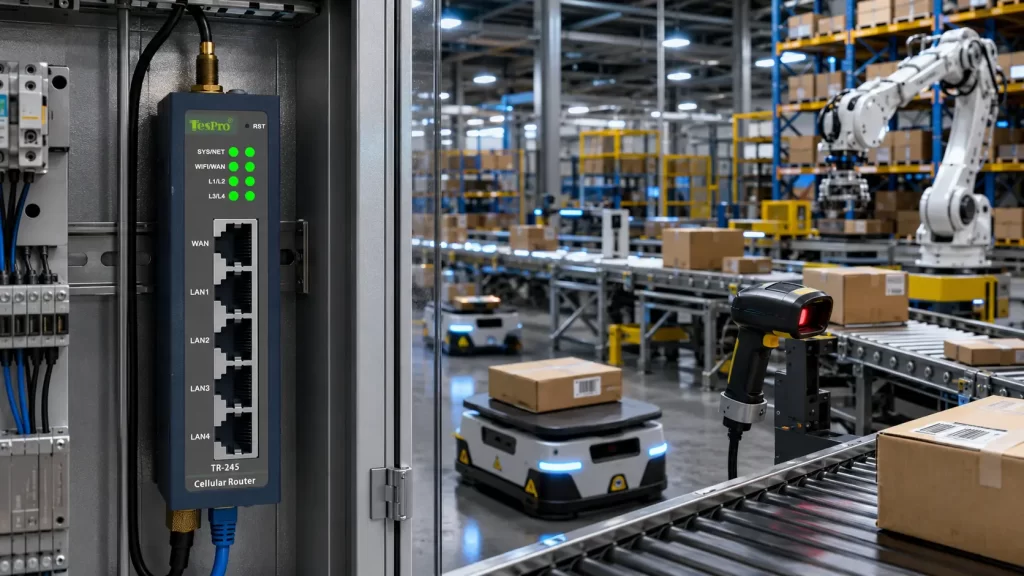
Private LTE networks are another important development direction for large and medium‑sized utilities. Unlike relying on public carrier networks, private LTE gives utilities dedicated spectrum resources for predictable performance and stronger security in critical areas. Tespro industrial routers fully support private LTE network deployment, seamlessly integrating with mainstream private LTE base station equipment. For distribution automation, distributed energy resource integration, load control, and other applications with stringent latency and security requirements, private LTE combined with Tespro routers provides end‑to‑end controllable communication links. The router's built‑in dual‑SIM redundancy applies here as well, automatically switching between private and public networks to ensure communication never fails.
How do Tespro industrial routers support hybrid communication architecture, and what value does private LTE bring to AMI?
Tespro routers simultaneously support cellular, Ethernet, and serial connections, functioning as aggregation gateways for RF Mesh networks to seamlessly bridge low‑power endpoints to cellular backhaul. Private LTE networks offer dedicated spectrum resources, predictable performance, and stronger data security — particularly suitable for distribution automation, distributed energy integration, and other applications with high latency and reliability requirements.

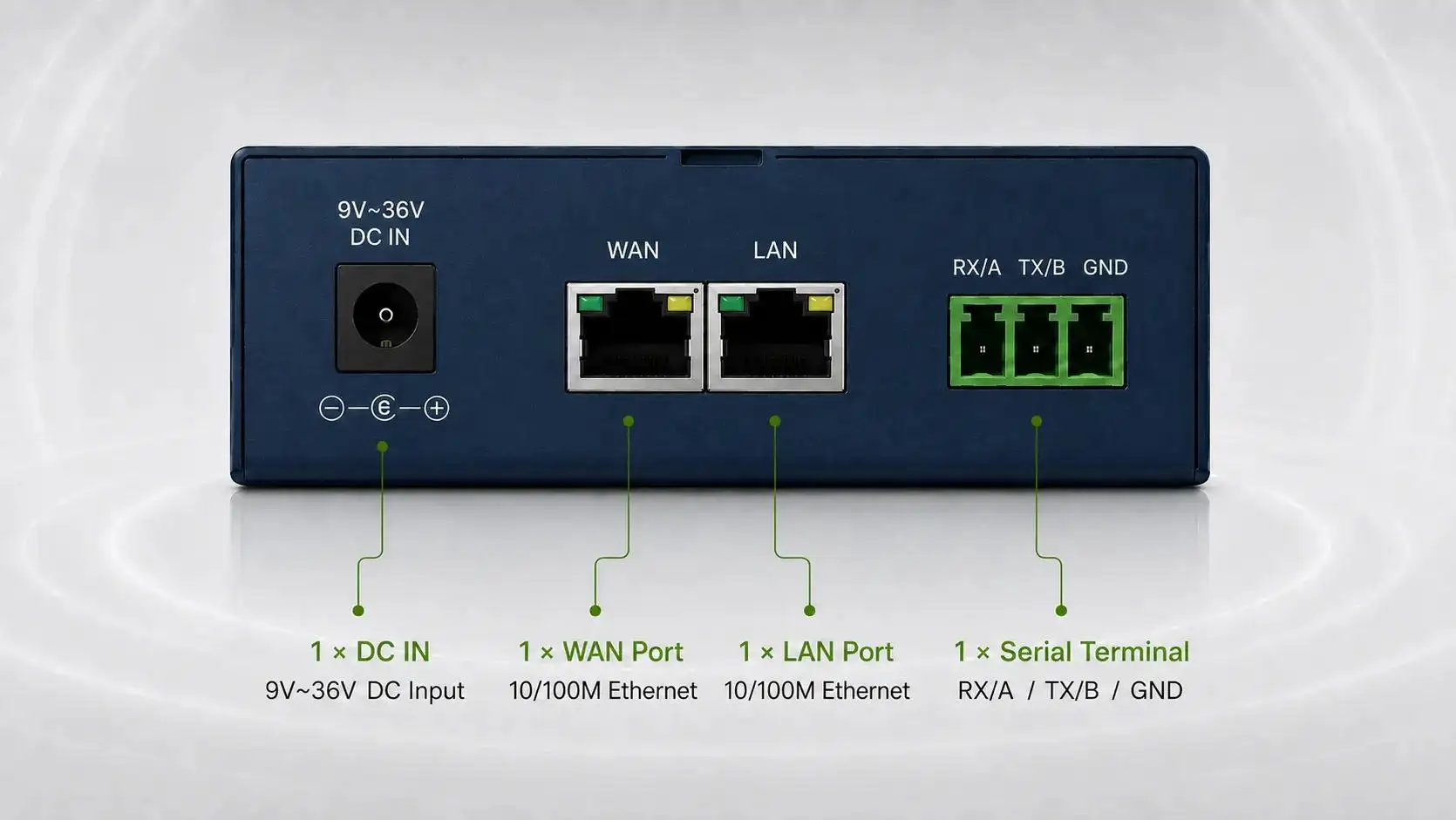
In hybrid communication architecture, Tespro router serial‑to‑IP bridging capability plays a critical role. Millions of field meters still rely on RS485 and RS232 serial interfaces, with potentially ten or more years of remaining service life. The routers natively convert serial protocols including Modbus RTU, DNP3 serial, and CJ/T 188‑2004 to TCP/IP for upload via RF Mesh or cellular networks without replacing existing meters. For wholesale buyers, this architectural flexibility means covering different deployment scenarios with the same router model: pure cellular backhaul in new areas, RF Mesh integration to reduce communication costs in meter‑dense areas, and private LTE for reliability at critical distribution nodes. One hardware, multiple deployment methods — simplifying inventory management and reducing field engineer training costs.