-1791966549842.webp)






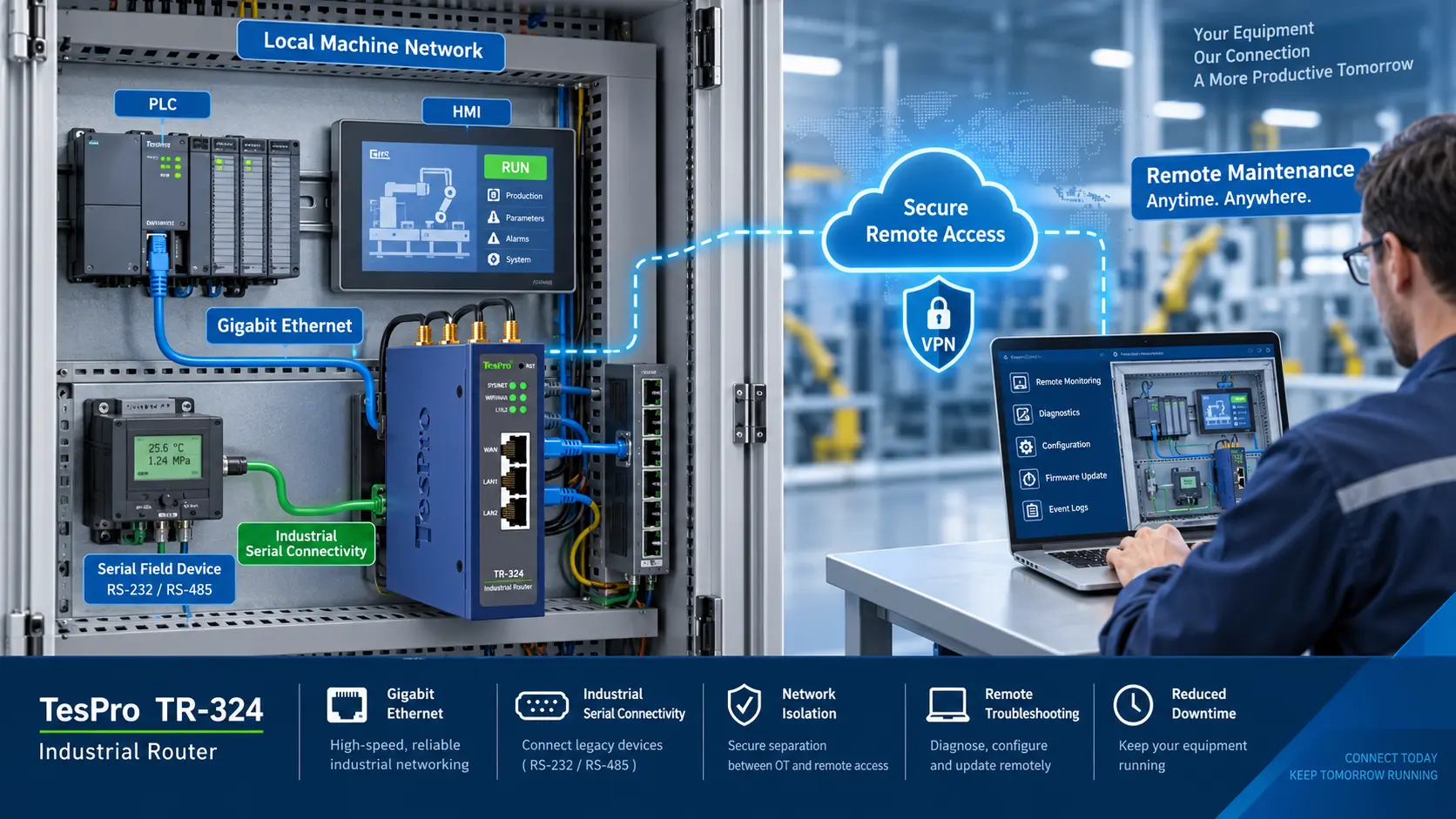
In today’s industrial world, network connectivity is not just a convenience—it’s a necessity. Industrial operations, such as manufacturing, energy production, water treatment, and smart factories, rely on robust networking to keep operations running 24/7. Choosing the right router is critical, but many companies still use commercial routers intended for home or office use, which can lead to unexpected downtime, network failures, and security risks.
Tespro’s industrial cellular routers are designed specifically for harsh environments, providing features that commercial routers simply cannot match. Let’s explore the major differences.
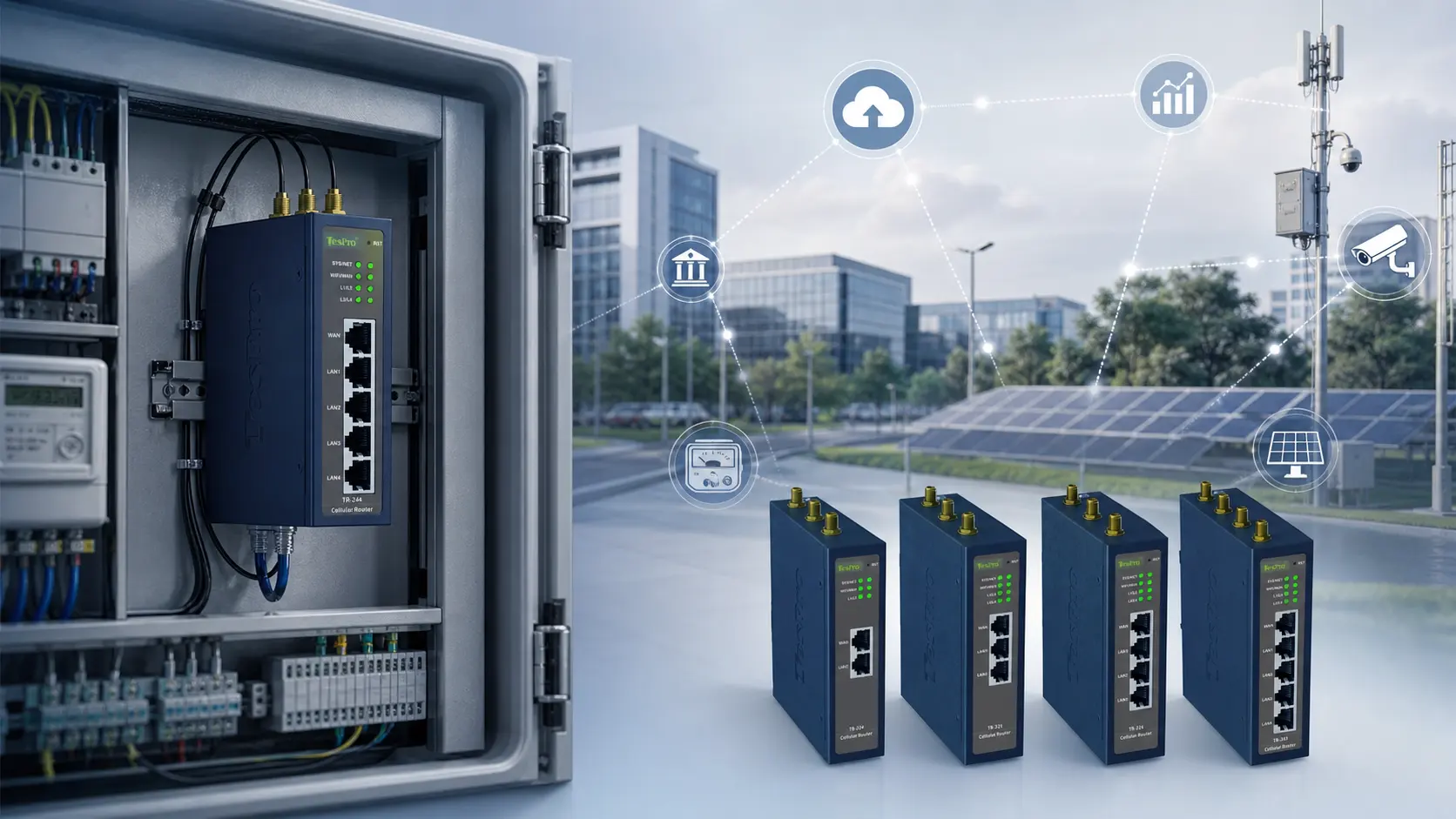
1. Rugged Design for Harsh Industrial Environments
Unlike commercial routers, which are built for stable indoor conditions, Tespro industrial routers are engineered to withstand extreme temperatures, vibrations, humidity, and electromagnetic interference. With a working temperature range of -40°C to 75°C, these routers continue to operate reliably in factories, outdoor solar farms, oil rigs, and remote IoT installations.
Key advantages include:
· Shock and vibration resistance
· Dust and water protection (IP30/IP40 options)
· Industrial-grade components for long-term reliability
These features ensure that your network stays online in conditions where commercial routers would fail.
2. Dual SIM Failover for Uninterrupted Connectivity
One of the most critical features of industrial cellular routers is dual SIM failover. Tespro routers automatically switch between primary and secondary cellular networks if one connection fails. Commercial routers lack this functionality, leaving industrial networks vulnerable to downtime.
Benefits of dual SIM failover include:
· Continuous connection for SCADA, PLCs, and IoT devices
· Redundant cellular network for remote sites
· Seamless transition with failover times under 5 seconds
For industries where every minute of downtime can lead to significant losses, dual SIM failover is a game-changer.
3. Industrial Protocol Support for IIoT Integration
Tespro industrial routers support a wide range of industrial protocols, including Modbus TCP/RTU, MQTT, IEC 104, and OPC UA. This makes them ideal for integrating with SCADA systems, sensors, PLCs, and edge devices.
In contrast, commercial routers typically only support standard TCP/IP networking, making them unsuitable for industrial IoT (IIoT) applications. With Tespro routers, data from machines, sensors, and monitoring devices can be securely transmitted to the cloud or local servers for real-time analysis and control.

4. VPN Security for Remote Industrial Sites
Security is another area where industrial routers excel. Tespro industrial routers include VPN capabilities such as OpenVPN, IPSec, and WireGuard, allowing secure remote access to industrial devices. Commercial routers may offer basic VPN features, but they are not designed for multi-site industrial networks or SCADA security requirements.
Advantages of industrial VPN include:
· Secure remote monitoring and troubleshooting
· Encrypted data transmission between factories or remote sites
· Protection against unauthorized access
With Tespro routers, industrial operations remain secure while providing engineers with the flexibility to manage systems remotely.
5. Continuous Monitoring and Cloud Integration
Tespro industrial routers integrate seamlessly with cloud platforms, allowing centralized management and real-time monitoring. Features such as remote firmware updates, system logs, and network analytics help operators maintain uptime and quickly resolve issues.
Commercial routers often lack these capabilities, leaving network maintenance more manual and error-prone. By using Tespro industrial routers, companies can implement a truly connected and intelligent industrial network.

6. Long-Term Reliability and Cost Efficiency
Although Tespro industrial routers have a higher upfront cost compared to commercial routers, their durability and advanced features reduce maintenance costs and downtime in the long run. For industries with mission-critical applications, investing in industrial-grade networking is far more cost-effective than constantly replacing failed commercial routers.
Cost-saving highlights:
· Reduced downtime and production loss
· Lower maintenance frequency
· Extended hardware lifespan
Choosing a router for industrial applications is more than picking a networking device—it’s about ensuring reliability, security, and efficiency. Tespro industrial cellular routers provide rugged design, dual SIM failover, industrial protocol support, VPN security, and cloud integration, delivering connectivity that commercial routers cannot offer.
Investing in Tespro means investing in uninterrupted operations, enhanced productivity, and long-term cost savings. When your industrial network matters, don’t settle for anything less than industrial-grade reliability.