-1791966549842.webp)





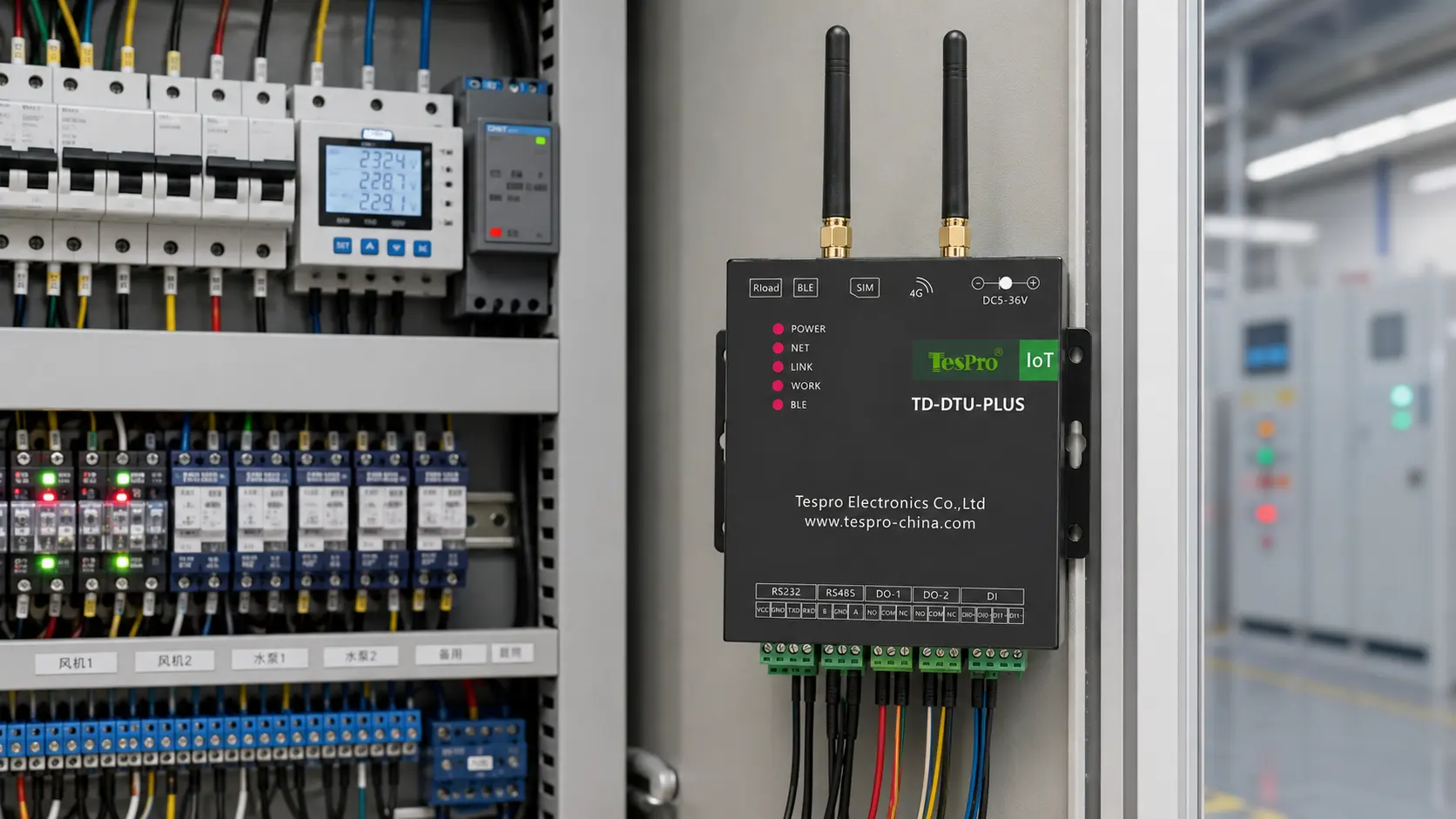

In advanced metering infrastructure projects, different meter brands using different communication protocols is the most common and frustrating obstacle to system integration. A single project site often has multiple brands of electric, water, or thermal meters simultaneously. If the data transfer unit cannot support all these protocols, buyers are forced to either deploy different DTUs for different meters or invest heavily in custom development — both options increase project costs and complexity. Tespro's data transfer unit fundamentally solves this problem by pre‑loading multiple protocol stacks. It comes from the factory with IEC 62056, DL/T‑645, ANSI Type2, and other mainstream metering protocols pre‑installed, capable of reading data from Landis+Gyr, EDMI, ITRON, ELSTER, ISKRA, and dozens of other meter brands without additional development or protocol converters.
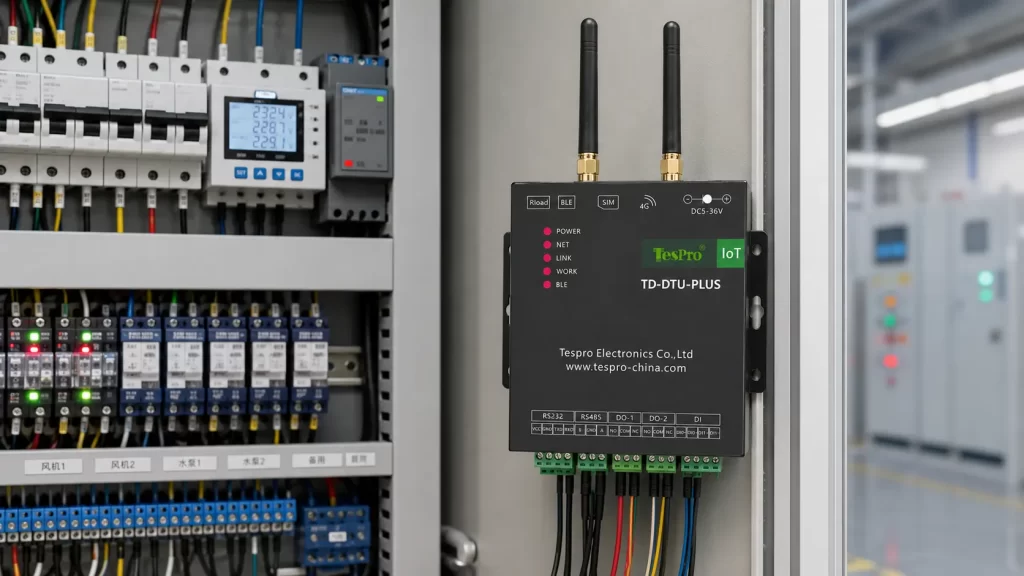
This pre‑configured protocol stack design delivers significant time savings in real deployments. Consider a typical water utility retrofit project where three different brands and two different vintages of water meters coexist on site. The traditional approach requires testing each meter's communication parameters separately, sometimes even writing custom collection programs. With Tespro DTU, engineers simply select the corresponding meter brand and protocol type from the configuration interface, and the device automatically reads data in the correct format. The entire process typically takes just minutes, with no code writing required. For small to medium‑sized utilities without dedicated software engineers, this plug‑and‑play capability is especially valuable, significantly lowering technical barriers and reducing dependence on external suppliers.
Which meter brands does the Tespro DTU support, and what if I encounter a protocol not in the pre‑configured list?
The Tespro DTU comes pre‑configured with IEC 62056, DL/T‑645, ANSI Type2, and other mainstream protocol stacks, capable of reading data from Landis+Gyr, EDMI, ITRON, ELSTER, ISKRA, and dozens of other brands. If a meter not on the pre‑configured list is encountered, Tespro's technical team can provide protocol analysis services and add support for the new protocol through a firmware upgrade — typically without requiring hardware replacement.
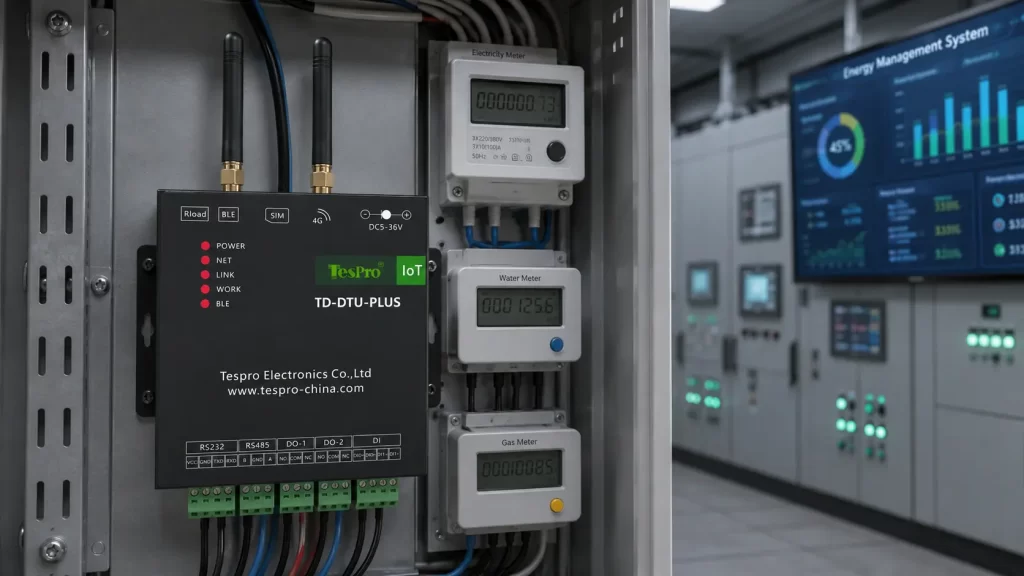
Beyond the breadth of brand and protocol support, Tespro DTUs also excel in protocol implementation depth. They support fully customizable heartbeat and registration packets, allowing users to configure transmission intervals, data formats, server addresses, and other parameters. This is critical for projects connecting to closed network environments like utility private APNs, which typically have strict data format and security requirements. The DTU also supports adjustable communication rates from 300 to 115,200 baud, matching both low‑speed serial ports on legacy meters and high‑speed interfaces on newer models. Combined with multiple physical interfaces including RS485, RS232, TTL, and photoelectric ports, Tespro DTUs can connect to nearly any type of metering device. For buyers, this means no need to stock different DTU models for different meter types — one hardware covers most site requirements, simplifying spare parts management.