-1791966549842.webp)





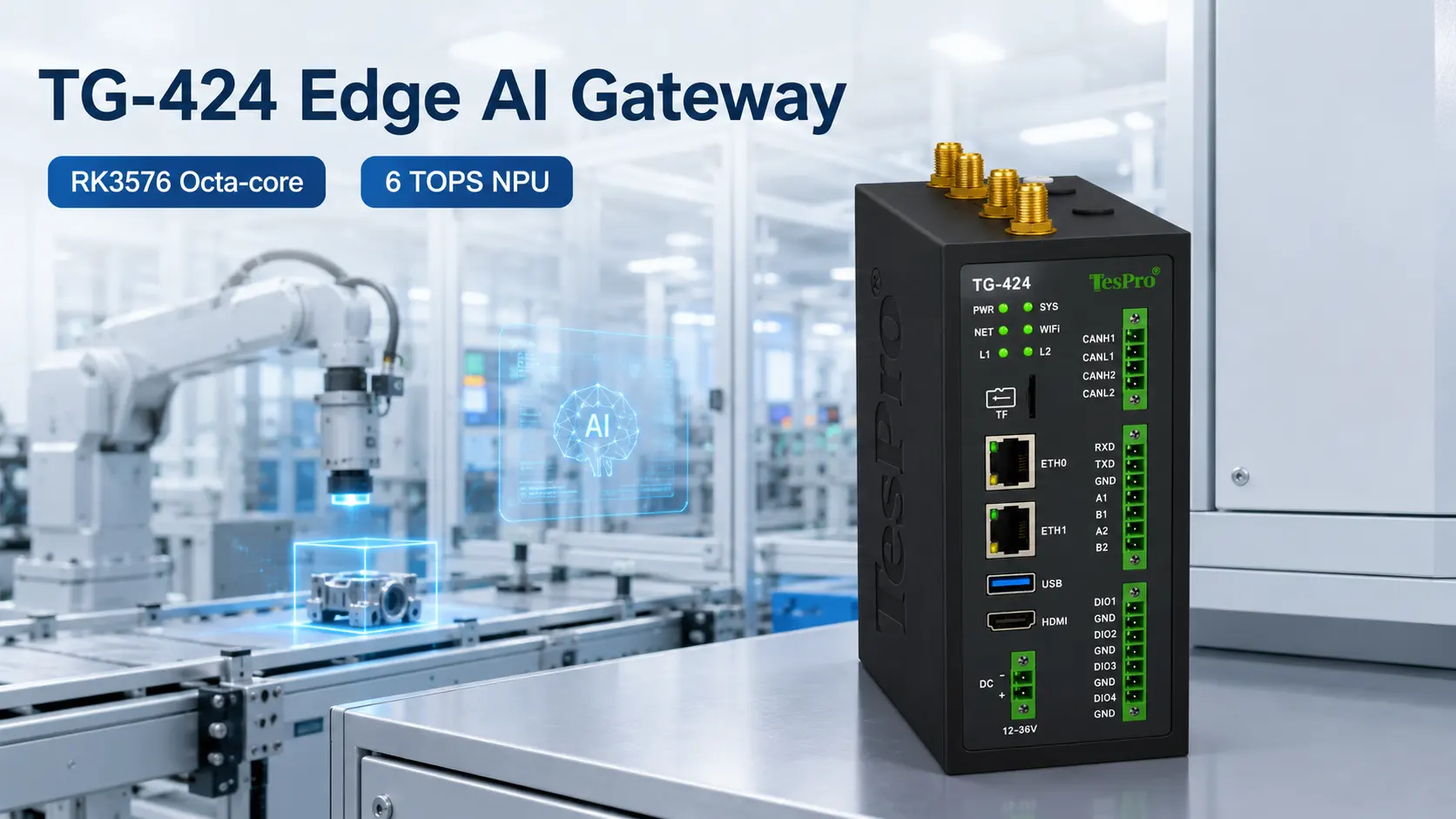

An integrated 6 TOPS NPU can accelerate local inference such as image classification, object detection and acoustic or vibration models. Meeting a latency target depends on model format, operators, input size, quantization, concurrency and toolchain—not TOPS alone.
Key Takeaways
- Define the task and acceptable error first
- Test the target model rather than a generic demo
- AI results need rule-based or manual fallback
From Capability Statement to Usable Result
An integrated 6 TOPS NPU can accelerate local inference such as image classification, object detection and acoustic or vibration models. Meeting a latency target depends on model format, operators, input size, quantization, concurrency and toolchain—not TOPS alone. In a real project, define the task and acceptable error first and test the target model rather than a generic demo must be considered in the same architecture. Begin with the workload, field devices and operating model rather than one marketing specification.
Configuration and Data Design
A practical sequence is to confirm model file and framework and input source and resolution, then verify target fps/latency and concurrent models, and finally test ai results need rule-based or manual fallback with the real equipment. Record pass criteria so the design can be repeated across sites.
Boundary Conditions That Cannot Be Ignored
An edge AI gateway does not replace a safety PLC and an unvalidated model should not directly control hazardous actions. Public content and project documents should therefore state model, firmware, regional network, options and environmental conditions and avoid unverifiable claims such as 'works for every project' or 'absolute reliability'.
How Tespro Fits
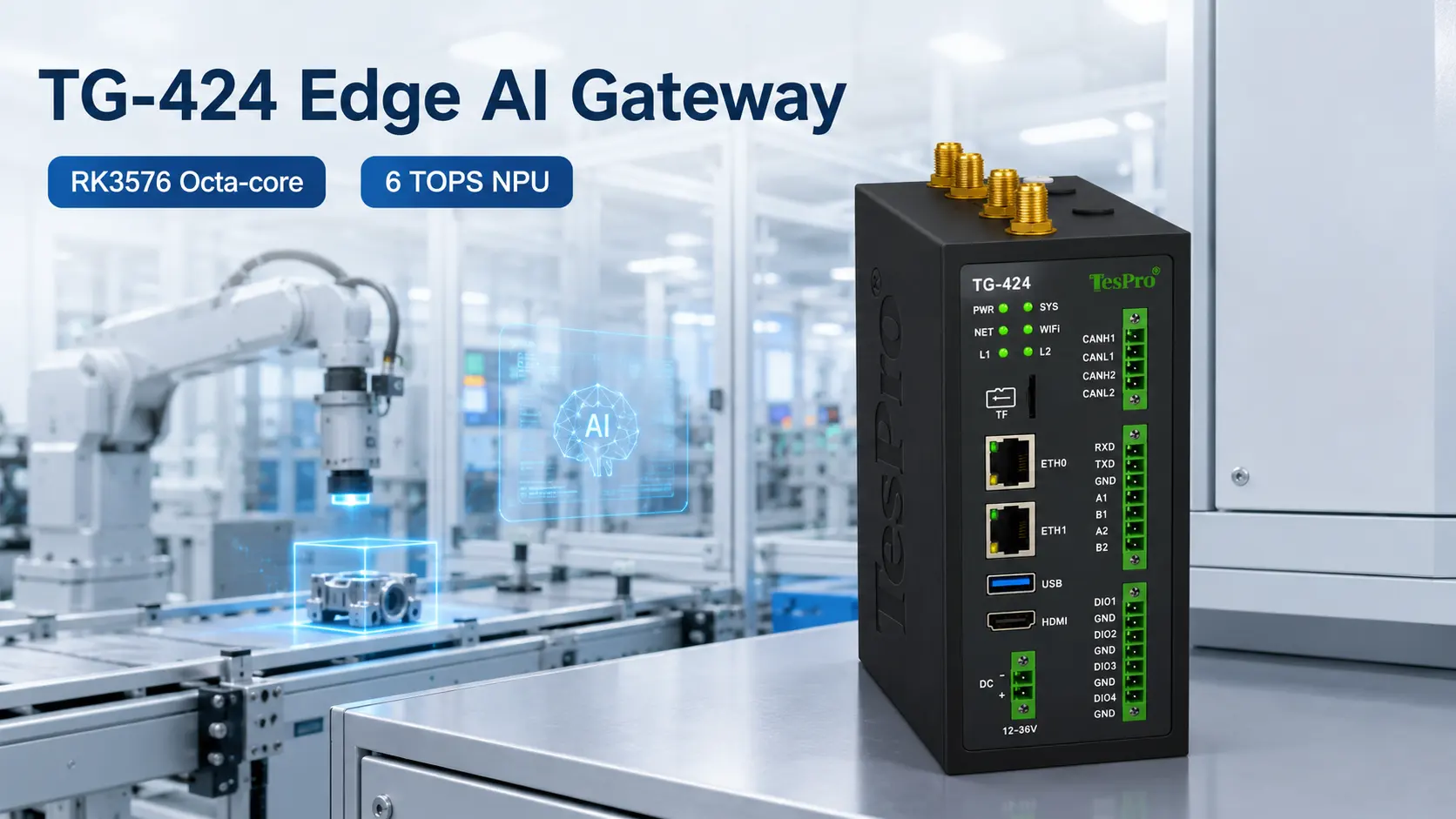
Tespro TG-424 integrates a 6 TOPS NPU for local AI evaluation. Confirm model frameworks, operators and deployment tools against the current software environment.
Decision and Verification Table
| Decision factor | What to verify |
| Define the task and acceptable error first | Confirm against model file and framework and document pass/fail criteria in the pilot or site test. |
| Test the target model rather than a generic demo | Confirm against input source and resolution and document pass/fail criteria in the pilot or site test. |
| AI results need rule-based or manual fallback | Confirm against target fps/latency and document pass/fail criteria in the pilot or site test. |
Compatibility and Selection Checklist
- ✓ Model file and framework
- ✓ Input source and resolution
- ✓ Target FPS/latency
- ✓ Concurrent models
- ✓ Power and temperature
- ✓ Fallback logic
Frequently Asked Questions
Q: How large a model can 6 TOPS run?
A: There is no answer from parameter count alone; test framework, operators, input and quantization.
Q: Can the NPU support predictive maintenance?
A: It can run vibration, acoustic or image inference, but requires sensor data, a trained model and a validation process.
Q: Can an AI result directly stop a machine?
A: Safety actions should be decided by validated control and interlock logic; AI is better used as supporting information.