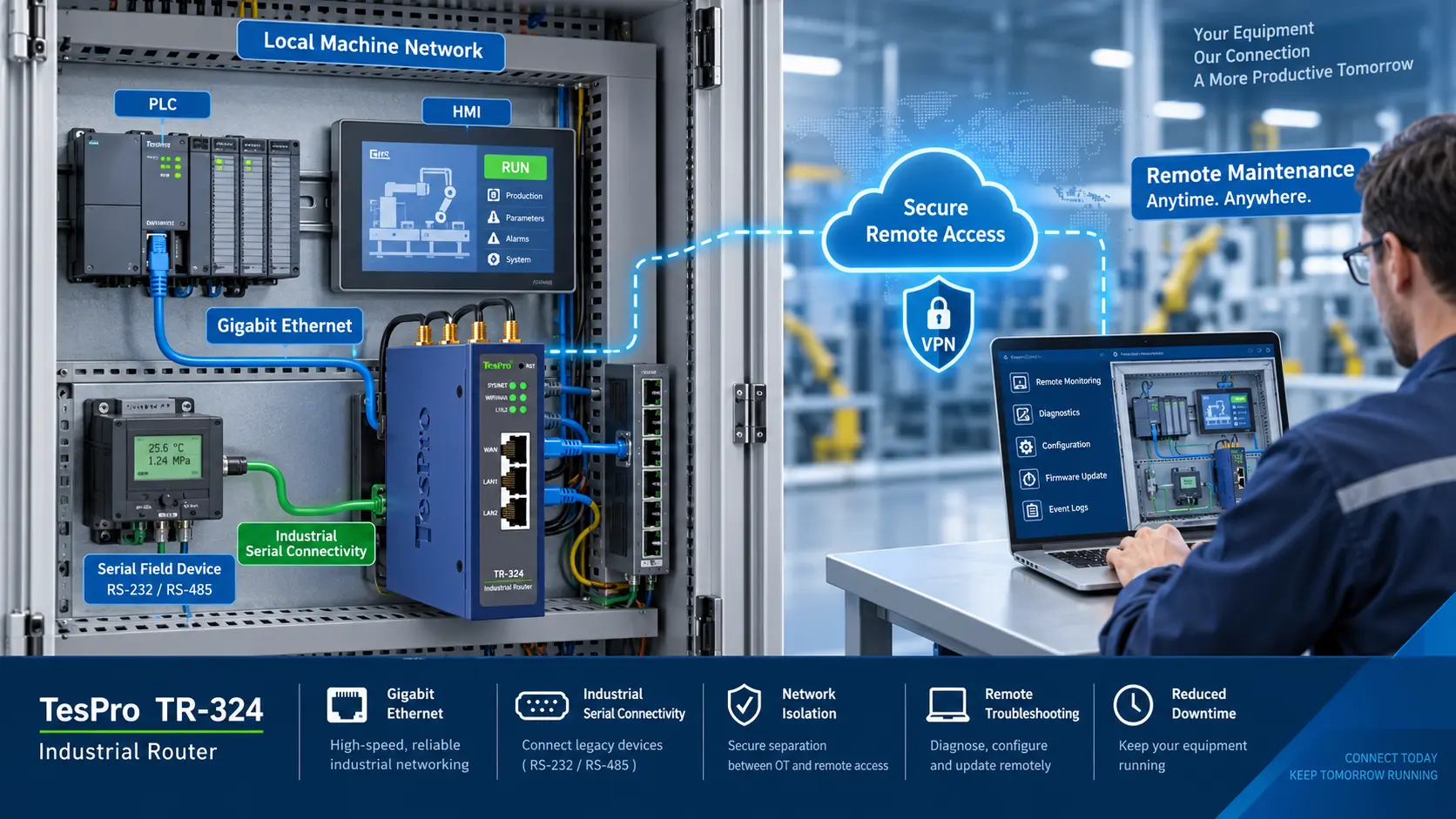
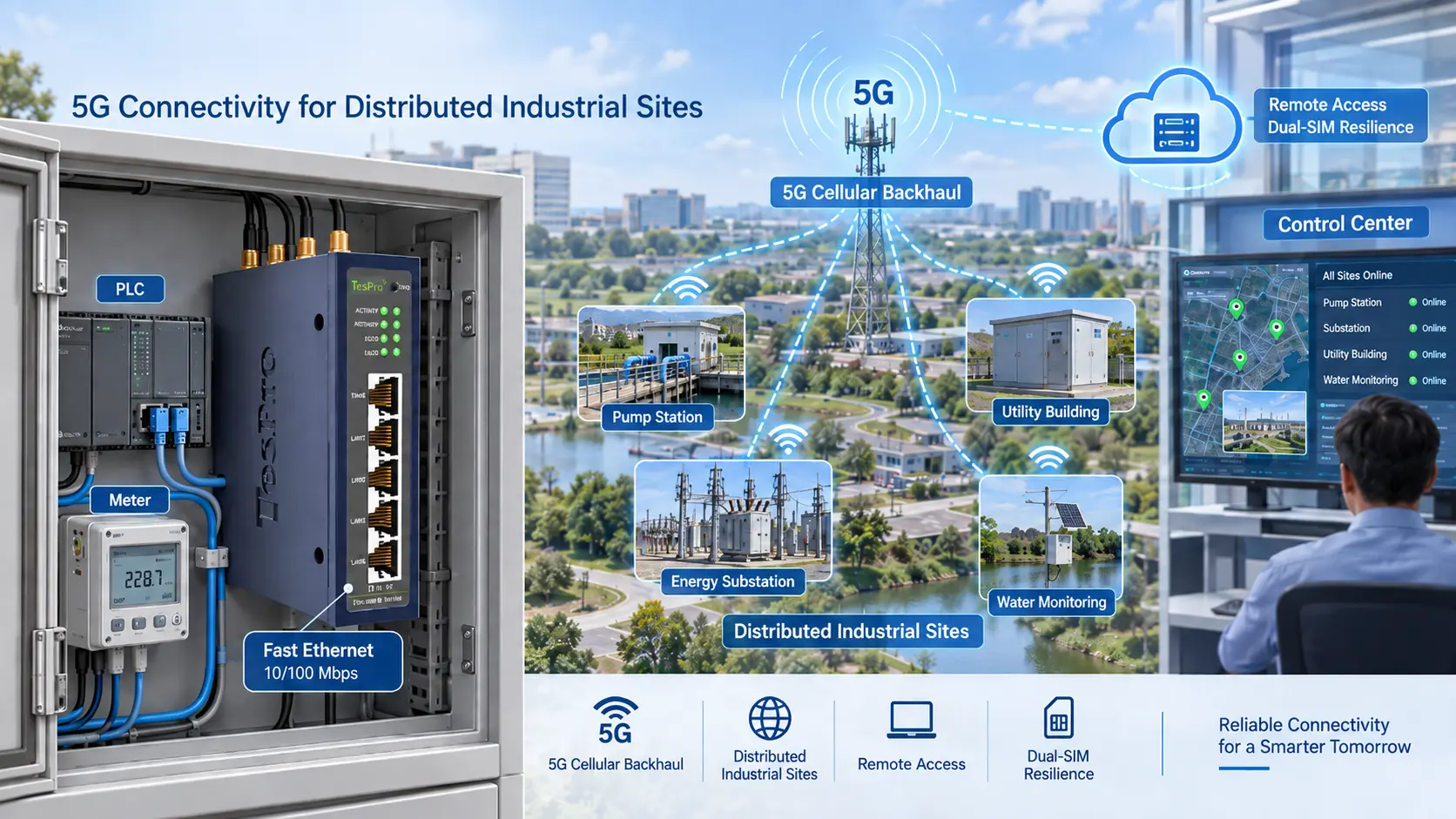
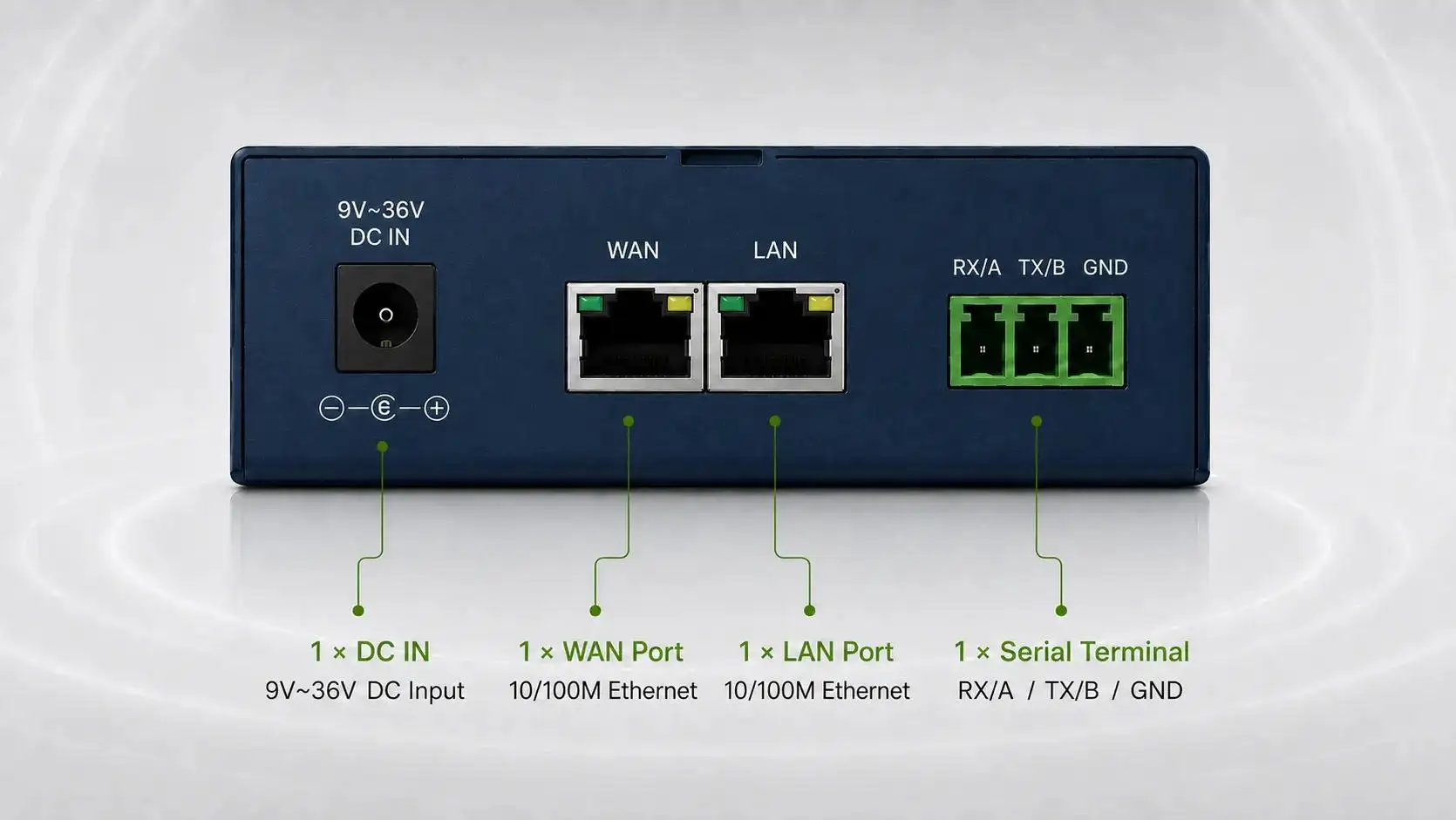
-1791966549842.webp)





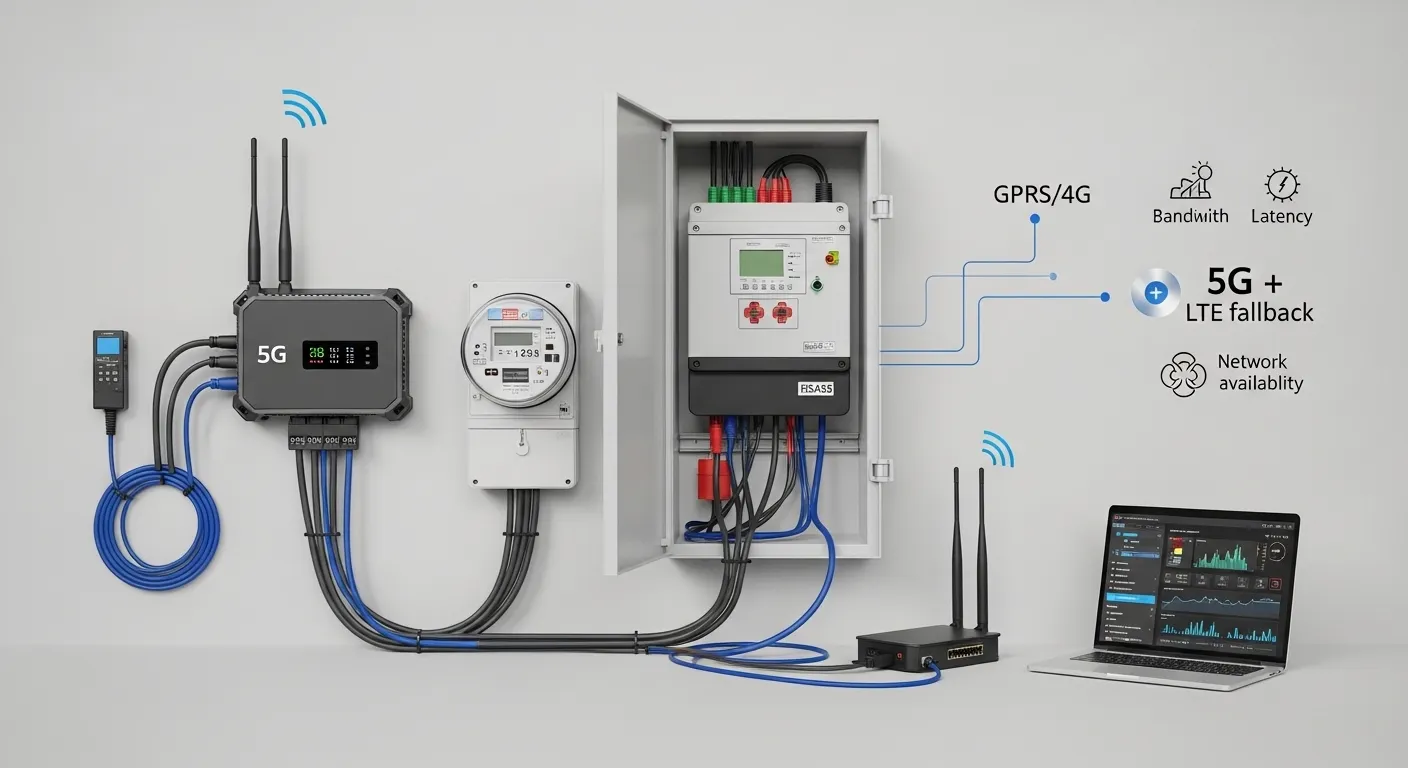

Tespro provides industrial metering, connectivity, and energy data solutions for utilities, AMI/AMR teams, SCADA integrators, industrial IoT projects, factory automation teams, and procurement buyers. A 5G industrial router is worth considering when your project needs higher bandwidth, lower latency, longer cellular lifecycle, stronger network availability, remote access, or edge-ready connectivity beyond what older GPRS, 3G, or basic 4G systems can provide.
However, 5G is not always the right first choice. For low-frequency meter reading, simple serial data transmission, or small remote monitoring sites, a 4G industrial router or DTU may still be enough. The right decision depends on your application, site coverage, SIM/APN requirements, ports, protocols, security model, power supply, enclosure, and software integration needs.
This checklist helps technical and purchasing teams decide when to upgrade, what to compare, and what information to send Tespro before requesting a quote, datasheet, sample, demo, or project consultation.
When Is a 5G Industrial Router Worth Upgrading From 4G?
A 5G router becomes useful when the connectivity requirement is no longer only “send small data packets.” It is more suitable when the site needs faster uplink/downlink capacity, lower latency, more connected field devices, or longer network lifecycle planning.
Common upgrade triggers include:
- Replacing legacy GPRS or 3G communication systems
- Connecting multiple Ethernet devices at one site
- Supporting high-frequency data collection
- Sending larger files, logs, images, or video
- Enabling remote access to PLCs, RTUs, meters, gateways, or cameras
- Supporting smart grid, SCADA, AMI, factory automation, or smart city systems
- Preparing for long-term cellular network availability
- Reducing site visits through remote management and secure access
If the site only sends small meter readings once or a few times per day, 5G may be unnecessary. In that case, review whether a 4G router or DTU is more practical. For related 4G deployment planning, see Tespro’s 4G Industrial Router: Field Deployment Checklist.
4G vs 5G Industrial Router Purchase Matrix
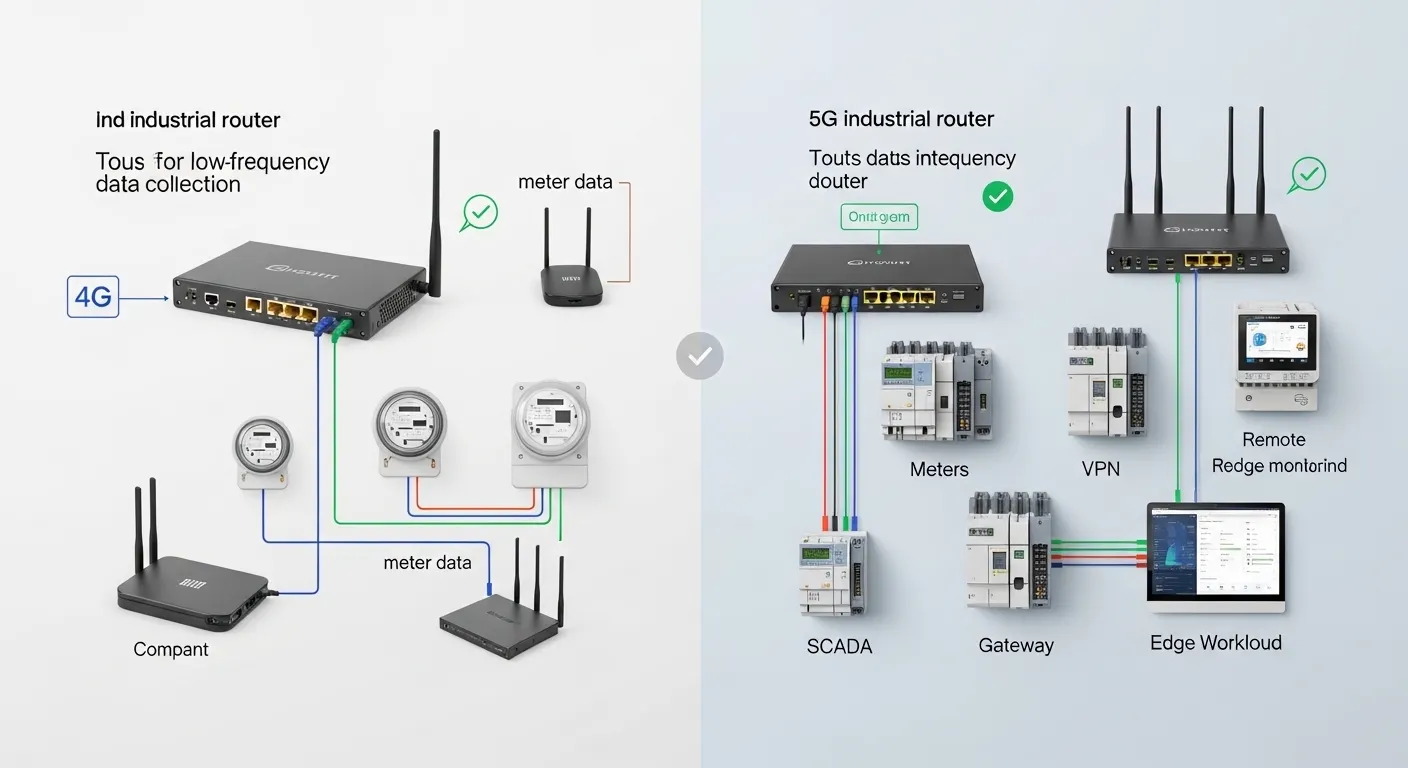
Before replacing an existing router, compare the application requirement instead of choosing only by network generation.
| Buyer requirement | 4G router may be enough when | 5G router is recommended when | RFQ detail to confirm |
|---|---|---|---|
| Periodic meter reading | Data volume is low and latency is not critical | Many meters send frequent data or larger payloads | Meter count, read frequency, data size |
| SCADA remote access | Occasional maintenance access is required | Faster remote access and lower latency are needed | VPN, static IP, APN, access method |
| Video or image backhaul | Not required or handled separately | Cameras, inspection images, or high-data uploads are included | Bandwidth, uplink demand, storage path |
| Multi-device site | One or two devices connect through LAN | Several meters, PLCs, RTUs, or gateways share one connection | Ethernet ports, LAN design, routing needs |
| Edge workload | Router only passes data | Local filtering, buffering, edge logic, or gateway workflow is needed | Edge processing or gateway requirement |
| Network lifecycle | 4G coverage is stable for the project life | Buyer wants longer 5G-ready infrastructure | Country, carrier, bands, fallback plan |
| Uptime requirement | Single SIM or basic LTE is acceptable | Dual SIM, failover, or multi-WAN is needed | SIM count, carriers, failover behavior |
| Remote site | Signal and power are predictable | Weak signal, antenna planning, or rugged installation is critical | Antenna, power, cabinet, environment |
This matrix also helps avoid overbuying. The correct choice may be a 5G router, a 4G router, a DTU, or an industrial gateway depending on the data flow and site architecture.
For broader router selection criteria, visit Tespro’s Industrial Cellular Router: Procurement Checklist.
Network, SIM, and Remote Access Details to Confirm
A 5G router cannot be selected by speed claims alone. Cellular performance depends on the country, carrier, local coverage, bands, antenna position, and network access method.
Before buying, confirm:
- Target country and deployment region
- Available 5G and 4G coverage at the site
- Required carrier or multiple carrier options
- Need for 5G SA, NSA, or LTE fallback
- Single SIM, dual SIM, or roaming requirement
- Standard APN or private APN
- Static IP, dynamic IP, DDNS, or cloud access method
- VPN requirement for remote maintenance
- Firewall, access control, and port forwarding needs
- Whether remote firmware or configuration management is required
For utility and SCADA projects, remote access should be planned carefully. A router may connect successfully but still fail the project if the IP, APN, VPN, or firewall model does not match the control center or platform requirement.
Ports and Protocols for Meters, PLCs, and Field Devices
Many upgrade projects still include older meters, PLCs, RTUs, data loggers, or serial devices. So the router must be checked against the field hardware, not only the mobile network.
Important interface details include:
- Ethernet LAN/WAN port count
- RS232 or RS485 requirement
- USB or DI/DO requirement if used in the site design
- Antenna connector and external antenna placement
- DIN rail, wall, or cabinet mounting
- Power input and backup power design
Important protocol and communication questions include:
- Does the project need Modbus RTU or Modbus TCP?
- Is MQTT required for device-to-platform communication?
- Is SNMP needed for network monitoring?
- Is transparent TCP/IP or UDP transmission required?
- Will the router connect to SCADA, AMI, AMR, or an energy management platform?
- Does the site need VPN access to field devices?
If the main requirement is simple serial data transmission from a meter or controller, a DTU may be more suitable than a full router. For DTU specification review, see Tespro’s DTU datasheet checklist.
Router, DTU, or Gateway: Choose the Right Device Class
A 5G industrial router is usually best when the site needs routing, LAN connectivity, secure remote access, cellular backhaul, and multiple connected devices.
A DTU is usually better for simpler serial-to-cellular data transmission. It is often used when the project needs transparent communication from a meter, controller, or terminal to a remote server.
An industrial gateway may be more suitable when the project requires protocol conversion, local processing, data buffering, device-to-cloud mapping, or integration between meters, sensors, PLCs, and software platforms.
Before requesting a quote, define the device role clearly:
- Router: remote access, cellular backhaul, LAN, VPN, failover
- DTU: serial data transmission, transparent communication, simple field data upload
- Gateway: protocol conversion, edge processing, cloud/platform integration
- Software platform: dashboard, alarms, API/export, device management, reporting
This step prevents wrong procurement and reduces integration delays.
Deployment Checklist for Field Sites
The same router can perform differently across two sites. Signal, antenna position, power stability, cabinet design, temperature, and access permissions can all affect performance.
Check these deployment details early:
- Indoor or outdoor cabinet installation
- DIN rail, wall, or panel mounting preference
- Available power supply and backup power
- Antenna location and cable routing
- 5G/4G signal strength at the actual site
- Metal cabinet interference or shielding risk
- Operating temperature and humidity range
- Dust, vibration, or electrical noise exposure
- Maintenance access for SIM, antenna, and wiring
- Need for remote reboot or watchdog function
- Local IT, OT, or cybersecurity approval process
For remote monitoring and smart grid projects, antenna planning is especially important. A technically correct router may still underperform if the antenna is installed inside a weak-signal cabinet.
Security and Remote Management Requirements
Industrial router projects often involve remote maintenance. That means security should be part of the buying checklist, not an afterthought.
Buyers should confirm whether the project requires:
- VPN connection for engineers or control center access
- Firewall rules and access control
- Static IP, private APN, or secure tunnel access
- User roles or password policy
- Event logs or connection status monitoring
- SNMP or platform-based device monitoring
- Remote configuration and firmware update workflow
- Failover alerts or connectivity status reporting
For utilities, factories, and system integrators, remote management can reduce site visits. But it must match the project’s security policy and platform architecture.
Application Fit for AMI, SCADA, Smart Grid, and Industrial IoT
A 5G router can support different project types, but the specification should match the data flow.
For AMI/AMR and smart metering, buyers should confirm meter count, data interval, meter protocol, platform endpoint, and whether each site needs router, DTU, or gateway hardware.
For SCADA and remote monitoring, check VPN, static IP/APN, latency expectations, Ethernet/serial ports, alarm handling, and remote maintenance access.
For factory automation, confirm PLC connectivity, LAN design, MQTT or Modbus needs, cybersecurity rules, and whether edge processing is required.
For smart city and remote infrastructure, check signal coverage, antenna position, power supply, enclosure constraints, remote reboot, and maintenance access.
What to Send Tespro for a 5G Router RFQ
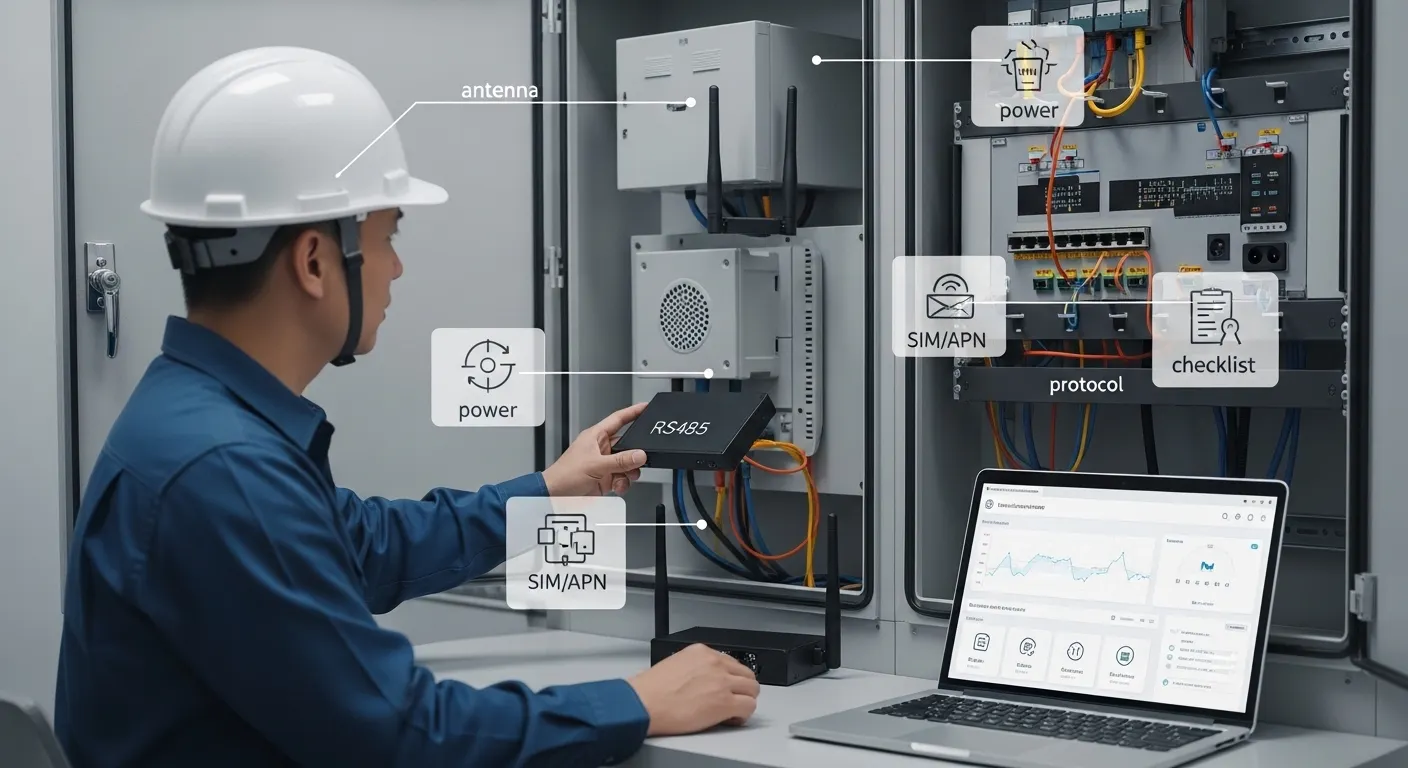
A clear RFQ helps Tespro recommend the right device category and configuration. It also reduces back-and-forth during quotation.
Prepare the following details:
- Required device type: 5G router, 4G router, DTU, gateway, or unsure
- Quantity and expected deployment schedule
- Application type: AMI, AMR, SCADA, smart grid, factory automation, remote monitoring, or smart city
- Existing system: GPRS, 3G, 4G, wired, or new deployment
- Meter, PLC, RTU, gateway, or device model if relevant
- Required interfaces: Ethernet, RS232, RS485, USB, DI/DO
- Required protocols: Modbus, MQTT, SNMP, TCP/IP, or transparent transmission
- Network requirement: 5G, 4G fallback, carrier, country, bands if known
- SIM requirement: single SIM, dual SIM, APN, private APN, roaming
- Remote access requirement: VPN, static IP, DDNS, firewall rules
- Software/platform requirement: SCADA, cloud, API, dashboard, alarm, export
- Power supply and backup power condition
- Installation environment and cabinet details
- Antenna placement or signal test information
- Security and remote management needs
- Datasheet, sample, demo, or OEM/ODM support request
- Delivery destination and any site drawing or system diagram
Why Work With Tespro for Industrial Connectivity Projects?
Tespro supports buyers who need more than a product name. Our metering and connectivity solutions cover optical probes, DTUs, industrial routers, industrial gateways, meter testing equipment, calibrators, and software platforms.
This helps technical and procurement teams review the full communication path: field device, interface, protocol, cellular network, remote access, software platform, and deployment environment.
For upgrade projects, Tespro can help buyers compare whether a 5G router, 4G router, DTU, or gateway is the better fit before final quotation.
Frequently Asked Questions
Is 5G always better than 4G for industrial router projects?
No. 5G is useful for higher bandwidth, lower latency, edge workloads, video, and lifecycle planning. For simple meter reading or low-frequency telemetry, 4G or a DTU may still be enough.
Can a 5G router replace an old GPRS router?
Yes, but buyers must check ports, protocols, power, SIM/APN, static IP, VPN, antenna, and software compatibility. The replacement should match the existing field device and control system.
Do I need dual SIM for a 5G industrial router?
Dual SIM is useful when uptime is important or when one carrier may have weak coverage. Buyers should confirm carrier choice, failover behavior, data plan, and APN requirements before ordering.
Which ports matter for smart meters and PLCs?
Common requirements include Ethernet, RS232, RS485, and sometimes DI/DO or USB. The correct choice depends on the meter, PLC, RTU, gateway, and communication protocol used at the site.
When should I choose a DTU instead of a router?
Choose a DTU when the project mainly needs simple serial data transmission. Choose a router when you need LAN connectivity, VPN, failover, remote access, or multiple devices at one site.
What should I send before requesting a quote?
Send quantity, application, device models, interfaces, protocols, network type, SIM/APN/VPN/static IP needs, power supply, installation environment, software platform requirements, and delivery destination.
Request a 5G Industrial Router Quote or Upgrade Consultation
Share your project requirements with Tespro if you are upgrading from GPRS, 3G, or 4G and need help choosing the right industrial connectivity device. Send your device type, quantity, application, meter or PLC model, interface and protocol needs, network type, SIM/APN/VPN/static IP requirements, power supply, site environment, antenna constraints, software or cloud integration needs, datasheet/sample/demo request, delivery destination, and any drawing or system diagram.
Tespro can help review whether a 5G industrial router, 4G router, DTU, or industrial gateway is the best fit for your project before quotation.