-1791966549842.webp)






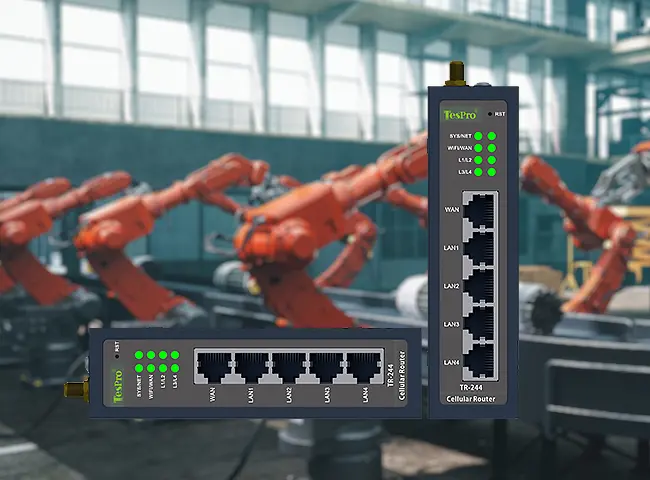

The need to have a high-speed communication system and smart processing of data has driven industries to adopt 5G industrial cellular router technology. The conventional networks tend to have latency and low bandwidth. However, industrial settings produce vast quantities of sensor, machine, and automation system data. This issue can be addressed with a low-latency 5G industrial router that will allow connecting devices at an incredibly high speed and with a high level of stability.
The main benefits of 5G connectivity are:
- Fast industrial networking of data-intensive applications.
- Real-time decision making through low-latency edge processing.
- Scalable 5G network products to scale IoT deployments.
- Trustworthy industrial connectivity to remote and harsh places.
Through these capabilities, industries will be able to monitor equipment, performance tracking, and also automate operations without having technicians on the ground.
A contemporary remote monitoring industrial router makes sure that machines are connected to the central control systems so that engineers can diagnose issues and optimize processes in real time.
Learning about the Role of a 5G Industrial Network Router
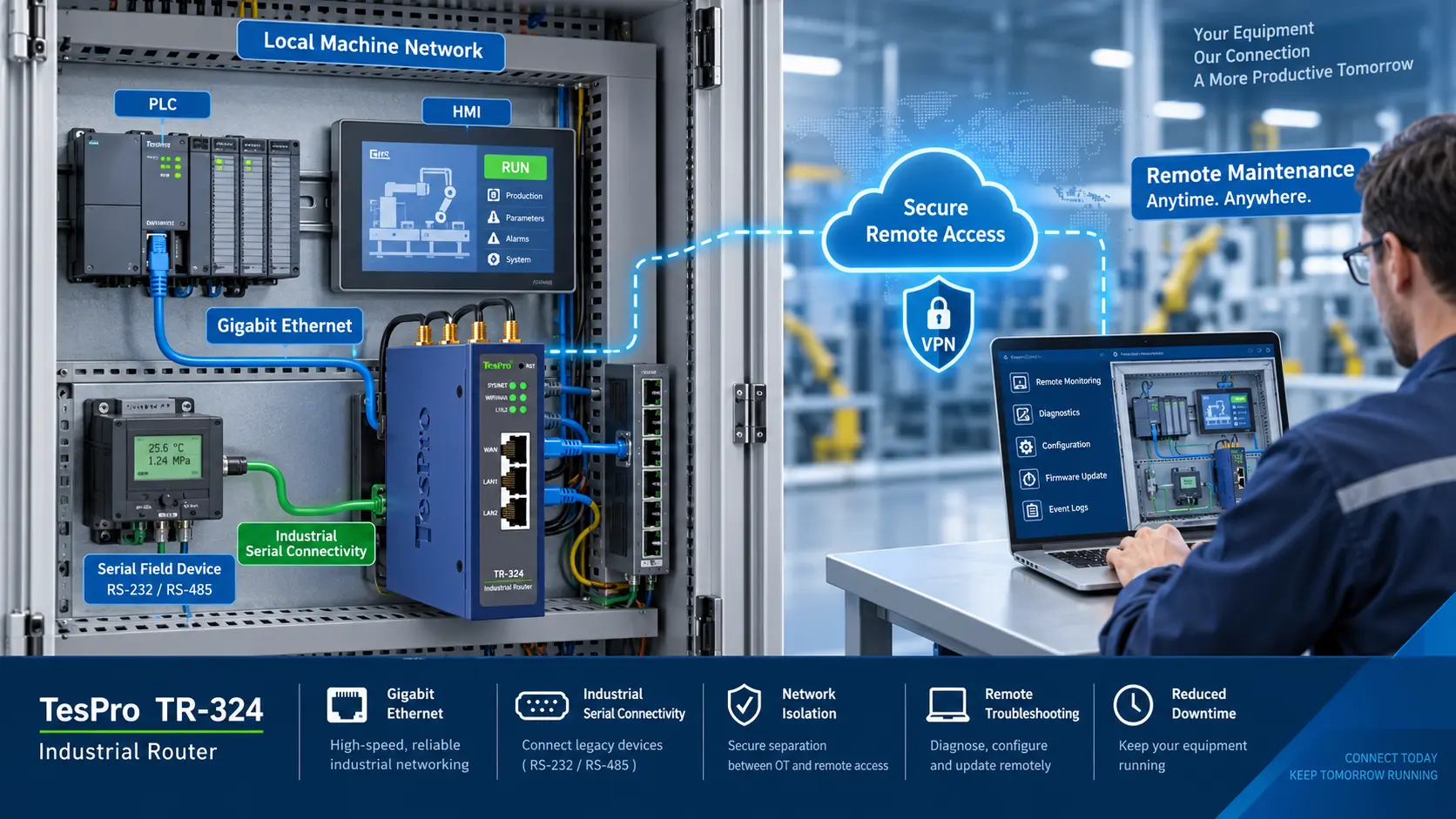
A 5G industrial router for remote monitoring of the foundation of an industrial IoT. It links machines, sensors, controllers, and cloud platforms with high-speed cellular communication.
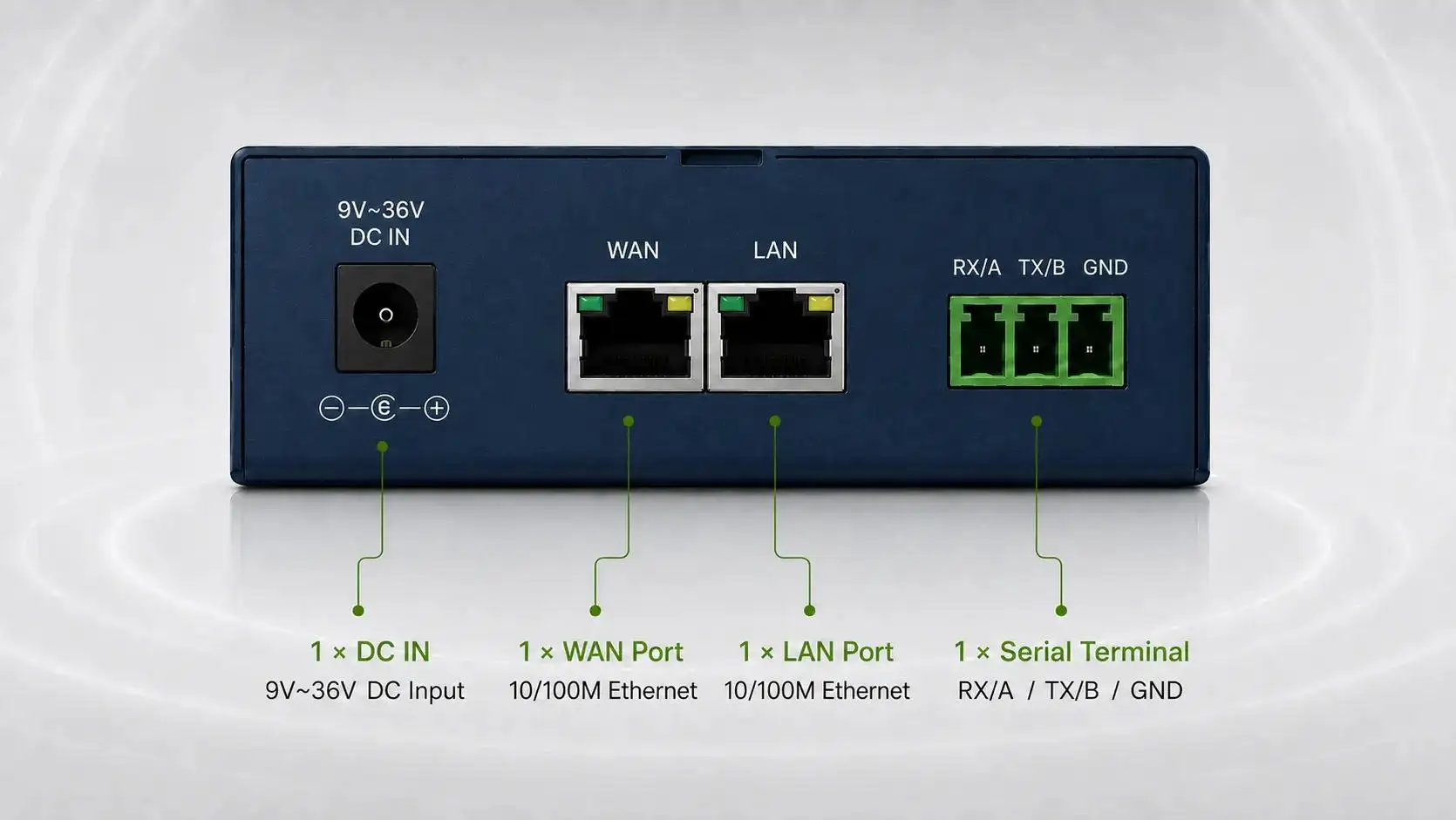
Routers in the industrial setting have to be able to accommodate various interfaces and communication protocols. Serial communication is still used on many industrial devices, and this is why routers frequently have interfaces such as:
- RS485
- RS232
- Ethernet LAN ports
- Cellular connectivity
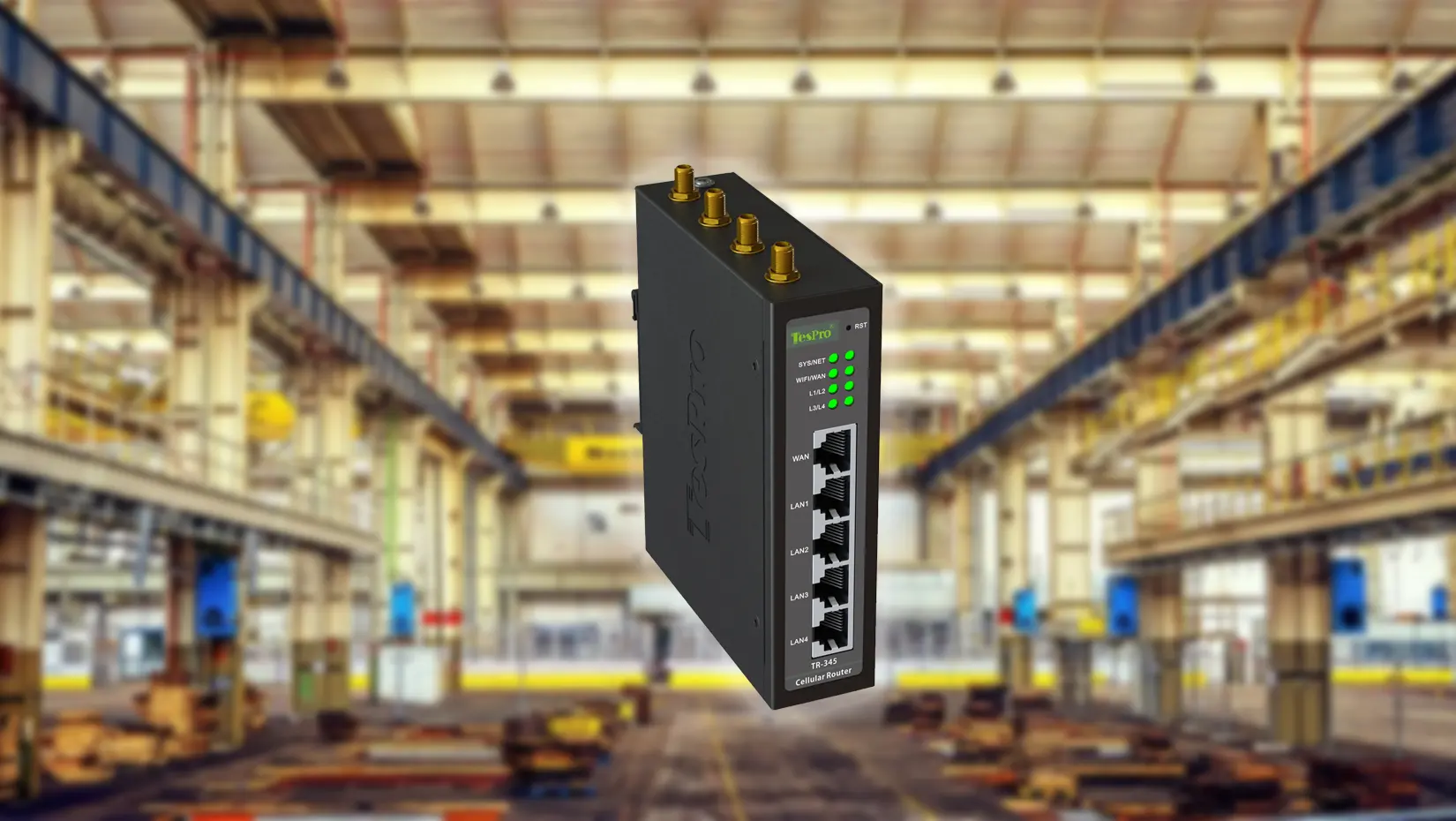
Indicatively, Tespro router products are built with a variety of interfaces, which enable them to connect with both old and new industrial systems without any hassles. (One World One Tespro)
These routers are wireless IoT gateways, allowing machine-to-machine communication on factory, remote, and infrastructure networks.
Major Technical Characteristics of a Modern Industrial 5G Router
A 5G IoT router is a high-performance router that is developed with high-end features that accommodate industrial automation and monitoring systems.
Rugged Industrial Design
Working conditions in industries are not pleasant. Common issues are dust, vibration, temperature changes, and unstable power conditions.
Industrial devices 5G router Modern rugged devices are designed to overcome these challenges with:
- Large operating temperatures -40 °C to 75 °C.
- Metal housing of industrial quality.
- High humidity tolerance
- DIN-rail mounting to allow stable installation.
These hardened systems are also guaranteed to work even in severe industrial conditions. (One World One Tespro)
Redundancy of Dual-SIM Connectivity
Industrial operations may be affected by network downtime. This is the reason why a lot of 5G industrial routers with dual SIMs have a failover mechanism.
The important connectivity characteristics are:
- Dual SIM standby
- Switching networks automatically.
- Redundant network failover
- LTE fallback connectivity
In case the main network is not available, the router will automatically use a different connection to ensure that communication goes on. This feature is important to industrial cellular routers in remote locations, where network reliability is required.
Local Data Processing and Edge Computing
The industrial networks of the modern world are not merely connected. They also demand smart processing of data.
A 5G edge computing industrial router will be able to process data locally and transmit it to the cloud. This will save bandwidth and enhance response time.
Edge computing has the following benefits:
- Faster decision-making
- Reduced cloud traffic
- Improved system efficiency
- Industrial automation in real time.
Industrial routers, including edge computing, can be used to make industries create smarter and more responsive networks.
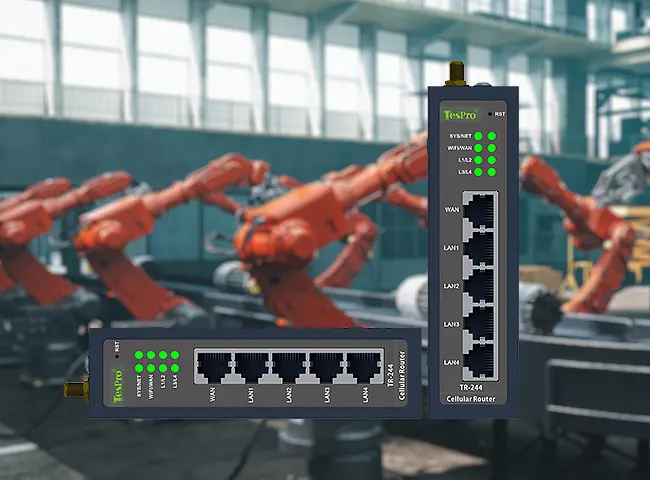
Smart Factory 5G Industrial Routers Networking
The idea of the smart factory is dependent on the interconnected machines, automation systems, and cloud services.
A 5G industrial router for remote monitoring can be used in smart factory settings to facilitate the smooth exchange of information between production and robotics, as well as data analytics.
Key applications include:
- Automated production lines, Smart factory networking.
- IoT equipment monitoring of real-time equipment.
- Producing predictive analytics network solutions.
- Automation of industrial networks to optimize operations.
A 5G industrial automation router is the key element in such settings that connects all devices to the digital world.
The Easy Way to Remote Industrial Asset Management
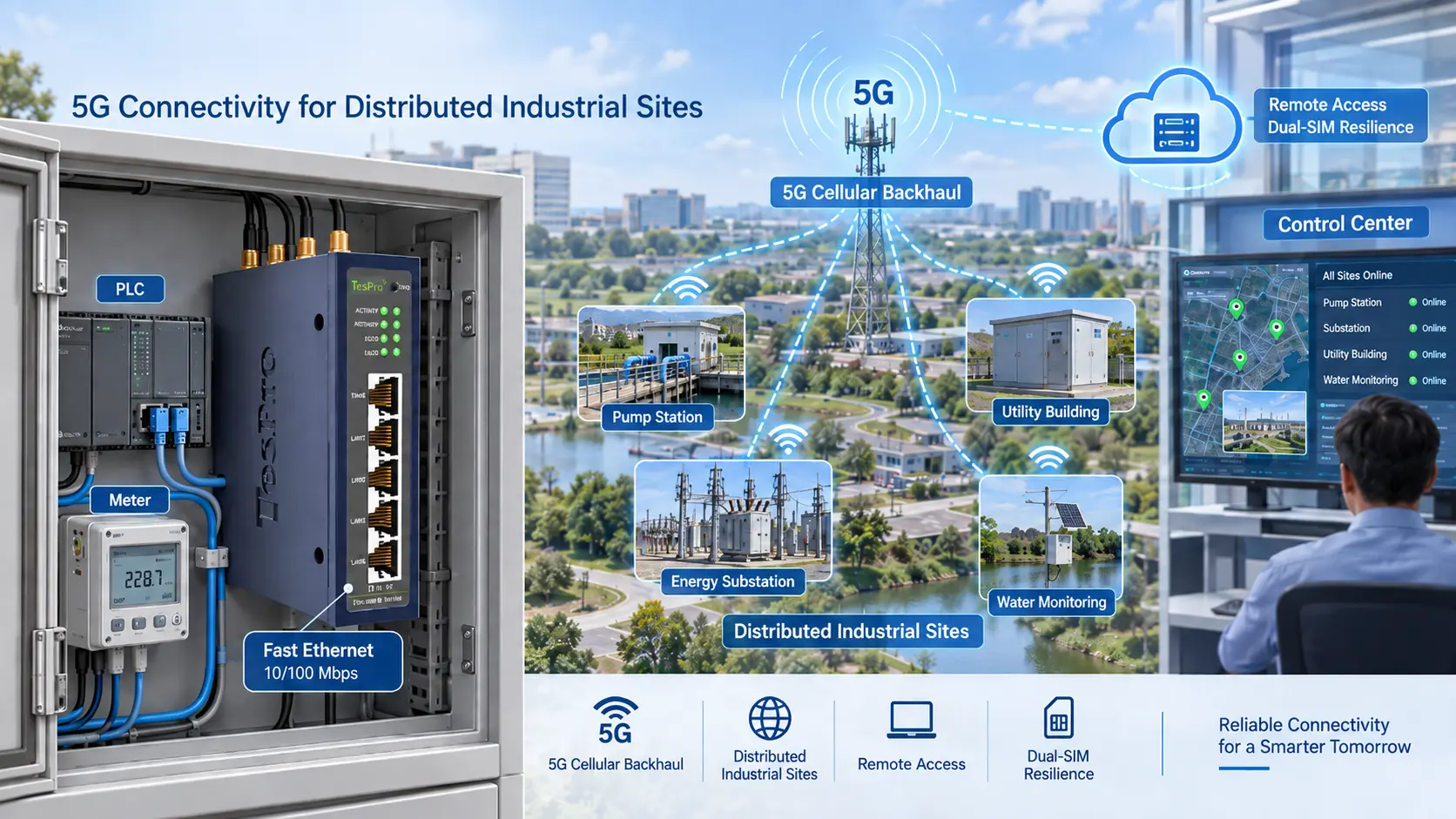
Oil fields, water treatment facilities, and transportation systems are some of the remote locations where industries are usually located.
Implementation of a secure 5G industrial router would enable firms to track assets without developing costly wired networks.
Typical remote monitoring applications are:
- Mining and oil operations Remote equipment monitoring.
- Utility and energy system industrial cloud surveillance.
- Logistics and transportation Remote industrial asset management.
- Smart cities' environmental monitoring.
The solutions establish an effective remote monitoring infrastructure, which enables operators to monitor equipment status and performance in real time.
Tespro Industrial Routers, Constructed for the New IoT Networks
The connectivity hardware should be scalable, reliable, and flexible. Tespro has industrial routers that are developed with these objectives. Their solutions facilitate the use of industrial wireless router 5G connectivity, edge computing, and multi-protocol communication.
Common capabilities are:
- industrial Ethernet ports in multiple
- RS322 and RS485 interfaces to older equipment.
- fast wireless data transfer.
- wide voltage power input between 12V and 36 V.
- can operate in -40degC to 75degC (One World One Tespro)
These capabilities enable organizations to develop robust industrial IoT gateways to connect machines, sensors, and cloud solutions.
The 5G Routers Power the Industrial IoT Ecosystems
The industrial IoT systems are based on the smooth communication of the devices, networks, and cloud platforms. The 5G industrial IoT gateway is an important component of this ecosystem.
It enables:
- machine-to-machine communication
- data collection of sensor information in real-time.
- distant equipment diagnosis.
- industrial cloud analytics
Together with the low-latency 5G communication, these features enable organizations to create a completely connected industrial environment. The outcome is an efficient and data-driven industrial ecosystem.
Conclusion
5G industrial router for remote monitoring is taking a new dimension. Machines, sensors, and automation systems are getting smarter, quicker, and more connected than ever before. This transformation is based on a 5G industrial router that is used to monitor remotely. It provides a secure connection, real-time data response, and integration throughout industrial IoT settings. Visit TesPro.