-1791966549842.webp)







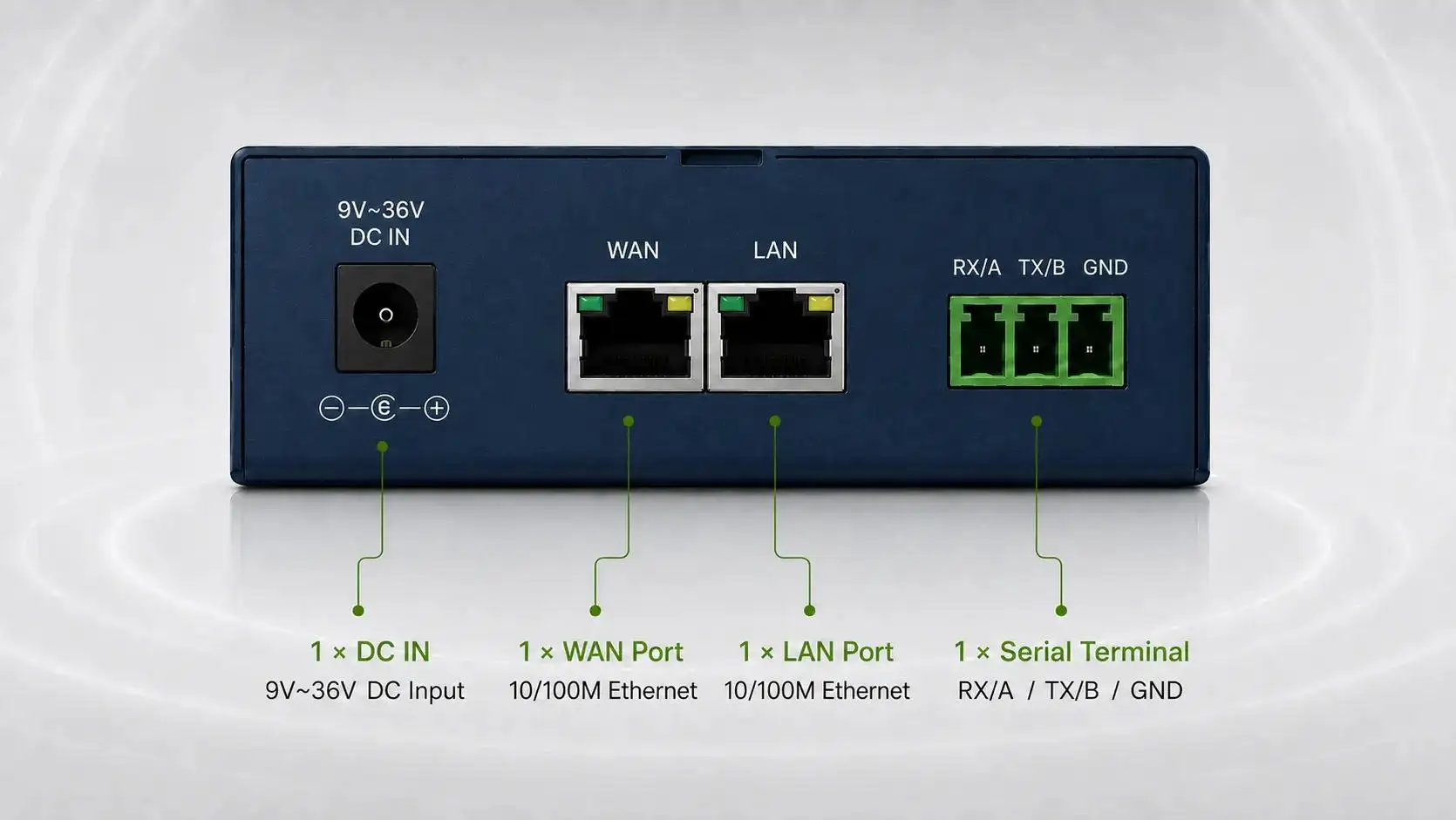
Edge computing is transforming how smart cities process data. By processing data locally at the network edge rather than sending everything to the cloud, 4G/5G gateways can significantly reduce network load and response latency. Tespro's gateway solutions support on‑site data collection and edge processing, sending only important messages to the core platform, thereby reducing cloud dependency and enhancing responsiveness. This architecture delivers improvements in three areas: reduced network latency, conserved network resources, and increased system operational efficiency. Through hardware‑level prioritization of critical data streams, the gateway ensures real‑time transmission of important control signals even under high load conditions.

For connection reliability, dual‑SIM redundancy has become a standard feature for smart city infrastructure. When the primary carrier or primary SIM becomes unavailable, the system automatically switches to a backup SIM or backup carrier without any manual intervention. This is crucial for applications like traffic control systems and utility monitoring that cannot tolerate communication interruptions. Additionally, Tespro gateways support private LTE and 5G networks, a major focus for the industrial IoT sector by 2026. Private networks offer more predictable performance, stronger security, and greater management flexibility, making them particularly suitable for large campuses, ports, airports, and other high‑density connectivity locations.
What is dual‑SIM redundancy, and what protocols do Tespro gateways support
Dual‑SIM redundancy is an automatic switchover system to a secondary SIM or carrier when the primary becomes unavailable, ensuring continuous data transmission. Tespro gateways support Modbus, MQTT, OPC UA, and other industrial protocols, enabling interoperability with AMI/AMR systems, traffic controllers, and utility sensors, while remaining compatible with both 4G LTE and 5G SA networks.
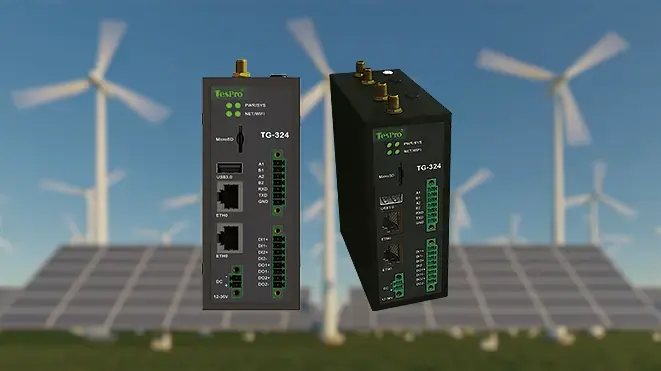
For environmental adaptability, Tespro gateways are designed for extreme operating conditions. The operating temperature ranges from minus 40 degrees Celsius to plus 75 degrees Celsius, with wide voltage input supporting 5 to 30 volts DC, making them especially suitable for roadside cabinets, utility substations, and off‑grid areas. The products comply with C1D2, ATEX, and E‑Mark safety certifications for safe deployment in hazardous environments. For protocol compatibility, Tespro gateways support multiple industrial protocols, bridging new and old equipment to simplify system integration. Whether connecting legacy Modbus devices or modern MQTT cloud platforms, a single gateway handles the job. For security, the gateways feature access control and tunnel encryption, protecting smart city data from endpoints to the cloud through defense‑in‑depth mechanisms including firewalls, encrypted communication, and secure boot.