-1791966549842.webp)





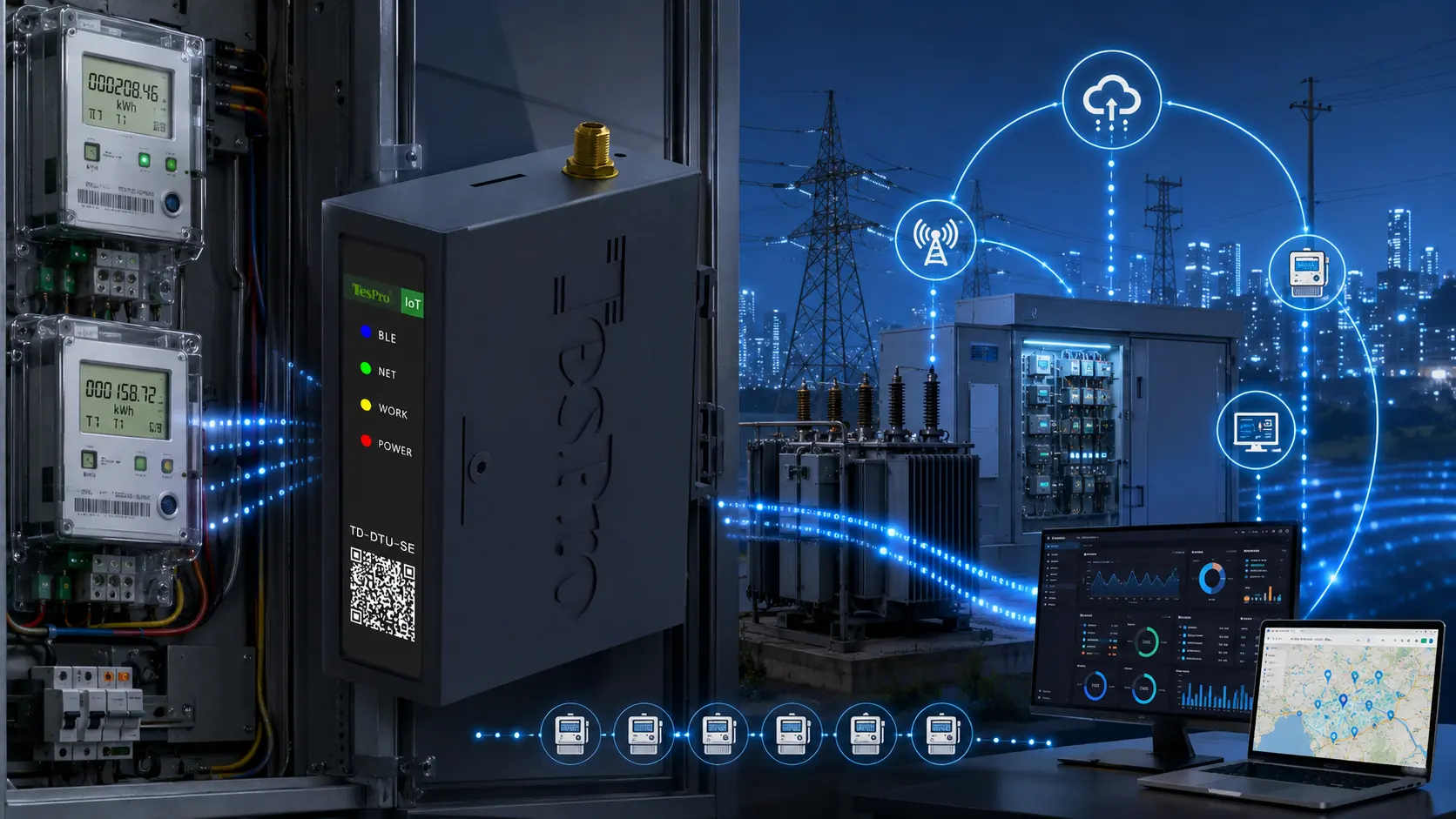
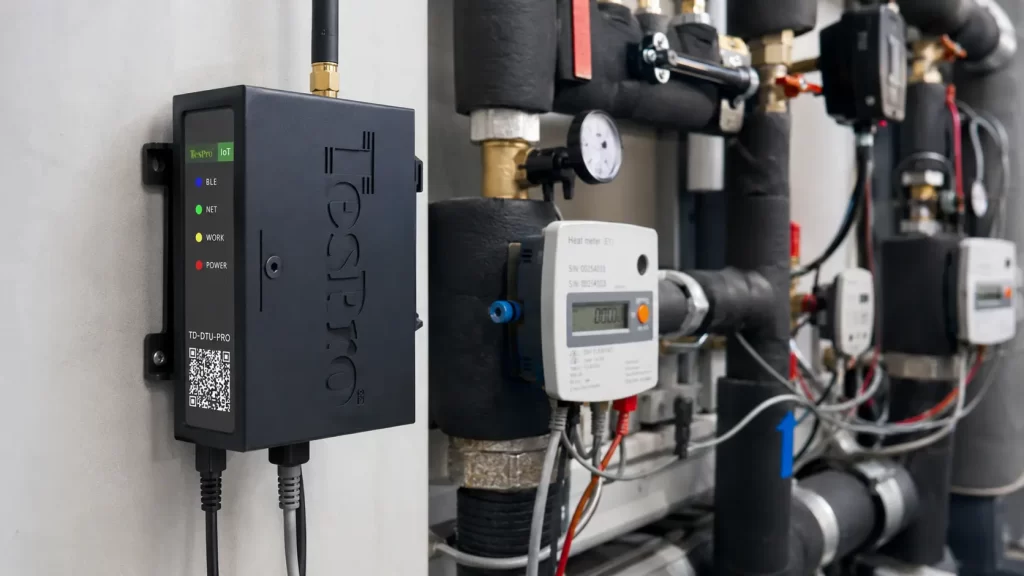
A DTU is not just a simple communication module. It is an intelligent data handler that understands multiple protocols, tolerates network interruptions, and supports remote management.
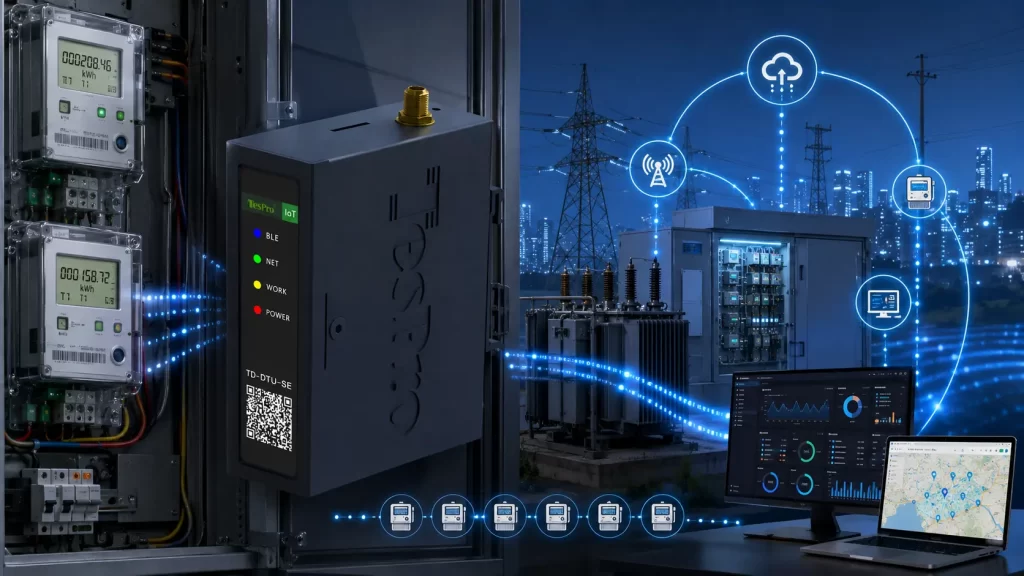
To understand what a DTU is, start with a real problem. Many people think the biggest challenge in automatic meter reading is the lack of network coverage. But those who have actually worked on such projects know that network issues are easier to solve. The real headache is when the same project has electricity meters from one brand, water meters from another, and gas meters from a third, each speaking a completely different protocol.
What you need in this situation is not just a communication module that can transmit data, but a device that can understand multiple meter languages, store data locally when the signal is weak, and retransmit it once the network is restored. That is exactly what a DTU does.
I. The Definition of DTU
DTU stands for Data Transmission Unit. Its core responsibilities are threefold. First, it reads data from field meters using interfaces like RS485, MBus, or optical ports. Second, it converts different protocols into a format that the central platform can recognize. Third, it transmits the data to a server or cloud platform via 2G to 5G networks or wired connections. You can think of it as a translator and courier between the meters and the platform.
II. The Difference Between a DTU and a Regular Communication Module
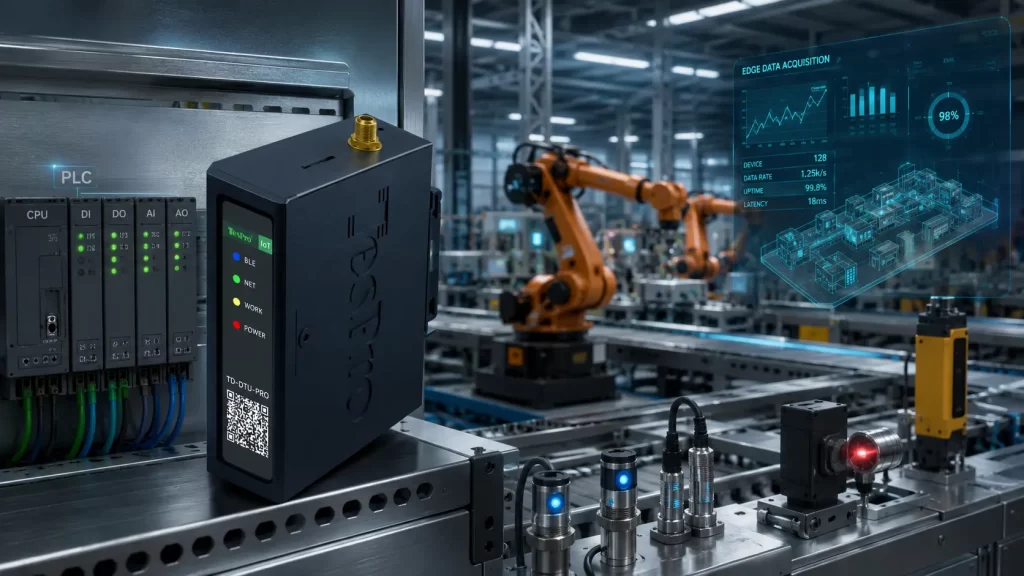
Many people cannot tell the difference between a DTU and a regular 4G module. A regular communication module typically supports only one or two fixed protocols, can only connect to one type of meter, loses data immediately when the network disconnects, and has no remote management capability. A DTU, on the other hand, supports multiple configurable protocols, can connect to electricity, water, gas, and heat meters, caches data locally during network interruptions and automatically retransmits it once the connection is restored, and supports cloud-based configuration and remote upgrades.
In simple terms: regular modules are designed for ideal environments, while DTUs are designed for complex on-site conditions.
III. The Core Role of DTU in Smart Metering
In a complete automatic meter reading system, the DTU sits in the middle: field meters connect to the DTU, which connects to the network, which connects to the management platform. The DTU has three main roles.
First, it solves the problem of inaccessible locations. Some places are very difficult for manual meter reading, such as high-voltage meter rooms with safety risks or remote mountain water meters that take half a day to reach by car. With a DTU, no one needs to go there, the device automatically collects and uploads the data.
Second, it solves the problem of incomplete data collection. Many projects involve more than one type of meter. An industrial park may have electricity meters, water meters, gas meters, and heat meters. If you use a separate data collection device for each type, the cost is high and maintenance is complicated. A single multi-protocol DTU can connect to all four types at once.
Third, it solves the problem of uncontrollable costs. In the first phase of a project, things may be fine. But when you move to phase two or three, or expand from domestic to overseas markets, the newly purchased meters may come from a different supplier, and the network operators in different regions may also vary. If the DTU does not have strong protocol adaptation and multi-network support, you will have to redevelop every time you expand. A good DTU, once configured, can be copied to hundreds or thousands of sites.
IV. Typical Technical Capabilities of DTU
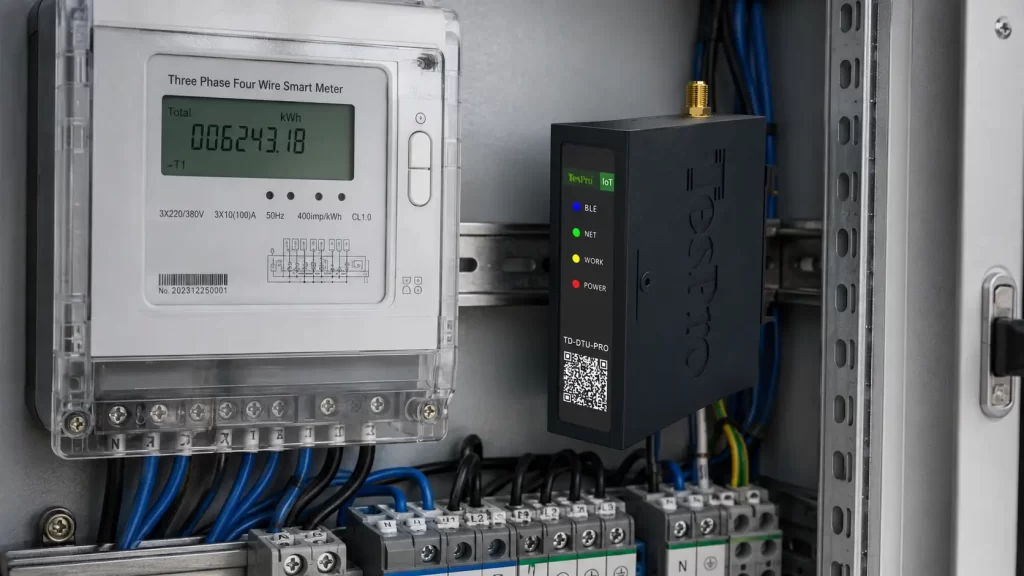
A qualified DTU should have at least the following capabilities. First, multi-protocol support. Common protocols include DL/T645, IEC1107, Modbus, CJ/T188, and EN1434. A good DTU can switch between these protocols through configuration. Second, offline caching and automatic retransmission. Data is first written to local storage. When the network is normal, it is uploaded in real time. When the network is interrupted, it is stored locally. When the network is restored, it is automatically retransmitted in chronological order. Third, multi-network support. A good DTU supports 2G through 5G and can be configured with dual SIM cards for automatic carrier switching. Fourth, cloud management capability. It allows remote status checks, parameter changes, firmware upgrades, and log retrieval.
V. Which Projects Are Suitable for DTU
Based on real-world cases, the following types of projects are the most suitable for DTU deployment.
The first type is projects with mixed-brand meters, such as an industrial park that uses three different brands of electricity, water, and gas meters. One multi-protocol DTU can handle all of them.
The second type is cross-regional deployment projects, such as an overseas project that ships to multiple countries with different network operators and frequency bands. A DTU with full network support can work across all markets with one hardware SKU.
The third type is remote or weak-signal projects, such as water source monitoring in mountainous areas. The DTU's offline caching and automatic retransmission ensure no data loss, while low-power and battery-powered options allow long-term operation without grid electricity.
The fourth type is phased expansion projects. The first phase uses one type of meter, and the second phase uses another. The DTU's multi-protocol capability allows you to keep the existing equipment without replacement.
VI. Conclusion
DTU is not the most expensive piece of hardware, but it is often one of the most cost-effective components in a smart metering project. Its real value lies in its ability to work in complex meter environments, imperfect network conditions, and large-scale deployments with lower maintenance costs. If you are evaluating an automatic meter reading project, do not just look at the hardware price of the DTU. What matters more is how much on-site engineering time, custom development cost, and long-term maintenance expense it can save you.