-1791966549842.webp)





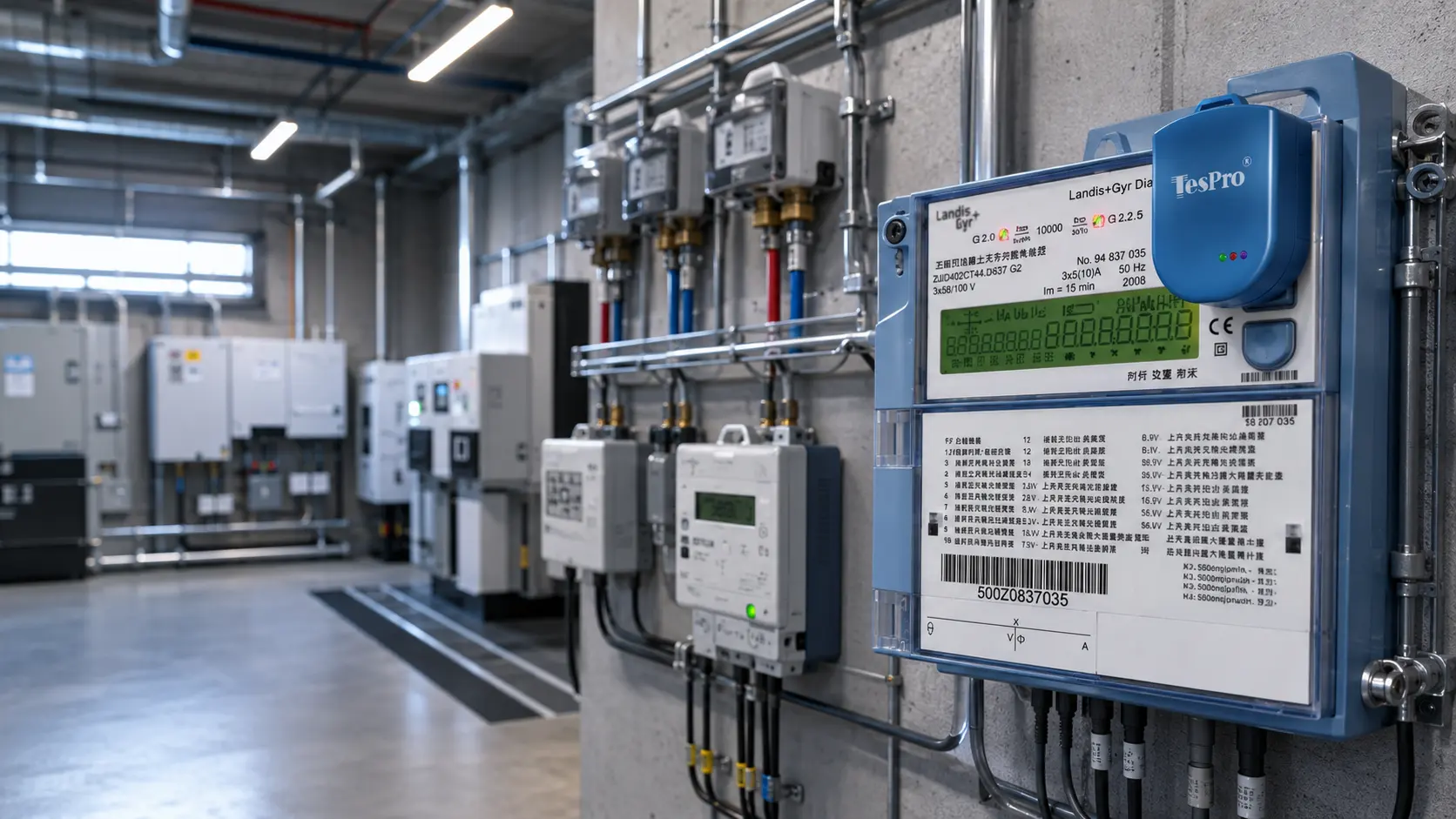

Bluetooth optical probe is not simply a wired probe with a battery added. It is a smart data collection tool that changes meter reading from needing to be physically present and tethered to allowing wireless connection on site.
When many people first encounter a Bluetooth optical probe, they ask: is this just an optical probe with a Bluetooth module added? The answer is yes in terms of functionality, but the change in user experience and working method is significant.
I. The Definition of Bluetooth Optical Probe
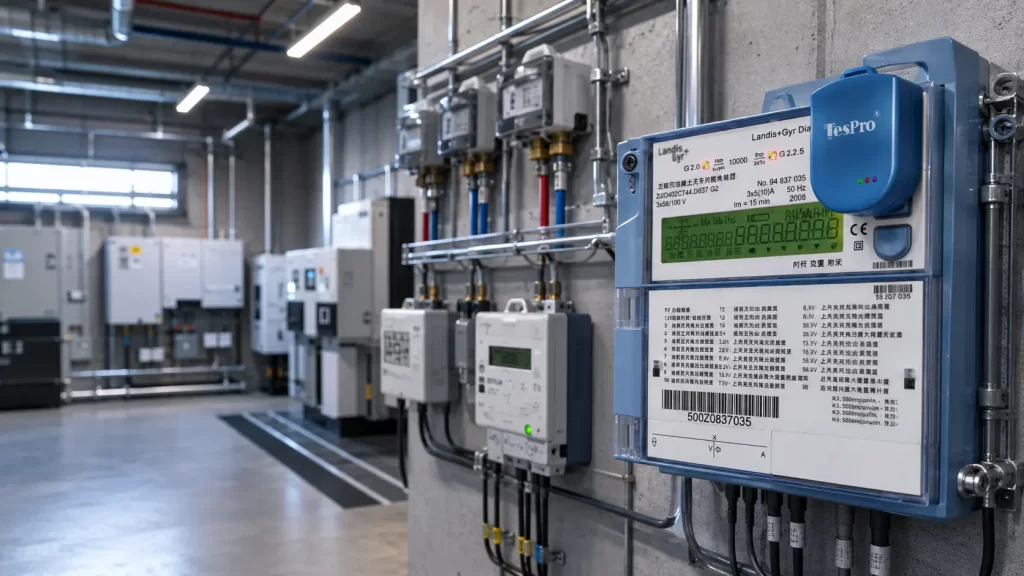
An optical probe is a physical interface device used for reading meter data. It is attached to the meter's optical communication port by magnetic suction or a clamp, using infrared or visible light to communicate with the meter. Bluetooth optical probe adds Bluetooth wireless transmission capability to the traditional optical probe.
Its core responsibilities are threefold. First, optical communication: it exchanges data with the meter's infrared port through LEDs and photosensitive elements. Second, protocol parsing: it supports mainstream meter communication protocols such as DL/T645, IEC1107, and ANSI. Third, wireless transmission: it sends the read data to a mobile phone, tablet, or laptop via Bluetooth, requiring no data cable.
You can think of a Bluetooth optical probe as a wireless headset for meter reading work. The traditional method requires a wired connection to the device to hear the data. Bluetooth frees you from that cable, making the work much more flexible and convenient.
II. The Difference Between Bluetooth and Traditional Optical Probes
Traditional optical probes usually use USB or RS232 interfaces and must be connected to a laptop or handheld terminal via a data cable. This means the meter reader must carry a laptop and a cable, approach the meter, plug in the interface, and then read the data. The cable is typically only one or two meters long, so the position of the meter dictates the position of the person. If the meter is mounted high or in a tight space, operation is very awkward.
A Bluetooth optical probe is completely different. It has a built-in battery and Bluetooth module. When working, it is attached to the meter by magnetic suction, then wirelessly connected to a phone or tablet via Bluetooth. The meter reader can read data from several meters or even over ten meters away. The mobile app receives and records the data automatically. No laptop, no cable, and no need to crouch next to the meter waiting for data.
Traditional optical probes are suitable for lab calibration, meter debugging, and other scenarios where stability is extremely important and the person is right next to the equipment. Bluetooth optical probes are suitable for field meter reading and distributed meter data collection, where mobility and flexibility are more important. The two are not replacements for each other but tools suited to different scenarios.
III. Core Capabilities of a Bluetooth Optical Probe
A Bluetooth optical probe has several capabilities that traditional optical probes lack or have only weakly.
First, cable-free freedom. The most direct benefit is no data cable. The meter reader attaches the probe to the meter with a magnetic suction, steps back a few meters, and operates with a phone. Meter mounted high? No problem. Meter mounted in a narrow pit? No need to crawl in. Reach in to attach the probe, then step back and read.
Second, cross-platform compatibility. Traditional USB optical probes require driver installation, and compatibility issues with different operating systems and meter reading software are common. Bluetooth optical probes use the standard Bluetooth serial port protocol. They can connect to phones, tablets, and laptops. Whether Android, iOS, or Windows, as long as the device supports Bluetooth serial port, it can be used directly without installing additional drivers.
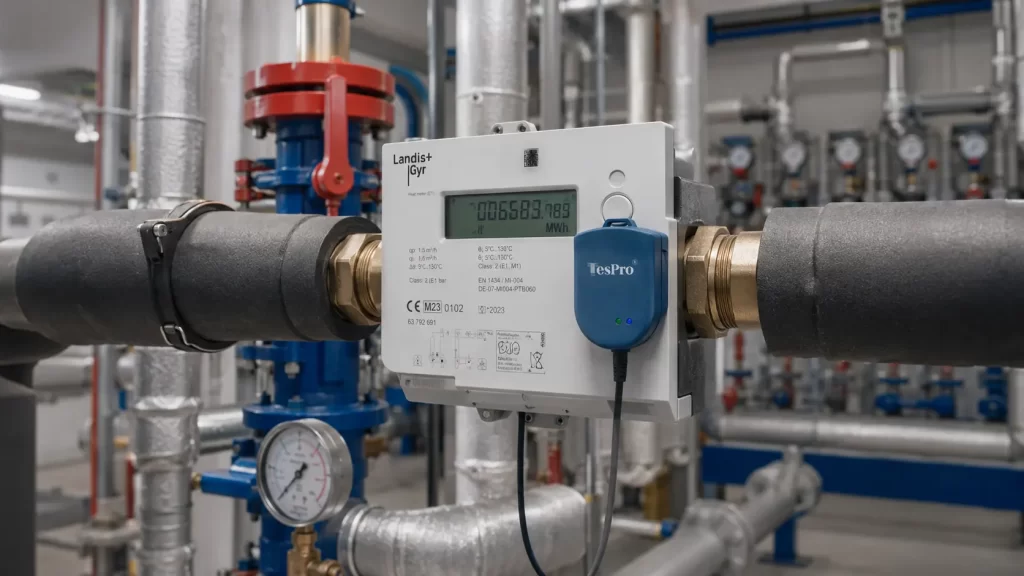
Third, wide protocol support. A good Bluetooth optical probe supports multiple meter protocols. Tespro's optical probe is compatible with IEC-62056, ANSI, and DL/T-645, the global mainstream standards. It can read meters of different brands and different countries. For technicians who need to handle multiple meter types, one probe covers most needs, eliminating the need for different reading devices for different meters.
Fourth, magnetic attachment for one-handed operation. Traditional probes need clamps or hand-holding to stay in place, requiring two hands. A good probe uses a strong magnetic design. It attaches to the meter's optical port with a simple touch, requiring no extra fixation. The meter reader can free one hand to hold a phone or notebook, making operation much more convenient.
IV. Where Is a Bluetooth Optical Probe Used
Typical applications of Bluetooth optical probes include the following categories.
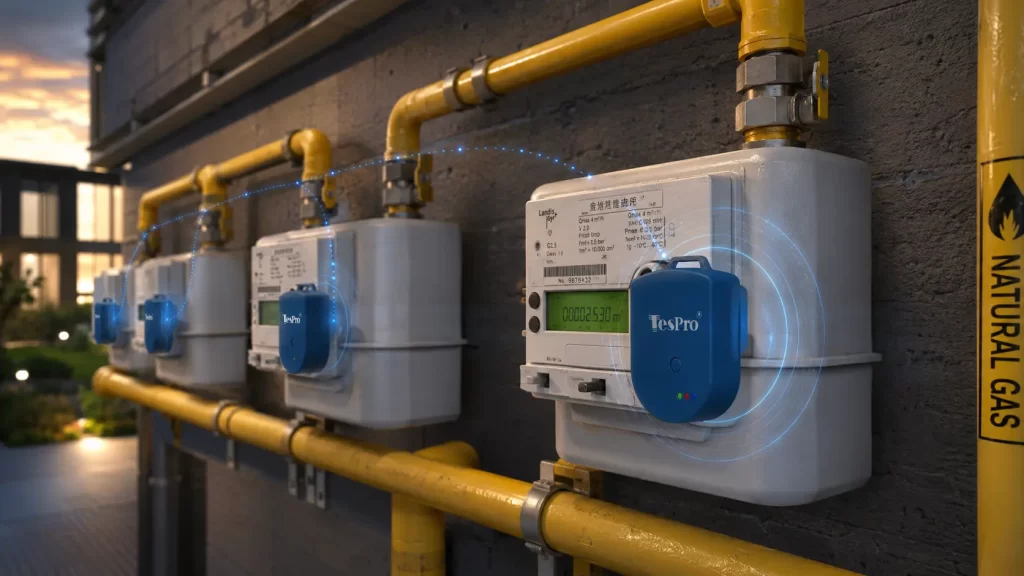
First, field meter reading. Meter readers from power, water, and gas companies carry a phone and a Bluetooth optical probe to the site, quickly read customer meter data, and enter it directly into the system through a mobile app. No need for a bulky laptop and long data cables.
Second, meter debugging and calibration. When installation technicians debug newly installed meters on site, they use a Bluetooth optical probe connected to a mobile app to quickly read meter parameters, verify communication, and configure meter settings. No need to climb poles with a computer.
Third, fault diagnosis. When a customer complains about abnormal meter readings, a service technician goes to the site with a Bluetooth optical probe. Within minutes, they can read the internal data from the meter to determine whether the problem is a meter fault or something else. Response time is greatly improved.
Fourth, labs and testing institutions. In meter testing and calibration labs, Bluetooth optical probes can connect to test benches, transmitting data wirelessly to control systems. This reduces cable clutter and improves test efficiency.
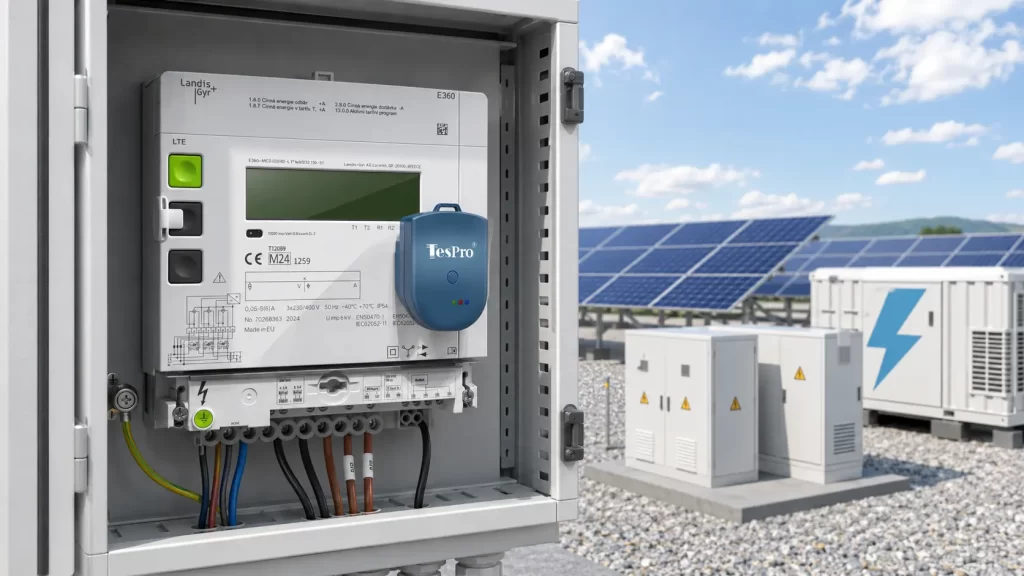
Fifth, overseas projects. Different countries use different meter standards and protocols. A Bluetooth optical probe that supports multiple international standard protocols can be used in projects across multiple countries, making procurement and management simpler.
VI. Conclusion
Bluetooth optical probe is not a simple upgrade of a traditional optical probe. It represents a change in working method. Its core value is freeing meter readers from data cables, allowing them to complete field data collection using phones and tablets. For power, water, and gas companies and meter service providers that require frequent field work, a Bluetooth optical probe is a low-investment but high-efficiency tool. It is not a universal solution, but in scenarios such as mobile meter reading, rapid debugging, and distributed meter data collection, it is significantly more convenient and practical than traditional wired optical probes.