-1791966549842.webp)





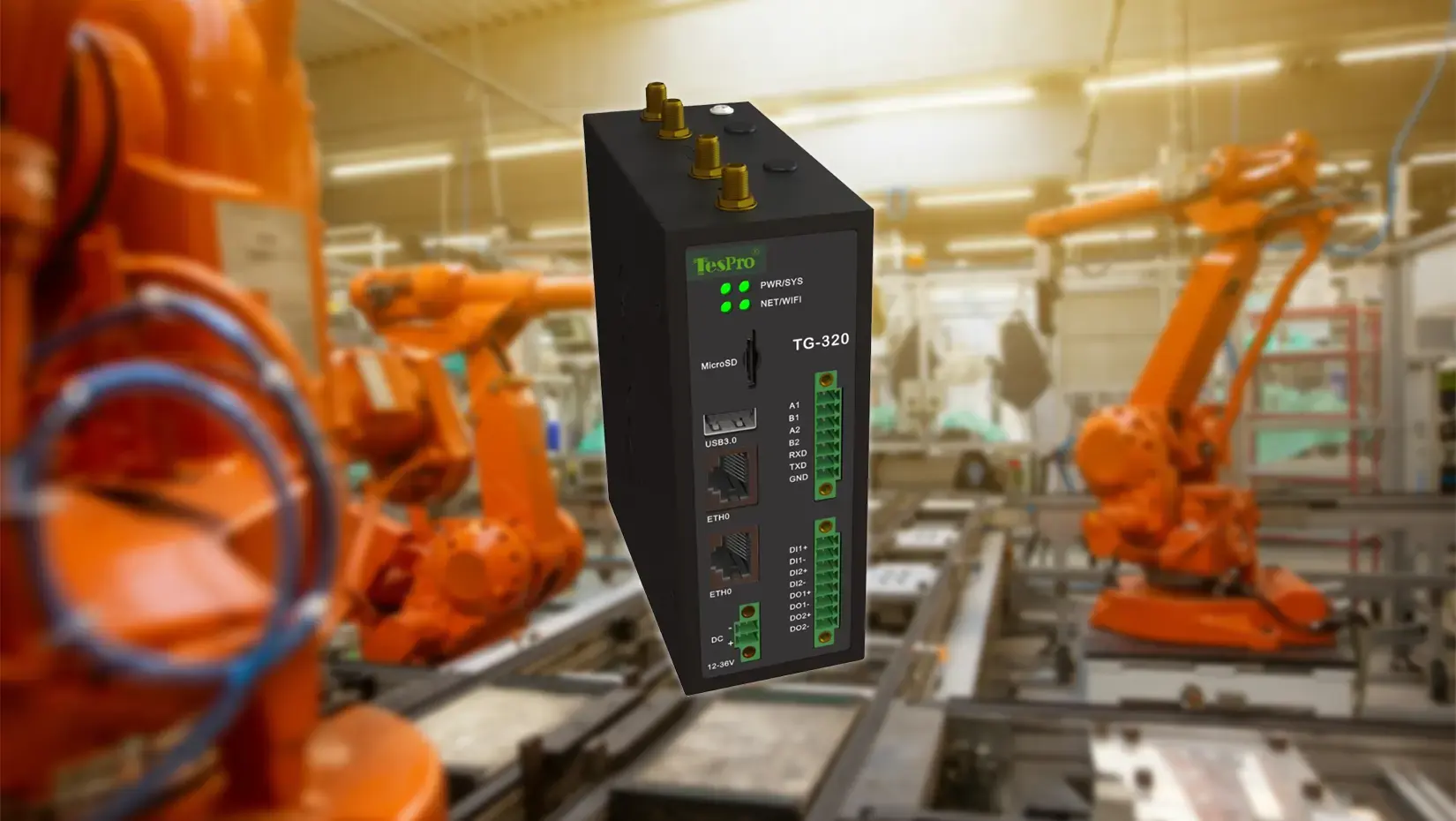

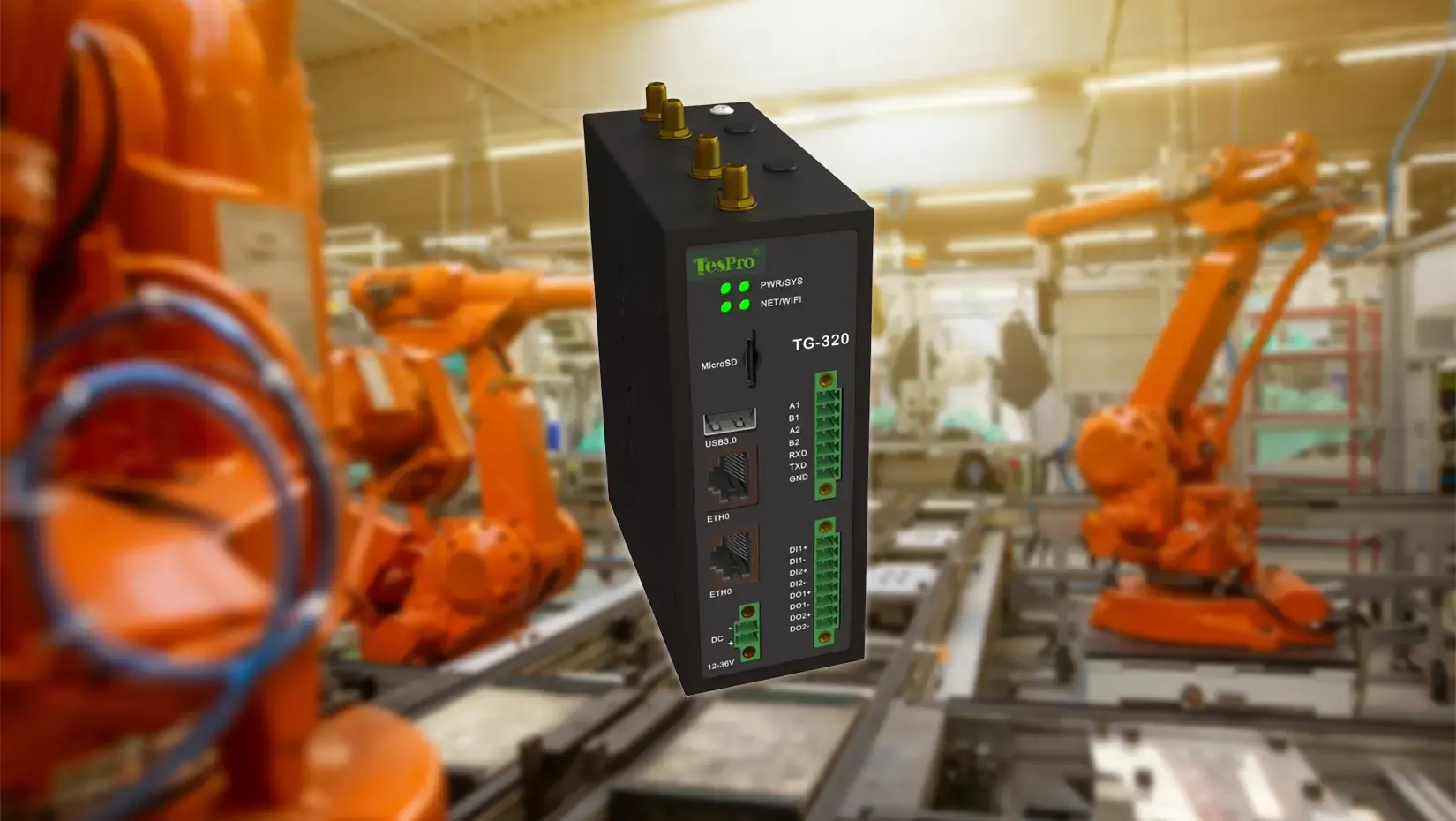
When a project requires custom scripts, device drivers, data logic or local applications, software openness becomes a key selection factor. Tespro’s TG-325 page explicitly lists OpenWrt/LEDE with C/C++, Lua, Go and Python, together with 2×RS485, 1×RS232, GPIO, dual Gigabit LAN, USB 3.0 and Micro SD.
Key Points
- Check whether the required protocol is already supported before deciding to customize.
- Language support does not mean every library or container environment is available by default.
- Production projects need SDK, firmware, testing and upgrade-version control.
When customization is worth it
Proprietary protocols, special frames, industry algorithms, custom APIs, local preprocessing or unusual device drivers are valid reasons to develop custom software. Simple Modbus/MQTT mapping is usually better handled with existing functions to reduce maintenance.
Confirm the runtime before development
Beyond the language, check CPU/memory, storage, filesystem, package management, permissions, dependencies, startup services and remote-upgrade method. TG-325 provides the OpenWrt/LEDE and language foundation, but the exact environment still requires project confirmation.
Treat custom software as part of the lifecycle
Custom applications need versioning, logs, fault recovery, remote updates and rollback. Without that discipline, maintenance cost grows quickly with fleet size.
Start secondary development with a minimum viable application, not a full system
Use one real device, one protocol and one northbound path to close the loop: acquire → parse → process → publish → log → recover from faults. After CPU/memory/storage, dependencies and remote update are validated, expand to more devices and functions. This exposes OpenWrt/LEDE environment, package-architecture or performance limits early.
Manage custom software as a product with versions
Every deployment package should have an application version, configuration version, dependencies and compatible model list. Rollouts need small-batch validation, logs and rollback. For projects expected to run five to ten years, source-code ownership, build environment, security patches and maintenance responsibility should be agreed early.
Applications and Technical Boundaries
When secondary development is justified: Private protocols, custom APIs, local rules, domain algorithms or drivers create real project differentiation and there is a long-term software-maintenance plan.
When configuration is better than custom code: If existing Modbus/MQTT/BACnet mapping already meets the requirement, configure rather than develop. This reduces validation, upgrade and maintenance cost.
TG-325 leaves controlled software space for secondary development
TG-325’s OpenWrt/LEDE and multi-language support create room for secondary development, especially for proprietary protocols, domain logic or customer APIs. The real value appears only when custom software is also managed with versions, logs, updates and rollback, turning one-off project code into maintainable product capability.
Frequently Asked Questions
Q: Does TG-325 support Python?
A: Yes. The current page explicitly lists Python together with C/C++, Lua and Go.
Q: Can any Linux package be installed?
A: Do not assume so. OpenWrt/LEDE has architecture, storage and dependency constraints; the required package must be validated.
Q: Should a custom protocol go directly to mass production?
A: A POC and stability test with the real device and packet flow should be completed before freezing a production firmware version.
Q: Does OpenWrt/LEDE mean every Linux package can be installed?
A: No. CPU architecture, storage, dependencies and package repositories constrain what is available. Validate on the target firmware.