-1791966549842.webp)





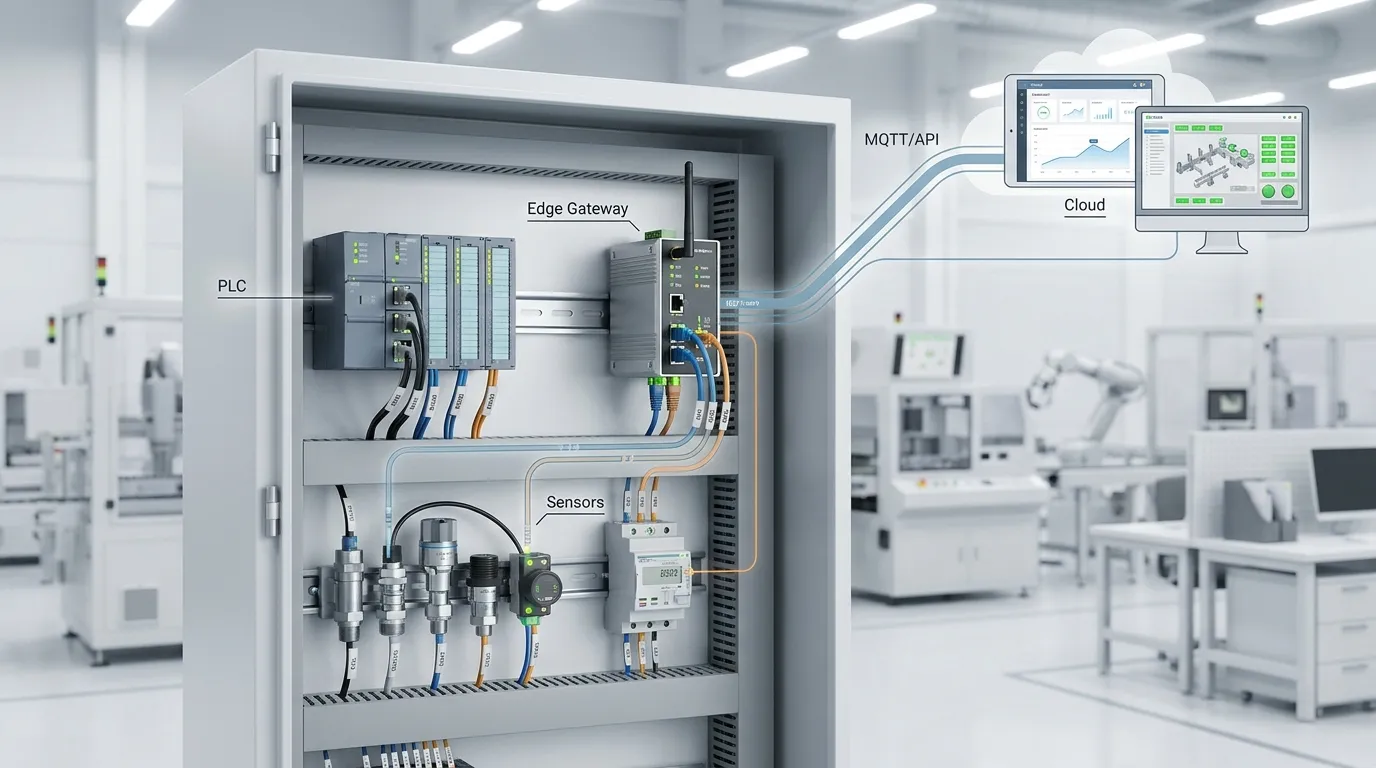

Tespro provides industrial metering, connectivity, router, gateway, DTU, and software/platform solutions for factory automation buyers, industrial IoT integrators, SCADA teams, utilities, OEM/ODM buyers, and procurement teams. An industrial edge gateway or IoT edge gateway should be selected when PLC, sensor, meter, or machine data must be processed locally before it is sent to a cloud platform, SCADA system, dashboard, or API.
For factories, the buying decision is not only about connectivity. Buyers must confirm field protocols, physical interfaces, data volume, latency, local processing rules, MQTT/API requirements, LAN ports, network path, security, power supply, enclosure, and remote update needs.
This guide helps technical and purchasing teams prepare a quote-ready specification before contacting Tespro for a gateway recommendation, datasheet, sample, demo, consultation, or OEM/ODM support.
When Does a Factory Need an IoT Edge Gateway?
A factory needs an IoT edge gateway when raw field data cannot be sent directly to the cloud or upper-level system. This often happens when PLCs, sensors, meters, machines, or controllers use different protocols, data formats, polling rules, or communication interfaces.
An edge gateway can support a device-to-platform workflow where field data is collected, converted, filtered, stored, and forwarded. In many projects, this reduces the workload on the cloud platform and improves local response when network conditions are unstable.
Typical factory use cases include:
- PLC data collection for production monitoring
- Sensor data acquisition for temperature, pressure, vibration, or energy data
- Machine status monitoring and alarm reporting
- Modbus RTU or Modbus TCP data forwarding
- MQTT or API-based cloud reporting
- Local data filtering before dashboard upload
- Remote monitoring for control cabinets or production lines
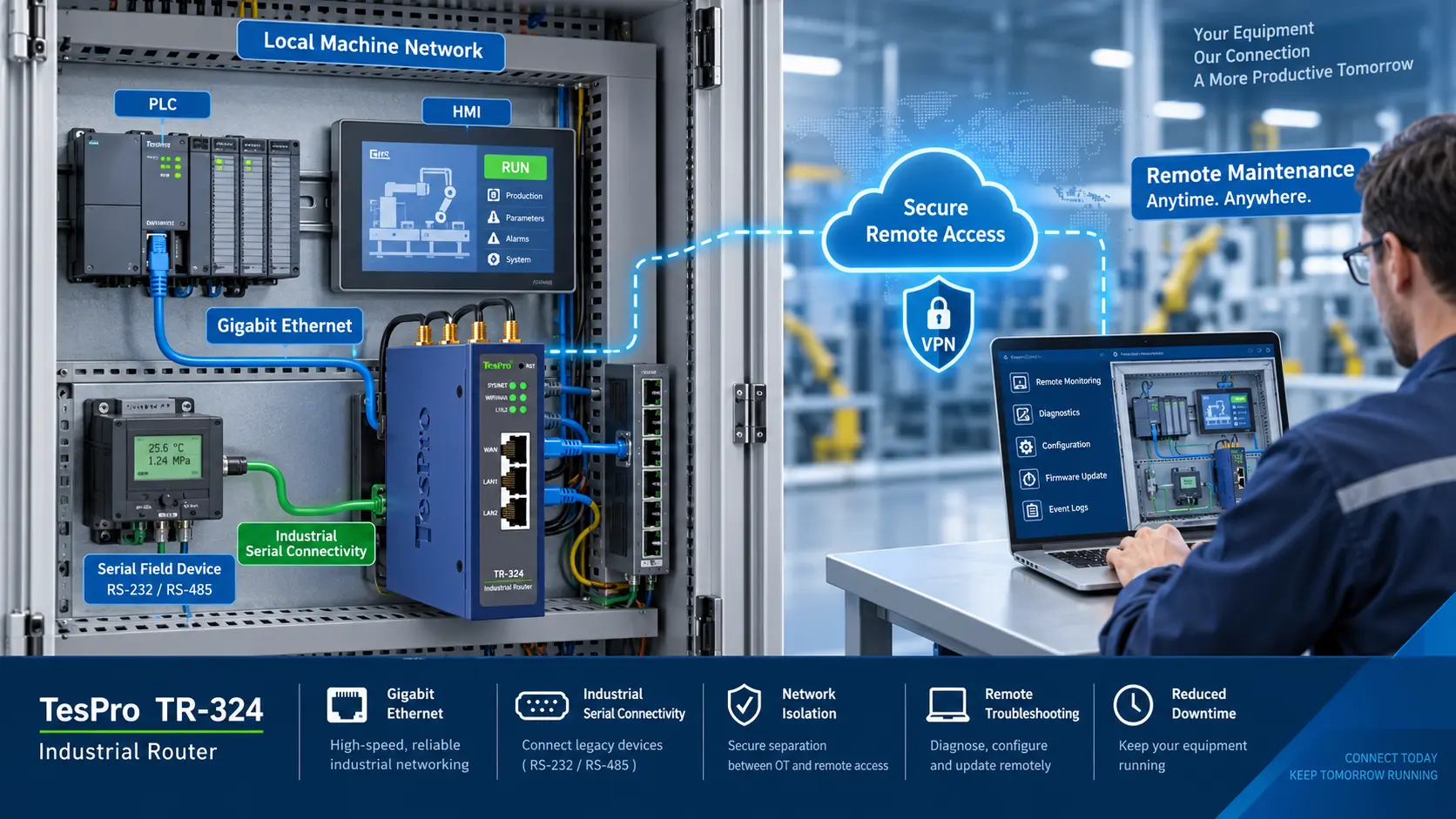
- Industrial router and gateway integration for secure remote access
If the project only needs cellular backhaul, VPN, firewall, or remote access, an industrial router may be enough. If the project needs protocol conversion, local rules, buffering, and device-to-cloud data mapping, an IoT edge gateway is usually the better category to evaluate.
For advanced router-related edge features, buyers can also review Tespro’s guide to industrial router edge, IPv6, and SNMP specifications.
Industrial Edge Gateway vs Router for Edge Computing
Factories often compare an edge gateway with a router for edge computing. The two devices may overlap, but the buying logic is different.
An industrial router mainly protects and connects the network. It may support Ethernet, cellular, VPN, firewall, static IP, APN, and remote access. It is useful when the main problem is secure communication between a field site and a remote server.
An IoT edge gateway is selected when the project also needs data handling. This may include collecting data from PLCs or sensors, converting protocols, filtering values, buffering data during network interruption, creating event-based reports, or sending structured payloads to an MQTT broker or REST API.
A practical selection rule is simple: choose a router when network access is the main requirement. Choose an edge gateway when field data must be interpreted, organized, converted, or processed before it leaves the factory.
Confirm PLC, Sensor, and Machine Protocols First
The most important buying step is to list every connected device. Do not start with the gateway model first. Start with the data source.
For each PLC, meter, sensor, controller, or machine, buyers should confirm:
- Device brand and model
- Communication protocol
- Physical interface
- Baud rate or IP settings
- Register map, tag list, or data point list
- Required polling interval
- Read-only or read/write control requirement
- Alarm, event, or trigger conditions
- Data format expected by the platform
Common industrial protocols and communication methods may include Modbus RTU, Modbus TCP, TCP/IP, MQTT, REST API, and other PLC or automation protocols depending on the project. Interface requirements may include RS485, RS232, Ethernet, CAN, DI/DO, AI/AO, or other field connections.
The gateway must match both the protocol and the physical port. A protocol match without the correct interface can still delay the project.
Factory IoT Edge Gateway Buying Matrix
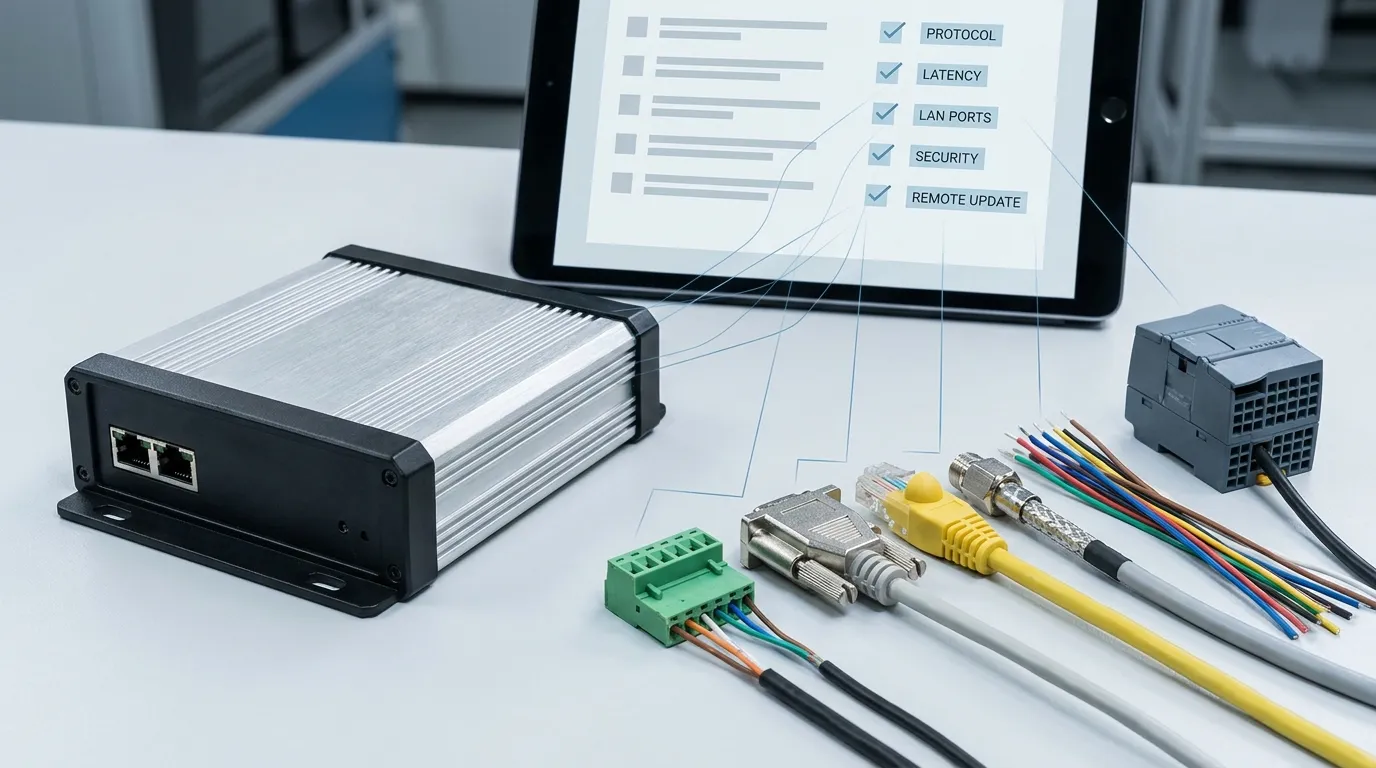
Use the matrix below to prepare a practical specification before requesting a quotation or datasheet.
| Buyer requirement | What to confirm | Why it matters | RFQ detail to send Tespro |
|---|---|---|---|
| Field device connection | PLC, sensor, meter, or machine model | Confirms compatibility path | Device list and model numbers |
| Protocol | Modbus RTU/TCP, MQTT, TCP/IP, API, or other protocol | Determines gateway software and configuration needs | Protocol list and register/tag details |
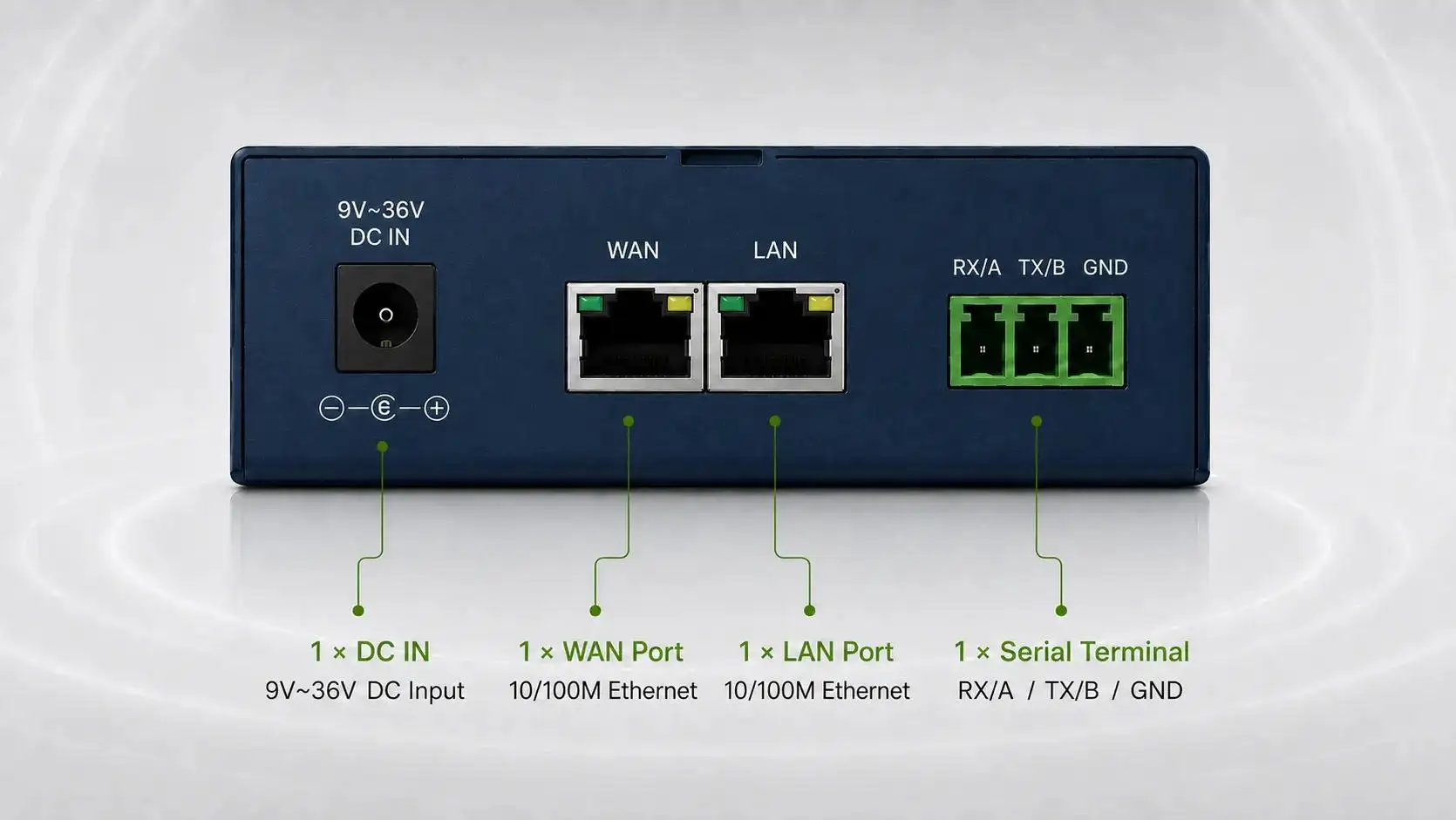
| Physical interface | RS485, RS232, Ethernet, CAN, DI/DO, AI/AO | Determines port type and quantity | Required ports and wiring plan |
| Data volume | Number of tags, registers, or data points | Affects processing and storage needs | Data point count and polling interval |
| Latency | Real-time, near-real-time, or periodic reporting | Affects local processing and network design | Required response or upload interval |
| Local processing | Filtering, alarm rules, trigger logic, buffering | Determines whether edge processing is required | Local rules and event conditions |
| Cloud/platform | MQTT broker, REST API, SCADA, dashboard, private platform | Affects data format and integration work | Endpoint, payload format, authentication needs |
| Network path | Ethernet, Wi-Fi, 4G/5G, SIM, APN, VPN, static IP | Affects remote access and uptime planning | Network type and access requirements |
| Security | VPN, firewall, user access, encrypted connection | Reduces remote access and data exposure risk | Security policy or IT requirements |
| Installation | DIN rail, cabinet, antenna, power, environment | Affects hardware selection and deployment reliability | Site photos, drawings, and power conditions |
This table should not replace a technical discussion. It helps buyers prepare the right details so Tespro can recommend a suitable device category, configuration, or project approach.
Local Processing, Buffering, and Latency Requirements
Edge processing is useful when the factory does not want to upload every raw value to the cloud. Instead, the gateway can help organize data closer to the machine or control cabinet.
Before choosing a gateway, define what must happen locally. For example, the project may need to:
- Filter repeated or unnecessary data
- Report only changed values
- Trigger alarms from threshold conditions
- Store data during network interruption
- Forward events instead of continuous raw data
- Reduce bandwidth usage
- Support local monitoring before cloud upload
- Prepare structured payloads for a platform
Latency also matters. A production alarm may need faster handling than a daily energy report. A remote monitoring dashboard may accept periodic updates, while a machine safety or process alert may need a different architecture.
Buyers should avoid vague requirements such as “real-time data” without defining the actual update interval, action, and acceptable delay.
MQTT, API, SCADA, and Cloud Integration
A factory gateway must fit the upper-level system. It is not enough to confirm that the field device can be read. Buyers must also confirm where the data will go after it is collected.
Common integration questions include:
- Will the gateway send data to an MQTT broker?
- Is the payload format JSON or another structure?
- Does the platform require HTTPS or REST API upload?
- Is the receiving system a SCADA platform, cloud dashboard, private server, or energy management platform?
- Are authentication keys, certificates, tokens, or fixed endpoint rules required?
- Will the gateway need remote configuration after deployment?
- Does the system need alarms, logs, or exportable data?
For industrial IoT and factory automation projects, the most successful RFQs include both the field-side details and the platform-side details. This helps avoid buying a device that connects to the PLC but cannot send data in the required format.
For broader gateway selection criteria, buyers can also visit Tespro’s industrial IoT gateway buyer shortlist checklist.
Network, Security, and Remote Maintenance Planning
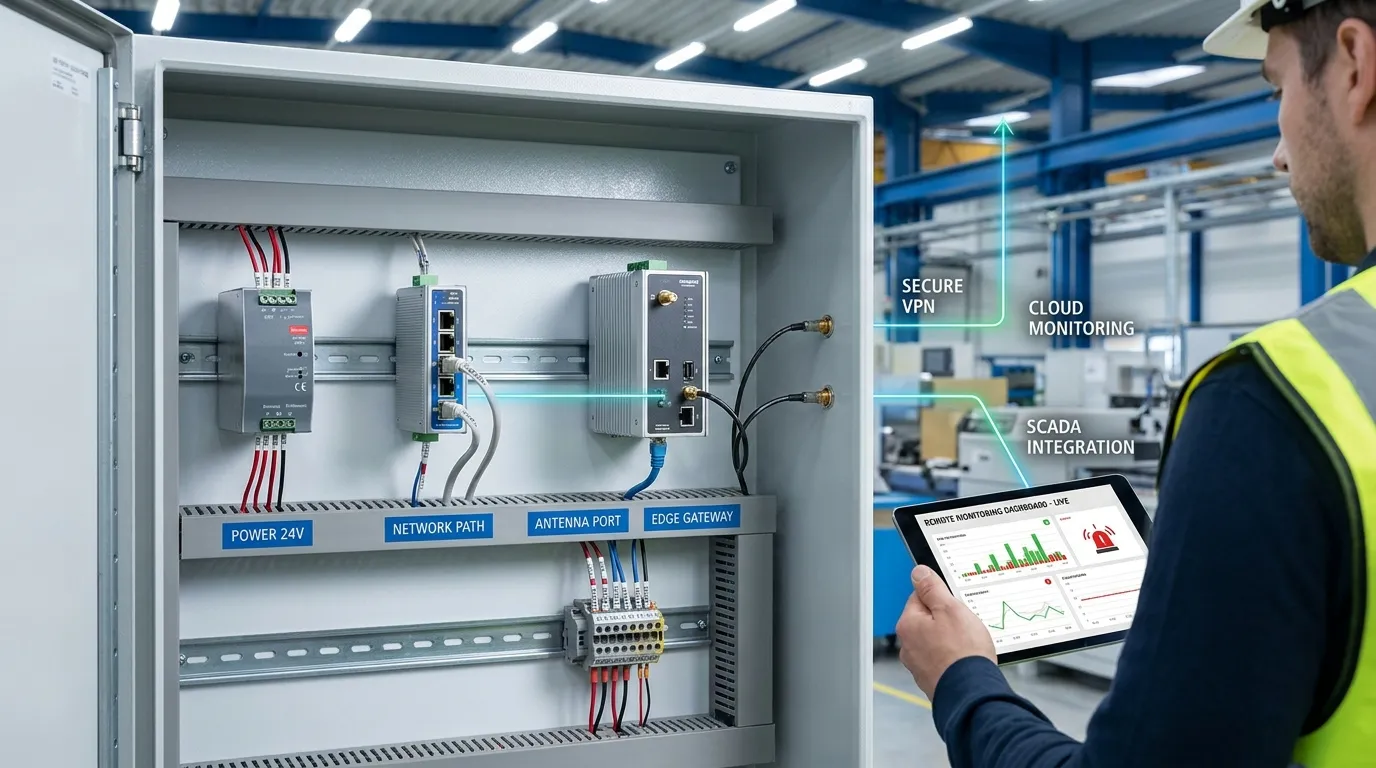
Factories often focus on protocols first, but network planning is equally important. The gateway may need to connect to local Ethernet, Wi-Fi, cellular, or an industrial router. In some deployments, the project may also require SIM, APN, static IP, VPN, or firewall planning.
Security and maintenance should be discussed before purchase. A gateway that is difficult to update, monitor, or access remotely can create long-term support problems.
Buyers should confirm:
- Local LAN topology
- Required Ethernet port count
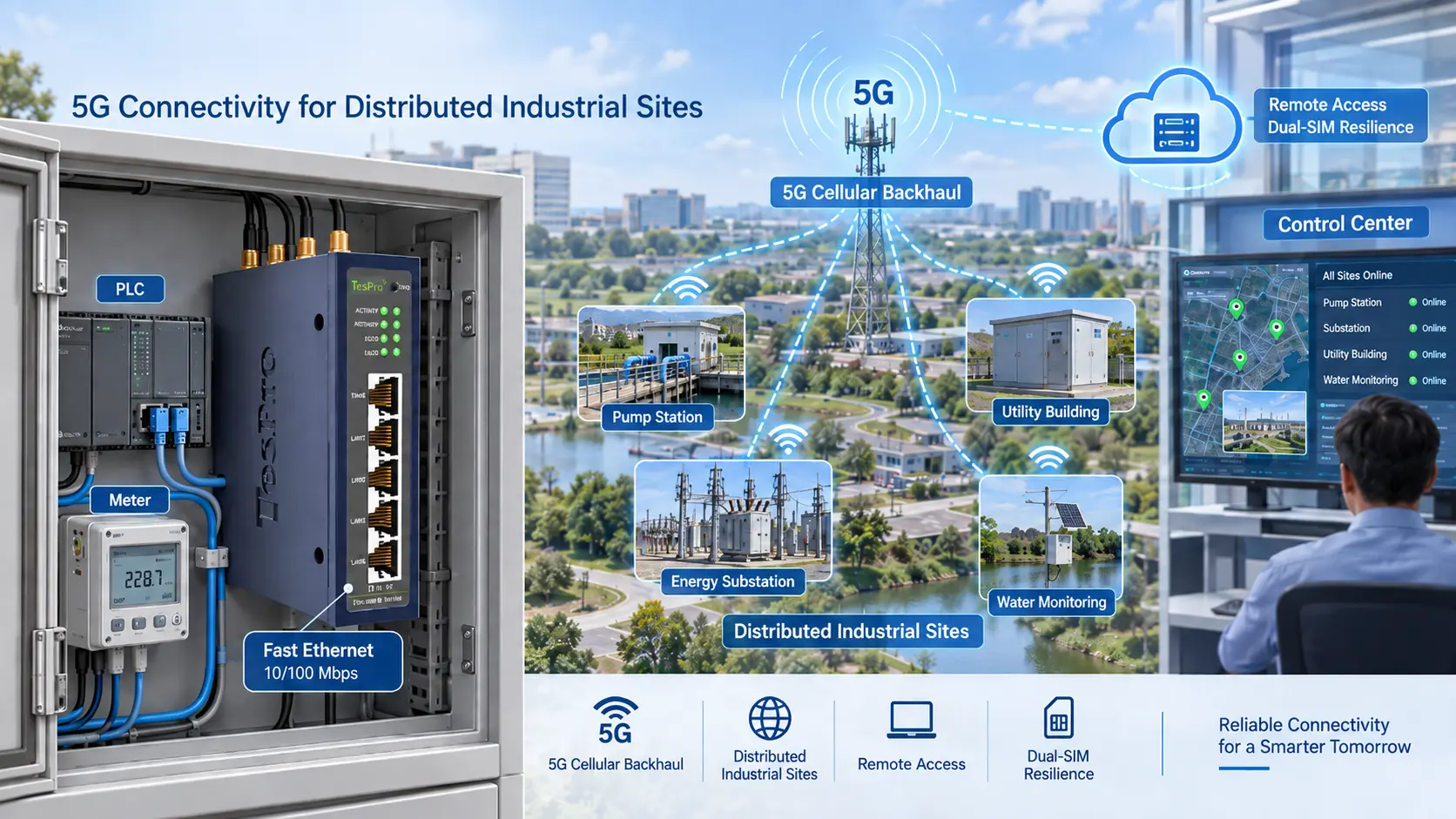
- Cellular backup or primary connection
- SIM, APN, VPN, or static IP requirements
- Remote access policy
- Firewall or segmentation requirements
- Firmware update process
- User access and administrator control
- Log, alarm, or diagnostic needs
For SCADA and remote monitoring projects, network reliability and secure access should be planned with the same care as protocol selection. Tespro’s industrial wireless router SCADA buying checklist can help buyers compare related connectivity requirements.
Factory Deployment Details That Affect Device Selection
The installation environment can change the right gateway choice. A device that works in an office test setup may not be suitable for a control cabinet, production line, remote pump station, or harsh industrial area.
Before requesting a quote, confirm:
- Cabinet space and mounting method
- DIN rail or panel installation need
- Power supply type and voltage range
- Grounding and electrical noise conditions
- Operating temperature expectations
- Dust, moisture, or enclosure constraints
- Antenna placement and signal strength
- Cable distance for serial and Ethernet lines
- Maintenance access for technicians
- Need for drawings or wiring diagrams
These details help Tespro understand whether the buyer needs a simple gateway, a more rugged industrial gateway, a router-assisted architecture, or a custom OEM/ODM approach.
Common Buying Mistakes to Avoid
A factory edge gateway project can fail even when the device looks correct on paper. Most problems come from missing integration details before purchase.
Avoid these mistakes:
- Choosing a gateway before listing connected PLCs and sensors
- Confirming only the protocol, but not the physical interface
- Ignoring register maps, tag lists, and polling intervals
- Using “real time” without defining latency expectations
- Forgetting offline buffering requirements
- Selecting cellular connectivity without checking signal, SIM, APN, or antenna needs
- Assuming every gateway supports every cloud platform or API format
- Overbuying advanced edge computing features that the project does not need
- Underbuying when local processing, filtering, or alarm logic is required
- Leaving security, firmware updates, and remote access until after deployment
A strong specification reduces delays during quotation, testing, installation, and long-term maintenance.
What to Send Tespro for an Edge Gateway Quote
To receive a useful recommendation, buyers should send practical project information, not only a keyword or product name. The more complete the technical input, the easier it is to recommend the right device category or configuration.
Prepare these details for Tespro:
- Required device type: gateway, router, DTU, or uncertain
- Quantity
- Factory automation or industrial IoT application
- PLC, sensor, meter, controller, or machine models
- Protocols and standards
- Interface and port requirements
- Number of data points, tags, or registers
- Polling interval and latency target
- Local processing, alarm, or buffering needs
- MQTT, REST API, SCADA, cloud, or dashboard requirements
- Ethernet, Wi-Fi, 4G/5G, SIM, APN, VPN, or static IP requirements
- Power supply and installation environment
- Enclosure, cabinet, DIN rail, antenna, or wiring constraints
- Security and remote management needs
- Datasheet, sample, demo, or OEM/ODM requirements
- Delivery destination
- Site drawing, network diagram, or written specification if available
This information helps Tespro support both engineering evaluation and procurement discussion.
Why Work With Tespro for Factory Gateway Selection?
Tespro supports buyers across industrial metering, smart meter communication, data transmission, industrial routers, industrial gateways, test equipment, calibrators, and software/platform workflows. That wider solution scope is useful when the project includes both field hardware and system integration requirements.
For factory automation buyers, Tespro can help review the connection path from device to platform. This may include field interfaces, gateway or router selection, remote monitoring needs, platform workflow, and quote preparation.
Tespro is especially relevant for buyers who need a practical technical discussion before finalizing a purchase specification. This includes integrators, procurement teams, distributors, OEM/ODM buyers, and project engineers preparing a factory data acquisition or remote monitoring project.
Frequently Asked Questions
Do I need an IoT edge gateway or an industrial router?
Choose an industrial router when secure network access is the main need. Choose an IoT edge gateway when the project also needs protocol conversion, local processing, data buffering, alarm logic, or structured cloud/API reporting.
Can a gateway send Modbus data to MQTT?
Many factory projects require Modbus-to-MQTT data flow. Buyers should confirm the Modbus device type, register map, polling interval, MQTT broker, topic structure, payload format, and authentication requirements before selecting a gateway.
Is 4G or 5G required for a factory edge gateway?
Not always. Many factory gateways use Ethernet inside the plant. Cellular may be useful for remote cabinets, backup connectivity, or sites without stable wired access. Confirm signal, SIM, APN, antenna, and VPN needs before purchase.
What local processing should be done before cloud upload?
Common edge tasks include filtering repeated values, triggering alarms, buffering data during network outages, reporting events, and formatting payloads for a platform. Define the required action and timing before choosing the device.
What details affect the gateway quote most?
The biggest factors are device models, protocol, interface count, data point volume, latency, local logic, network path, cloud/API requirements, power supply, installation environment, security, and remote management needs.
Can Tespro help with OEM or ODM gateway requirements?
Tespro can discuss OEM/ODM support where the project requires custom device selection, branding, integration, or configuration planning. Buyers should send the technical specification, quantity, application details, and any drawings or platform requirements.
Request an IoT Edge Gateway Recommendation
Send Tespro your factory automation requirements to request a quotation, datasheet, sample, demo, consultation, or OEM/ODM discussion. Include the device type, quantity, application, PLC/sensor/meter models, protocol, interface and port needs, network type, SIM/APN/VPN/static IP requirements, cloud/API requirements, power supply, operating environment, enclosure constraints, security needs, delivery destination, and any system diagram or written specification.