-1791966549842.webp)






In a modern industrial environment, even one minute of lost connectivity can stall production, cause loss of data, or lead to dangerous situations. Traditional office/home routers connect to the internet via wired broadband, a luxury that many remote monitoring locations, moving vehicles, or outdoor SCADA stations may not have. An Industrial Router with SIM Card covers this gap. What can you do when your sole connectivity option is no longer available? Dual SIM Redundancy could be one of the most appealing choices.
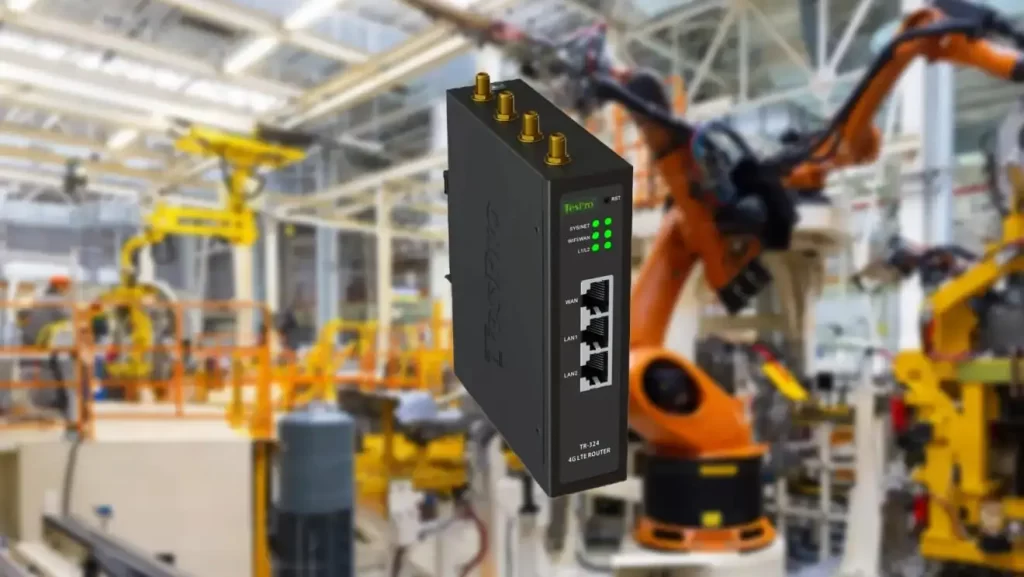
This article discusses how Dual SIM Redundancy Industrial Cellular Routers work along with possible advantages.
1. What is SIM Dual Redundancy in Industrial Router?
A SIM Dual Redundancy Industrial Router normally has two (but sometimes one) physical SIM Cards (or eSIMs). Here redundancy is managed by smart failover and both SIMs are kept active.
•Primary and Secondary Designations: Here, one of the SIM Cards is for Operator A and is the primary (or main) SIM, while the remaining (or other) SIM Card is for Operator B, or is for a different APN and is the standby SIM.
•System-generated link tests: The router can ping a reliable external endpoint (for instance, 8.8.8.8 or a corporate server) to conduct periodic tests to measure the strength of the link.
•Threshold-based active role: The secondary SIM is typically activated to take over the role of the primary SIM (without the need to establish VPN tunnels) in case the primary SIM's link quality deteriorates (i.e., packet loss is >5% and/or latency is >500ms).
•Manual vs automatic fallback: The router can revert to the original configuration, or the active role of the secondary SIM can be maintained until a manual reset is performed, after the link quality metrics for the primary SIM return to an acceptable level.
Industrial Routers focus on packet data redundancy and continuity, requiring a failover time of under 10 seconds, as opposed to consumer dual-SIM phones that manage only voice and SMS functionality.
2. How Failover Works: Active/Standby vs Load Balancing
Two modes of operations are used in an Industrial Router with SIM Card, to describe dual SIMs.
Active/Standby Mode (Majority)
•Normal: SIM A (e.g., 4G LTE) carries 100% of traffic.
•Fail Detection: A router monitors for disconnections and analyzes scenarios with higher than normal error rate.
•Action: The default gateway will be changed and SIM B will be enabled.
•Expected failover time: will be 3-15 seconds (Depending on the keep-alive time intervals).
Load Balancing Mode (Not Very Common)
•Normal State: Both SIMS are operational (Ex: SIM A: 60%, SIM B: 40%).
•Benefit: Great for traffic intensive operations (e.g., video uploads).
•Drawback: SIM B can only carry the remaining 100% of traffic if the default link is used.
Active/Standby Mode is used for the majority of applications whereas Load Balancing Mode is applied for non-critical high-bandwidth applications.
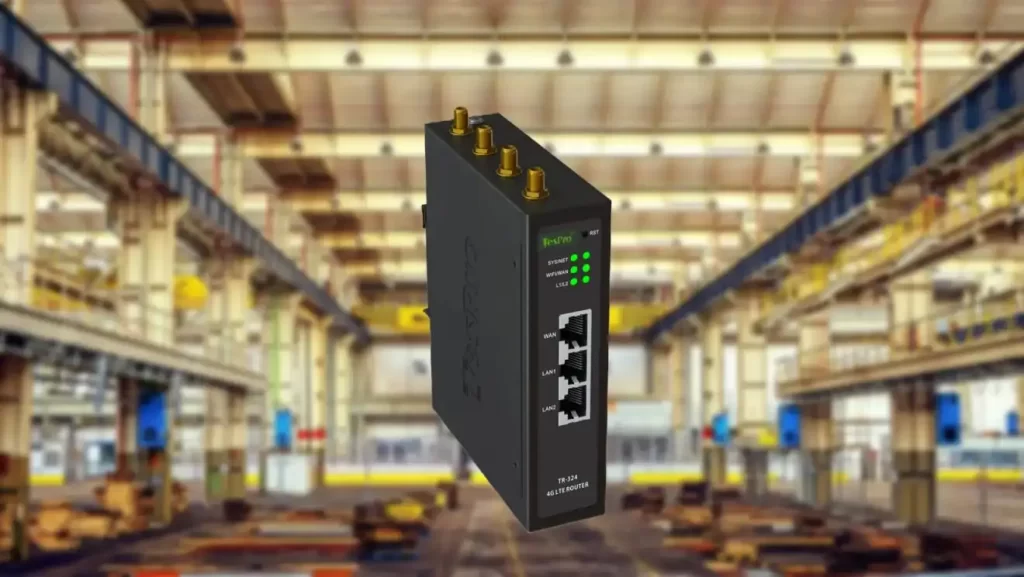
3. The Importance of Redundancy: Real Life Examples
Redundancy of Dual SIMs is of great importance.
Remote Oil & Gas Wells
•Issue: Poor carrier coverage and/or bad weather results in no coverage in the woods.
•Resolution: Use SIMs from different MNOs (e.g., Verizon and AT&T).
Autonomous Mobile Robots (AMRs)
•Issue: Handover will be impossible from cell tower when traversing a factory floor.
•Resolution: Use Dual SIMS to maintain cloud connectivity for fleet control.
Intelligent Traffic Management Systems
•Problem: Certain link failures can make traffic signal lights unresponsive or entirely non-functional.
•Proposed Solution: We carry out instantaneous SIM failovers and check the status real-time.
Ad Hoc Disaster Recovery Networks
•Problem: Natural disasters can destroy some towers of the carrier networks.
•Proposed Solution: We can manage emergencies better using a Secondary SIM on a different network. It provides more communication options.
4. Key Technologies Behind Seamless Switchover
A variety of lower level mechanisms add assurance that Dual SIM can be used reliably in an Industrial Router with SIM Card.
•PPP Echo & ICMP Probing
Mechanism: The Router would periodically send “keep-alive” packets. After N attempts, and no reply the link would be marked as dead.
•VRRP + Dual SIM Integration
Mechanism: In a redundancy setup for gateways, dual SIM then will provide for a second layer of protection. The primary router could fail and the backup router, which would be paired with its own Dual SIM, would take its place.
•Persistent VPN Tunnels
Mechanism: When the active SIM changes, the router also automatically re-establishes IPsec or OpenVPN sessions to the new address.
•Managing SIM PINs
Mechanism: The industrial routers would store SIM PINs in an encrypted flash. A power cycle would not reset the manual unlock of the SIM.
Advanced routers also include Hotswap capability, allowing for a SIM to be replaced and the modules stay powered.
5. Beyond Dual SIM: Triple Backup Options
Modern industrial routers take it one step further to combine cellular, wired, and Wi-Fi as backup paths.
•With Wired (Ethernet) being primary: This would use fiber/DSL, which carry 99% of traffic.
•4G/5G being Secondary: The first SIM replaces wired should it fail.
•Secondary SIM or Wi-Fi being Tertiary: should primary cellular be lost, the router could use public Wi-Fi or a second carrier's 4G.
As a result, systems with a critical demand for maximum reliability such as railway control systems or the automation of power substation systems can expect almost 100% availability.
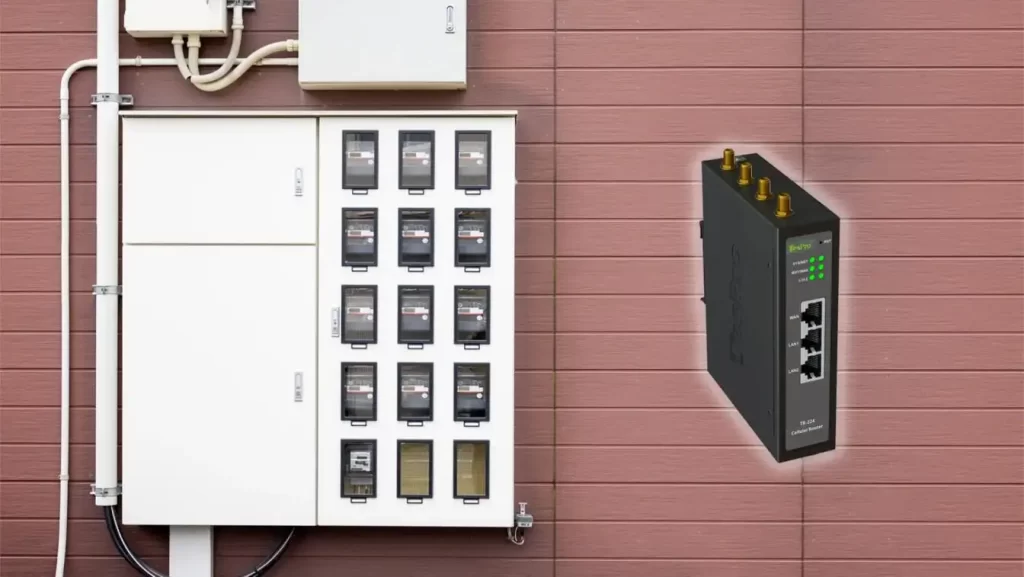
6. Design Considerations for Harsh Environments
A dual SIM feature is only useful if the hardware survives its surroundings. Industrial routers are built differently from office equipment.
•Wide temperature range: Reliable operation from -20°C to +75°C (some models -40°C to +80°C) – essential for outdoor cabinets or desert solar sites.
•Wide Voltage Input and Redundant Power Supply: With DC 5-30V input, the router accepts unstable power from batteries/solar chargers, and the redundant power terminals eliminate single-point power failure.
•DIN Rail Mount Saving Space: Compact Power Supply saves space in control panels measuring 93 x 118 x 24 mm (3.66” x 4.65” x 0.94”).
•Surge & ESD Protection: protects ESD & surge strikes. Especially critical in tower sites.
•Industrial Humidity Tolerance: Up to 95% Relative Humidity Non-Condensing with no internal corrosion in wet environments.
7. Introducing Tespro's Dual SIM Industrial Router Design
Tespro's TR245 series is based on the concept of dual SIM redundancy with further engineering benefits for global industrial applications.
Key Technical Highlights of Tespro Industrial Router with SIM
•Dual SIM with Layered Design: Offers physical redundancy with separate card holders, and supports automatic failover with APN switchover.
•Triple Backup Switching: Seamless switching in order of preference between wired 100Mbps Ethernet, Wi-Fi 802.11n (up to 300Mbps), and 4G cellular.
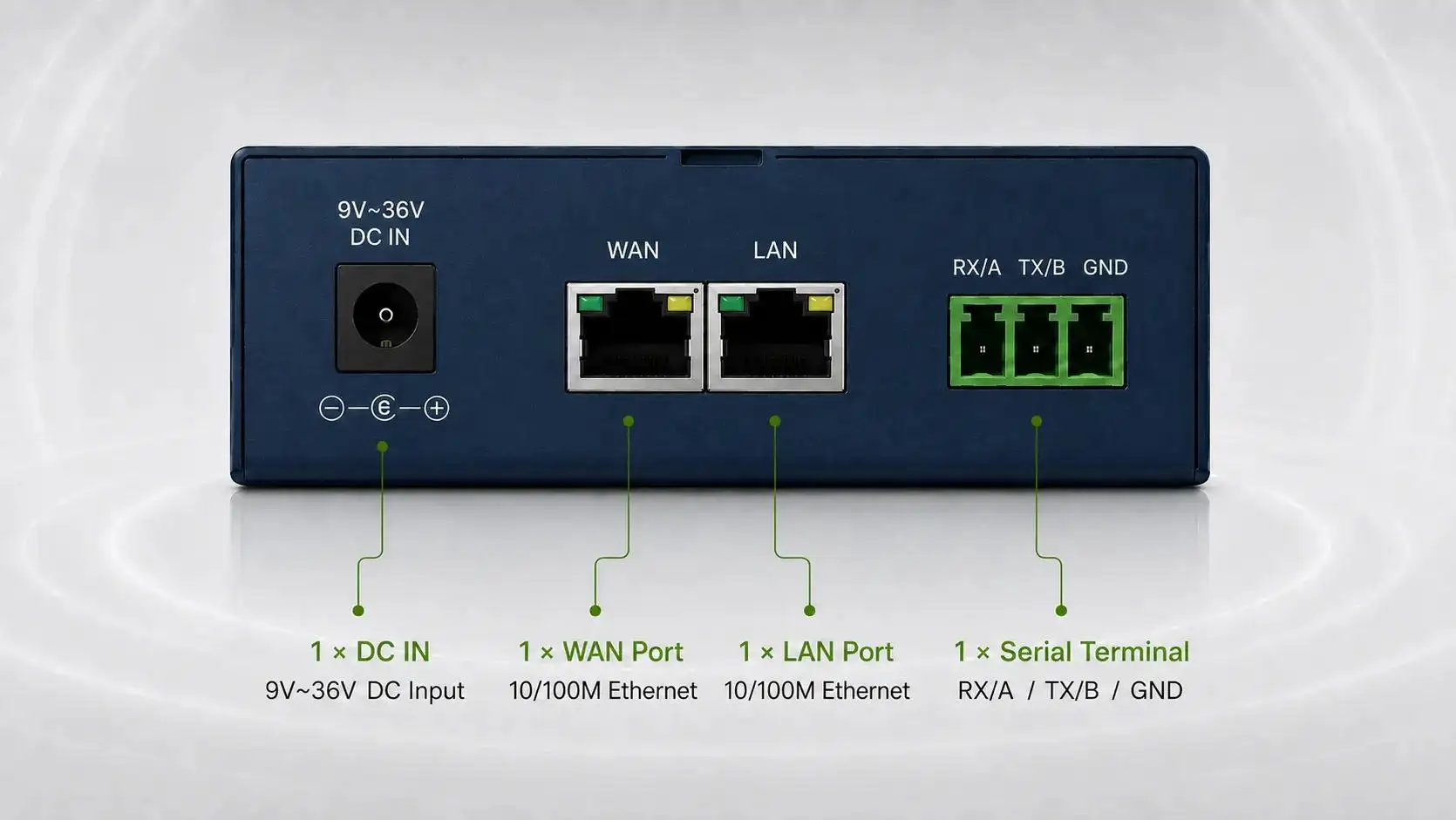
•5 ports of self-sensing 100Mbps Ethernet connectivity: LAN0 can act as wired WAN in case of a fallback situation. The other 4 ports can connect PLCs, cameras, or local HMI panels.
•DC 5–30V Dual Wide Voltage Power Supply: Terminal block + DC jack redundancy; consumption <400mA. Perfect for solar or battery powered sites.
•Industrial Environmental Resilience: -20°C to +75°C (storage -40°C to +80°C); humidity range of 5–95% no condensation.
•Compact (93x118x24 mm without antenna) and DIN Rail Mountable: Fits into tight industrial cabinets.
•Multi Band 4G + Backward Compatible: With global LTE, GPRS and NB-IoT for legacy or low power wide area deployment.
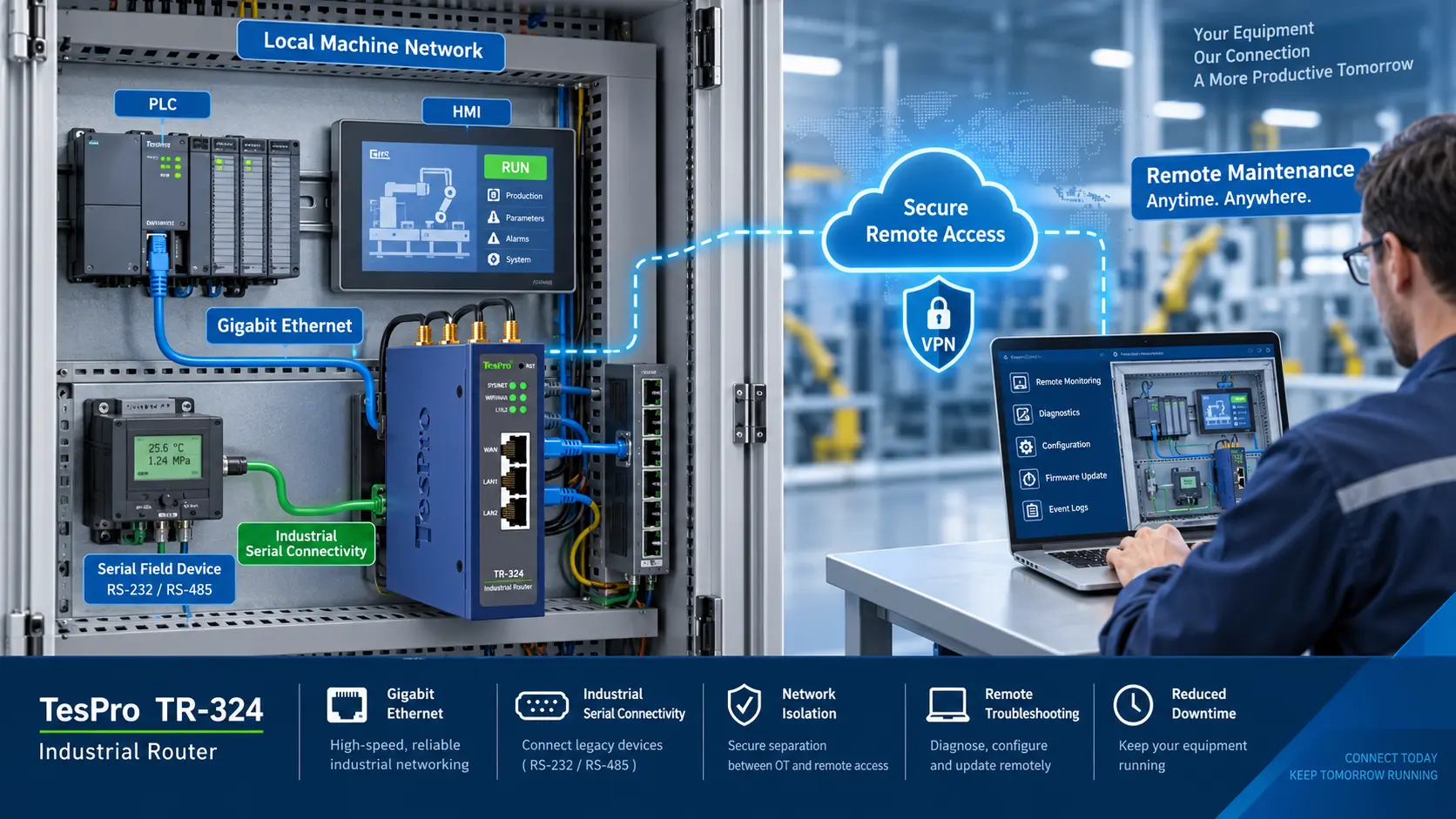
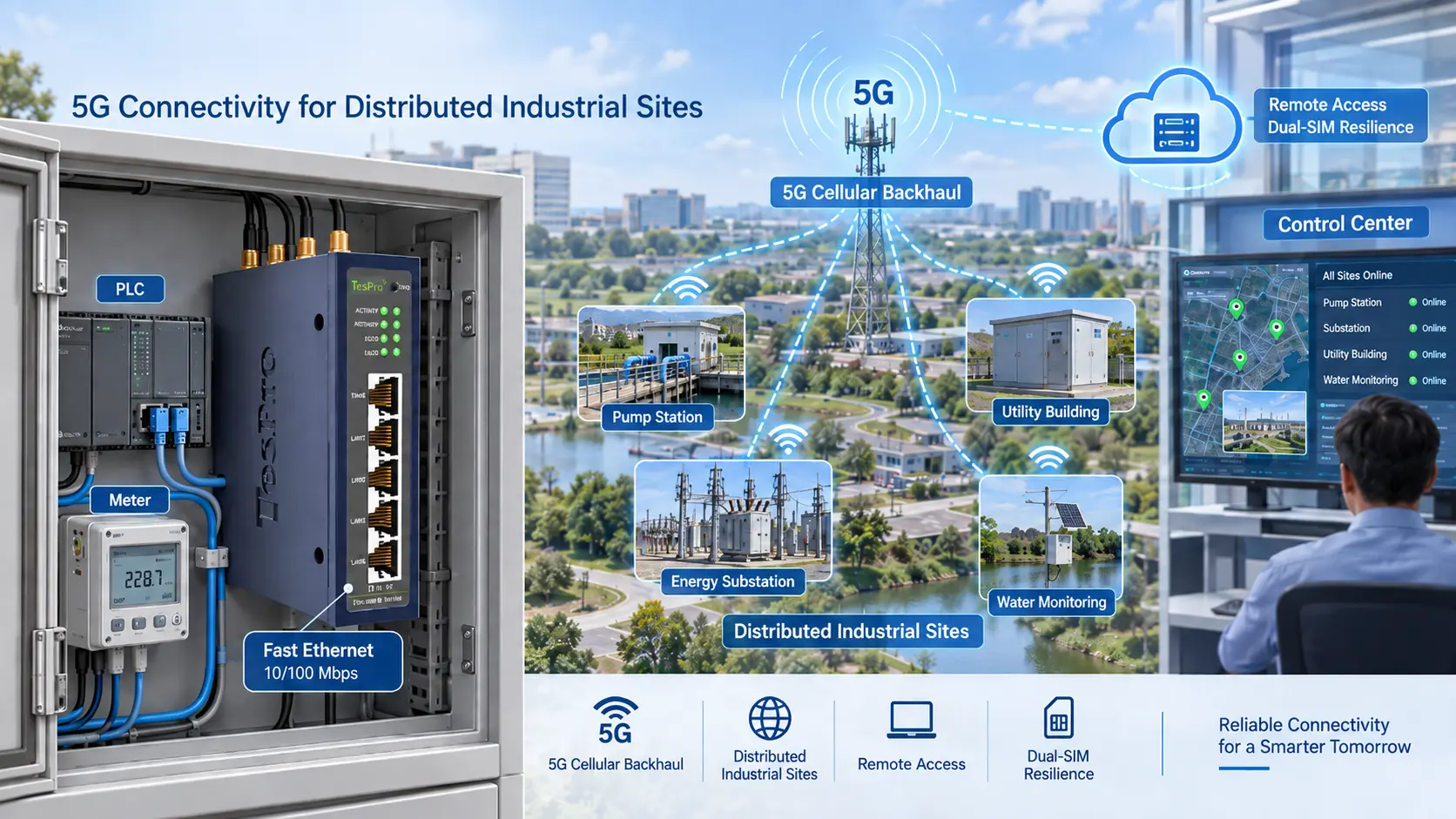
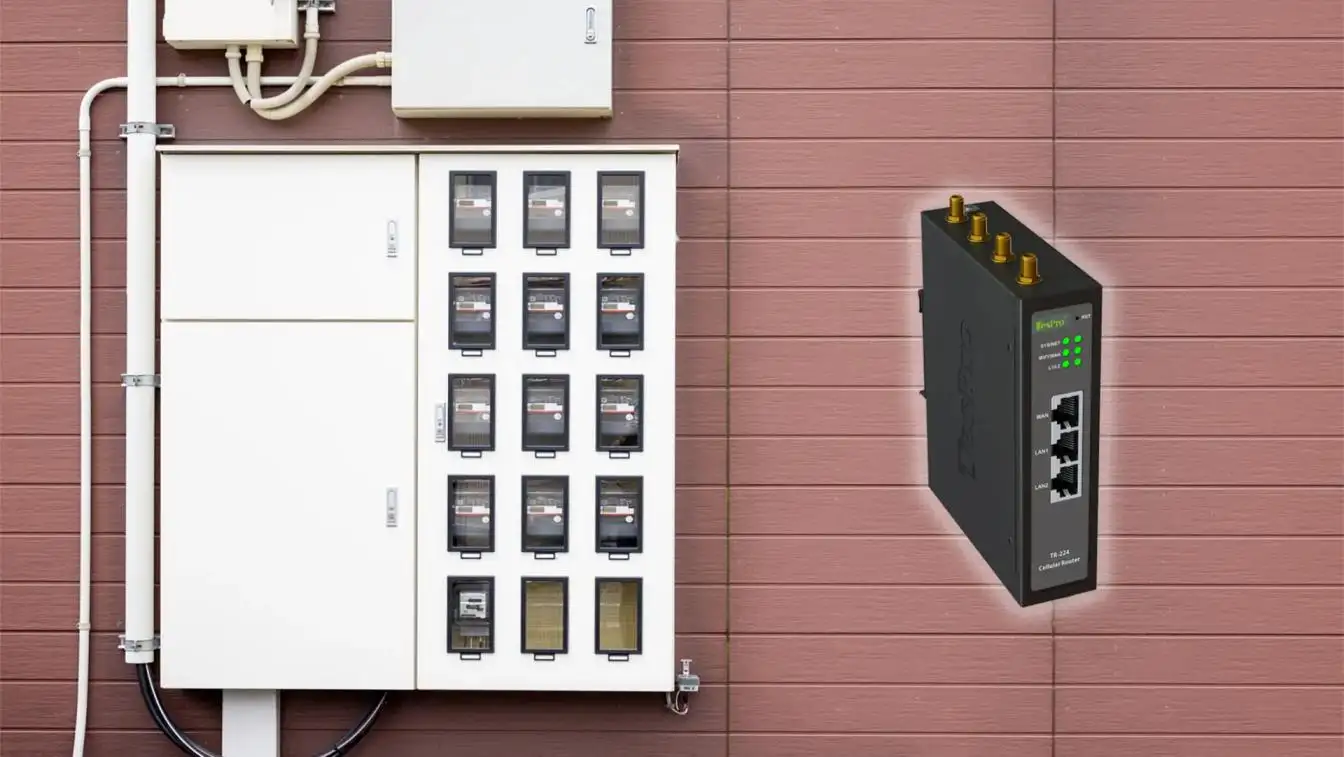
•Designed for utilities and smart cities. Tespro routers work with AMI and AMR systems, enabling the safe communication of smart meters, traffic controllers, and even robotic fleets to the cloud.
Tespro's design with metal casings, watchdog timers, and the ability to use less energy means that not only is dual SIM redundancy a feature, but a reliable promise for remote connection.
Conclusion
An Industrial Router with SIM Card equipped with dual SIM redundancy transforms fragile cellular connections into carrier-grade links. Whether it is a solar farm in the desert, a mobile robot in a factory, or a traffic cabinet in a hurricane zone, dual SIM failover keeps data moving. By combining this mechanism with wide-temperature hardware, redundant power, and triple backup (wired + Wi-Fi + cellular), Tespro offers a complete solution for Industry 4.0 and smart infrastructure.
Before deploying your next remote monitoring system, ask yourself: Can my router survive a carrier outage? If the answer is no, it is time to upgrade to dual SIM redundancy.
Frequently Asked Questions (FAQ)
Q1. If both SIM cards lose signal, what happens?
The router keeps trying each link and can optionally set off an alarm or default to a wired/Wi-Fi backup if available.
Q1. What happens when both SIM cards are out of signal range?
In the event both SIM cards lose signal, the router will bring both links back up and may set off an alarm and will fallback to any existing backup wired connection and or a Wi-Fi connection.
Q2. What is the time lag for the failover between two SIM cards?
This is usually between 3 to 15 seconds depending on keep-alive configurations and network conditions.
Q3. Can two SIM cards from the same mobile service provider be used?
Yes, although to achieve better redundancy against local tower or core network failures, it is recommended to use two different service providers.
Q4. Does dual SIM apply to 5G industrial routers?
Yes, almost all currently available 5G industrial routers for dual SIM are designed for automatic failover for ultra reliable, low latency, application.
Q5. Can a VPN connection remain active after a SIM failover?Yes. The router re-establishes the VPN tunnels (IPsec, OpenVPN, etc.) automatically on the new SIM and its new IP.