-1791966549842.webp)





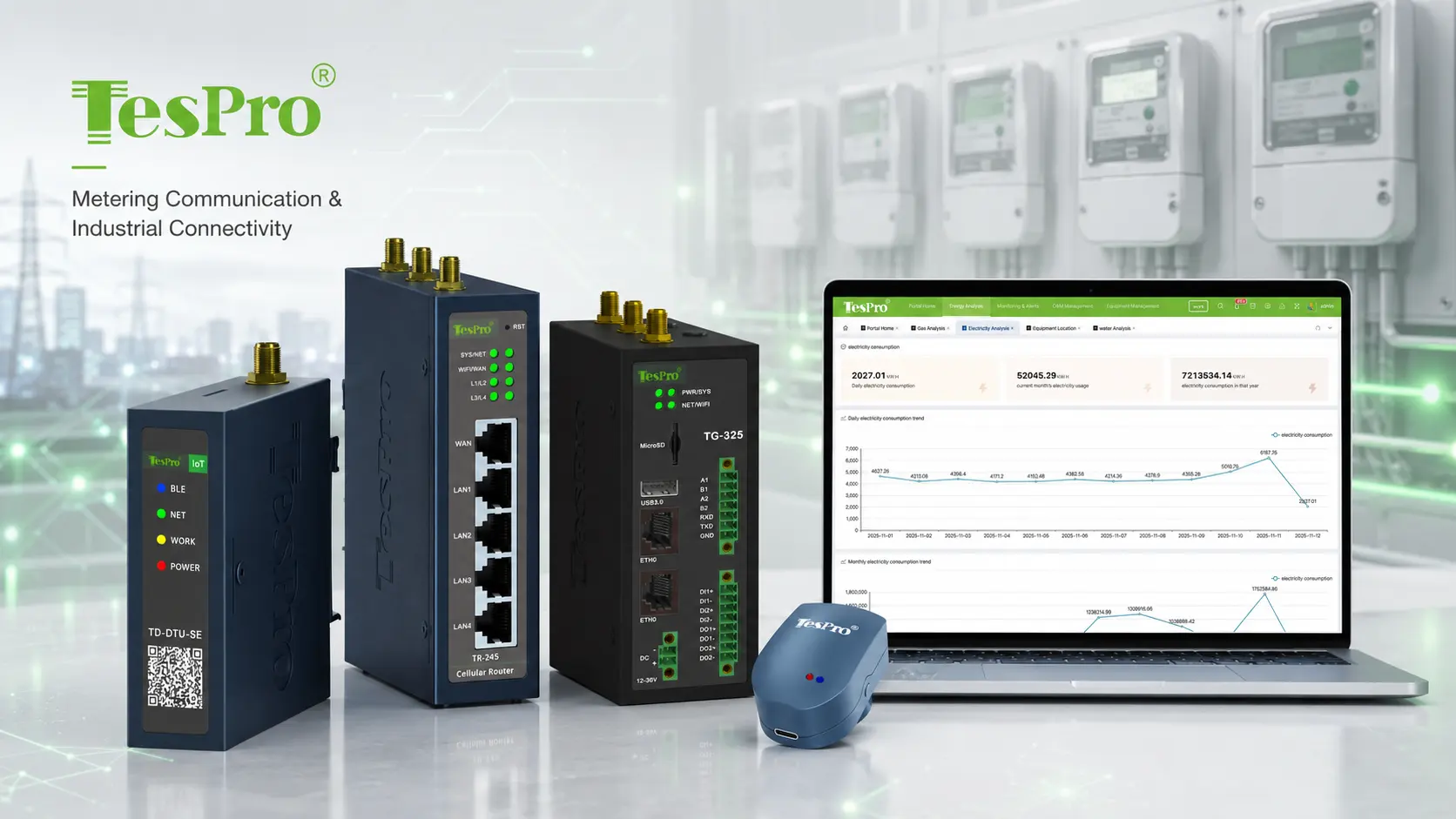

Manufacturer experience is valuable only when past projects are converted into better design, validation and support. Protocol variations, cellular bands, abnormal packets, installation constraints and maintenance workflows all create risk. Tespro has worked in metering communication and industrial connectivity since 2002, giving project teams a broader base for identifying these issues before deployment.
Hidden uncertainty is the main risk
Industrial devices may remain in service for years while carrier networks, platforms, meter firmware and field personnel change. An experienced manufacturer should ask for the missing conditions rather than promise compatibility too early.
Experience should appear in the validation method
Reusable experience includes checking exact device models, protocol revisions, abnormal packets, test cases, firmware records and rollback plans. Tespro selection should likewise be based on current datasheets, real equipment and the target platform.
From product knowledge to system knowledge
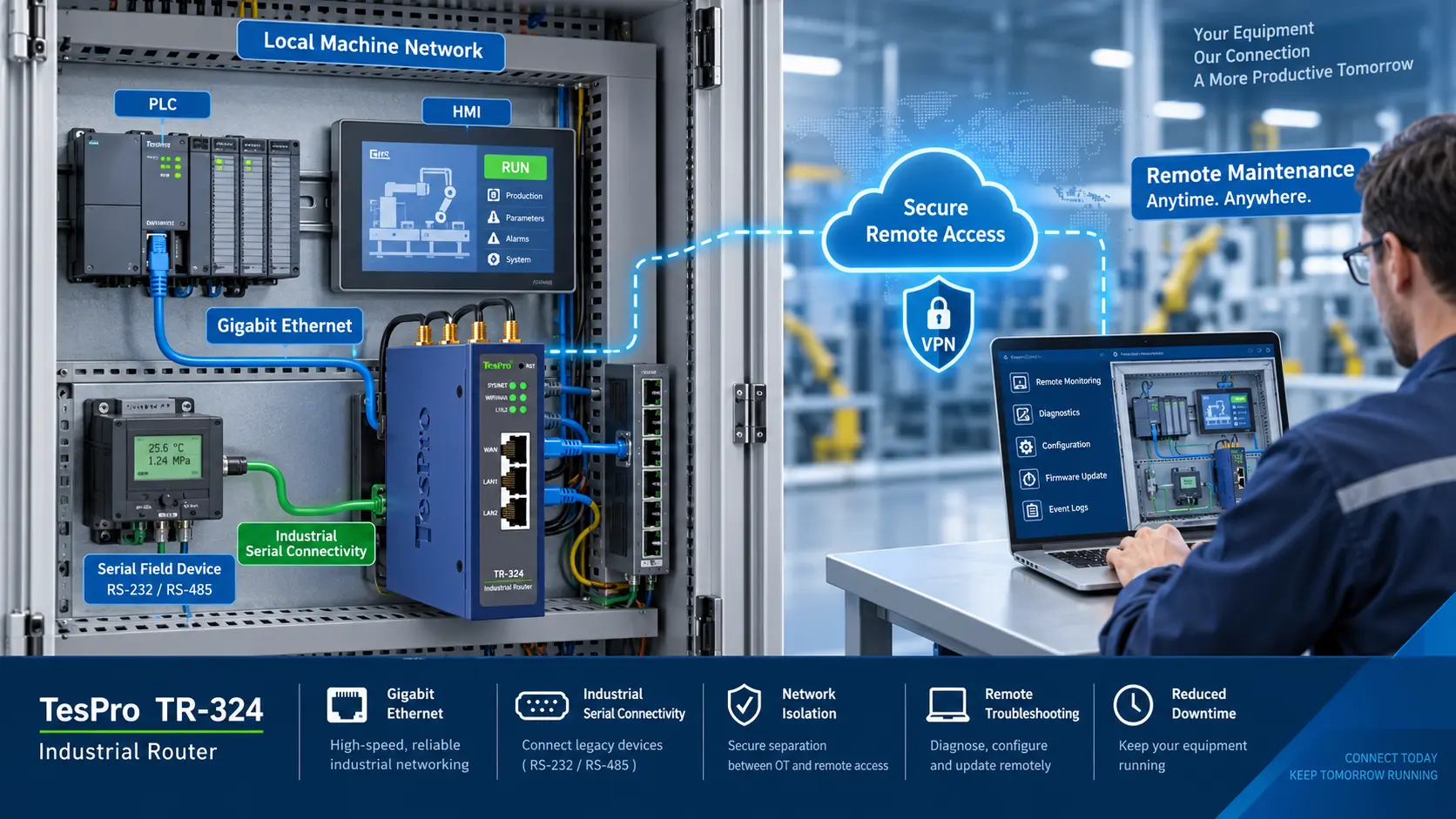
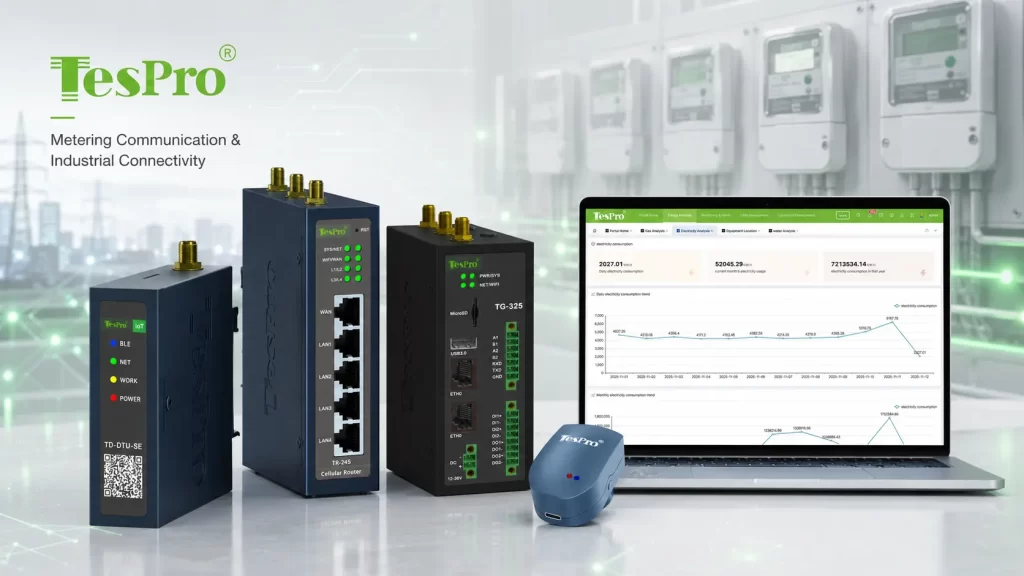
Tespro developed its background in metering communication, optical probes and testing, then expanded into DTUs, industrial routers, edge gateways, protocol converters and energy software. This helps distinguish whether a problem belongs to the physical interface, network link, protocol layer or platform layer.
Project evaluation checklist
✓ Specific protocol versions are requested
✓ Test conditions and results are recorded
✓ Model, firmware and region are distinguished
✓ Product limits are explained clearly
✓ Upgrade, rollback and lifecycle plans exist
Frequently asked questions
Q: Does a long company history automatically mean reliable products?
A: No. History is only context. Evaluate design, testing, quality control, documentation, problem response and real project validation.
Q: Where is Tespro experience concentrated?
A: Tespro has long focused on metering communication, optical probes, meter testing and industrial connectivity, with product lines covering routers, gateways, DTUs, protocol conversion and software.
Q: How does experience help when upgrading a legacy system?
A: Legacy projects often involve old protocols, serial settings, unusual wiring, discontinued parts and platform migration. Documentation review, sample testing and phased replacement can reduce cutover risk.
Q: How can a buyer tell whether a supplier understands the project?
A: A capable supplier asks for device models, protocol documents, point maps, topology, abnormal conditions and acceptance criteria, and clearly states what remains unverified.
Next step: For a legacy upgrade or multi-vendor integration, share the current devices, protocols, issue history and target architecture so Tespro can propose a validation sequence.