-1791966549842.webp)





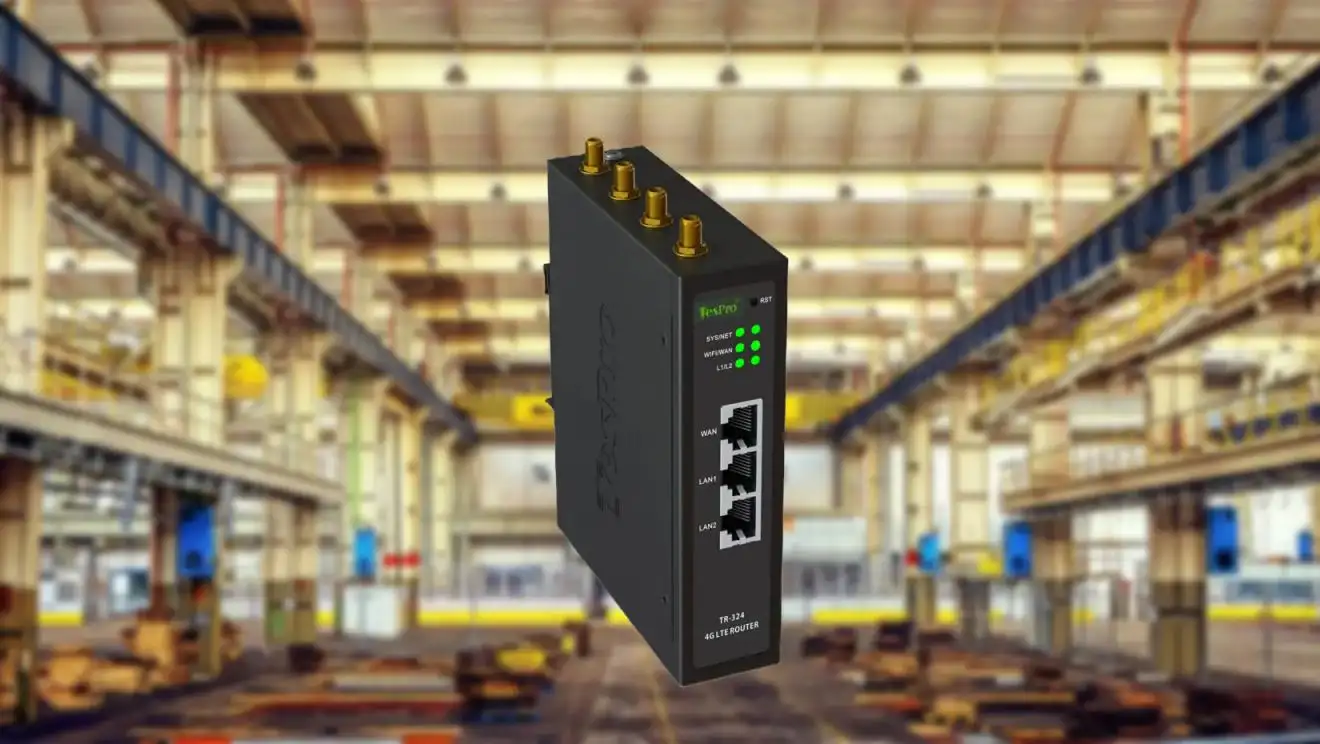

Industrial Router Modbus TCP is a combination of three terms that often confuses newcomers, yet it powers a surprising share of the world's factory floors, water treatment plants, and solar farms. In simple words, an industrial router is a rugged network device designed for harsh environments, while Modbus TCP is a widely used communication protocol that lets industrial equipment—PLCs, meters, sensors, robots—talk to each other over Ethernet.
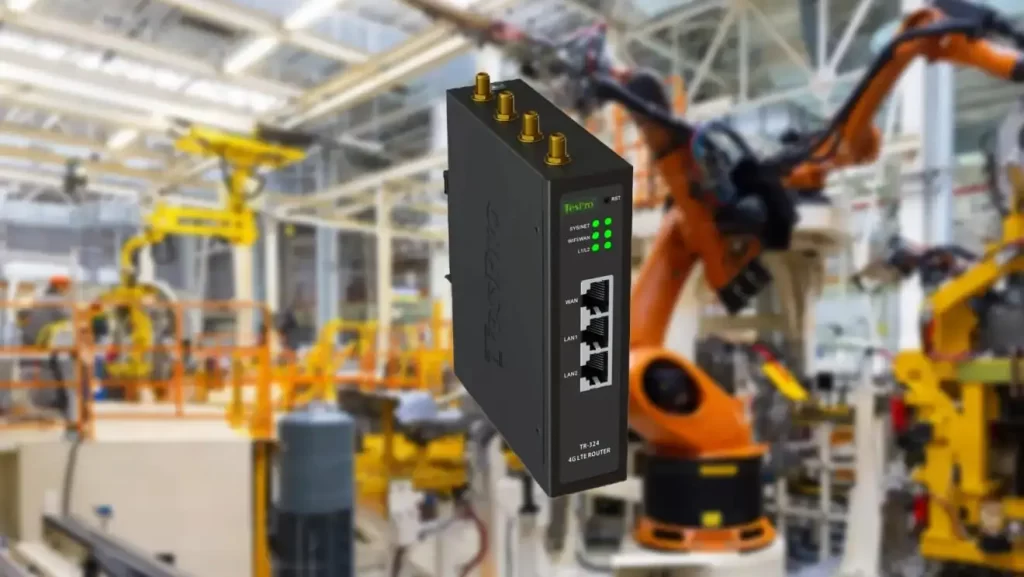
When you put them together, you get a reliable, standardised way to connect remote or on-site devices to a central control system or the cloud. This article explains the basics step by step, avoids hype, and shows why Industrial Router Modbus TCP remains relevant for buyers and engineers planning 2026 deployments.
What Is Modbus TCP, and Why Does It Still Dominate?
Modbus is not new. It was developed in 1979 for serial links (Modbus RTU). Later, Modbus TCP arrived to run on standard Ethernet networks. The protocol is simple, open, and royalty-free—three reasons it never went away.
• No complex licensing: Anyone can implement it without fees.
• Easy troubleshooting: The message structure is human-readable with basic tools.
• Wide device support: From old PLCs to brand-new inverters, almost everything speaks Modbus.
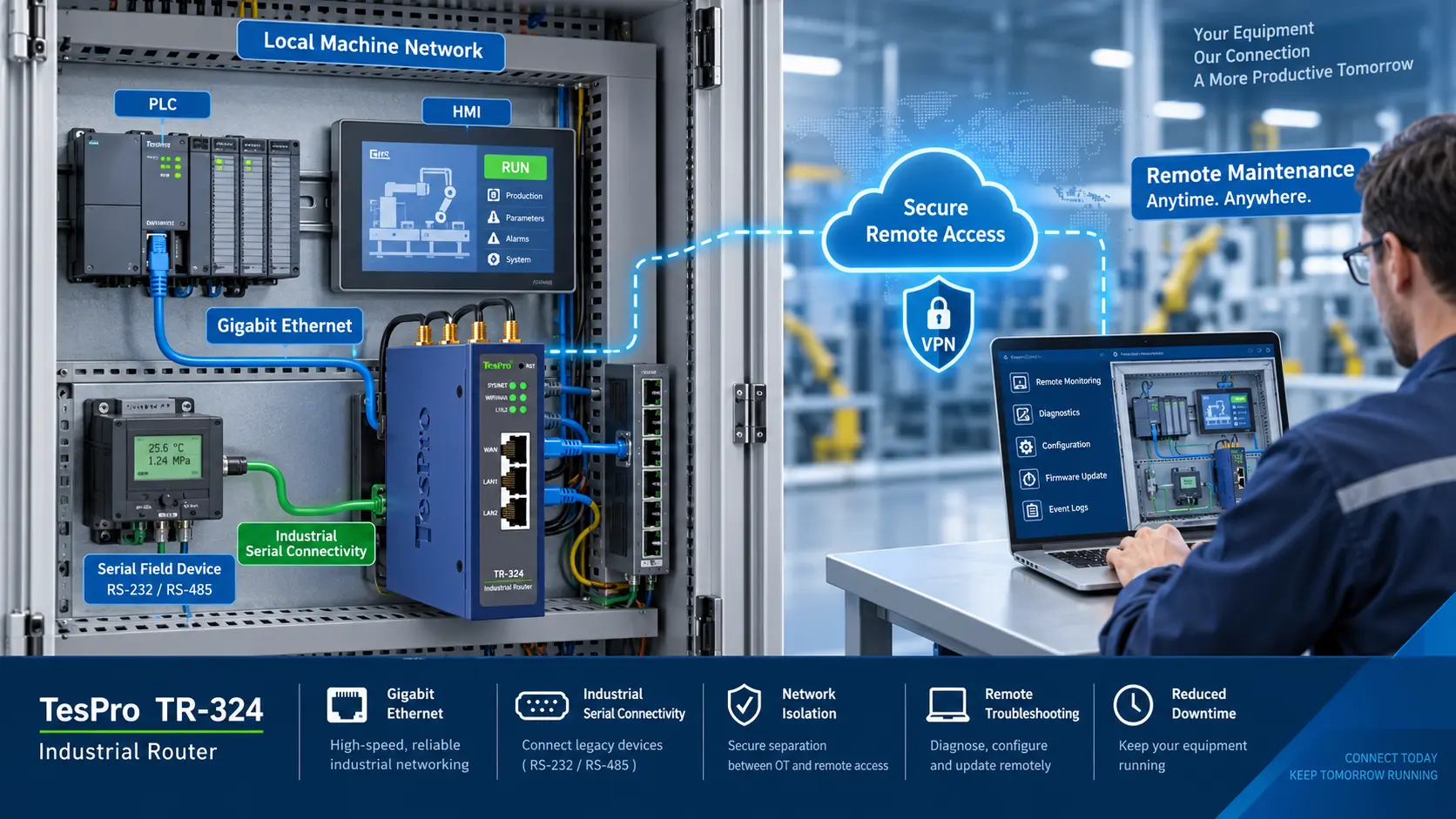
When you use an Industrial Router Modbus TCP setup, the router acts as a transparent bridge or gateway. It carries Modbus TCP packets between a field device (e.g., an electricity meter with an RS485 port) and a central SCADA server located miles away. The router handles cellular or fibre transmission, but the application layer remains pure Modbus TCP.
Why an Industrial Router, Not A Regular Office Router?
Office routers sit in climate-controlled rooms. Industrial routers live beside heavy motors, under scorching sun, or inside freezing tunnels. Their design priorities are different.
| Feature | Office Router | Industrial Router (e.g., Tespro series) |
| Temperature range | 0°C to 40°C | -40°C to 75°C |
| Vibration resistance | Minimal | IEC 60068-2-6 compliant |
| Power supply | Single, narrow voltage | Dual-path wide voltage (e.g., 5-30V DC) |
| Connectivity backup | None or optional | Dual SIM, wired + 4G/5G failover |
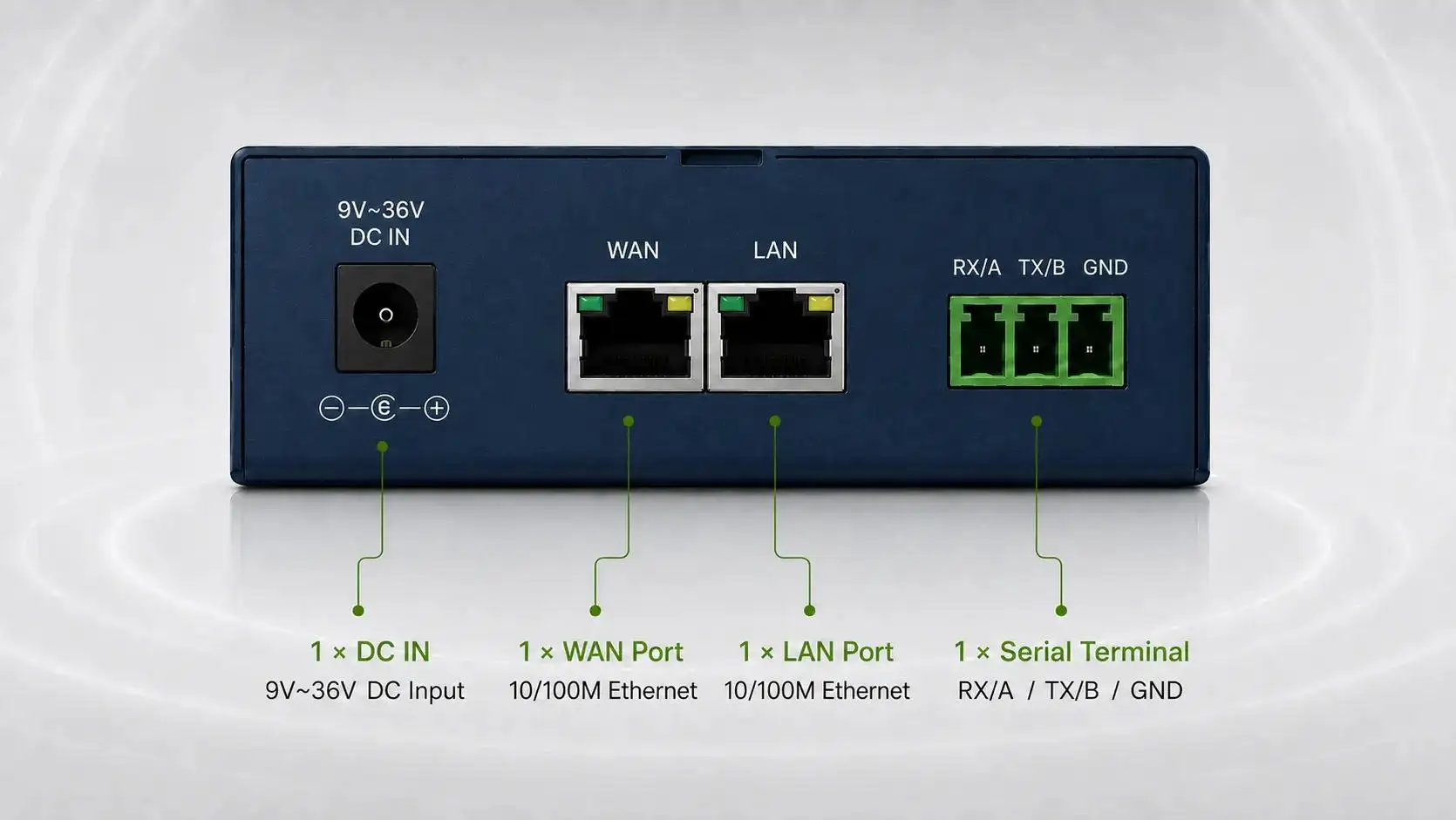
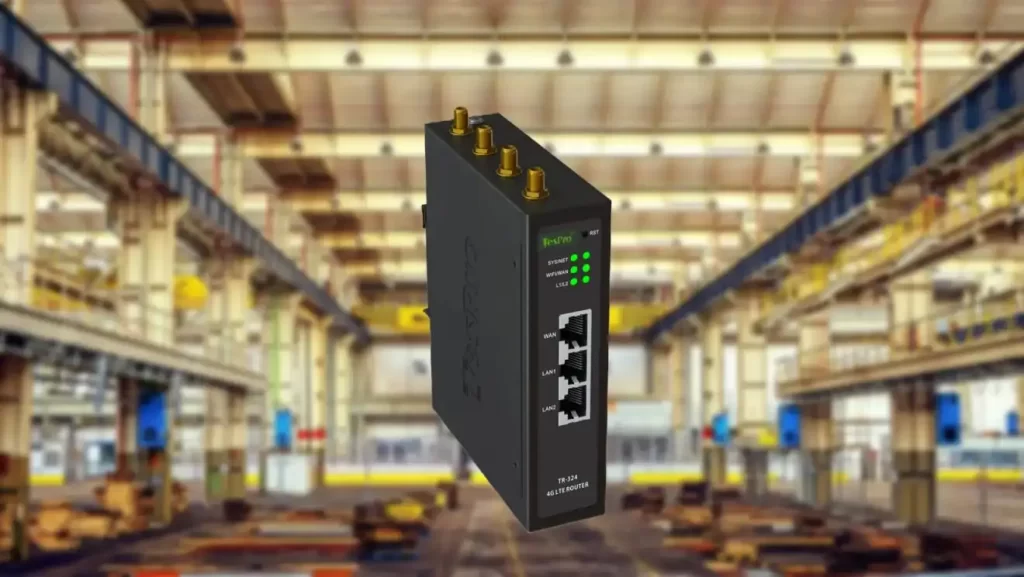
A proper Industrial Router Modbus TCP deployment therefore starts with hardware that can survive real-world conditions. Tespro's TR-224, TR-245, and TR-345 models, for instance, offer 4G or 5G options, multiple LAN ports (100Mbps or 1000Mbps), and RS232/RS485 interfaces—exactly what legacy Modbus serial devices need to join a modern TCP/IP network.
Key Capabilities That Matter for Reliable Communication
To make Industrial Router Modbus TCP work without constant manual intervention, the router must include several practical features. Below are the most relevant ones, each explained with a short bullet point.
• Protocol transparency: The router does not modify Modbus TCP frames; it simply forwards them. This ensures compatibility with any vendor's Modbus device.
• Serial-to-Ethernet conversion: Many field devices still use Modbus RTU over RS485. An industrial router with built-in RS485 ports (like Tespro TR-224 or TR-344) converts RTU to TCP on the fly.
• Dual SIM with automatic switching: When the primary cellular network fails, the router instantly swaps to the second SIM. No downtime for your Modbus polling.
• Multi-link redundancy: The best routers support wired (Ethernet), WiFi, and cellular in a single device, with configurable priorities. Tespro calls this “triple backup switching”.
• Wide-voltage dual power input: Industrial sites often have unstable DC supplies. Two independent power inputs (e.g., DC jack plus terminal block) keep the router alive.
What Changes in 2026: New Demands on Industrial Routers
Buying habits and technical requirements are shifting. By 2026, procurement teams will be searching for more advanced solutions.
• 5G, now as a standard and not as an upgrade: Many carriers are shutting down 3G and are investing less in 4G. For a longer service life choose an Industrial Router Modbus TCP with 5G (e.g., Tespro TR-225, TR-245, TR-325, TR-345).
• Edge computing is the new focus: Future Modbus TCP routers will perform edge-based computing capabilities allowing the filtering and the creation of alarms locally so Modbus communication can be reduced which in turn can reduce costs and improve the system response.
• Cyber security becomes part of the package: Modbus TCP has no safety lock, but by 2026, routers will already come with an embedded firewalls by default. To protect field devices, there will be rules, VPNs (IPsec/OpenVPN), and access lists.
• Energy requirements will be stipulated: Green procurement policies require routers that operate under 500mA (at 12V). Many Tespro models stay under 400mA while offering full 5G speed.
How to Choose an Industrial Router Modbus TCP for Your Project
If you are evaluating products for a new installation or a legacy upgrade, follow this short checklist.
• Count your field devices: How many RS485/RS232 ports do you need? Tespro offers from one to two serial ports depending on the model.
• Check your network speed requirement: 100Mbps LAN is sufficient for most Modbus polling (small data packets). Use Gigabit LAN (e.g., TR-324/TR-344) if you also stream video or large logs.
• Verify cellular bands for your region: A router sold for North America may lack bands used in Europe or Asia. Always check the datasheet.
• Confirm VPN and firewall capabilities: Without them, your Modbus TCP traffic is essentially plain text travelling over the internet.
• Look for proven temperature ratings: -40°C to 75°C is the industrial baseline. Avoid consumer-grade devices marketed as “industrial.”
Real-World Example: Smart Metering With Modbus TCP
Utility companies often deploy smart meters that speak Modbus RTU over RS485. A typical solution uses an Industrial Router Modbus TCP with an integrated serial server.
• The meter connects to the router's RS485 port.
• The router encapsulates Modbus RTU frames into Modbus TCP packets.
• It sends the packets over 4G/5G to a central data collector in the cloud.
• The collector acknowledges or issues commands back through the same path.
This architecture works for water meters, gas flow computers, and even small solar inverters. Tespro industrial routers are explicitly designed for such AMI/AMR systems, providing continuous, secure communication between devices and the cloud.
Common Myths About Industrial Router Modbus TCP
Let us clear up a few misconceptions that still circulate among buyers.
• Myth 1: “Modbus TCP is too old for modern Industry 4.0.”
Fact: Most OPC UA and MQTT gateways still use Modbus TCP at the field level. It remains the most common “southbound” protocol.
• Myth 2: “Any cellular router works as long as it has Ethernet.”
Fact: Without built-in serial ports and protocol handling, you will need an external serial-to-Ethernet converter—an extra point of failure.
• Myth 3: “5G routers are overkill for Modbus traffic.”
Fact: 5G offers lower latency and better capacity in crowded RF environments. For large installations with hundreds of routers, 5G reduces congestion.
Summary
An Industrial Router Modbus TCP is a rugged router that carries Modbus traffic over cellular or wired networks. Success depends on matching hardware—wide temperature range, dual SIM, serial ports, and optional 5G—to your field environment. By 2026, expect more edge computing, stronger security, and 5G by default, while Modbus TCP remains the reliable workhorse underneath.
Understanding the Industrial Router Modbus TCP helps in saving time and costs due to connectivity issues and retrofitting. Of the brands that give complete details of temperature ranges, power consumption, and redundancy, pick Tespro. What is left out of a data sheet usually causes the most issues.
FAQs
Q1: Can a Modbus TCP Industrial Router communicate with legacy Modbus RTU devices?
Yes. A majority of industrial routers contain integrated RS232/RS485 ports which automatically handle the Modbus RTU to Modbus TCP conversion.
Q2: Does Modbus TCP automation require a 5G router for implementation?
Not really. If we are just talking about standard polling traffic, a 4G network is good enough. 5G networks are more suitable for lower latency, a greater number of connections, and to make your network future-proof for 2026.
Q3: Does the Modbus TCP protocol provide adequate security for cloud traffic?
Not really. Total data protection should include a router that has VPN IPsec/OpenVPN support and a firewall.
Q4: What is the operating temperature for an industrial router?
A proper industrial router will work in a temperature range from -40ºC to 75ºC. Routers should have a good temperature range to be deployed outside or in an unheated shed.
Q5: How many serial ports will I need?
For a daisy-chained Modbus network, only one RS485 port is required, and you will need a second RS485 port if you need to connect two different serial buses or provide redundancy.