-1791966549842.webp)







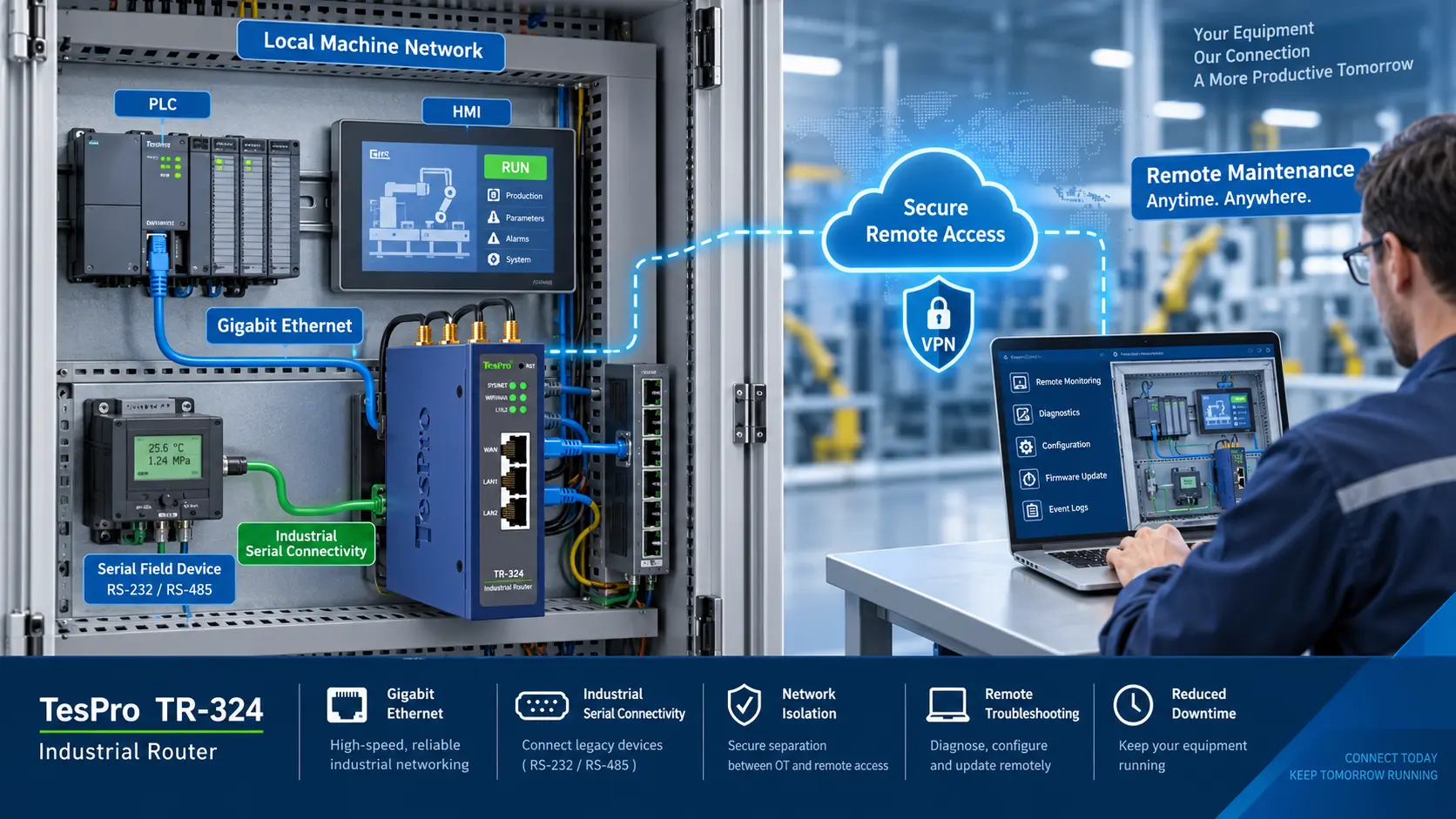
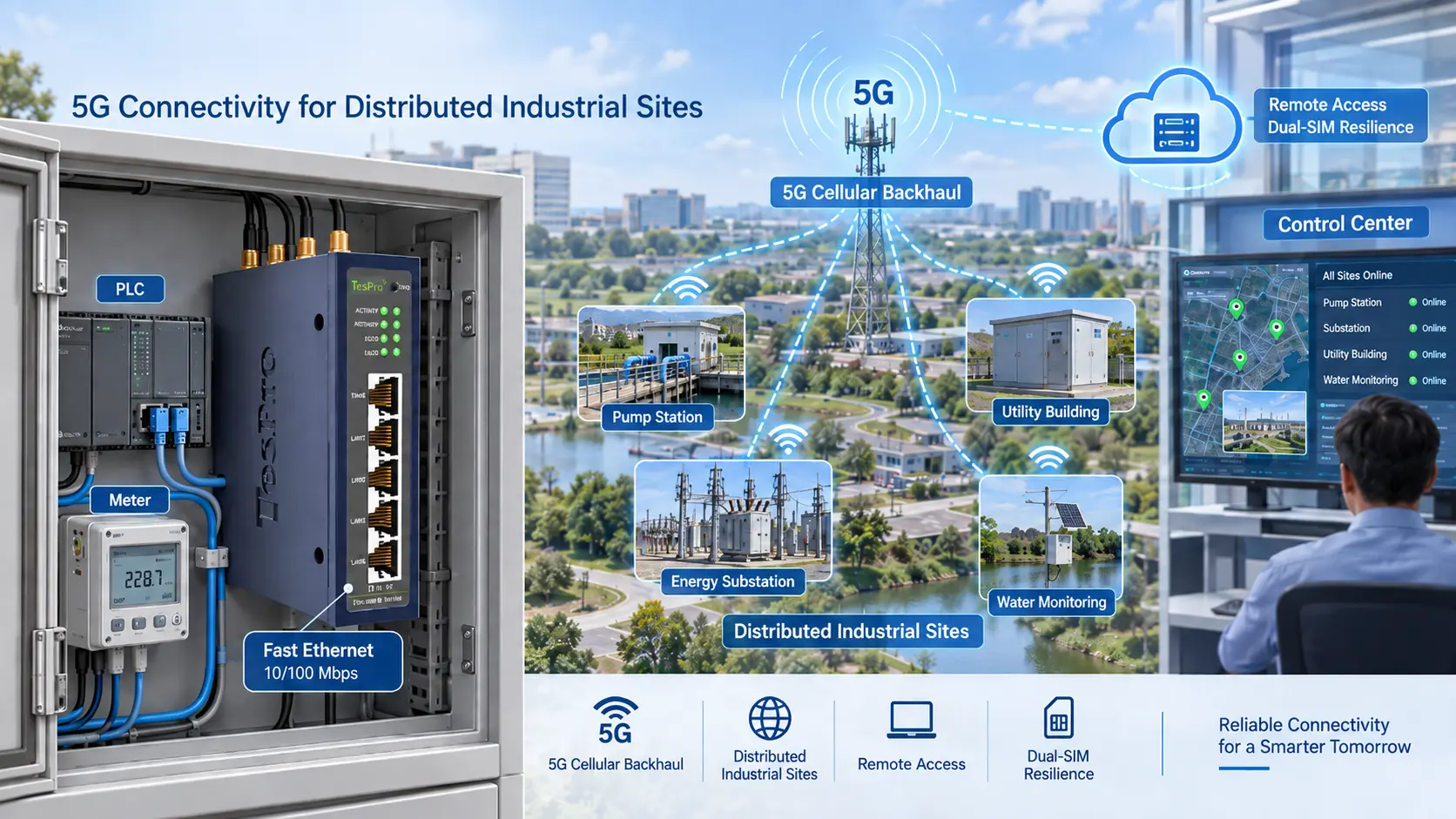
With larger IoT deployments, sending individual data points to the cloud can use unnecessary bandwidth, slow down local decisions, and increase data governance complications. Edge Gateway for Data Analytics in IoT solves these problems by gathering data from the field, applying local data normalization and processing, and sending only the necessary data to the cloud or enterprise systems.

The right gateway is not simply the model with the fastest processor. It must match the organization's data sources, analytics workload, security policy, operating environment, and lifecycle plan.
What Does an Edge Analytics Gateway Do?
Unlike a basic protocol converter, an Edge Gateway for Data Analytics in IoT normally combines two roles:
• Reliable data pipeline: Connects sensors, meters, PLCs, controllers, and cloud platforms.
• Programmable analytics platform: Runs filtering, aggregation, event detection, feature extraction, and selected machine-learning inference.
AWS IoT Greengrass and Azure IoT Edge Process and Store Data Locally and Have No Internet Dependency. While Eclipse Sparkplug supports the use of MQTT for frameworks and applications in IIoT, OPC UA helps the manufacturing industry implement some standard forms for integrated systems and applications in manufacturing.
1. Analyze Data Source and Protocol Compatibility
An effective data source is a precondition for the implementation of any data analytics. Assessment of the bridging devices must also consider the required data schema and whether the devices will be compatible with the available legacy systems.
The required features may be:
• Modbus RTU/TCP, OPC UA, MQTT, and Sparkplug
• Proprietary PLC or controller drivers
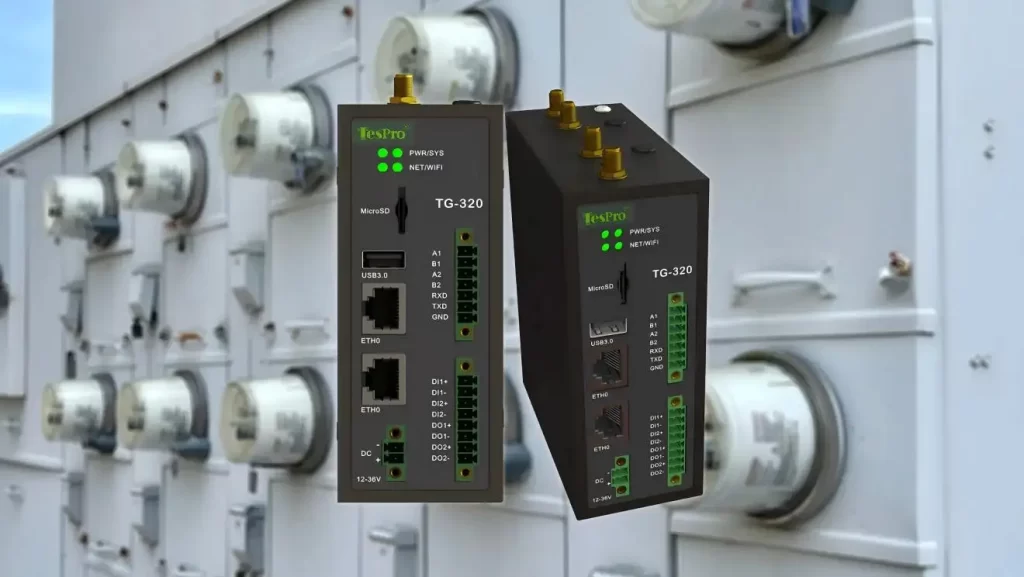
• RS232, RS485, Ethernet, Wi-Fi, and cellular interfaces
• Timestamping, tag mapping, unit conversion, and quality flags
• Store-and-forward buffering during network outages
• Northbound MQTT, HTTPS, REST API, or OPC UA
A suitable Edge Gateway for Data Analytics in IoT reduces the need for many different protocol converters and proprietary middleware.
2. Size Computing Resources Around the Workload
Do not select hardware based on CPU architecture or memory capacity alone. A rule engine processing several hundred tags differs greatly from vibration analytics or video inspection.
Define and test:
• Messages per second and sampling frequency
• Number and size of containers
• Required processing latency
• AI model size and inference rate
• Local retention and storage write volume
• Capacity required for logging, updates, and traffic peaks
K3s is designed as a lightweight Kubernetes distribution, but its baseline requirements exclude the resources consumed by application workloads. Resource sizing must therefore include both gateway software and deployed.
For vision, audio, or predictive models, benchmark CPU-only execution against NPU, GPU, or FPGA acceleration before selecting specialized hardware.
3. Evaluate Software Openness
The long-term value of an Edge Gateway for Data Analytics in IoT depends heavily on its software environment.
Look for:
• if required, verify whether the selected gateway supports Docker or OCI-compatible container support
• K3s or similar orchestration when fleet coordination is justified
• Python, C/C++, Java, Node.js, or low-code tools
• Version control, rollback, dependency isolation, and health monitoring
• Open APIs and exportable configurations
4. Make Security and Fleet Management Mandatory
An edge gateway extends the attack surface into factories, energy sites, vehicles, and remote assets. Security should cover hardware, firmware, operating systems, applications, and remote administration.
Evaluate:
• Unique device identity and certificate authentication
• Encrypted communications and role-based access control
• Audit logs and centralized health monitoring
• Patch policy, vulnerability handling, and support lifecycle
NIST's IoT cybersecurity baseline covers device identification, secure configuration, data protection, controlled software updates, and cybersecurity-state awareness. IEC 62443-4-1 (for reference)addresses secure development, patch management, and product end-of-life processes.
5. Verify Environmental and Electrical Suitability
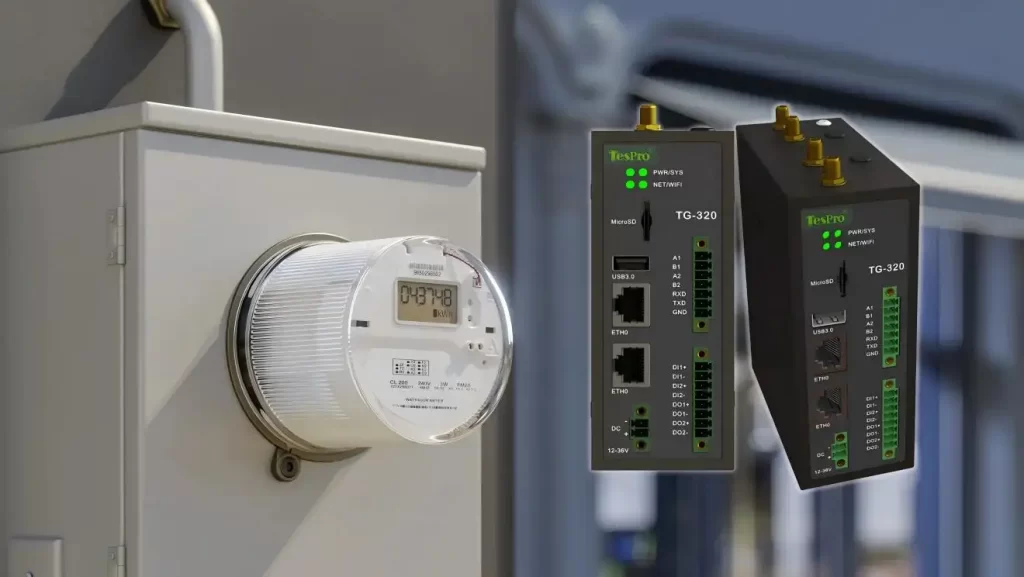
The installation location determines the required industrial specifications. Review:
• Operating temperature, humidity, condensation, and altitude
• Fanless thermal performance under sustained load
• EMC, vibration, shock, and required certifications
• IP rating appropriate to the final enclosure
• DIN-rail, wall, rack, or vehicle mounting
• DC input range, surge protection, and reverse-polarity protection
• Redundant power, PoE, UPS, or ignition control where needed
Do not rely only on headline temperature ratings. Confirm that storage, cellular connectivity, and computing performance remain available across the specified operating range.
6. Compare Total Cost of Ownership
Beyond the initial hardware price, consider:
• Software subscriptions and per-device or per-tag fees
• Cloud traffic and data-storage costs
• Protocol-integration engineering
• Remote maintenance and on-site service visits
• Security-update commitment
• Vendor lock-in and migration options
• Spare units, replacements, and certification costs
A standards-based Edge Gateway for Data Analytics in IoT can preserve flexibility across multiple cloud and analytics platforms.
Selection Priorities by Application
| Application | Data Profile | Key Gateway Priorities |
| Predictive maintenance | High-frequency vibration data | Sustained CPU performance, ONNX support, fast local storage |
| Solar monitoring | Moderate-rate electrical telemetry | Modbus/SunSpec support, aggregation, low power, remote management |
| Machine data collection | Mixed controllers and data formats | Broad driver library, data modeling, custom containers |
| Cold-chain transportation | Low-rate data and weak coverage | Cellular/GNSS, local buffering, vehicle power, threshold rules |
Validate Before Scaling
No Edge Gateway for Data Analytics in IoT suits every deployment. Run a proof of concept using real protocols, representative traffic, production analytics, expected network outages, and realistic operating temperatures.

Measure latency, CPU and memory use, storage growth, recovery behavior, update reliability, and cloud synchronization. This evidence-based process provides a stronger foundation for moving an edge analytics project from pilot deployment to scalable operation.
FAQs
Q1. What is an Edge Gateway for Data Analytics in IoT?
An Edge Gateway gathers data from devices, applies some processing, and then delivers the data to cloud services.
Q2. Why process IoT data at the edge?
Processing IoT data at the edge can minimize latency, save bandwidth, lessen costs associated with cloud services, and reduce the need for constant connectivity to a network.
Q3. Which protocols should an edge gateway support?
Protocols that should be considered include Modbus RTU/TCP, MQTT, OPC UA, HTTPS, and REST APIs. The protocols supported will vary by gateway model and configuration.
Q4. How much computing power does an edge gateway need?
This is dependent on a variety of factors including the number devices and networked interfaces, the frequency of data sampling, the workload of edge analytics, required storage, and the required system response time.
Q5. How can I select a suitable Tespro edge gateway?
In order to provide you with the most suitable Tespro edge gateway, provide Tespro with the interfaces, protocols, and volume of data to be processed, the analytics to be performed, the installation location, and the cloud services to be used. Functionality should be confirmed for that specific Tespro model and the associated project (including the firmware configuration).