-1791966549842.webp)







DTU For Machine Connectivity is a smarter choice for buyers who want to modernize legacy metering systems without replacing every installed meter. In many projects, retrofit is faster and more practical than a full hardware swap because it adds remote data acquisition, transmission, and network flexibility while keeping workable assets in service.
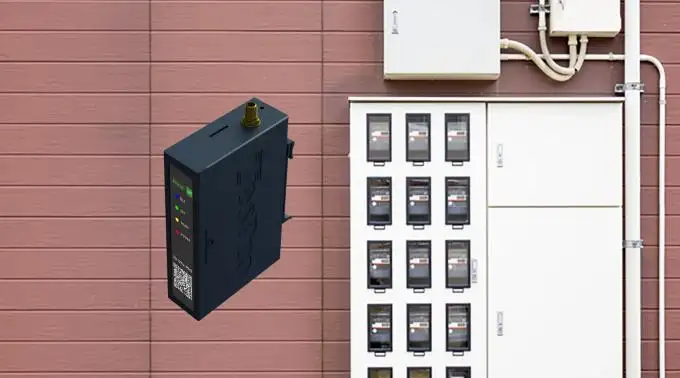
For buyers, that means lower capital cost, less site disruption, shorter downtime, and reduced project risk. It is often the more efficient path to better visibility, remote reading, and scalable machine connectivity across mixed meter fleets.
Tespro positions its DTU solution around exactly that need.
Why Full Replacement Is Not Always the Best Upgrade Path
In theory, replacing old meters with entirely new smart devices sounds clean and future-ready. In practice, many utilities and industrial operators still manage large numbers of functional legacy meters that are not yet ready for disposal.
The real challenge is usually not whether the old meter can still measure. The challenge is whether the existing asset can join a modern communication architecture.
That is why retrofit has become a practical strategy in metering and smart infrastructure projects.
• Capital Efficiency: Reusing installed meters can reduce the upfront financial burden of a digital upgrade.
• Deployment Speed: In many cases, adding a communication device can be done more quickly than planning a site-wide full meter exchange.
• Lower Site Disruption: Routine retrofits can be done with less site disruption than what would be experienced with major hardware changeouts.
• Phased Rollout: Customers can opt for a more gradual (and less expensive) replacement cycle vs. a full replacement all at once.
• Asset Value Retention: Metering infrastructure can be kept in service rather than being prematurely written off.
For procurement teams, this offers a better overall commercial narrative. Rather than replacing equipment too early, a retrofit approach aims to extend asset value while improving operations.
Tespro's Stronger Selling Point: Multi-Protocol Plug and Play
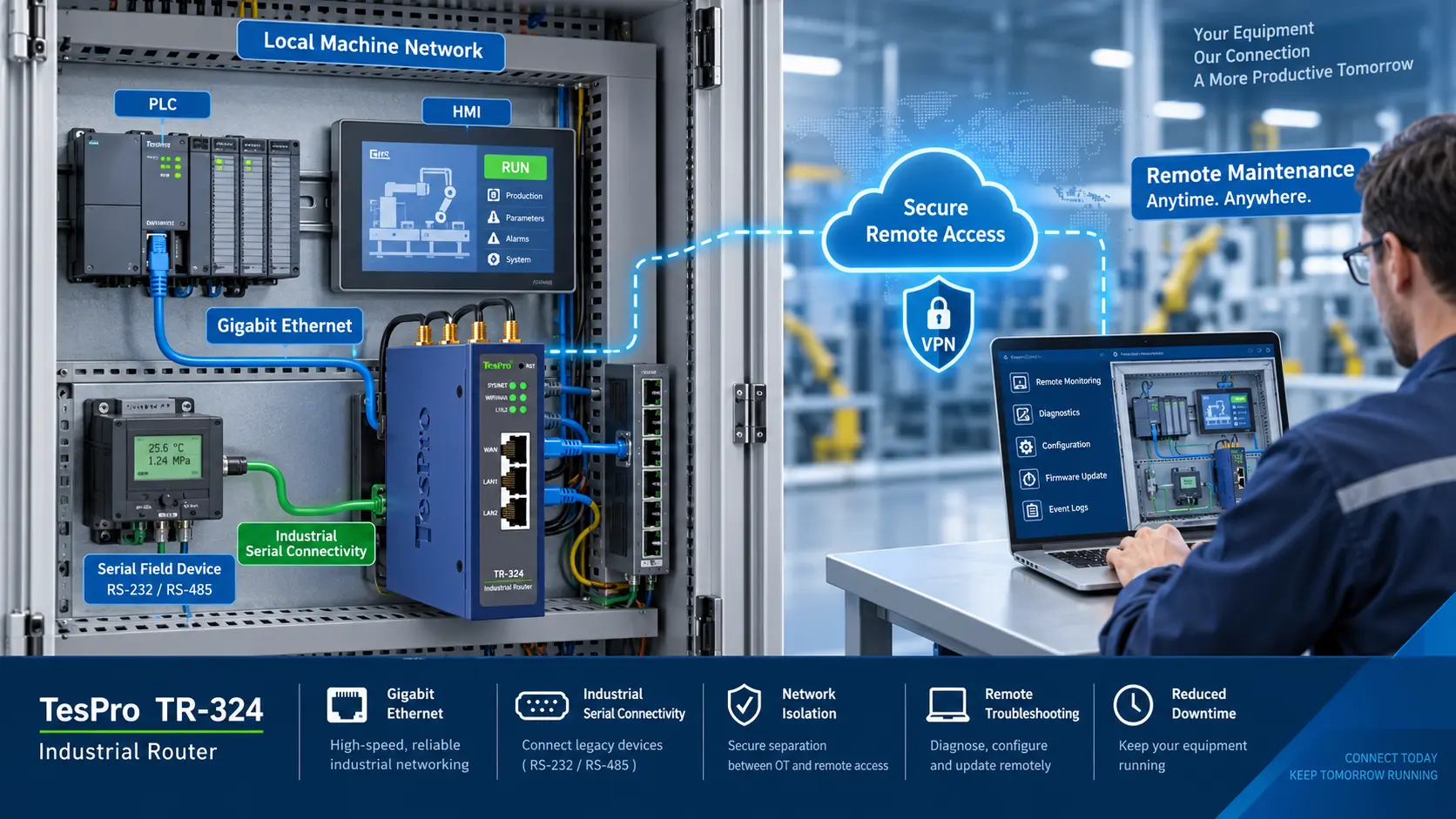
The primary challenge with modernizing legacy meters is compatibility at the site level. Each site may have a variety of meter types, communication methods, and protocols, making modernization tricky, and in many cases, costly. Tespro addresses that issue with one of the most useful features for retrofit projects: multi-protocol plug and play.
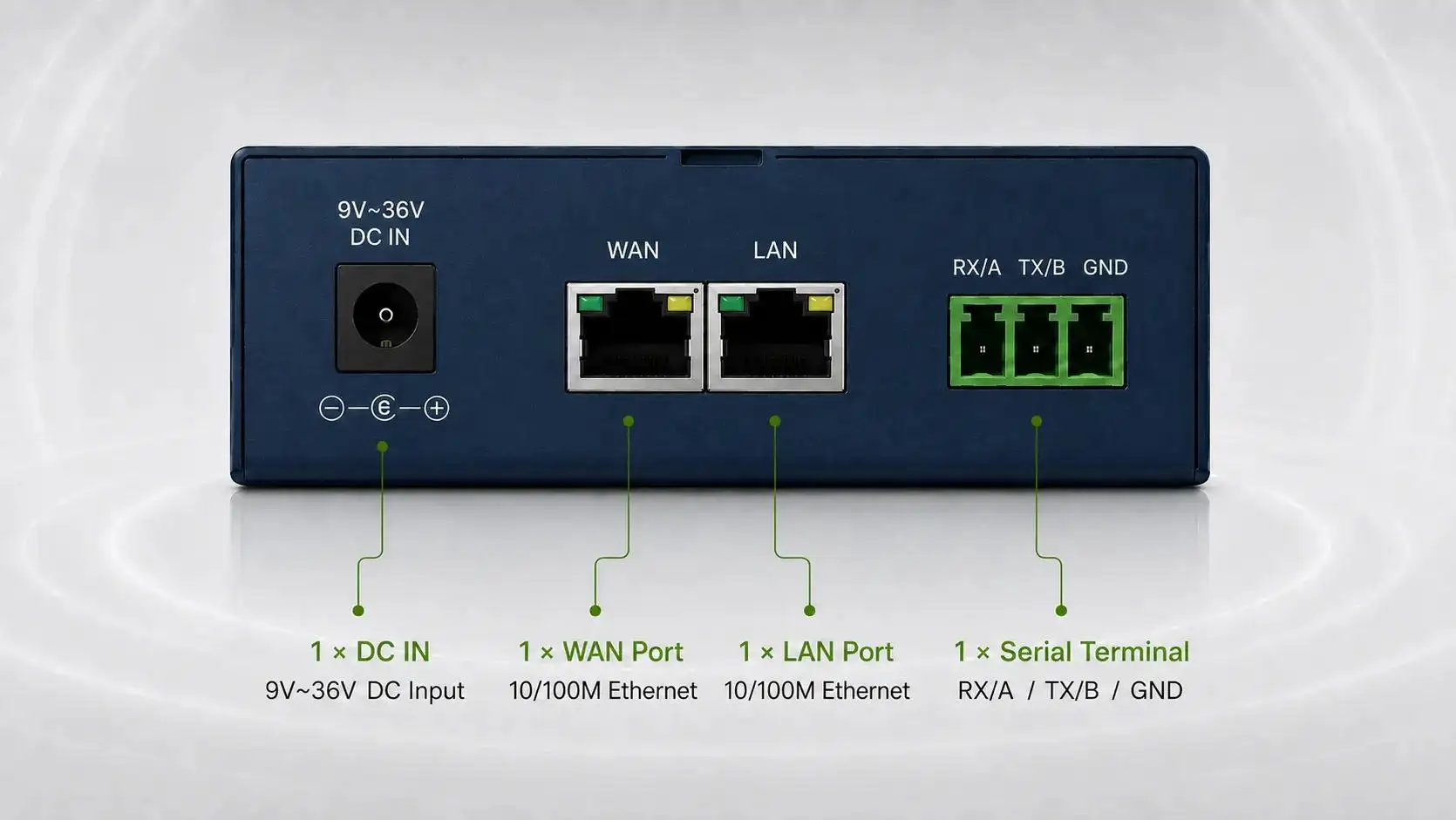
According to the provided product information, Tespro's DTU supports protocol-based access for a wide range of meter types and can read different meter data through configuration, including brands such as Landis+Gyr, EDMI, ITRON, ELSTER, and ISKRA. It also accommodates several photoelectric ports and different on-site communication interfaces.
That matters because interoperability is not just a technical convenience. It is central to scalable utility modernization. NIST continues to emphasize interoperability and standards coordination as foundational to smart grid investment, while its smart grid work also highlights the role of meter data in enabling broader digital functions across the grid.
For buyers, the practical benefit is easy to understand.
•Mixed-Brand Support: One DTU platform can reduce the pain of handling different installed meter brands.
•Less Extra Development: Plug-and-play protocol support helps reduce custom engineering work.
• Simpler Expansion: A pilot project becomes easier to replicate across wider service areas.
• Better Retrofit Fit: Existing meters can be integrated into a newer remote-reading framework without complete replacement.
• Lower Integration Risk: Fewer protocol barriers can shorten deployment cycles and improve commissioning efficiency.
This is exactly the kind of feature overseas buyers look for when they want to modernize legacy sites without creating a new layer of project complexity.
Built for Uneven Global Network Conditions
Legacy meter retrofit is not only about protocol compatibility. Connectivity also matters, especially for projects that span different countries, operators, and rollout stages.
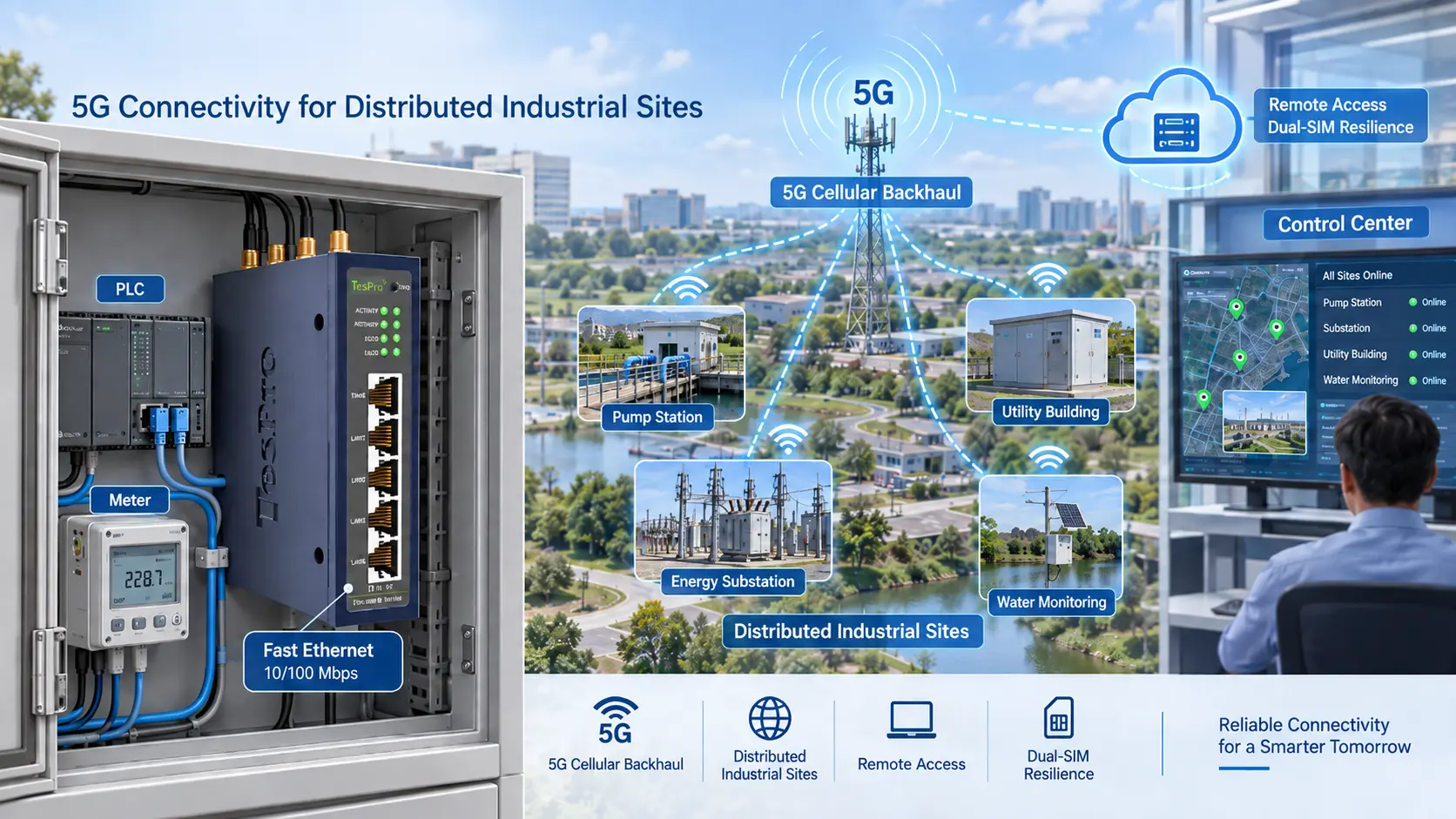
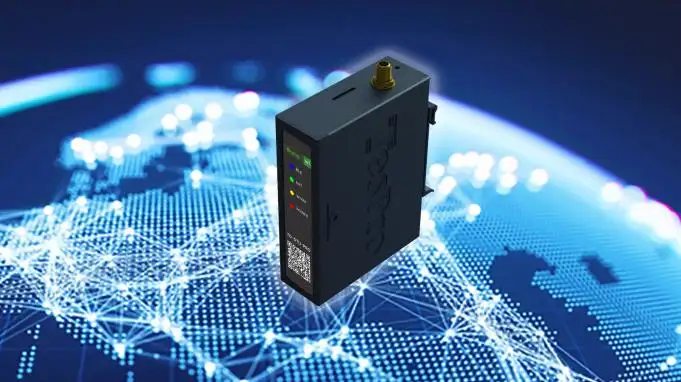
Tespro's DTU is designed to be used in 2G, 3G, 4G, and 5G networks and is able to be used in various countries and regions according to the various country/region requirements for each frequency band. This flexibility is beneficial for the current state of communication in the global market, as the communication conditions across the international market are still highly unpredictable despite the global mobile ecosystem developing towards newer generations of networks and broader enterprise connectivity opportunities.
For customers utilizing cross-regional deployments, this flexibility contributes to the resilience of their projects.
• Regional flexibility: The same deployment strategy can be tailored for different communication environments.
• Preferred carrier selection: Users are free to choose communication cards and data plans that are best suited to the local operating conditions.
• Prepared for growth: Projects can progress even when older and newer network conditions coexist.
• Longer Usability: Multi-network support can help extend deployment relevance as connectivity conditions evolve.
Global Rollout Logic: International projects become easier to standardize around one communication concept.
This makes Tespro's DTU more than a transmission endpoint. It becomes a practical bridge between legacy field devices and today's wider cellular infrastructure.
A Better Option for Hard-to-Power Remote Sites
Another reason retrofit strategies are attractive is that many legacy metering sites are not easy to redesign. Some locations lack convenient power access, and adding new infrastructure can quickly inflate project cost.
Tespro addresses that with a version featuring a built-in high-capacity battery, allowing remote data acquisition and transmission where external power is unavailable. The product description states that with GNSS positioning, visibility in distributed field deployments will improve.
This expands the solution's value in real-world installation conditions.
• Remote Utility Assets: Isolated assets can still support connectivity where external power is not available.
• Retrofit-Friendly Installation: Customers can simplify site preparation by avoiding extra power-related construction.
• Temporary Monitoring: Battery operation provides a practical option for temporary monitoring or step-by-step rollout plans.
• Field Flexibility: Harder-to-service locations become more realistic candidates for digital upgrades.
• Wider Coverage Potential: More assets can be included in a remote reading plan instead of left offline.
For many buyers, this is where a retrofit strategy becomes especially compelling. The best upgrade is often the one that works within site constraints rather than demanding an ideal installation environment.
Why This Fits 2026 Buyer Expectations
The market direction is clear. Buyers increasingly want connected systems that are easier to scale, easier to manage remotely, and less expensive to integrate into mixed installed bases. GSMA continues to frame enterprise and IoT connectivity as a major growth area, while utility-focused digital deployments keep pushing demand for broader visibility and more efficient field operations.
Tespro's DTU aligns with that direction because it combines the features retrofit projects actually need:
• Protocol Breadth: It supports broad compatibility across water, electricity, gas, and heat metering scenarios.
• Network Flexibility: It supports different communication environments rather than relying on a single network condition.
• Remote Data Capability: It helps legacy meters join a more modern remote-reading architecture.
• Cloud Management Potential: It supports a cloud management platform for better operational oversight.
• Deployment Practicality: It is designed for field use, including scenarios with no external power available.
The Smarter Upgrade Standard
A good DTU For Machine Connectivity should not force buyers to replace equipment that still works. It should help them unlock more value from the infrastructure they already have.
That is the stronger message behind Tespro's retrofit positioning. Instead of treating legacy meters as a problem to discard, Tespro turns them into assets that can still support modern data collection, remote access, and scalable communication.
For utilities, metering solution providers, and industrial buyers, that is often the more realistic path forward: retrofit legacy meters instead of replacing everything.
FAQ
1. What Is A DTU For Machine Connectivity?
A DTU For Machine Connectivity is a communication device that helps machines, meters, and field equipment send data to remote platforms. In metering projects, it is often used to support remote reading, data transmission, and network access across different installation environments.
2. Why Is Retrofit Better Than Replacing All Legacy Meters?
In many projects, retrofit is more cost-effective and less disruptive. It allows buyers to keep usable meters in service while adding remote communication and data collection functions, which can reduce capital cost, shorten deployment time, and lower project risk.
3. Can A DTU Connect Different Types Of Legacy Meters?
Yes. A well-designed DTU can support multiple protocols and interfaces, which makes it easier to connect different types of water, electricity, gas, and heat meters in one project.
4. Why Does Multi-Protocol Support Matter In Retrofit Projects?
Multi-protocol support helps reduce integration difficulty. Instead of adding extra converters or custom development for each meter type, buyers can simplify deployment with one platform that handles broader compatibility.
5. Is A DTU Suitable For Remote Sites Without External Power?
Yes. Some DTU solutions are designed for remote applications and can work in locations where external power is not available, which makes them suitable for hard-to-access utility assets and temporary monitoring points.
6.Does retrofitting legacy meters with Tespro DTU affect the original meter's metering accuracy?
No. Tespro DTU reads data from the meter's communication port via photoelectric heads, RS485 serial ports, etc., operating in a "listen" or "read" mode without any electrical interference to the metering circuit. Therefore, the original meter's accuracy and operation remain completely unaffected, allowing users to upgrade with confidence.
7. How long can the built-in battery of Tespro DTU support data collection and reporting in remote scenarios without external power?
Battery life depends on the data reporting frequency and operating mode. For example, with one data report per hour, the high-capacity lithium battery in Tespro DTU can support normal operation for several days to weeks. If low-power mode is enabled and the reporting interval is extended (e.g., once per day), the battery life can be further extended to several months. Specific parameters can be configured and optimized according to project requirements.