-1791966549842.webp)







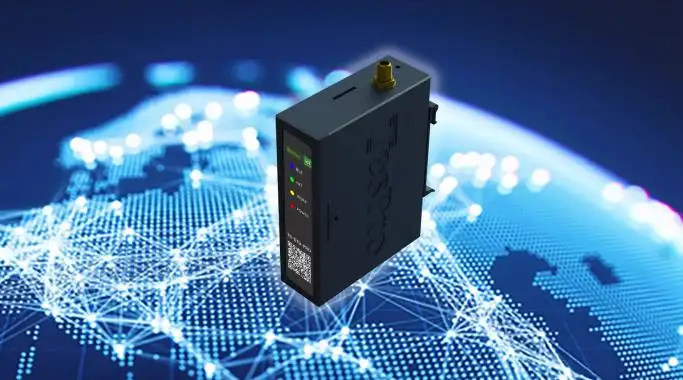
Data Transmission Unit technology is transforming how utilities read meters, and at Tespro we see 4G DTUs making that shift simple, secure, and scalable.
Why a Data Transmission Unit Matters for Meter Reading
Manual meter reading is slow, costly, and error-prone. Crews need access, schedules drift, and data arrives late. A Data Transmission Unit (DTU) removes these barriers. It sits beside the meter, collects data on a fixed schedule, and sends it over the mobile network to your head-end system. The result is near real-time visibility without site visits. For utilities and facility managers, this means faster billing cycles, fewer disputes, and better load planning.
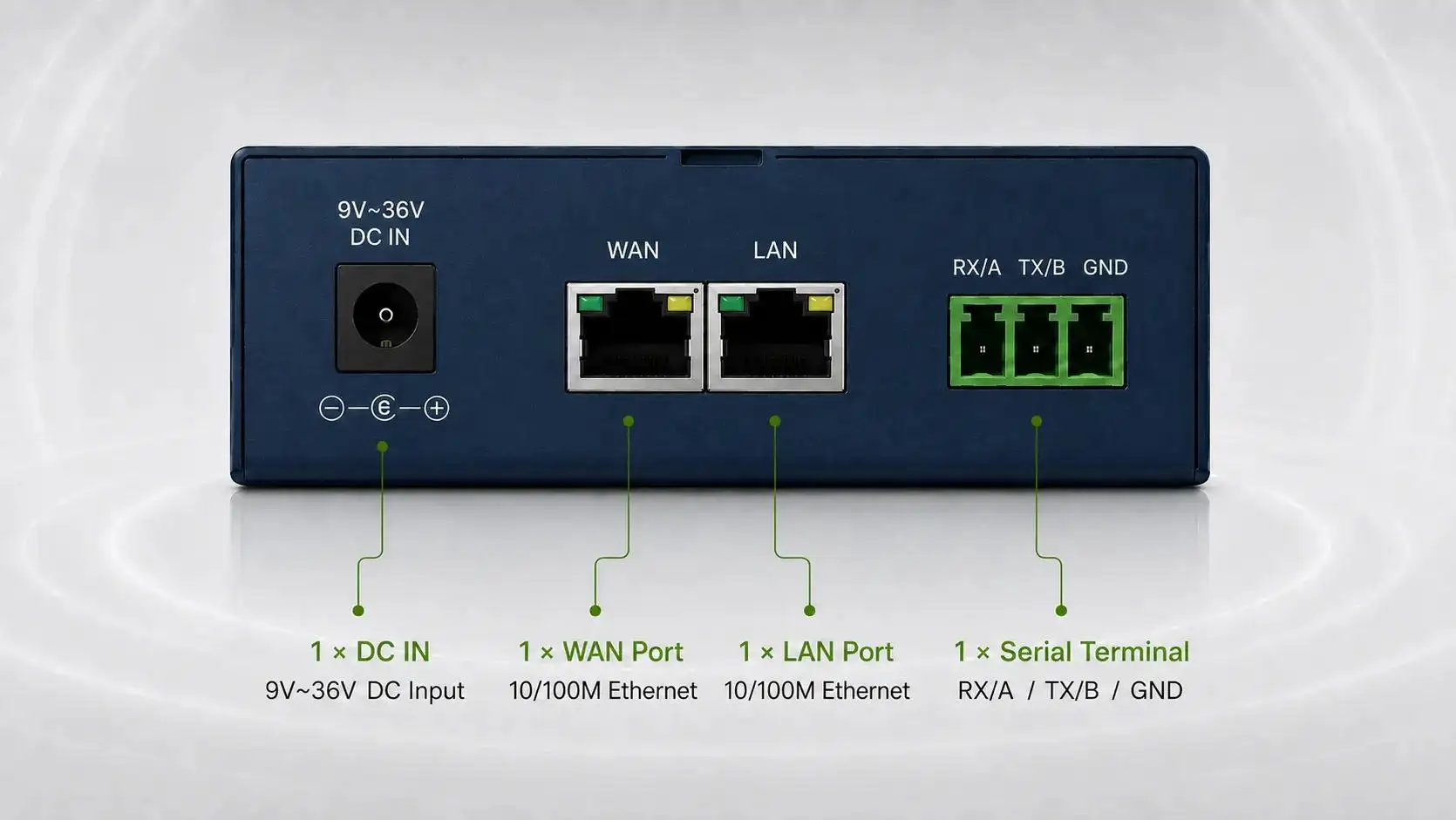
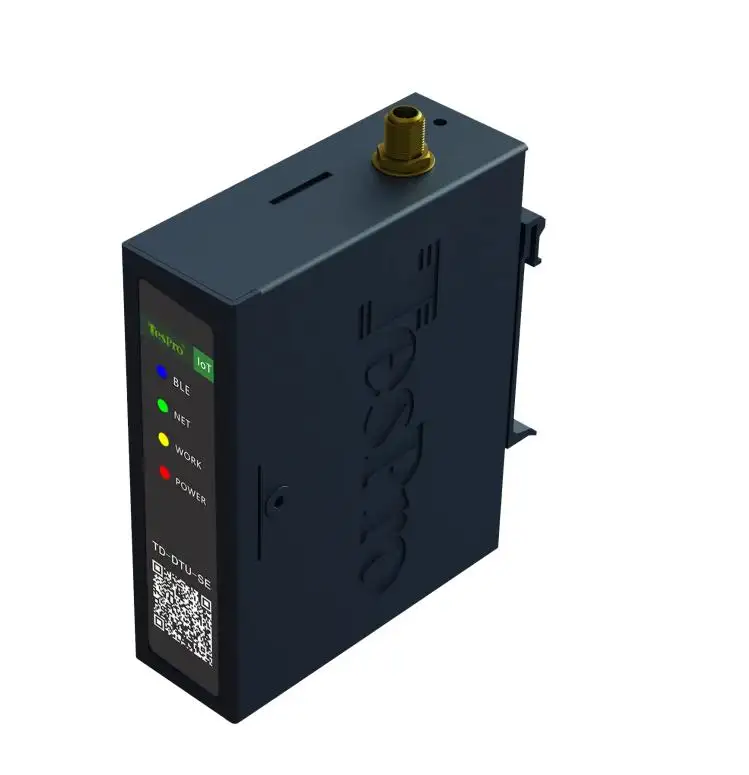
Tespro designs rail-mounted, sheet-metal 4G DTUs built for harsh sites. The enclosure fits standard DIN rails and protects electronics from dust and vibration. You can deploy at a substation, a basement, or a remote pump room. Once installed and configured, the DTU keeps working with minimal maintenance.
How a 4G DTU Works in the Field
A 4G DTU is a small gateway. It reads data from a meter via the meter's physical interface and protocol, buffers it locally, and transmits it to the cloud or your control center. Tespro's Data Transmission Unit supports custom registration packages and heartbeat packets. Registration lets the DTU introduce itself to your server securely. Heartbeat packets attest the device is running, network-attached, and synced to your schedules.
The workflow is straightforward:
✓ Data acquisition: The DTU polls the meter and interprets registers according to your setup.
✓ Buffering: It queues readings to mitigate brief network loss.
✓ Transmission: Data is transmitted on schedule or by event over 4G Cat-1.
✓ Monitoring: Heartbeat signals provide status, RSSI, and battery status.
✓ Control: Authorized commands refine timing or kick off immediate reads.
Simple architecture choices matter. Compact payloads, judicious retries, and elastic timeouts keep traffic light and trustworthy. That is why 4G Cat-1, with stable latency and broad coverage, is a practical fit for smart metering.
Protocol Compatibility With Leading Smart Meters
One common barrier in mixed inventories is protocol mismatch. Tespro's Data Transmission Unit is built to work across meter families without custom development. Through configuration, the DTU supports major smart meter protocols used by Landis+Gyr, EDMI, ITRON, ELSTER, and ISKRA devices. It accommodates multiple communication interfaces found on site, and it can connect via photoelectric ports widely used in utility metering.
This plug-and-play approach lowers integration time:
✓ Landis+Gyr, EDMI, ITRON, ELSTER, ISKRA protocol templates are available.
✓ Water, electricity, gas, and heat meters are supported with a unified workflow.
✓ No additional firmware builds are needed for typical deployments.
✓ Field techs can swap DTUs across meter models with minimal rework.
For operators, protocol coverage translates into faster rollouts and fewer vendor lock-in concerns. For IT teams, it means standard payloads and cleaner data pipelines.
Multi-Mode, All-Network Connectivity and GNSS
Connectivity should follow your sites, not limit them. Tespro DTUs support multi-mode, all-network operation: 2G/3G/4G options and various communication cards for different countries. Many utilities prefer 4G Cat-1 for stable coverage and energy efficiency, but you can select 2G+4G combinations to match local frequency bands and carrier availability. If a region sunsets 3G, you replace the communication card and keep the deployment running.
GNSS is integrated for positioning. This helps asset managers confirm where a device is installed and detect relocations or tampering. GNSS coordinates enrich maintenance workflows and improve traceability in large fleets. In dispersed territories, accurate location data reduces search time and improves response when a site goes quiet.
Power Independence, Remote Control, and Environmental Data
Power constraints often delay automation projects. Tespro's Data Transmission Unit includes a high-capacity built-in battery, so it does not rely on external power to read and transmit. The DTU can operate in locations where power is unreliable or not yet provisioned. This supports phased deployments and ensures that readings continue during outages.
Remote control is part of the system. Authorized users can:
✓ Shape read frequency and transmission windows to track tariff periods.
✓ Start diagnostics when heartbeat metrics show weak signal or irregular consumption.
✓ Push configuration revisions to conform to updated billing policies.
Environmental data collection adds context. Temperature, humidity, and site conditions influence meter performance and infrastructure health. By aggregating environmental data with consumption, you improve anomaly detection and maintenance planning. When a basement floods or a cabinet overheats, alerts help you act before the meter fails.
From Pilot to Scale: Deployment Playbook and ROI
Start small but design for growth. A pilot proves the value of a Data Transmission Unit across your typical meter set, network mix, and terrain. Focus on three steps:
1) Site Selection and Baselines
Pick a representative cluster: urban high-rise, suburban feeders, and one remote site. Record current manual read intervals, truck rolls, and data latency. Document meter makes and ports.
2) Integration and Success Criteria
Set up registration and heartbeat on your head-end. Define success criteria: fixed read schedule adherence, data completeness, retry behavior, GNSS location match, and exception handling. Keep payload schemas consistent so analytics can scale.
3) Operational Handover
Train field techs on rail-mount installation and port alignment. Train dispatch on remote control workflows. Capture lessons on network cards per carrier and frequency band rules.
When you move to scale, standardize configuration templates by meter family and region. Use multi-mode connectivity to avoid carrier lock-in. Keep spares of communication cards for quick swaps. Track device heartbeats and environmental trends to plan maintenance, not just react to failures.
Call-to-Action: Ready to Automate Your Meter Reading?
If you are planning a smart metering program, a Tespro Data Transmission Unit will give you fast, reliable, and secure meter data without heavy field work. Request a pilot kit, get configuration templates for your meters, and see how 4G DTUs cut time to data while improving accuracy. Contact Tespro to schedule a technical consultation and start your deployment with confidence.