-1791966549842.webp)





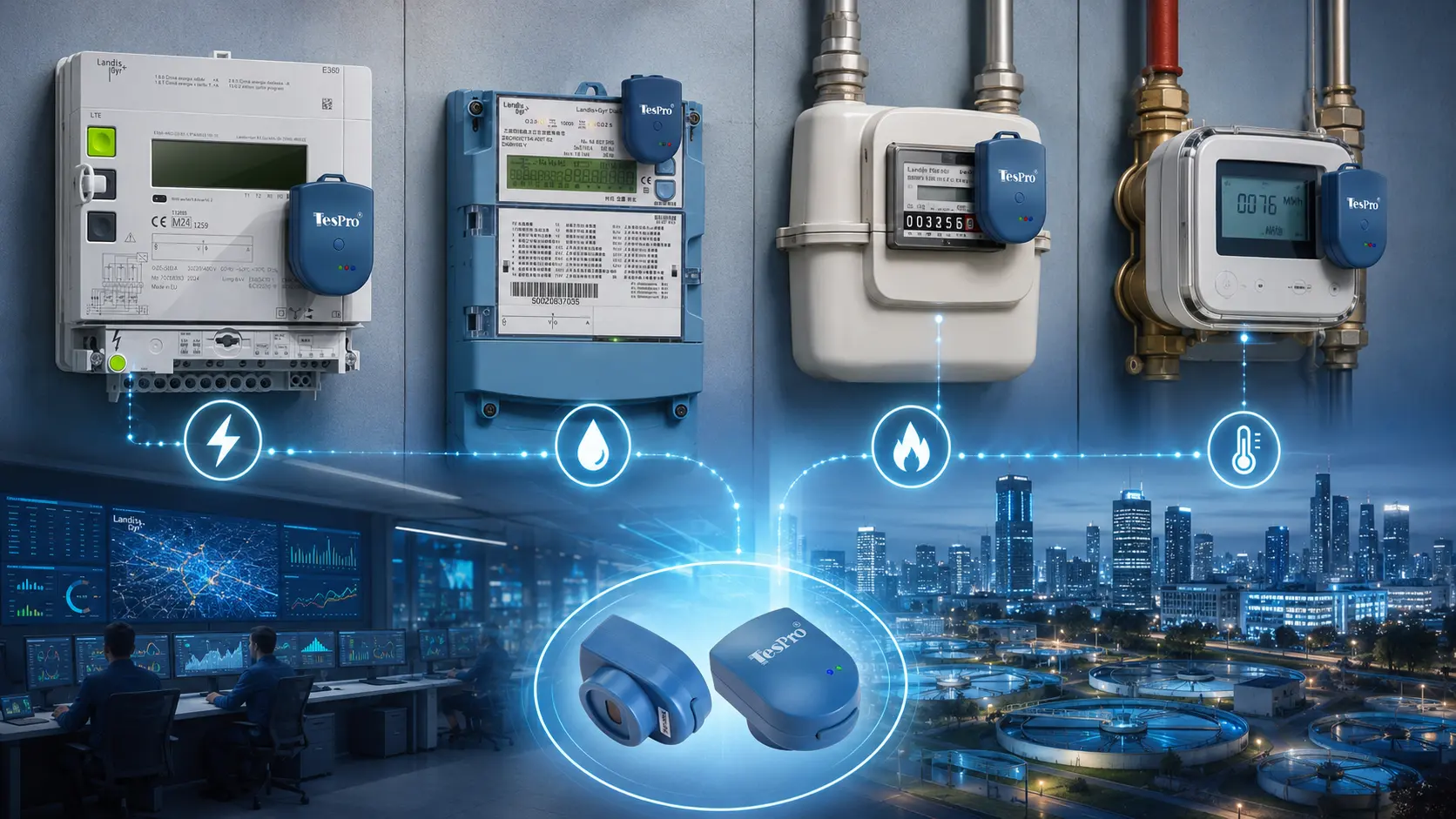

In the field of meter data collection, one of the most frustrating issues for operations teams is the frequent upgrade of meter communication protocols. When meter manufacturers update firmware versions, the data frame format, register addresses, or checksum methods in the communication protocol may change. If a reading device uses hardcoded protocol parsing, a single protocol upgrade could render an entire batch of optical probes unable to read new version meters. Tespro's Bluetooth optical probe fundamentally solves this long-standing problem through transparent transfer mode. In this mode, the optical probe does not parse or convert any data sent by the meter. Instead, it passes the original data frames through to the host software intact, leaving protocol parsing to the host. This means that regardless of how meter protocols evolve, as long as basic parameters like the physical interface and baud rate remain unchanged, the optical probe continues to work properly.
The value of transparent transfer mode in actual operations is outstanding. Consider an industrial park with meters from multiple vintages — five-year-old old models alongside newly purchased smart meters, each using different versions of communication protocols. Traditional optical probes often only support specific protocol versions, requiring engineers to carry multiple devices or attempt repeatedly on site. The Tespro Bluetooth optical probe paired with host software reads both meter types in transparent transfer mode — because the probe itself does not care about protocol content, serving only as a physical layer data channel. When meter manufacturers upgrade protocols again in the future, operations teams only need to update the protocol parsing module in the host software, without replacing any hardware devices — significantly reducing long-term operational costs and technology obsolescence risk.
What is transparent transfer mode in a Bluetooth optical probe, and how does it help address meter protocol upgrades?
Transparent transfer mode means the optical probe does not parse or convert meter data, passing original data frames through to the host software intact. When meter protocols upgrade, only the host software's protocol parsing module needs updating — the optical probe hardware remains usable without replacement, effectively protecting equipment investment.
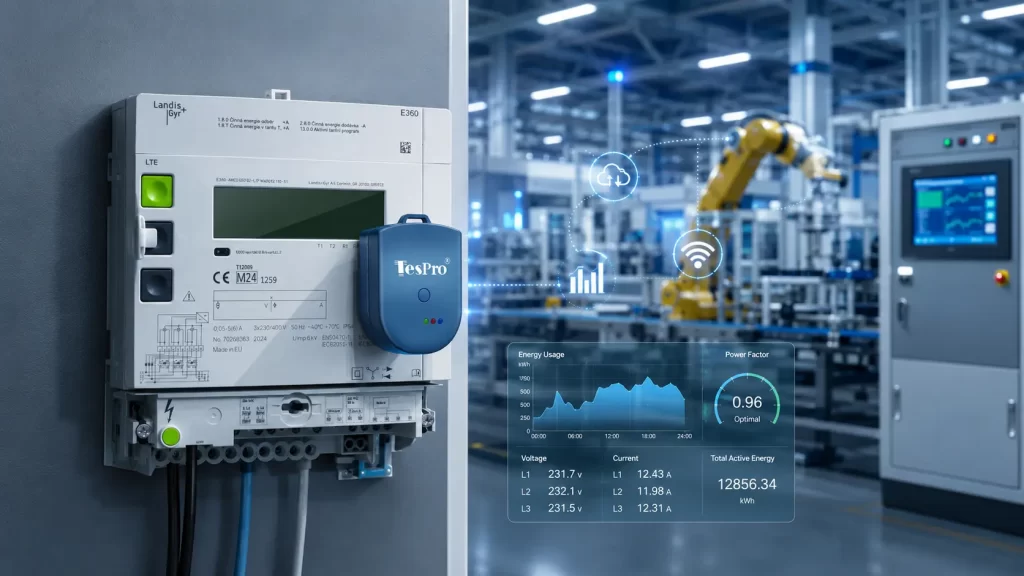
Tespro's Bluetooth optical probe supports IEC 62056-21 Mode C and Mode E, ANSI C12.18, and user-defined raw data passthrough in transparent transfer mode. Maximum communication speed reaches 115,200 bps, with maximum frame length of 2048 bytes, completely transmitting even complex frame structures containing large amounts of load curve data. The device also supports firmware upgrades via Bluetooth, so when the transparent transfer mode itself needs optimization, a software update accomplishes it without factory return. Combined with an infrared optical sensor at approximately 900 nm wavelength and strong magnetic adhesion design, the probe attaches firmly to the meter's infrared port. For large users managing multiple brands and vintages of meters, choosing Tespro's Bluetooth optical probe with transparent transfer mode means addressing evolving protocol environments over the long term with a single hardware, minimizing the cost and complexity of technology updates.