-1791966549842.webp)





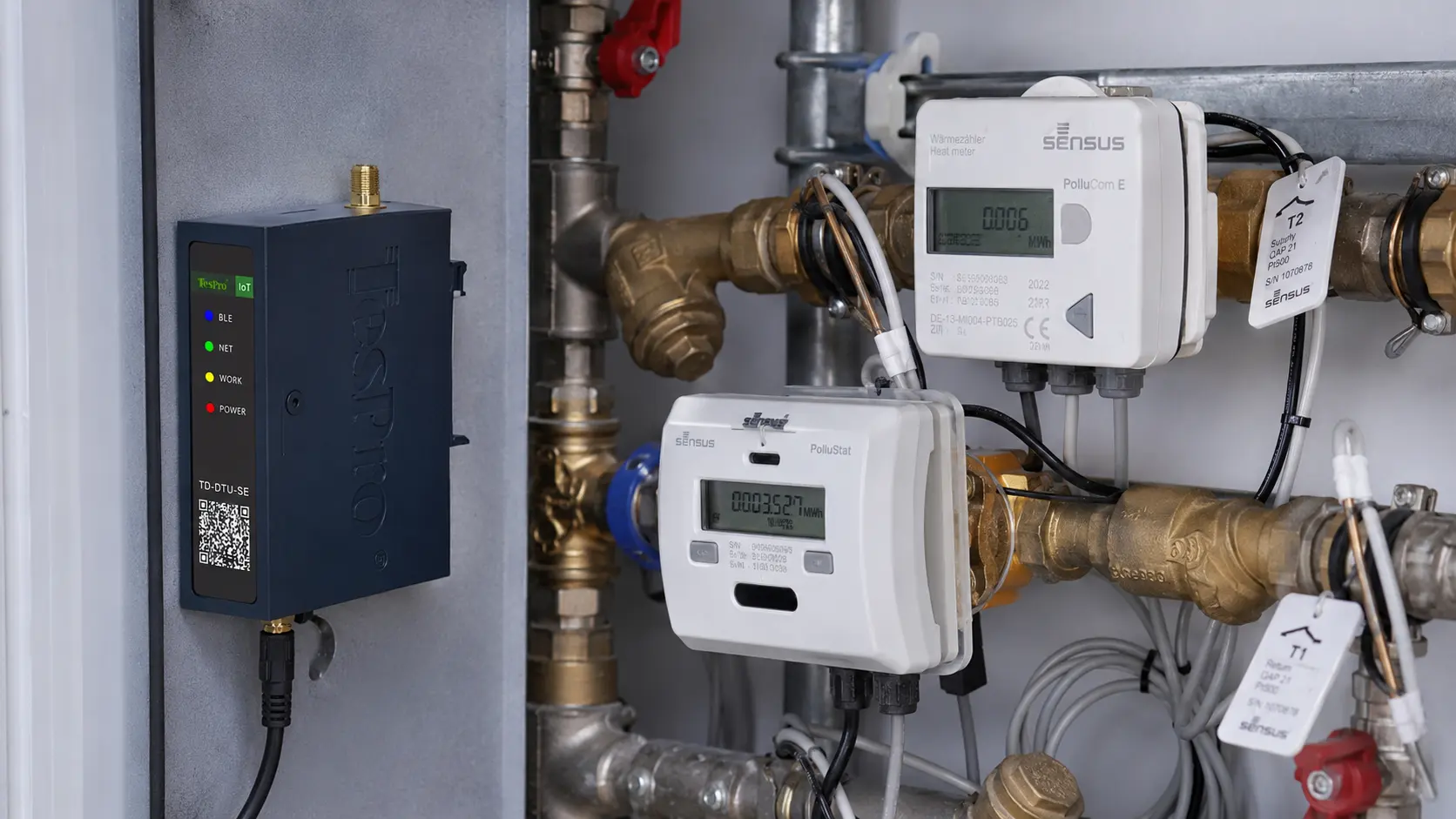

In the advanced metering infrastructure space, procurement managers are no longer buying only for today — they are buying for a five‑year horizon where network sunset dates and new frequency bands arrive faster than hardware refresh cycles. A data transfer unit that cannot handle all network generations becomes a single point of failure, while a properly engineered unit can minimize disruptions through intelligent fallback, remote oversight, and hardware that does not lock you into a single generation. For procurement professionals evaluating quotes, here are four verifiable criteria.
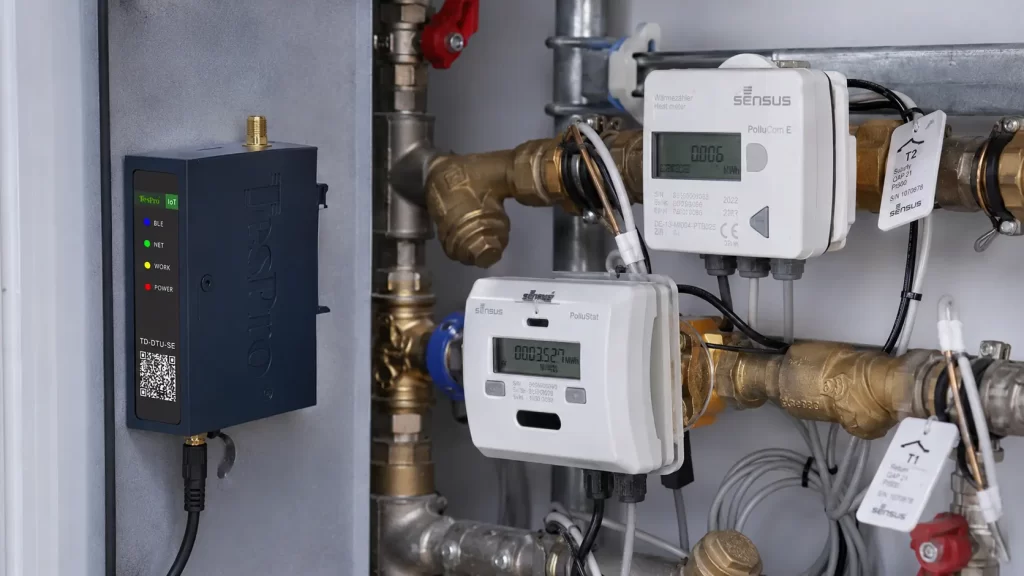
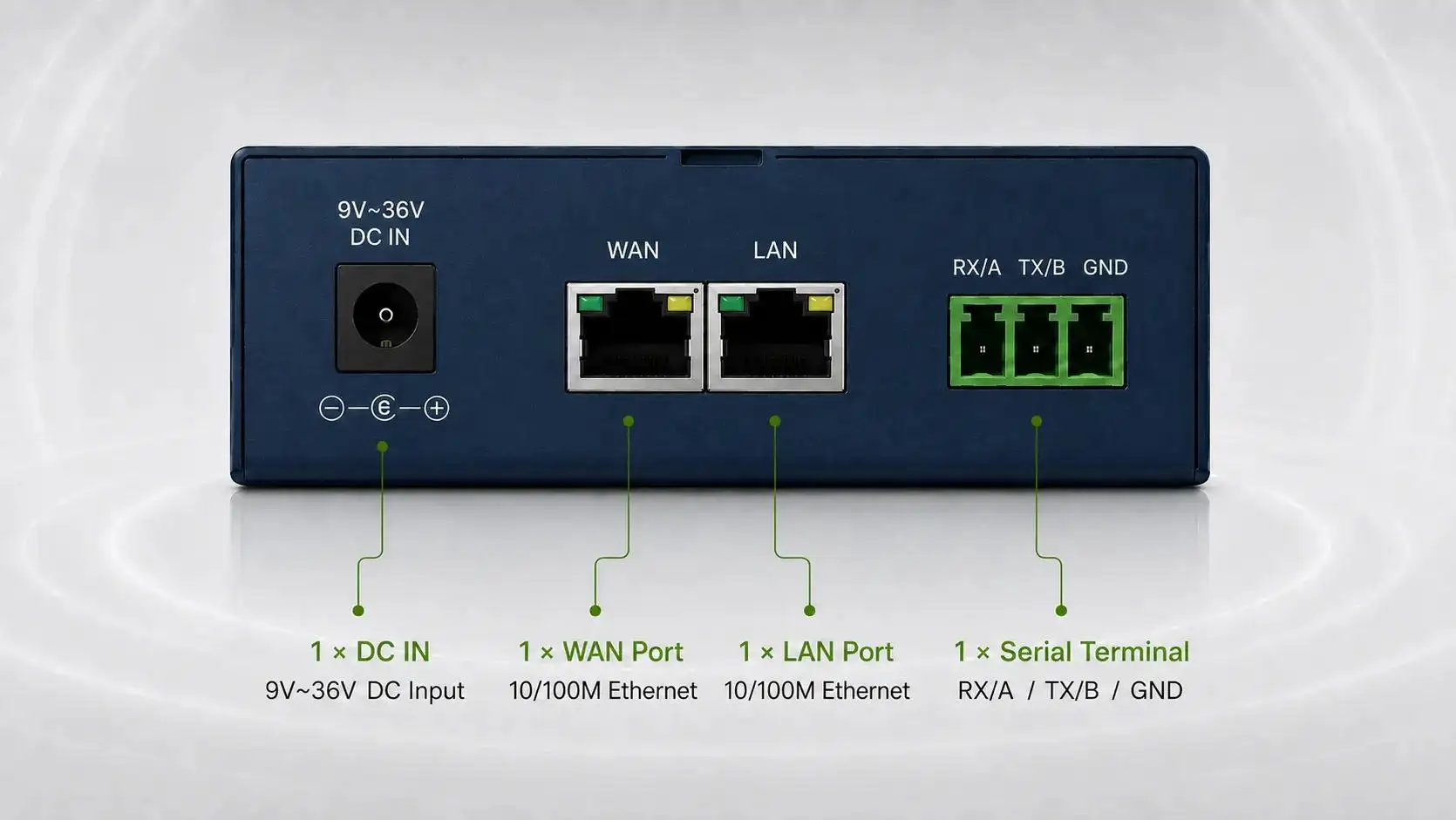
The first criterion is network certifications. Does the DTU carry CE, FCC, or local type approvals for your target countries? Tespro provides region‑specific certificates upon request. The second criterion is operating temperature range. Industrial metering needs minus 35 to plus 75 degrees Celsius, and Tespro's sheet‑metal rail DTU is tested beyond that range. The third criterion is baud rate and interface flexibility. The device must support 300 to 115,200 bps, with RS485, RS232, TTL, and photoelectric ports, working with both legacy and new meters side by side. The fourth criterion is heartbeat and registration packet customization. The device should allow you to set intervals, data formats, and server addresses — critical for closed network environments like utility private APNs.
What documents should buyers request from DTU suppliers before placing a wholesale order? Can the same data transfer unit work with meters from different brands?
Buyers should request temperature chamber test reports, EMC/EMI compliance certificates, mean time between failure calculation sheets, and component batch traceability documentation. Yes, Tespro's DTU comes pre‑configured with protocol stacks including IEC 62056, DL/T‑645, and ANSI Type2, and can read Landis+Gyr, EDMI, ITRON, ELSTER, ISKRA, and dozens of other brands without new development.
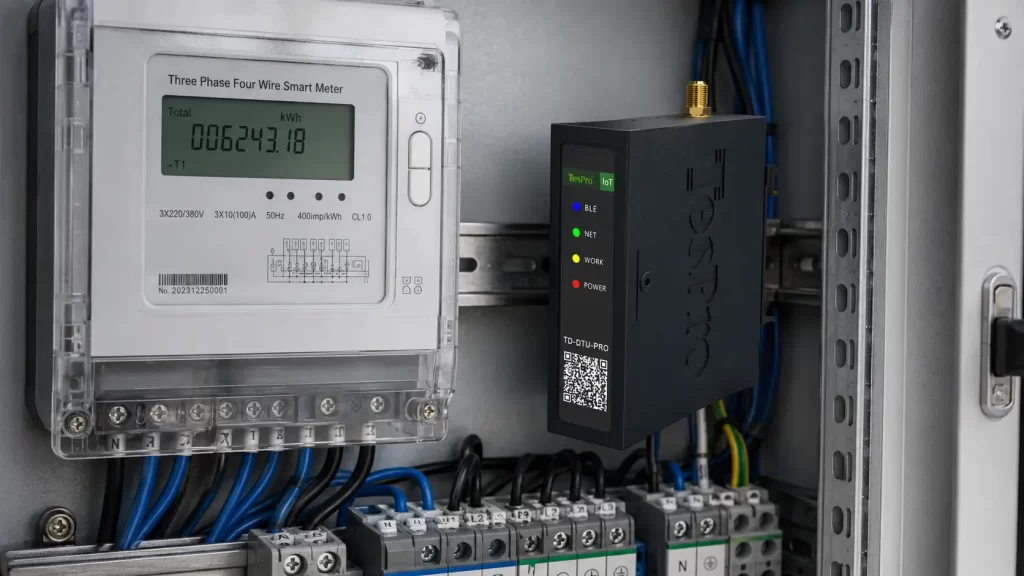
Tespro's approach is pragmatic: use proven 4G Cat‑1 for today's reliability, keep 2G fallback for rural coverage, and remain open to 5G modules when your business case justifies the upgrade. That is what optimized for 2026 actually means — not marketing hype, but a clear upgrade path and zero dead zones where networks actually exist. When a manufacturer says multi‑mode, procurement officers should ask which frequency bands, whether they can swap the communication card themselves, and whether it falls back gracefully when 4G is weak. Tespro's answers are straightforward: standard mini‑PCIe cards let you adapt to local operators, automatic fallback sequencing ensures smooth degradation without data loss, global band coverage is pre‑tested with major carriers, and frequency profiles are adjustable per country. A data transfer unit that checks all these boxes will still be relevant in 2028, while one that misses even a single criterion will become a replacement project before its warranty expires.