-1791966549842.webp)





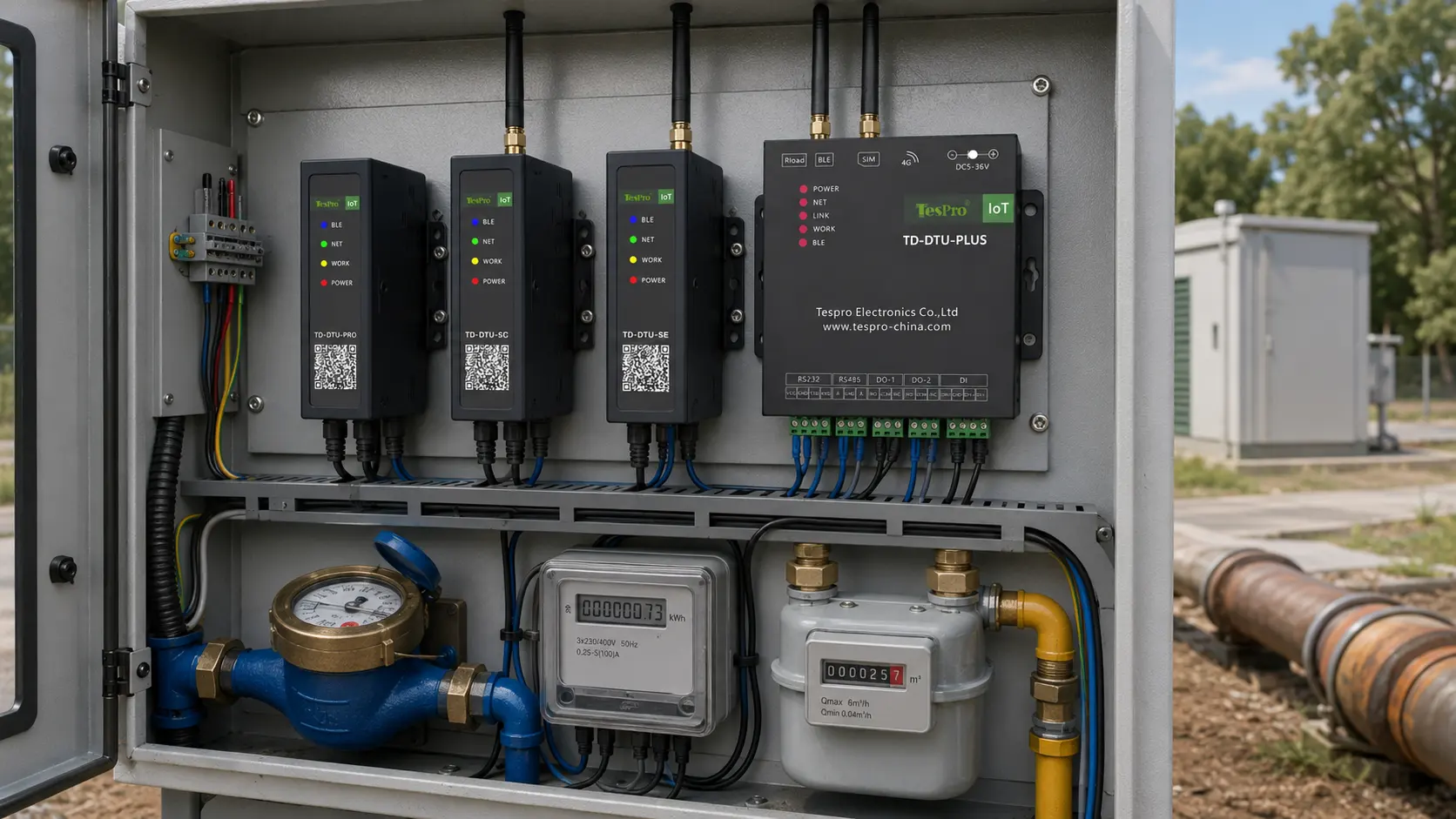

Buying trends in 2026 show three clear shifts away from legacy DTUs. First, battery‑powered operation is no longer optional for outdoor or pole‑mount meters. Tespro offers the TD‑DTU‑PLUS with a 27,000 mAh built‑in battery that runs up to 15 days on a full charge, collecting and transmitting data even when external power is unavailable. This is a game‑changing feature for remote area meters, temporary construction power monitoring, and locations prone to power outages. Second, multi‑protocol support must cover electricity, water, gas, and heat meters from different brands. Tespro's data transfer unit reads Landis+Gyr, EDMI, ITRON, ELSTER, ISKRA, and dozens of others through configurable protocol stacks including IEC 62056, DL/T‑645, and ANSI Type2 — plug‑and‑play, with no extra development.
Third, remote diagnostics reduce site visits by 40 to 60 percent. The included cloud platform shows signal strength, last successful transmission, firmware version, and battery level, and allows configuration updates over the air. These are not futuristic promises — they are already deployed in pilot projects across three continents. Tespro's data transfer unit arrives pre‑configured for your meter mix, and the cloud dashboard is accessible within 10 minutes of power‑up. For remote monitoring, every Tespro data transfer unit is linked to a cloud‑based management system, giving you access to signal strength, battery level, firmware version, and configuration upload tools — real‑time visibility into every device's operational status.
Is external power always needed for the data transfer unit? How can I monitor and reconfigure the unit remotely?
For the TD‑DTU‑PLUS model, external power is not needed. Its built‑in 27,000 mAh battery supports up to 15 days of operation, making it ideal for pole‑mounted meters and temporary installations. Every Tespro data transfer unit is linked to a cloud management platform, allowing you to monitor signal strength, battery level, and firmware version in real time, and push configuration updates and firmware upgrades over the air.
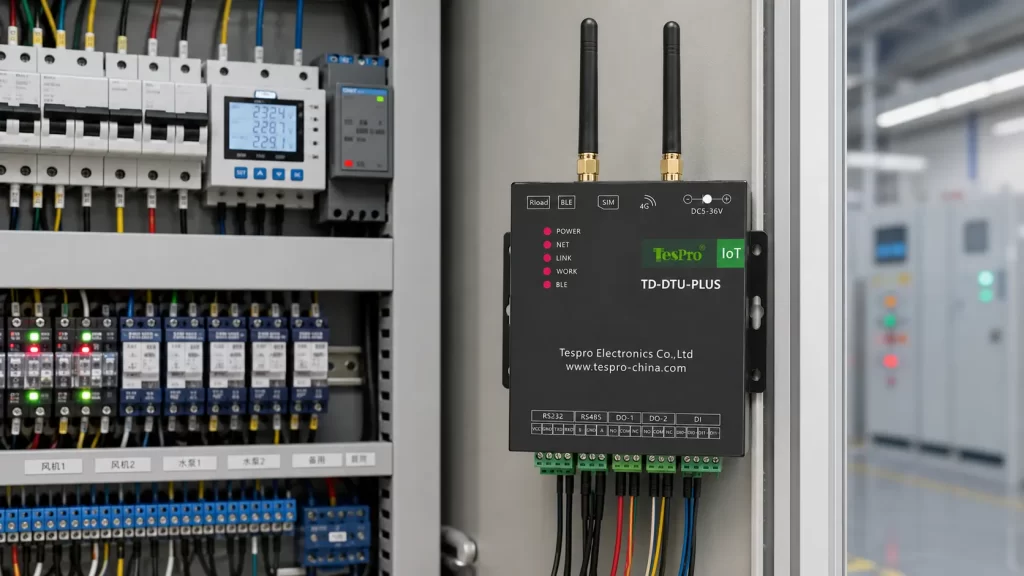
For interface flexibility, the data transfer unit supports baud rates from 300 to 115,200 bps, with RS485, RS232, TTL, and photoelectric ports, working with both legacy and new meters side by side. Heartbeat and registration packet customization allows you to set intervals, data formats, and server addresses — critical for closed network environments like utility private APNs. A data transfer unit that checks all these boxes will still be relevant in 2028, while one that misses even a single criterion will become a replacement project before its warranty expires.