-1791966549842.webp)





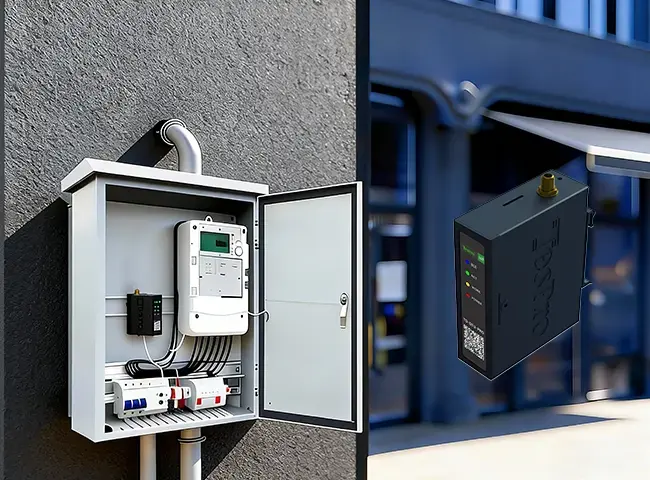

A data transfer unit does more than transmit consumption numbers — it decides whether your metering infrastructure stays online or falls silent when network conditions change. By 2026, utilities and industrial operators will face a fragmented world of 2G phase-outs, 4G LTE‑Cat 1 bis expansion, and regional 5G standalone rollouts. A data transfer unit that cannot handle all these generations seamlessly becomes a single point of failure. Tespro's 4G DTU family is engineered to deliver exactly that: uninterrupted connectivity from 2G to 5G, without dead zones, without manual reconfiguration, and without waiting until 2030 to upgrade again.
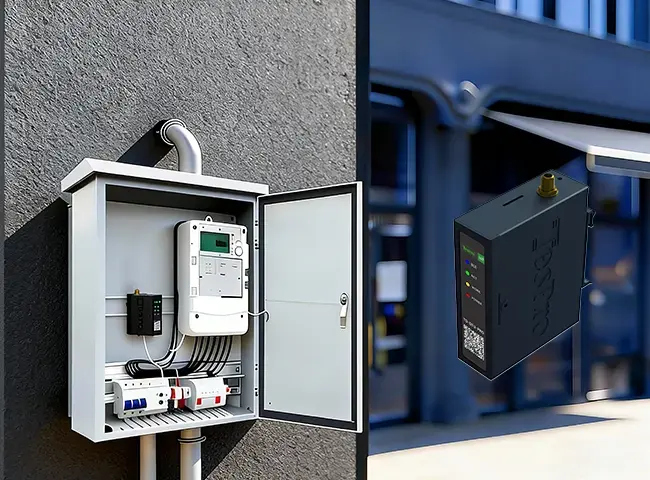
Global network fragmentation is real. Some countries still rely on 2G for rural metering, others have moved entirely to 4G Cat‑1 bis, and early adopters are testing 5G slices for grid automation. One incompatible band can kill a deployment — a data transfer unit that misses a regional LTE band forces expensive retrofits or complete replacements. Cloud‑first monitoring is now baseline, with buyers expecting real‑time visibility into signal strength, data usage, and remote configuration — not blind transmission. Tespro addresses these requirements directly. Its industrial‑grade data transfer unit supports 2G, 3G, 4G, and optional 5G bands, and comes with a cloud management platform that logs every heartbeat packet and registration message. No exaggerated claims — just documented compatibility with networks across Europe, Asia, the Middle East, and the Americas.
Will the data transfer unit support 5G networks in 2026?
Yes. Tespro's DTU accommodates 5G‑ready mini‑PCIe modules. For the vast majority of metering use cases, 4G Cat‑1 is sufficient, but we are ready for 5G networks when they become commercially available in your region. This modular design ensures the device is not obsolete as network technology evolves.
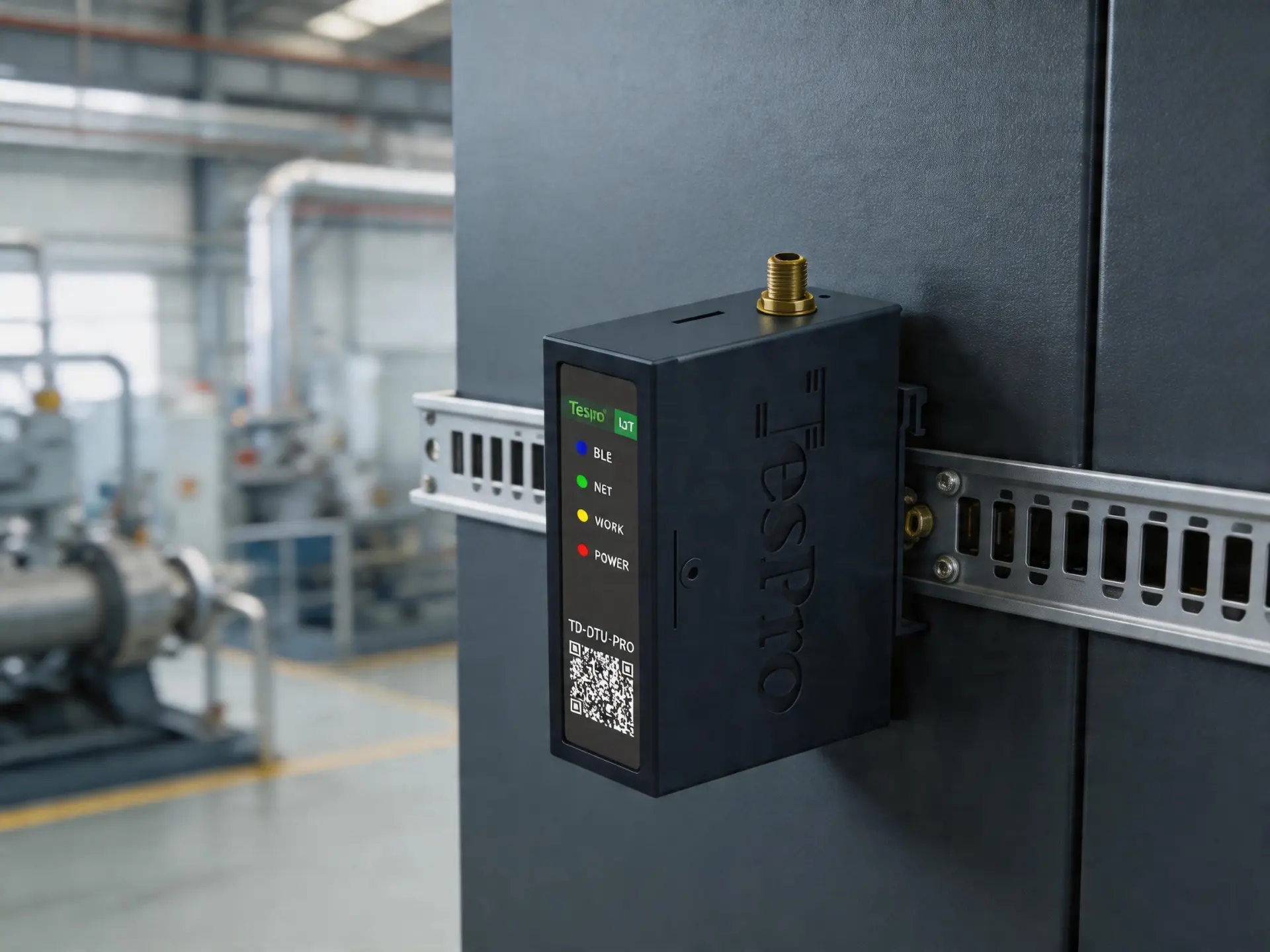
When a manufacturer says multi‑mode, procurement officers should ask: which frequency bands, can we swap the communication card ourselves, and does it fall back gracefully when 4G is weak? Tespro's answers are straightforward. Its data transfer unit accepts standard mini‑PCIe cards, letting you adapt to local operators without replacing the whole device. Automatic fallback sequencing: if 4G signal drops below a configurable threshold, the unit reverts to 2G or 3G — and logs the event in the cloud, with no data loss and no manual reboot. Global band coverage: pre‑tested with major carriers, with adjustable frequency profiles per country. For a field engineer in a remote substation, this means one data transfer unit works in Manila, Nairobi, or rural Poland — just insert a local SIM and let auto‑APN detection handle the rest. A realistic use case: a water utility in Southeast Asia uses 2G for 70 percent of its meters but plans to migrate to 4G by 2028. Tespro's unit runs on 2G today, and when the operator refarms spectrum, the same hardware upgrades to 4G via a card swap — no truck roll to replace enclosures.