-1791966549842.webp)







4G LTE DTU Module selection has become a much more important decision in AMR projects because the biggest deployment problem is often not data transmission itself. It is meter compatibility. Many utility operators and system integrators can build a pilot quickly, but scaling that project across mixed brands, different protocols, and varied field conditions is where costs start to rise. NIST continues to treat interoperability as a core part of smart grid progress, and DLMS UA keeps emphasizing standards-based compatibility across smart metering environments.

That is why this topic matters to overseas buyers. In real procurement work, a DTU is not judged only by network access or module category. It is judged by a more practical question: Can it connect different meters without creating extra engineering work? For AMR deployments covering electricity, water, gas, and heat metering, that question directly affects rollout speed, service cost, and long-term project scalability.
Where AMR Projects Usually Get Stuck
A large number of AMR projects begin with a clear objective but run into the same bottleneck during implementation: the field environment is more mixed than expected.
Common compatibility issues include:
• Different meter brands in the same project area
• Different local interfaces on installed meters
• Different communication methods across old and new assets
• Utility expansion from one region to another with different carrier conditions
• Added development work when one meter protocol does not match the original plan
This is why compatibility is not a secondary feature. It is one of the main factors behind commissioning delays and higher lifecycle cost. In smart metering, interoperability is valuable because it reduces the need for fragmented integration and supports more repeatable deployment. That direction is consistent with the standards work promoted by NIST and DLMS UA.
Why Multi-Brand Meter Support Is a Stronger Selling Point
For many buyers, the most attractive part of a 4G LTE DTU Module is not the wireless label alone. It is the ability to work across a mixed installed base.
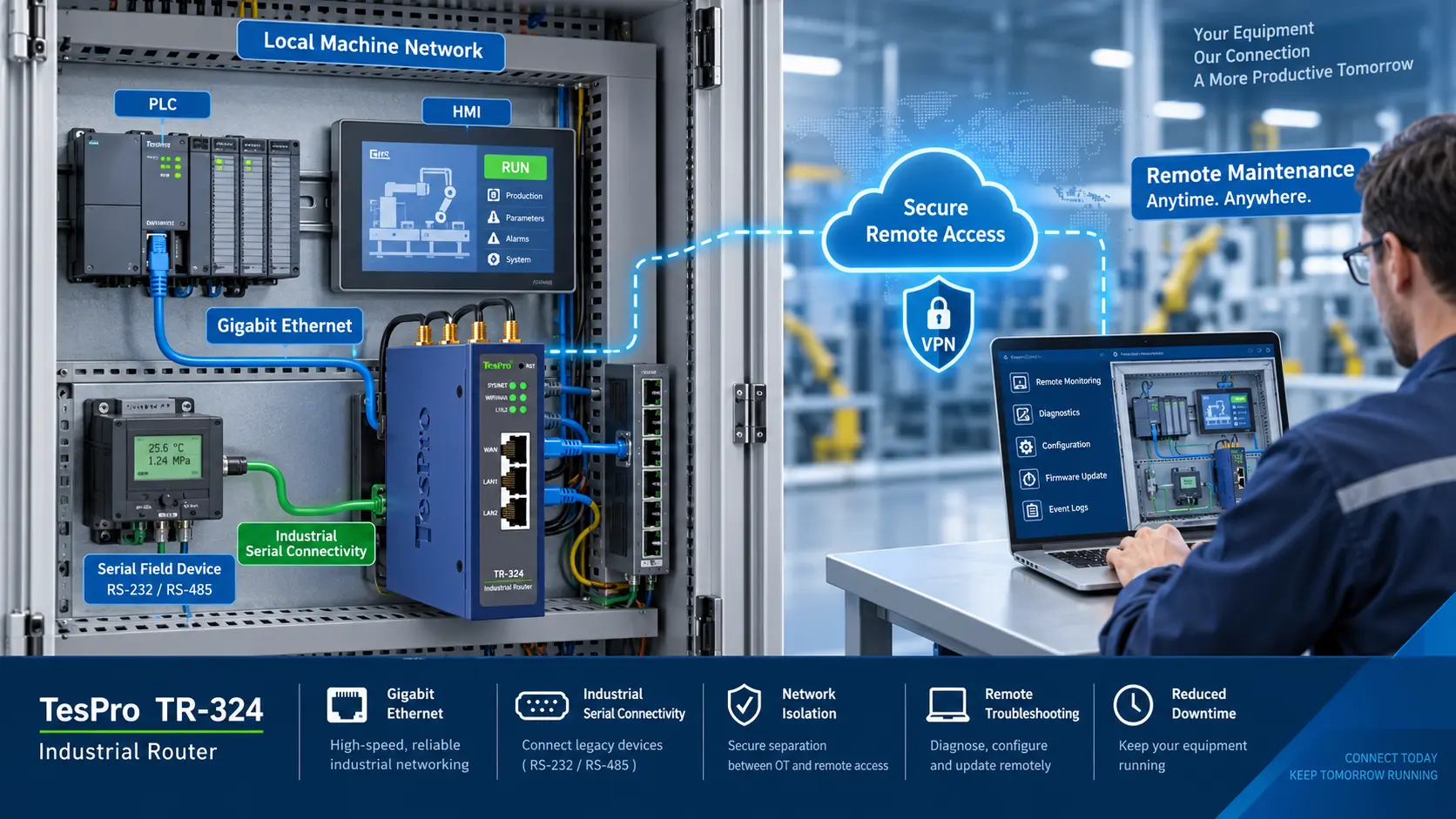
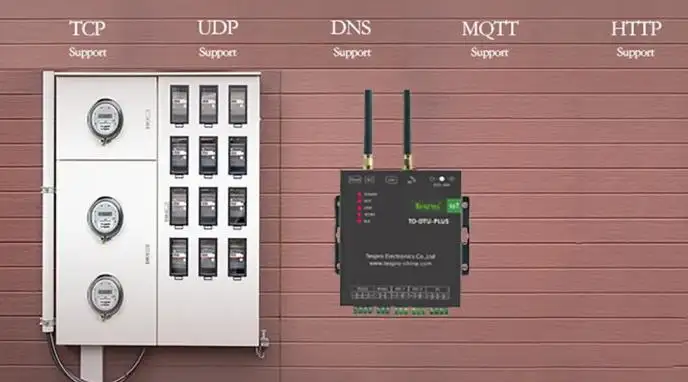
Tespro presents the DTU solution as an industrial-grade communication device for metering data transfer, with support for multi-protocol plug and play, cloud management, and multiple communication networks. The company also states that its solution can read different types of meters by configuration, including brands such as Landis+Gyr, EDMI, ITRON, ELSTER, and ISKRA. That is commercially meaningful because mixed-brand environments are common in utility and building metering projects.
For procurement teams, this kind of compatibility can improve project outcomes in several ways:
• Lower integration risk when legacy and newer meters coexist
• Less custom development during rollout and expansion
• Faster commissioning for pilot and batch deployment
• Easier maintenance when one platform supports more device types
• Better supply flexibility when meter sourcing changes over time
In other words, the stronger value of the DTU is not only communication. It is communication plus compatibility. That is what helps a buyer move from a working demo to a deployable business case.
Tespro's Approach to Mixed Meter Environments
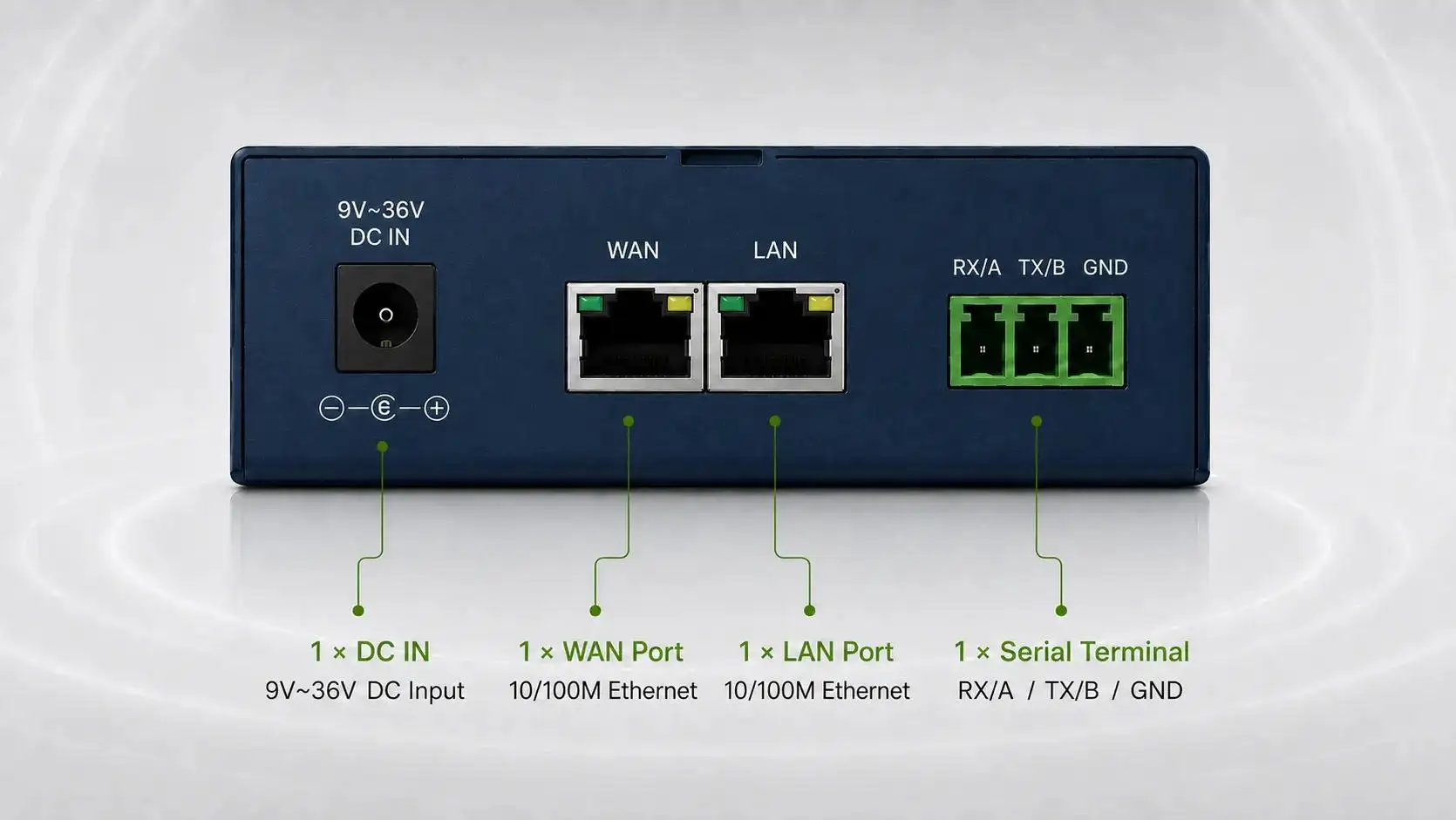
Tespro's DTU offer is built around exactly this compatibility challenge. According to the company's product information, its solution supports several photoelectric ports, accommodates different communication interfaces of on-site meters, and covers protocols for water meters, electricity meters, gas meters, and heat meters in a plug-and-play way without extra development. It also supports remote control and environmental data collection, which broadens its role beyond simple meter reading.
That matters because overseas buyers are not only looking for a product that works in one controlled test case. They need a device that can adapt to field diversity.
From a practical deployment perspective, Tespro's feature mix is relevant for projects that need:
• One DTU platform for multiple utility categories
• Reduced engineering pressure during integration
• Better standardization across distributed field sites
• Less field rework after pilot validation
• Simpler project replication across more customers or territories
This is also why plug-and-play support deserves more attention in marketing and procurement discussions. It is not just about convenience. It is about reducing hidden deployment cost.
Global Connectivity Is Part of the Compatibility Story
Meter compatibility is only one half of the problem. The other half is communication continuity across different countries and regions.
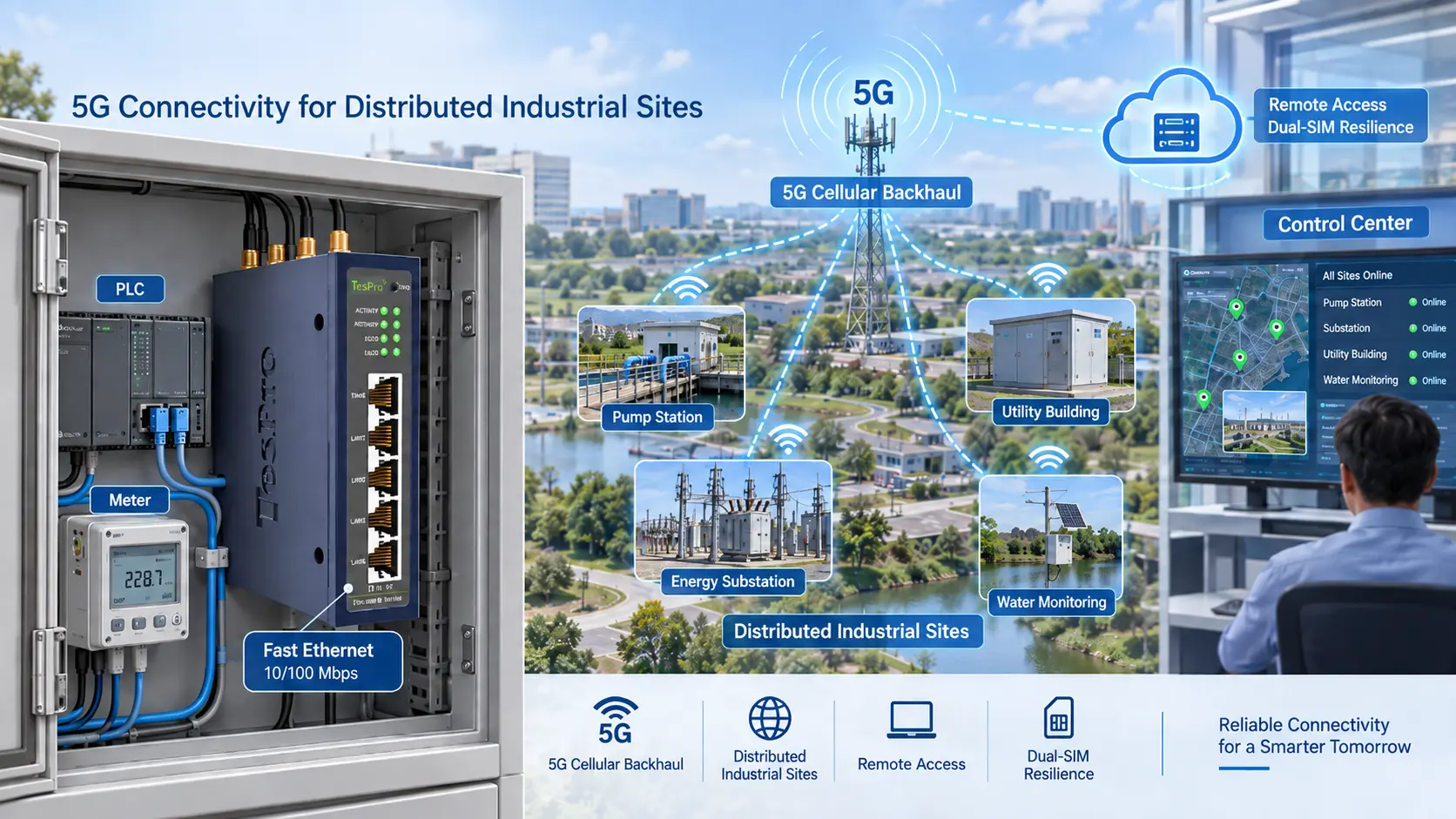
Tespro states that its DTU supports 2G, 3G, 4G, and 5G network options, as well as different communication cards and different data packet choices for global use. The company also notes that frequency bands can be adjusted according to the requirements of different countries and regions. For exporters, utilities, and integrators working across markets, that flexibility is important because network conditions and carrier policies are not uniform.
This broader flexibility becomes even more relevant as older mobile networks continue to phase down in some markets. A buyer evaluating long-term deployment value usually wants communication equipment that can fit changing network realities rather than depend on one narrow connectivity path. That is one reason the market keeps moving toward more adaptable smart metering and smart grid communication architectures.
Why This Fits Current Utility Trends
The utility industry is moving toward more connected, more measurable, and more interoperable systems. NIST's smart grid work continues to frame interoperability as a foundation for efficiency, resilience, and modern energy services. DLMS UA also positions Generic Companion Profiles as a way to ensure higher interoperability and compatibility among smart metering devices.
Tespro's DTU positioning fits that direction in several practical ways:
• Multi-protocol support aligns with interoperability needs
• Cloud management capability supports remote visibility
• Global network flexibility helps cross-region deployment
• Battery-supported remote transmission improves field usability where external power is unavailable
• Industrial-grade design supports real AMR operating conditions rather than lab-only assumptions
Tespro specifically notes that one version of its DTU architecture can operate without external power because of a built-in high-capacity battery, helping remote data acquisition and transmission in locations where on-site power is not available. For remote metering points, dispersed assets, and temporary service environments, that adds practical deployment value.
The Better Way to Position a 4G LTE DTU Module
For AMR buyers, the stronger commercial message is clear: a 4G LTE DTU Module should not be sold only as a wireless transmission product. It should be positioned as a compatibility tool that helps solve one of the hardest parts of meter reading projects.
Tespro's advantage is that it addresses a real industry pain point with a practical feature set: broad meter compatibility, multi-protocol plug and play, global network adaptability, remote management support, and field-ready deployment logic. For utilities, meter service providers, and system integrators trying to simplify mixed-brand AMR projects, that is a much more persuasive value story than raw transmission specs alone.
FAQ
1. What Is A 4G LTE DTU Module In AMR Projects?
A 4G LTE DTU Module is a communication device used to collect meter data from field devices and transmit that data remotely to a management platform or central system. In AMR projects, it helps utilities and service providers reduce manual meter reading work, improve data visibility, and support more efficient remote operations.
2. Why Is Multi-Brand Meter Compatibility So Important In AMR Deployment?
Many AMR projects involve different brands of electricity, water, gas, or heat meters installed over time. If the DTU cannot work across these mixed meter environments, the project may require extra protocol conversion, more field adjustments, and additional software development. Strong compatibility helps reduce integration pressure and makes rollout easier to scale.
3. Can A 4G LTE DTU Module Support Different Types Of Utility Meters?
Yes. A well-designed 4G LTE DTU Module can support different categories of meters, including electricity meters, water meters, gas meters, and heat meters. For buyers, this is valuable because one communication platform can serve multiple utility applications instead of creating separate integration paths for each meter type.
4. How Does Plug-And-Play Support Help Reduce Project Cost?
Plug-and-play support can lower engineering cost because it reduces the need for extra development, protocol conversion, and repeated on-site commissioning. It also helps shorten deployment cycles, which is important for utilities and integrators working under strict rollout schedules.
5. Is A 4G LTE DTU Module Suitable For Legacy Metering Systems?
In many cases, yes. This is one of the biggest reasons buyers choose this type of solution. A 4G LTE DTU Module with strong protocol and interface compatibility can help connect older installed meters to newer remote monitoring systems, which makes system upgrades more practical without replacing all field assets at once.
6. Does Tespro's DTU support data integration with mainstream cloud platforms?
Yes. Tespro's DTU supports data integration with mainstream cloud platforms (such as AWS IoT, Azure IoT, Alibaba Cloud IoT, etc.) via standard protocols like MQTT, HTTP, and TCP. This allows users to easily integrate metering data into their existing cloud management systems for centralized monitoring and advanced data analytics.
7. Is it complicated to configure Tespro DTU to read different brands of meters in a mixed meter environment?
Not at all. Tespro DTU comes with local configuration tools and remote configuration push capabilities. Users simply select the corresponding parameter template based on the field meter's protocol type, or complete the matching through a simple menu setup, achieving plug-and-play operation. The whole process requires no coding or complex protocol conversion development.