-1791966549842.webp)





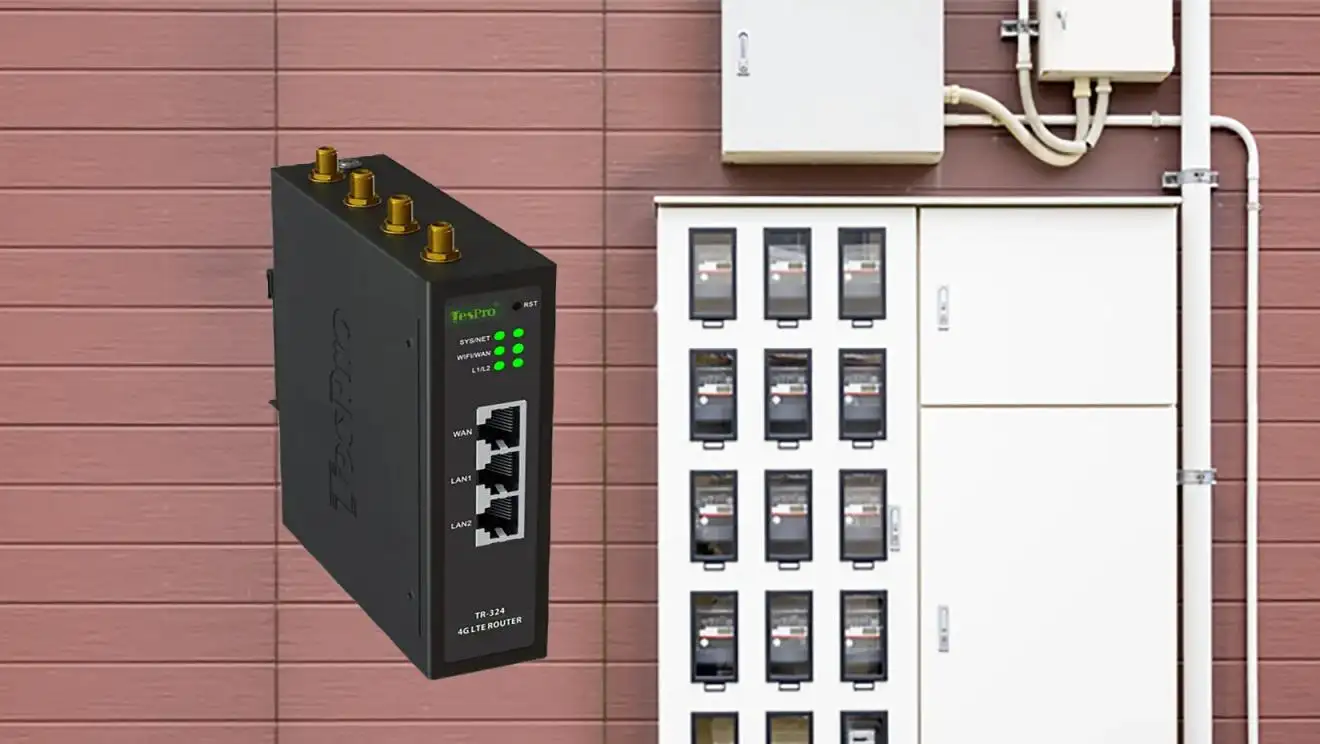

A 4G/5G gateway is becoming much more than a component for network connectivity. Today a 4G/5G gateway is more like the central nervous system for critical infrastructure in a smart city. By the year 2026, urban environments will require faster response times and denser, more resilient networks. Today's connectivity layer must be able to support the performance needed for things like AI driven traffic robotics and real time utility monitoring.
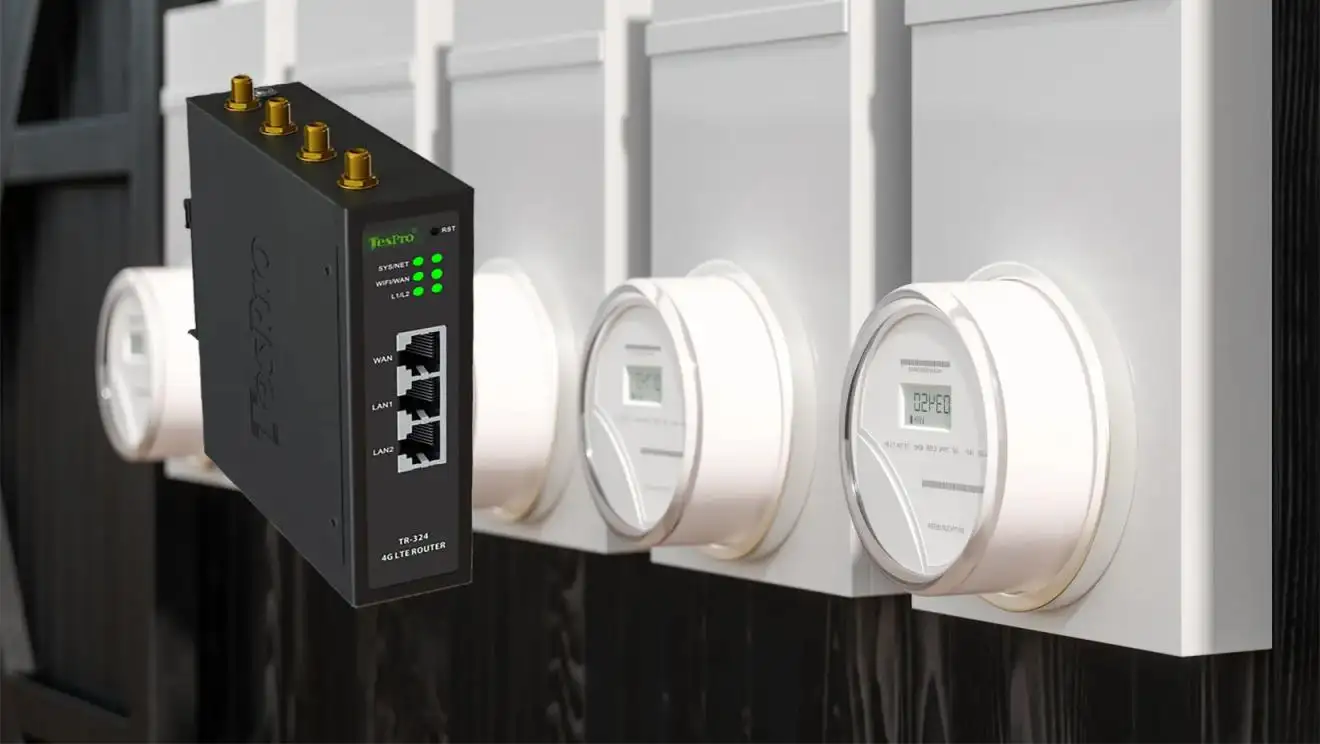
This article covers how the latest industrial grade 4G/5G gateway solutions can be used for the needs discussed above and how the decisions made around purchasing these solutions will impact smart city projects for the longest time.
Forces Impacting Smart City Network Upgrades
Demanding environments are the result of industry projections. The IoT gateway devices market is expected to increase from 14.75 billion in 2025 to 16.97 billion in 2026 for a compound annual growth rate of 15%. The global market for 5G cellular IoT gateways is poised to expand from 4.02 billion in 2025 to 30 billion by 2035, a compound annual growth rate of 22.3%. The data points show that both latency and uptime are becoming key requirements for modern smart city infrastructure, as is the connectivity itself.
A true smart city, where traffic grids self-optimize and utilities self-balance, demands a density of up to one million devices per square kilometer. This scale far exceeds the 2,000 to 4,000 devices per square kilometer that 4G LTE networks can reliably support. Consequently, a purpose-built 4G/5G Gateway must handle massive machine-type communication (mMTC), ultra-reliable low-latency communication (URLLC), and enhanced mobile broadband (eMBB) within a single compact chassis.
Low-Latency Applications: Where Millisecond Responses Matter
The operational threshold for many smart city services is measured in milliseconds. In a pilot vehicle-to-everything (V2X) deployment, a 4G network with 100 ms delay caused a vehicle traveling at 80 km/h to cover an extra 2.2 meters before receiving an emergency warning—leaving no room for safe response.
Real-world deployments now demonstrate what is achievable. At the 2026 Jiangsu Football City League opening ceremony, a 5G-A network with less than 10 ms latency enabled robot traffic police to perform “zero-error” collaborative policing, managing dense pedestrian and vehicle flows at the sports venue. These are not laboratory demonstrations; they are live implementations that rely entirely on the underlying 4G/5G Gateway to bridge edge devices, local processing nodes, and centralized platforms.
Similarly, connected traffic management and infrastructure monitoring require deterministic wireless communication across large campuses with hundreds or thousands of endpoints. An industrial 4G/5G Gateway that supports URLLC capabilities ensures that alarm signals from environmental sensors, surveillance cameras, and utility meters are delivered reliably even under peak loads.
High-Density Deployments: Beyond Best-Effort Connectivity
Density comes with its own challenges. Transmissions by thousands of IoT devices run the risk of latency and loss of packets on best-effort public networks. That's why by 2026 the industrial IoT sector will focus on private LTE and 5G networks.
A modern 4G/5G Gateway tackles density issues with the following built-in features:
1. Prioritizes key data streams via hardware.
2. Supports more connections without negative performance impact.
3. Resistant to extreme hot and cold temperatures.
4. Shows C1D2, ATEX and E-Mark compliance.
Edge computing allows data collection in a way that is not burdensome to the network. It is able to use advanced gateways to do edge processing and only send important messages to the core. Improvements can be measured through:
1. Latency of the network.
2. Network resources.
3. Operations of the system.
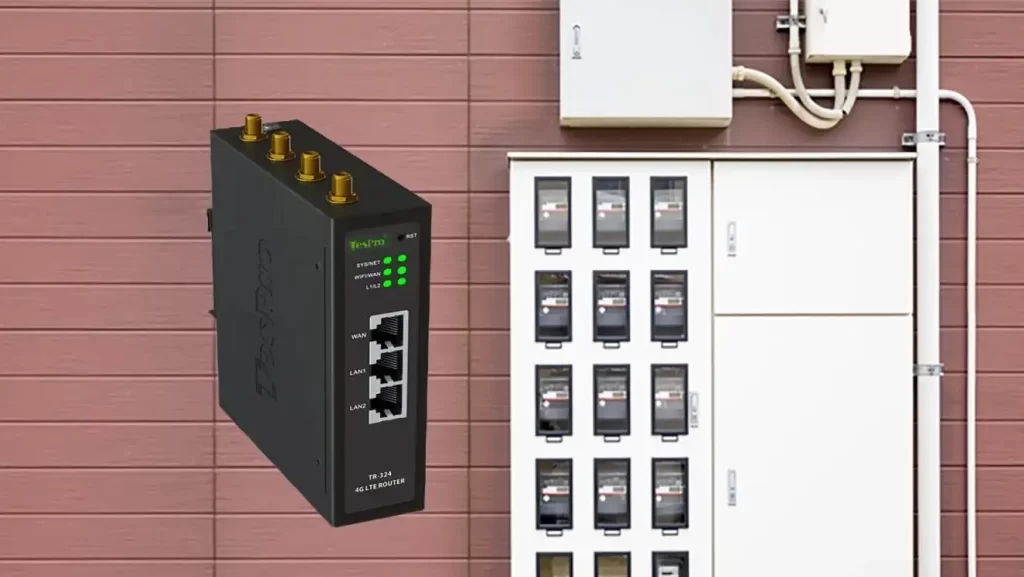
Impacts of Network Advancements
For his products, Tespro includes designing the future with consideration of the smart city 2026 citizens. He generated a lot of interest at ENLIT Europe 2025 with his Multi-Protocol IoT Gateways and ruggedized Industrial Routers and became one of the first to attract data collection business opportunities in the Smart Grid and Industrial IoT.
Tespro's 4G/5G Gateway Solutions
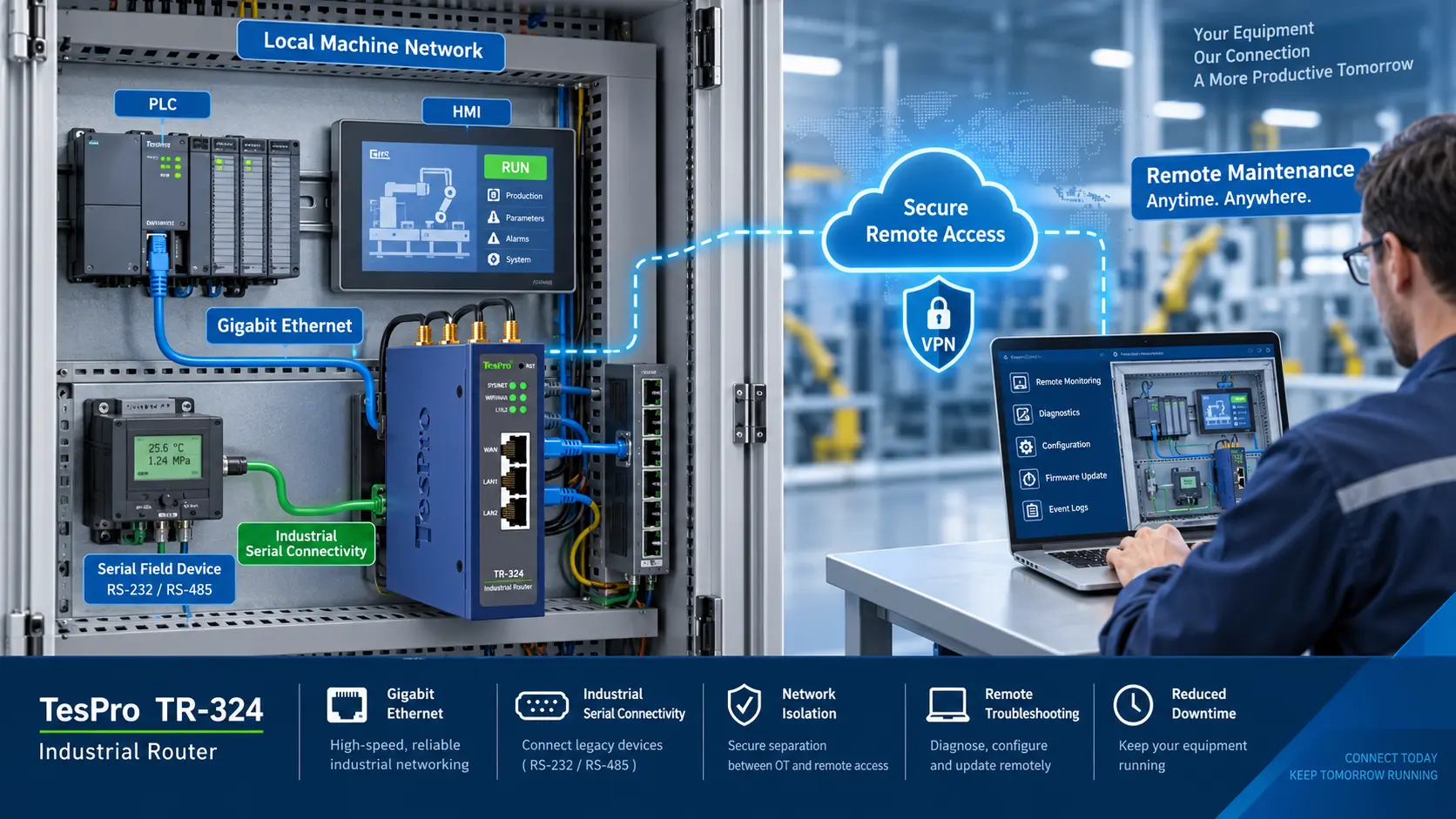
1. Flexible Inter-Protocollability: Bridging the new and the old is made easier with various industrial protocols.
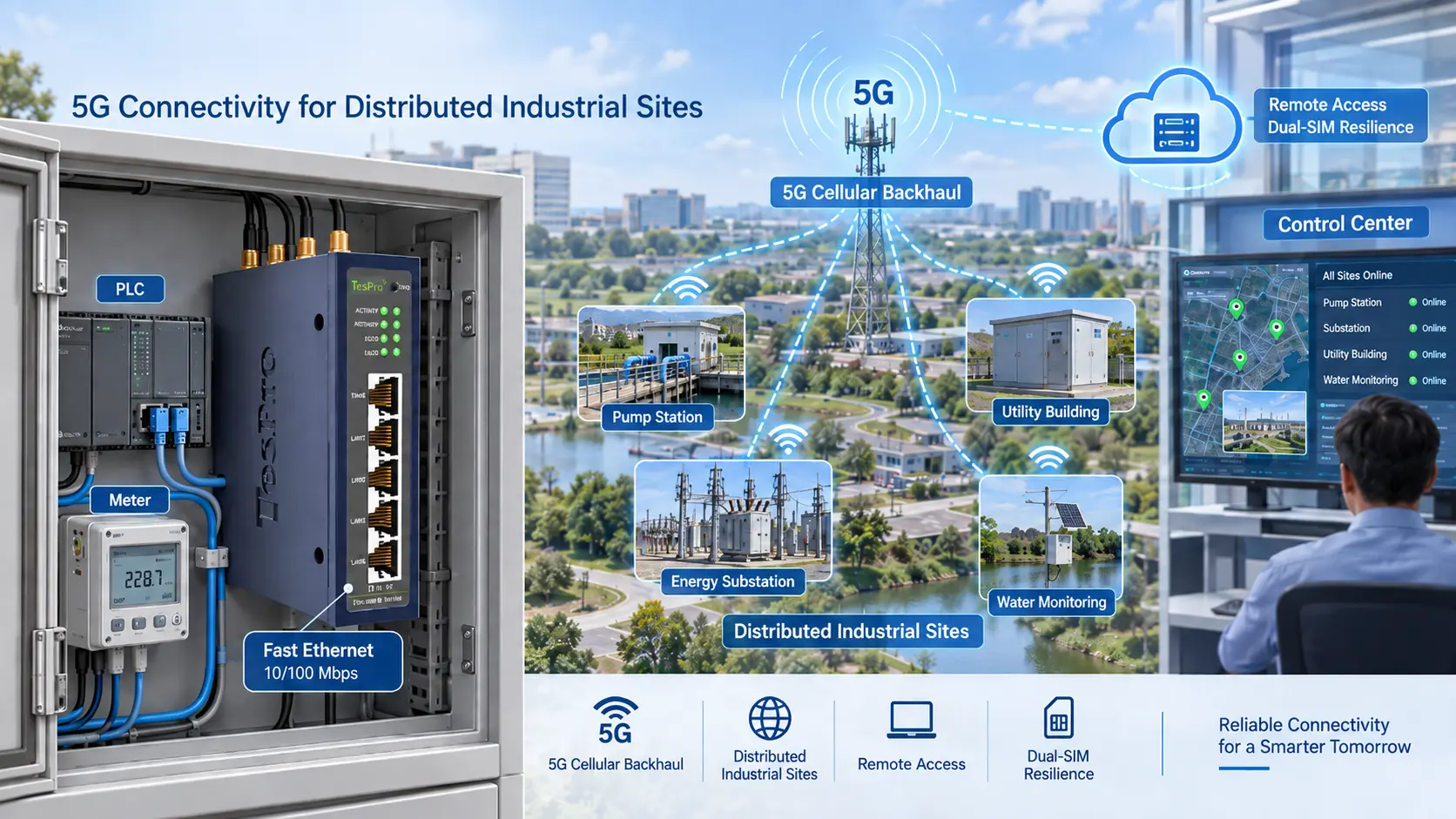
2. Dual-SIM and network redundancy: Connectivity is assured when particular carriers and/or networks are absent.
3. Greater working range: Better performance from -40° to 75°, with and 5-30V injected. It is especially good for roadside cabinets, utility substations, and areas that are off the grid.
4. Processing at the edge: The dependency on the cloud is reduced by processing at the source and capturing data, responsivity is enhanced.
5. Safe transmission: Smart city data is kept safe from the cloud and the endpoints through access control and tunnel encryption to the gateway.
The various features provide individual unique functional advantages to the System Integrators and procurement managers. When evaluating the 4G/5G Gateway, key factors should include total cost of ownership, ease of deployment, and how well the Gateway will meet future changes in standards with new network technologies (including 5G RedCap and private spectrum bands) for extended adaptability in the years to come.
Deployment Scenarios in Several Smart City Verticals
4G/5G Gateway has varying requirements for different verticals.
•Smart traffic and V2X: Integrations for vehicles and road systems in the cloud require latencies of less than 20 ms. Systems for autonomous vehicles must be capable of uploads and provides cloud systems with real-time uploads of videos and Deterministic Signaling.
•Utility and AMI/AMR networks: Enhanced design and utilization of IoT bands assist with the provision of continuous and secure connectivity across large regions and the limitations of battery backed field devices.
•Public safety and surveillance: Require high bandwidth uplinks that accommodate 4K video streams, and low jitter for real-time monitoring. Edge storage and failover connectivity ensure uninterrupted operations, even with network disruptions.
For smart building and campus management, integration of the various systems (HVAC, lighting, and access control) along with occupancy sensors, simplifies system deployment and reduces operational costs.
A specific purpose-built 4G/5G Gateway is the entry point for intelligent operations in each scenario, turning raw connectivity into smart operations infrastructure.
Making the Right Procurement Decision
Innovative urban mobility programs are designed to move beyond pilot and proof of concept deployments to full operational programs. The choice of connectivity hardware is critical because the smart city 4G/5G Gateway must include:
•Backward and forward compatibility Protection of multi-cycle capital investments through 4G LTE network support and 5G standalone (SA) readiness.
•Certification readiness Regional and industry certifications (CE, FCC, PTCRB, ATEX) are needed to gain faster approval for deployments.
•Lifecycle support Integration capabilities for city wide management platforms through O&M and documented APIs and firmware updates.
•Security compliance Embedded defense in depth, including a firewall, encrypted communication, and secure boot features, are a must.
Tespro's engineering approach leverages these principles with a focus on durability and reliability.
Conclusion
Cities in 2026 will not have Consumer-grade connectivity. Greater urban demand and the intensity of 4G/5G ‘smart' Operations will need the target performance of the best 4G/5G Gateways. In a rapidly advancing sector, procurement specialists must focus on innovative solutions with a combined framework of rigorous design, construction, and performance standards. With proven success in deployments across energy, transport, and industrial IoT globally, Tespro becomes the proven choice for the next operator to build resilient smart city infrastructure.
To obtain detailed specs or for advice on deployment, our engineering team is the best point of contact for procurement teams.
FAQ
Q1. Will a 4G/5G Gateway be usable in existing 4G LTE settings?
A1. Yes. Tespro gateways are 4G LTE network compatible. This technology maintains a complete backward compatibility with 5G, which means no previously deployed hardware will need to be replaced.
Q2. What are the protocols supported by Tespro gateways in developing the smart city ecosystem?
A2. Tespro gateways support Modbus and MQTT protocols as well as OPC UA. These gateways support a wide array of industrial protocols and enable interoperability to AMI/AMR systems and traffic controllers and utility sensors.
Q3. Are these gateways outdoor/hazardous environments certified?
A3. Yes. They are designed for -40 degrees Celsius to 75 degrees Celsius and for a wide range input voltages of DC 5–30V. and are compliant with C1D2, ATEX and E-Mark.
Q4. What is 'dual-SIM redundancy'?
A4. An automatic switchover system to a secondary SIM or a secondary carrier, when the primary carrier or SIM is no longer accessible, is what dual-SIM redundancy constitutes. Essentially, it means sending data continuously.
Q5. Does Tespro also offer remote management for other gateways?
A5. Remote management and firmware update capability are offered through Tespro gateways via Secure Web Interface and centralized network management systems.