-1791966549842.webp)





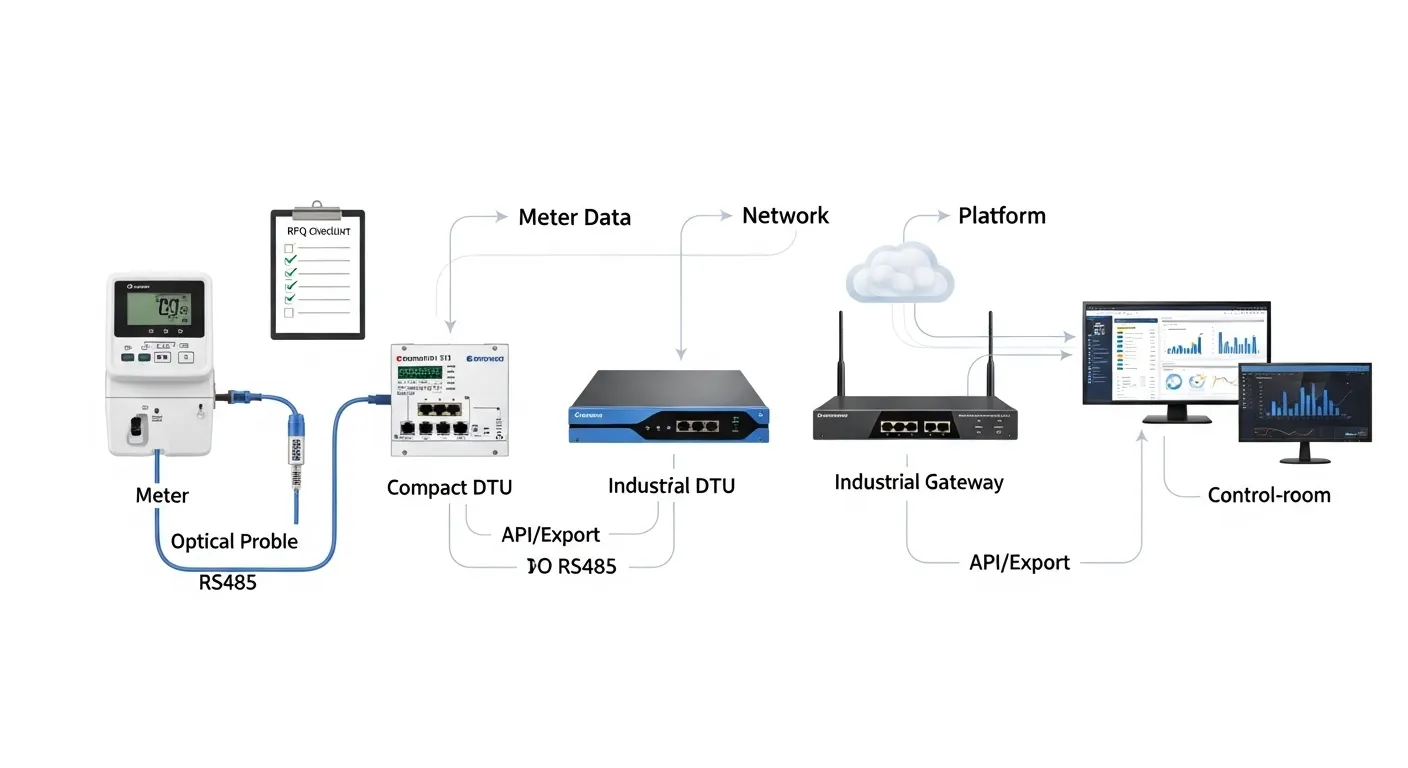

Tespro provides industrial metering, connectivity, and energy data solutions for smart meter reading and smart meter data projects. For utilities, AMI/AMR teams, industrial IoT integrators, SCADA teams, energy management companies, and procurement managers, the key buying decision is not only “which device should we buy?” It is how meter data will move from each meter to the final platform.
Before requesting a quotation, buyers should define the full data path: meter protocol, physical interface, site count, communication device, network type, API/export requirement, platform destination, security needs, and maintenance process. These details help Tespro recommend the right combination of optical probes, data transmission units, industrial routers, gateways, software support, or integration consultation.
This guide is designed for teams preparing vendor questions, RFQ documents, or technical purchase requirements for smart metering, AMR, AMI, remote monitoring, smart grid, and energy data projects.
Start With the Meter-to-Platform Data Path
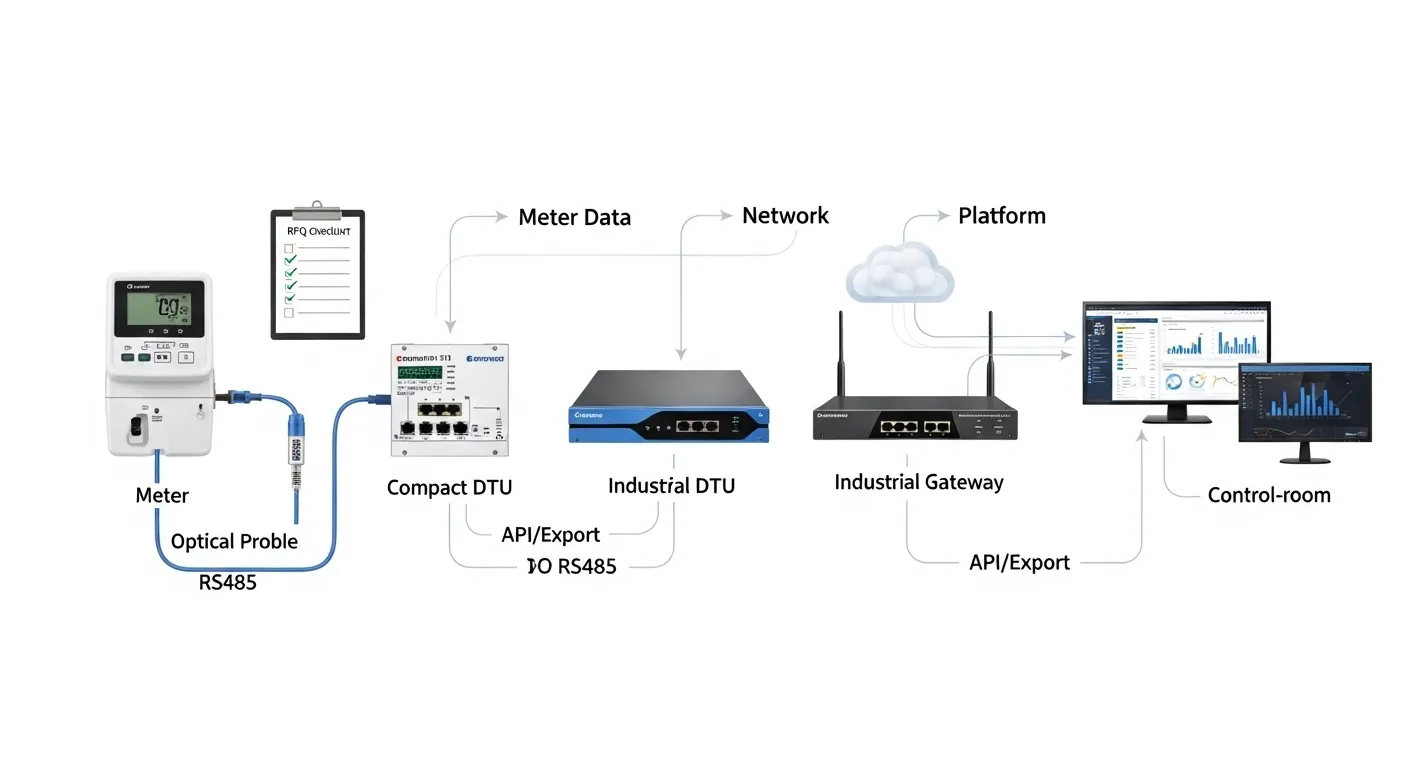
A smart meter data workflow should be planned from the field device to the final software system. If this workflow is unclear, the quotation may be incomplete, the wrong device may be selected, or the project may face integration problems during deployment.
A typical workflow may include:
- Smart meter or utility meter
- Meter interface, such as optical port, RS485, RS232, M-Bus, or Ethernet
- Meter protocol, such as DLMS/COSEM, IEC 62056-21, Modbus, M-Bus, or project-specific protocol
- Field device, such as an optical probe, DTU, industrial router, gateway, or data concentrator
- Network layer, such as 4G, 5G, Ethernet, Wi-Fi, NB-IoT, LTE-M, or private network
- Software destination, such as a cloud platform, local platform, SCADA, EMS, billing system, or MDMS
- API, dashboard, file export, alarm, report, or database integration
- Maintenance process for firmware, SIMs, remote configuration, and field support
Procurement teams should confirm this chain before comparing suppliers. A low-cost device may not be suitable if it cannot support the required interface, network condition, data frequency, or platform workflow.
What Should Buyers Confirm Before Smart Meter Reading RFQ?
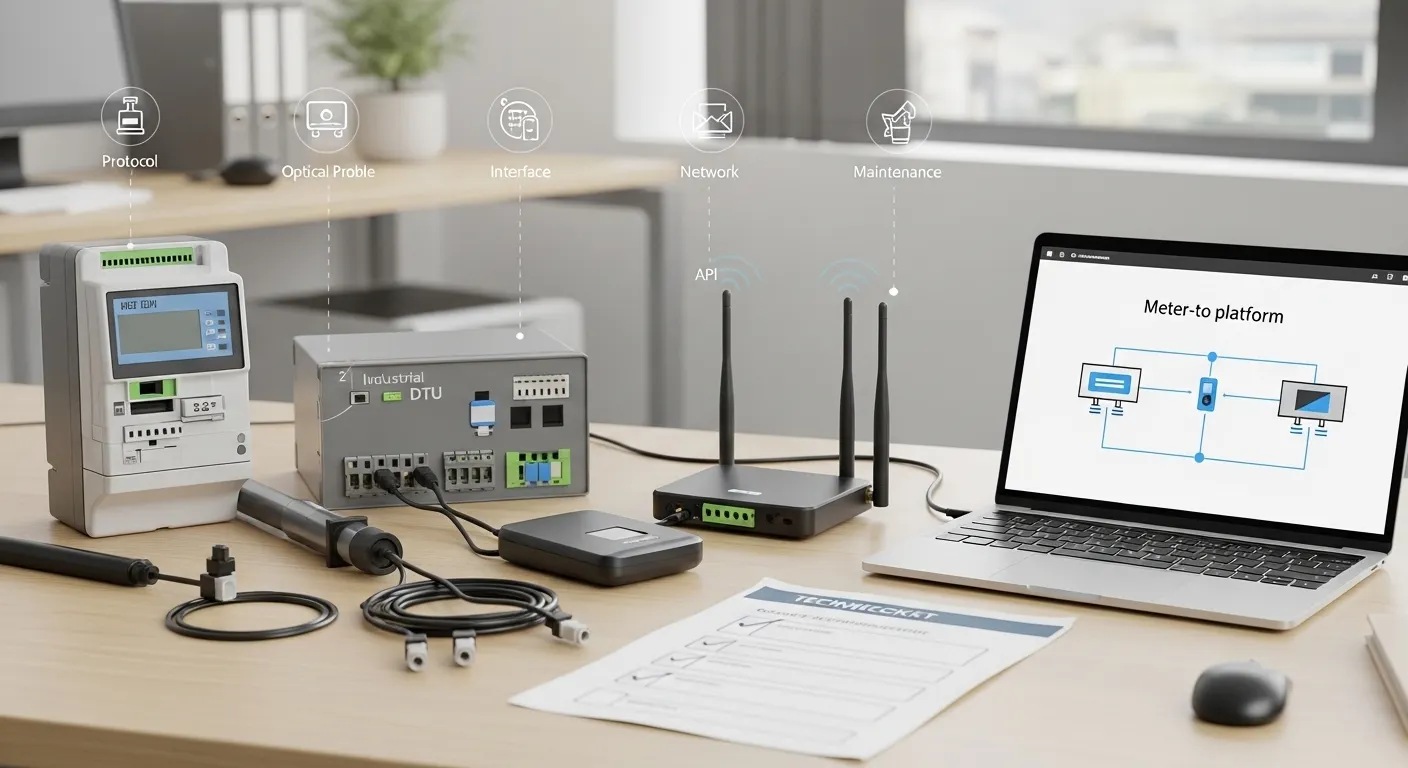
Smart meter reading projects often involve both hardware and software decisions. The same project may need a direct reading tool, a data transmission device, a router, a gateway, or a platform integration layer.
Use the table below to prepare RFQ details before contacting Tespro.
| RFQ requirement | What to specify | Why it matters |
|---|---|---|
| Meter type and model | Electric, water, gas, heat, or industrial meter model | Helps check reading method and device fit |
| Meter protocol | DLMS/COSEM, IEC 62056-21, Modbus, M-Bus, or other | Affects communication and integration design |
| Physical interface | Optical, RS485, RS232, Ethernet, M-Bus, pulse, or wireless | Determines which field device may be needed |
| Number of meters | Meters per site and total project quantity | Affects device count, gateway design, and quotation |
| Site count | Single site, multi-site, city-wide, industrial campus, or utility network | Affects network planning and maintenance |
| Reading frequency | Real-time, 5-minute, 15-minute, hourly, daily, or billing cycle | Affects data volume, network load, and platform needs |
| Data type | Billing reads, load profile, alarms, event logs, tamper data, power quality | Affects software and export requirements |
| Network type | 4G, 5G, Ethernet, Wi-Fi, NB-IoT, LTE-M, or private network | Affects device, antenna, SIM, and deployment planning |
| Platform destination | Cloud, local server, SCADA, EMS, billing system, or MDMS | Affects API, export, and integration scope |
| Security needs | VPN, APN, static IP, user roles, remote access, or firewall rules | Affects configuration and IT approval |
| Site environment | Indoor, outdoor, cabinet, substation, factory, meter room, or remote site | Affects power, enclosure, antenna, and installation |
| Support needs | Datasheet, sample, demo, OEM/ODM, or consultation | Helps Tespro respond with the right next step |
Confirm the Meter Protocol and Interface First
The meter-side details should come before any device selection. Many smart meter data problems start when the buyer knows the final platform requirement but not the meter communication method.
Procurement and engineering teams should confirm:
- Meter brand and model
- Meter type and application
- Communication protocol or standard
- Physical port or interface
- Required baud rate or communication setting if available
- Whether the meter is already installed
- Whether the meter will be read directly, through a concentrator, or through a gateway
- Whether the project is for field reading, lab reading, remote monitoring, or automated data collection
For example, a direct meter reading workflow may use an optical probe. A serial meter installed at a remote site may need a DTU or gateway. A multi-meter site may need a data concentrator or industrial gateway. A SCADA or cloud integration project may require protocol mapping, API export, or platform coordination.
Choose the Right Device Layer
The device between the meter and the platform depends on how data must be collected, transmitted, converted, and maintained.
Optical Probe
A metering optical probe is usually considered when buyers need direct communication with a meter optical port. This may apply to meter configuration, field reading, meter testing, lab work, or software communication with compatible meters.
Buyers should confirm the meter optical standard, interface type, software workflow, cable or wireless preference, and operating environment before requesting a probe quotation.
Data Transmission Unit
A DTU is often considered when meter or device data must be transmitted from a remote site to a server or platform. It may be suitable for serial data transmission, remote meter reading, and industrial monitoring projects.
Before RFQ, confirm serial interface, network type, SIM/APN requirements, data transparency, server connection method, power supply, antenna needs, and enclosure conditions.
Industrial Router
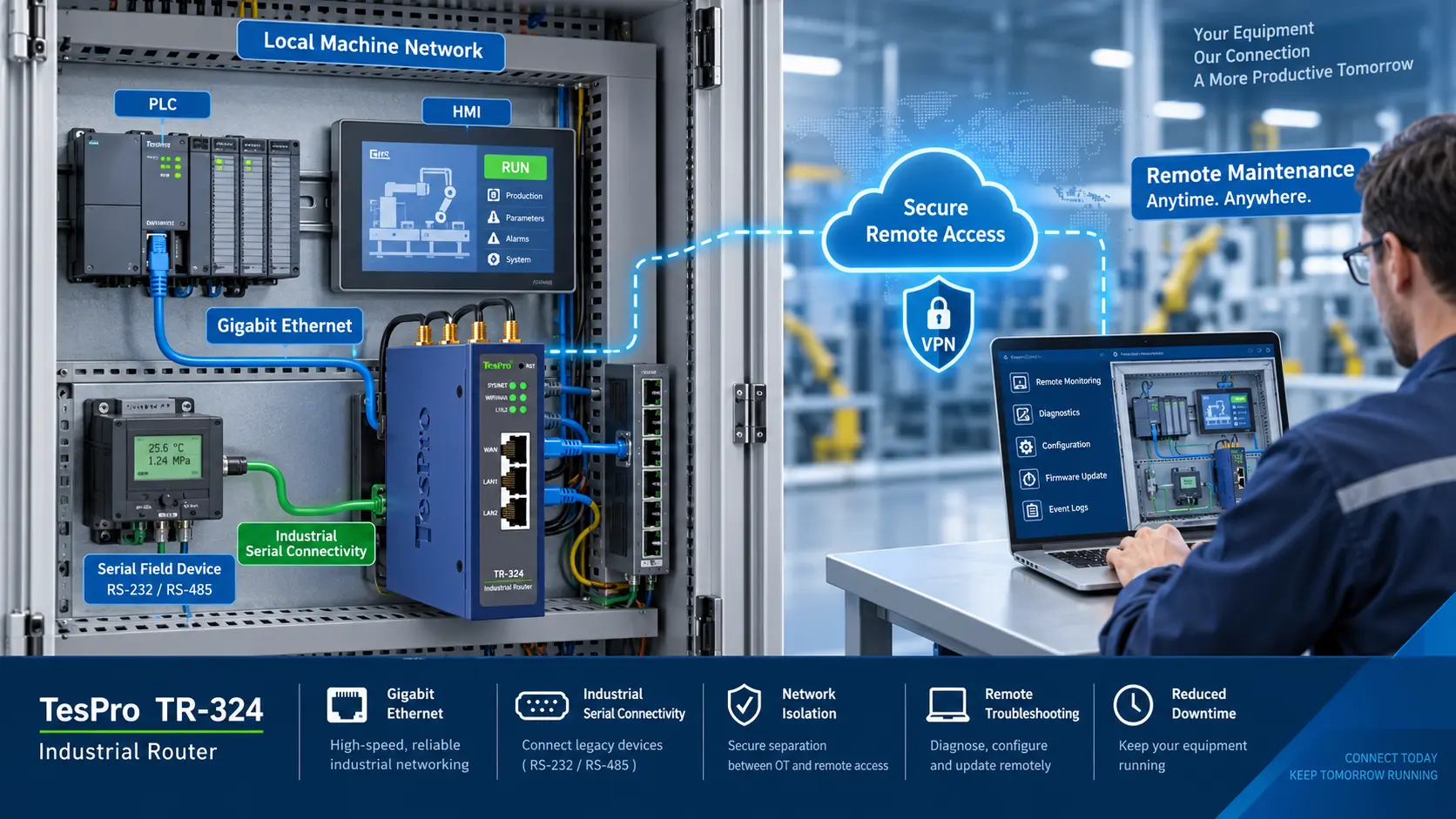
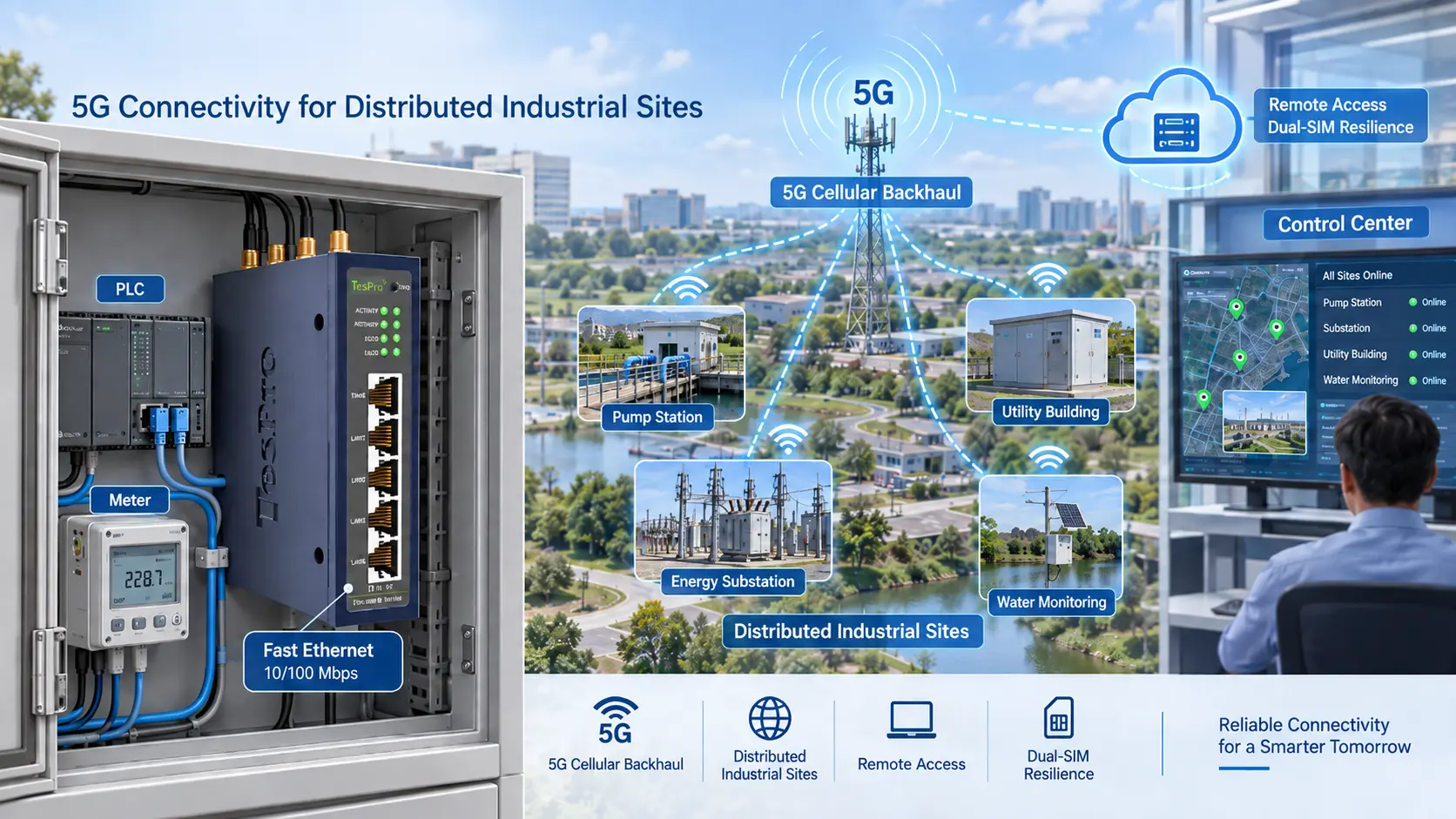
An industrial router is useful when the site needs reliable network access, remote device connection, VPN access, or multi-device connectivity. It may support AMI/AMR, SCADA, energy monitoring, and industrial IoT projects.
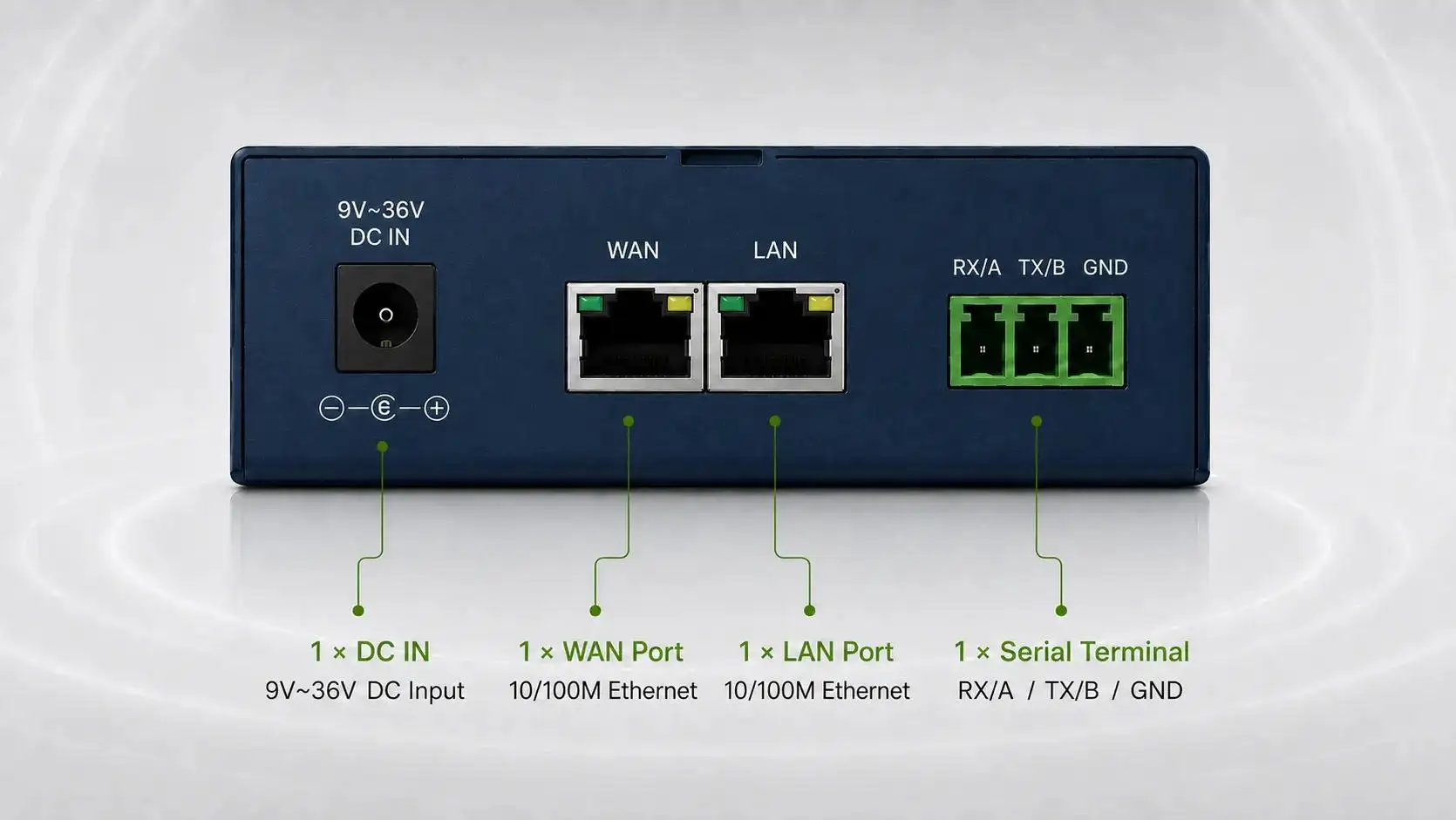
Buyers should confirm carrier/network availability, SIM arrangement, APN/static IP/VPN needs, LAN/serial requirements, antenna placement, power input, and remote management needs.
Industrial Gateway
An industrial gateway is usually needed when the project requires protocol conversion, data collection from multiple devices, local processing, buffering, or cloud/platform integration.
Before requesting a quote, specify the meter-side protocols, platform-side protocol, number of connected devices, data polling frequency, local storage needs, MQTT/REST/API requirements, and maintenance workflow.
Network and Site Conditions Affect the Quote
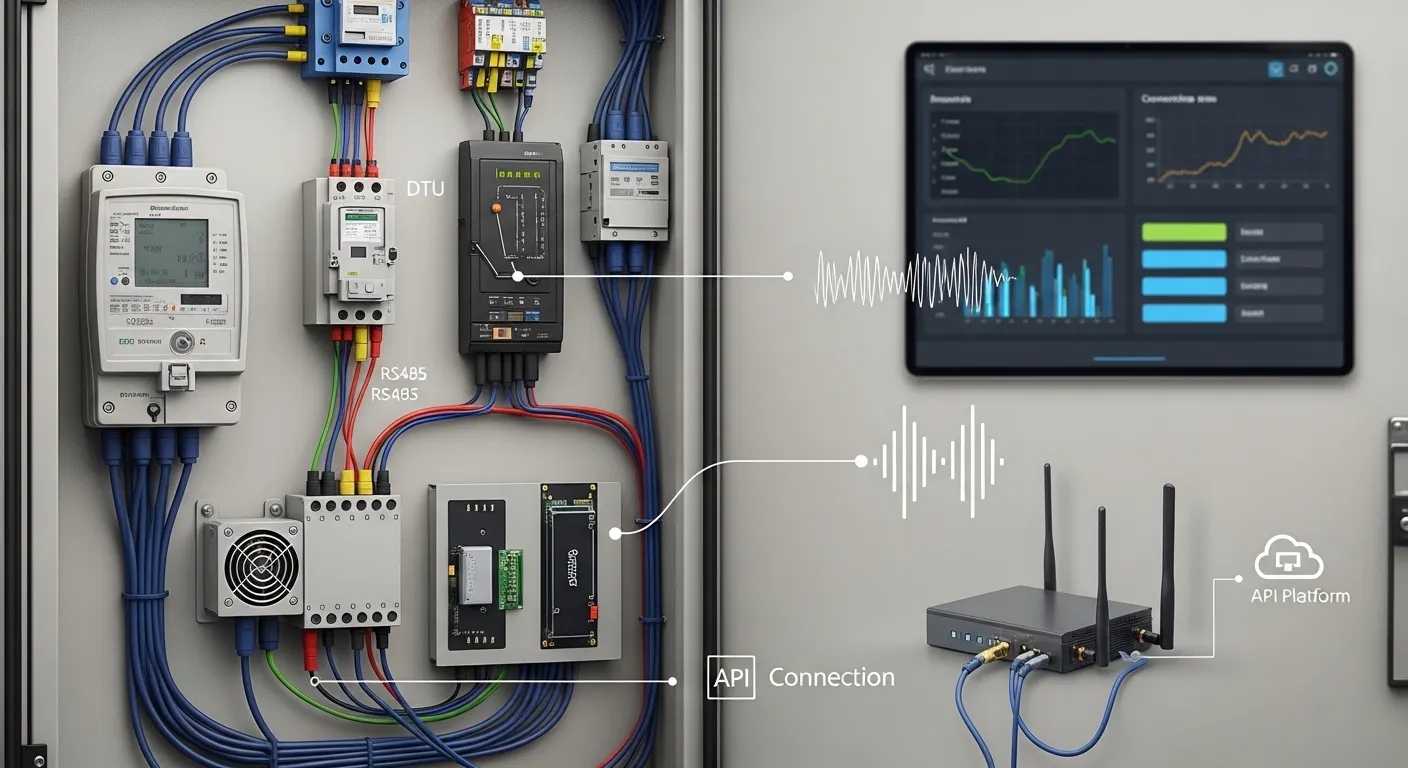
Smart meter data transmission depends heavily on field conditions. The same meter and platform requirement may need different hardware in different environments.
Procurement teams should prepare site-readiness details such as:
- Indoor or outdoor installation
- Meter room, cabinet, pole, substation, factory, or remote field site
- Power supply availability
- Cellular signal condition
- Antenna placement or cable length constraints
- SIM ownership and carrier requirement
- APN, VPN, static IP, or private network requirement
- Distance between meter and communication device
- Number of meters connected to one device
- Maintenance access for technicians
- Enclosure, DIN rail, cabinet, or mounting requirement
If the site has weak signal, difficult access, or strict IT security rules, the device selection may change. These details should be included early, not after the quotation.
Define the Smart Meter Data Requirements
Smart meter data is not always the same. Some projects only need billing reads. Others need interval data, alarms, event logs, tamper information, load profile, or power quality data.
Before choosing a device or platform workflow, define:
- What data must be collected
- How often the data must be collected
- Whether missing data should be stored and resent
- Whether the platform needs alarms or event notifications
- Whether users need dashboards, reports, or export files
- Whether data must be sent to billing, SCADA, EMS, or MDMS
- Whether the project needs cloud access, local deployment, or both
Reading frequency is especially important. A daily billing read has different requirements from near-real-time monitoring. Higher frequency may increase network load, storage needs, platform processing, and maintenance requirements.
Plan Platform, API, and Export Requirements
A smart meter reading project does not end when data leaves the meter. The data must reach a useful destination. That destination may be a Tespro-supported platform workflow, a third-party system, a utility billing system, a SCADA platform, an energy management platform, or an MDMS.
Buyers should specify:
- Cloud or local platform requirement
- Dashboard and reporting needs
- Alarm and event notification needs
- User role or access control requirement
- REST API, MQTT, JSON, CSV, database, or file export needs
- Billing export or settlement data requirement
- SCADA, EMS, or MDMS integration requirement
- Data validation, timestamp, or data mapping needs
- Remote configuration and device monitoring needs
This information helps avoid a common problem: selecting field hardware before confirming how the data will be used.
For broader AMI project planning, buyers can also review Tespro’s smart metering AMI kit buyer checklist.
Common RFQ Mistakes to Avoid
Many smart meter data projects face delays because the RFQ is too broad. A request like “we need smart meter reading” is not enough for accurate device selection.
Avoid these mistakes:
- Asking for a quote without meter model or protocol
- Ignoring the physical interface
- Not defining reading frequency
- Forgetting SIM, APN, VPN, or static IP requirements
- Choosing a router when a gateway is required for protocol conversion
- Choosing a gateway when a simple transmission device may be enough
- Ignoring cabinet, antenna, power, or field environment
- Assuming every platform accepts the same data format
- Not confirming whether data must go to SCADA, EMS, billing, or MDMS
- Leaving maintenance and remote management out of the RFQ
A strong RFQ should describe the project workflow, not only the product name.
What to Send Tespro for a Smart Meter Data Workflow Quote
To help Tespro review your project and recommend suitable options, prepare the following information:
- Project type: AMR, AMI, remote monitoring, energy management, SCADA, smart grid, factory automation, or OEM/ODM project
- Meter type, meter brand, and meter model
- Meter protocol or standard
- Interface or port requirement
- Quantity of meters and number of sites
- Reading frequency and required data types
- Preferred device type, if already known
- Network type and site connectivity condition
- SIM, APN, VPN, static IP, or firewall requirements
- Cloud, local platform, API, export, or dashboard requirements
- Power supply and installation environment
- Enclosure, cabinet, antenna, or mounting constraints
- Security and remote management requirements
- Datasheet, sample, demo, or consultation request
- Delivery destination and project timeline if available
- Existing drawings, system diagrams, meter datasheets, or written specifications
If some details are not confirmed yet, share the available information. Tespro can help identify which technical points should be clarified before quotation.
Why Work With Tespro for Smart Meter Data Projects?
Tespro supports industrial metering, connectivity, and energy data projects with product categories that fit different parts of the smart meter workflow. These include metering optical probes, data transmission units, industrial routers, industrial gateways, software platforms, meter test equipment, and calibrators.
For procurement teams, the value is practical specification support. For engineers, the value is clearer device-to-platform planning. For system integrators and OEM/ODM buyers, the value is a technical conversation that connects meter communication, network conditions, and software integration before purchase.
Tespro’s role is not only to provide a device. The goal is to help buyers define the right workflow, prepare complete RFQ details, and reduce the risk of mismatched hardware, unsupported interfaces, or unclear platform requirements.
Frequently Asked Questions
What information is needed before requesting a smart meter data quote?
Send the meter model, protocol, interface, quantity, site count, reading frequency, network type, platform destination, API/export needs, power supply, and installation environment. These details help Tespro recommend the right device or workflow.
Do we need an optical probe, DTU, router, or gateway?
It depends on the data path. Optical probes support direct meter communication. DTUs transmit field data. Routers provide site connectivity. Gateways support protocol conversion, multi-device collection, buffering, or platform integration.
Can existing meters be used for smart meter reading?
Possibly, but it depends on the meter model, protocol, physical interface, and access condition. Buyers should share meter datasheets or photos of communication ports so Tespro can review the possible workflow.
How does reading frequency affect device selection?
Higher reading frequency may require better network reliability, more storage, stronger platform handling, and clearer data management. Daily billing reads and near-real-time monitoring usually need different communication planning.
Can smart meter data connect to SCADA, EMS, billing, or MDMS?
Yes, but the integration method must be defined. Buyers should confirm the destination platform, required data format, API/export method, security rules, and whether the system needs alarms, reports, or scheduled data transfer.
What network details should be included in the RFQ?
Include the network type, carrier requirement, SIM ownership, APN, VPN, static IP, firewall rules, antenna condition, and signal environment. These details can affect router, DTU, or gateway selection.
Request a Smart Meter Data Workflow Consultation
If you are preparing a smart meter reading, AMR, AMI, remote monitoring, smart grid, SCADA, or energy data project, share your technical requirements with Tespro for review.
Send your meter model, protocol, interface, quantity, site count, network type, SIM/APN/VPN/static IP needs, platform/API/export requirements, power supply, operating environment, enclosure constraints, security needs, and any drawings or system diagrams. Tespro can help you review the meter-to-platform workflow and recommend suitable device, datasheet, sample, demo, quotation, or consultation support for your project.