-1791966549842.webp)






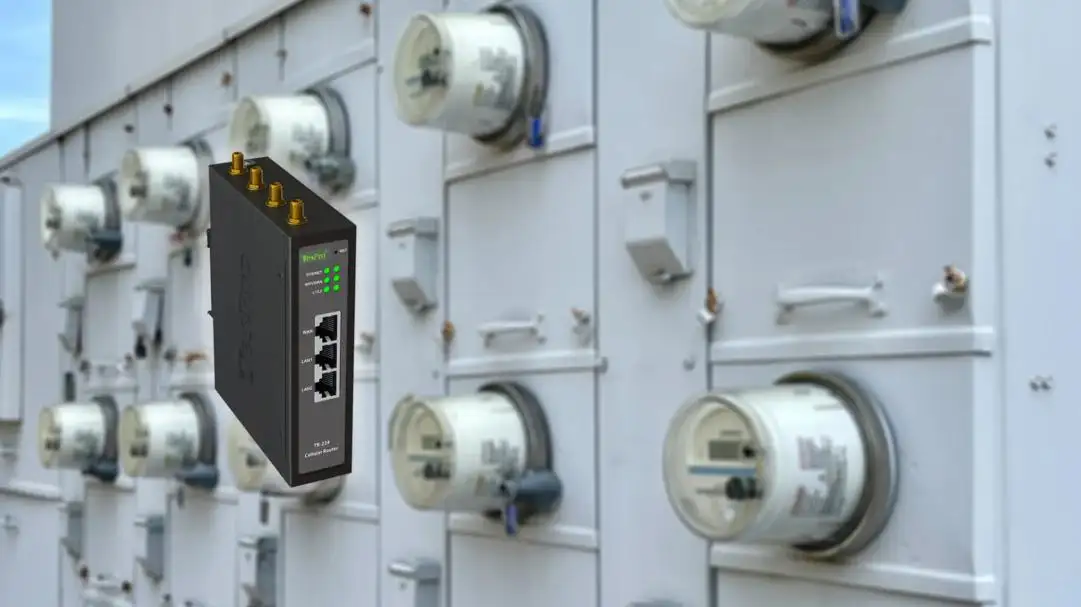

Industrial Router OEM decisions are no longer driven by speed alone. For buyers in utilities, smart campuses, transportation, industrial automation, and remote monitoring, the bigger concern is whether a router can keep data flowing when one network path fails or site conditions become unstable.
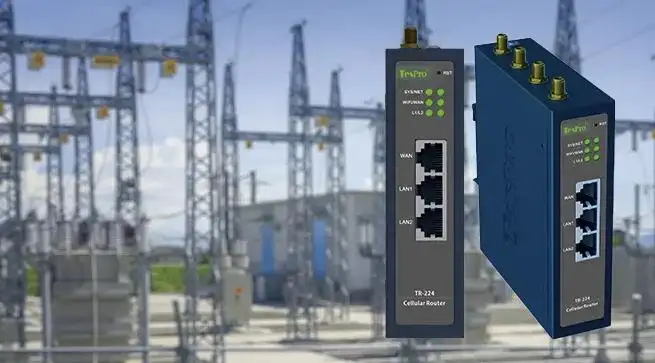
As Industrial IoT expands across more distributed and mixed-device environments, uptime has become a higher priority. In this setting, routers with multi-network support, interface flexibility, and centralized remote management often deliver more practical value than products promoted mainly around faster wireless speeds.
Speed Alone Does Not Solve Industrial Uptime Problems
In many industrial projects, downtime does not begin with a total system failure. It starts with smaller communication gaps. A field device drops its carrier signal. A wired link becomes unstable. A site cabinet experiences power variation. A remote location needs service, but onsite access is slow and expensive.
When that happens, high peak speed does not protect operations by itself. What matters more is connection continuity, path flexibility, and the ability to recover automatically. Verizon's 2025 study notes that businesses see LTE and 5G as essential in modern connected operations, but it also shows that IoT rollouts still depend on good integration, strong network design, and effective device management rather than bandwidth alone.
For procurement teams, that means an Industrial Router OEM should be assessed less like a consumer networking vendor and more like an infrastructure partner. The better question is not "How fast is this router?" but "How many real-world connectivity risks can this router reduce?"
Why Multi-Network Connectivity Matters More
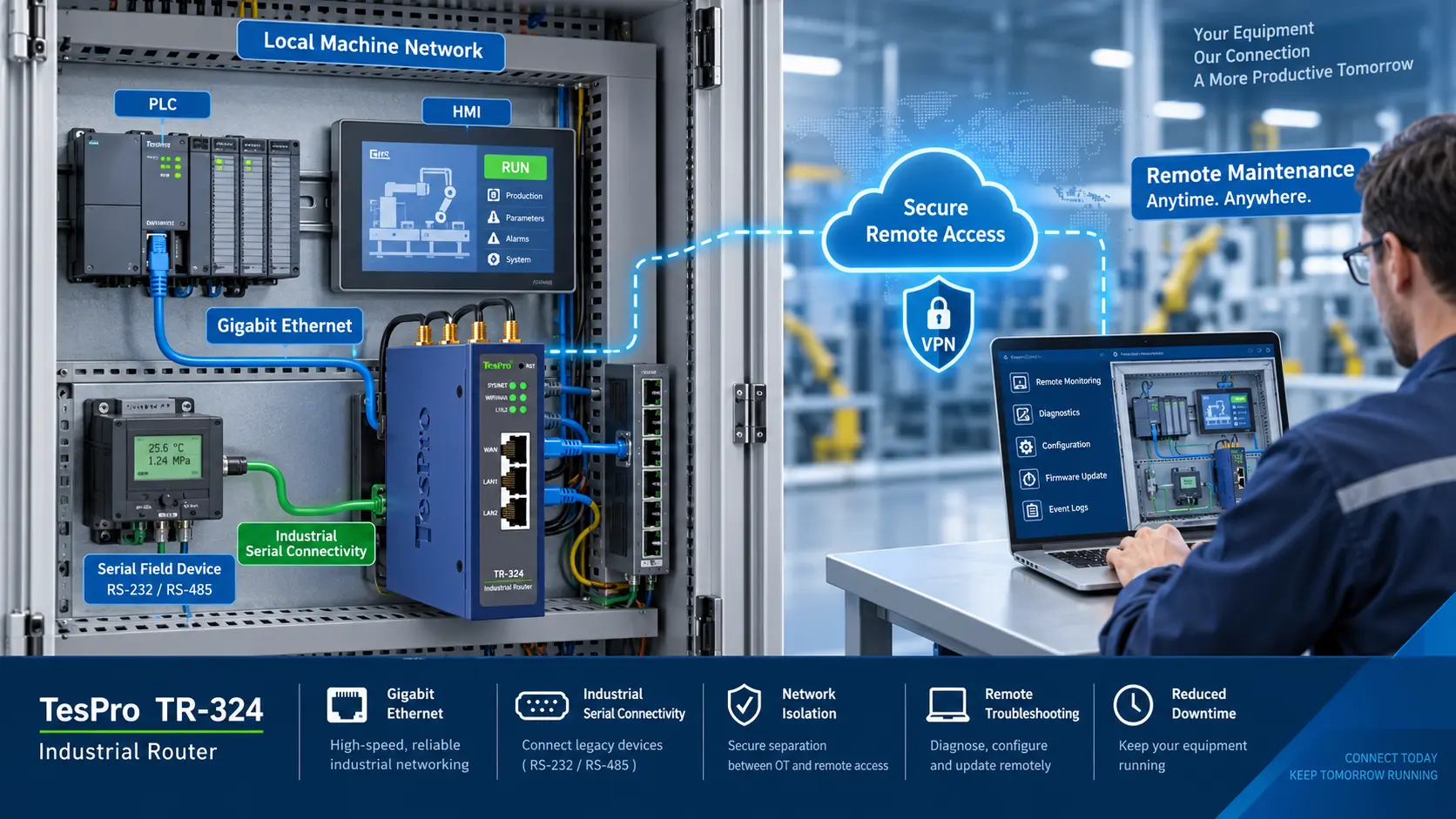
Tespro's industrial router materials show a clear emphasis on layered connectivity rather than a single-path design. The company highlights support across cellular generations from 2G to 5G, along with Ethernet, Wi-Fi, dual SIM capability, network failover, VPN-secured communication, industrial firewall functions, and remote cloud management. Tespro also positions its routers for utility, transportation, industrial Internet, and automation scenarios.
That matters because industrial networks rarely operate in a neat, uniform environment. A modern project may need to combine:
• Cellular access for remote reach
• Ethernet for fixed equipment and cabinet integration
• Wi-Fi for local flexibility or backup pathways
• Dual SIM standby for carrier redundancy
• VPN protection for secure remote communication
• Cloud-based management for distributed maintenance
This is the practical value of multi-network connectivity. It gives the deployment more than one way to stay operational when field conditions change.
Tespro specifically states that dual SIM and network failover are designed to provide backup when one cellular network disconnects. It also highlights cloud-based remote management and encrypted industrial communications as part of its value proposition.
Industrial Buyers Need Flexibility, Not a Single Perfect Network
Many overseas buyers are not building on blank-slate infrastructure. They are working inside mixed environments where old and new systems must run together. A utility project may include AMI or AMR devices, serial-connected equipment, cloud reporting, and field stations with different communication conditions from site to site. A smart campus or smart city deployment may combine cabinets, gateways, sensors, and control devices that do not all rely on the same access method.
This is why multi-network design is commercially stronger than a speed-only pitch. Tespro's portfolio language focuses not just on wireless access, but on plug-and-play protocol support, RS232/RS485 integration, and router use in applications that require secure, continuous communication between field devices and the cloud.
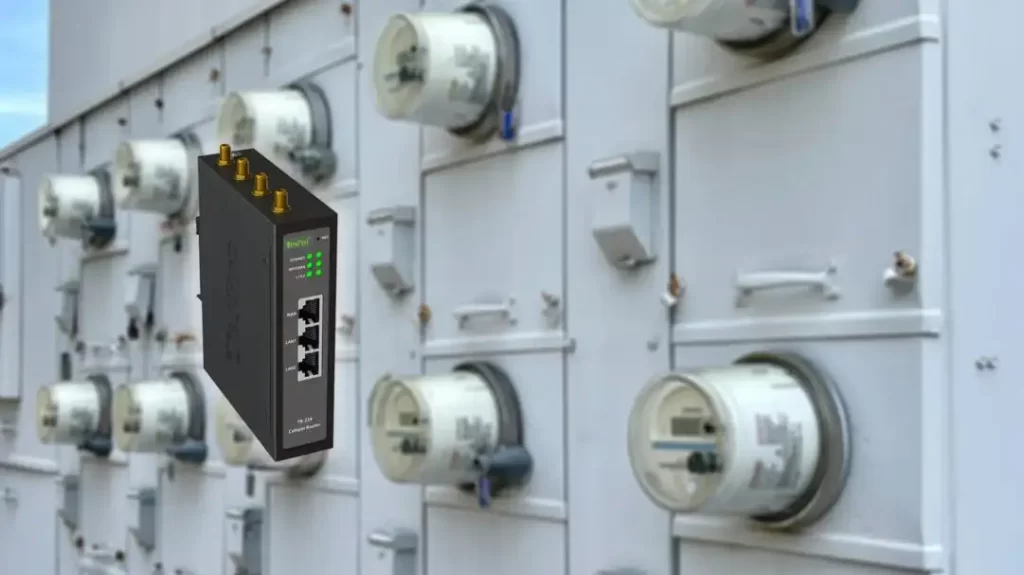
That approach aligns with broader market direction. GSMA notes that utility IoT continues to expand through smart metering and related infrastructure modernization, while Verizon's 2025 report shows that smart meters are the most common current energy-sector IoT use case among respondents.
So when buyers compare suppliers, a more useful standard is this: Can the router adapt across network types and deployment phases, or does it depend too heavily on one ideal connection scenario?
Tespro's Technical Direction Fits Current Market Demand
Tespro's advantage is not that it simply follows the 5G conversation. The stronger point is that it supports the broader operational reality behind that conversation.
First, Tespro supports mixed connectivity paths. That is valuable because industrial upgrades often happen in stages. Verizon's report makes clear that LTE remains highly relevant in business IoT even as 5G adoption grows, especially where lifecycle planning and broad device compatibility still matter.
Second, Tespro emphasizes remote management. In large projects, remote visibility is no longer a premium feature. It is part of the operating model. Engineering teams want to configure, monitor, and troubleshoot fleets without depending on repeated site visits. Tespro directly promotes a cloud management platform and remote management workflows for industrial deployments.
Third, Tespro addresses resilience instead of only speed. Its dual SIM, failover logic, wired and wireless integration, and security features are all more relevant to uptime than a headline throughput figure. That makes the offer easier to align with practical buyer concerns such as service continuity, field reliability, and lower maintenance burden.
Built for the Edge, Not Just the Spec Sheet
Another reason multi-network connectivity matters is that industrial networking happens at the edge, not in controlled office conditions. Tespro's industrial routers are designed for wide temperature operation, wide voltage ranges, rugged deployment conditions, and industrial-grade installation requirements. The company also underlines small-footprint mounting and efficient power use in its official product materials.
These details matter because a router is only as useful as its performance in the field. A high-speed connection means little if the hardware cannot handle installation constraints, unstable power conditions, or harsh environmental exposure. For industrial buyers, dependable deployment often depends on the combined value of:
• Environmental tolerance
• Stable power design
• Flexible network access
• Secure remote access
• Centralized lifecycle management
That is why a mature Industrial Router OEM should be judged on operational resilience, not just wireless speed claims.
What Buyers Should Ask Before Choosing an Industrial Router OEM
Before making a sourcing decision, overseas buyers should look beyond speed and ask a more relevant set of questions:
• Does the router support cellular, Ethernet, and Wi-Fi as part of one deployment strategy?
• What happens if one carrier or one connection path fails?
• Can the router connect legacy field equipment as well as newer cloud systems?
• How are remote monitoring, updates, and troubleshooting handled after installation?
• Is the hardware designed for harsh industrial environments and unstable power conditions?
These questions usually tell buyers more about long-term project value than a single data-rate claim.
As a leading Industrial Router OEM provider based in Tespro specializes in full-custom OEM/ODM solutions for global IoT importers, system integrators, and utility partners. With in-house R&D, ISO-certified manufacturing, and low MOQ flexibility, Tespro delivers industrial-grade routers with multi-network redundancy, rugged design, and white-label branding for smart metering, transportation, renewable energy monitoring, and distributed IoT projects worldwide. Our Tespro production and technical support ensure stable supply, fast customization, and reliable after-sales service for cross-border B2B buyers.
Final Thought
The strongest Industrial Router OEM story in today's market is not about raw speed in isolation. It is about reliable connectivity across unpredictable industrial conditions. Tespro's focus on cellular-to-Wi-Fi-to-Ethernet flexibility, dual SIM failover, VPN-secured communication, remote management, and industrial-grade deployment features shows a technical direction that fits how utilities, campuses, industrial sites, and smart infrastructure are actually evolving. In real industrial networking, the router that keeps the system connected is often far more valuable than the router that only looks faster on paper.
FAQ
1. Why is multi-network connectivity important in an industrial router?
Multi-network connectivity gives industrial deployments more than one communication path. In real field conditions, a single connection method may become unstable because of carrier issues, wiring problems, or environmental interference. An industrial router that supports cellular, Ethernet, and Wi-Fi can improve continuity and reduce the risk of communication loss.
2. Is raw speed still important when choosing an Industrial Router OEM?
Speed still matters, but it is usually not the main factor in industrial projects. For most buyers, stable uptime, secure communication, failover capability, and remote maintenance are more valuable than peak throughput. A router with strong resilience often creates better long-term project value than one promoted mainly for higher speed.
3. What is the benefit of dual SIM in industrial router deployments?
Dual SIM helps improve carrier redundancy. If one cellular network becomes unavailable or unstable, the router can switch to another SIM path and maintain communication. This is especially useful in remote monitoring, utility cabinets, transportation systems, and distributed industrial sites where service interruption can increase maintenance cost.
4. Can an industrial router work with both legacy devices and modern cloud platforms?
Yes. Many industrial projects require communication between older field equipment and newer digital systems. An industrial router with support for interfaces such as RS232, RS485, Ethernet, and cloud-based management can help bridge this gap and make phased upgrades more practical.
5. Why do overseas buyers care about remote management features?
Remote management reduces the need for repeated onsite visits. It allows engineering or maintenance teams to monitor device status, adjust settings, push updates, and troubleshoot problems from a central platform. For large or geographically distributed projects, this can improve response speed and lower operating costs.