-1791966549842.webp)





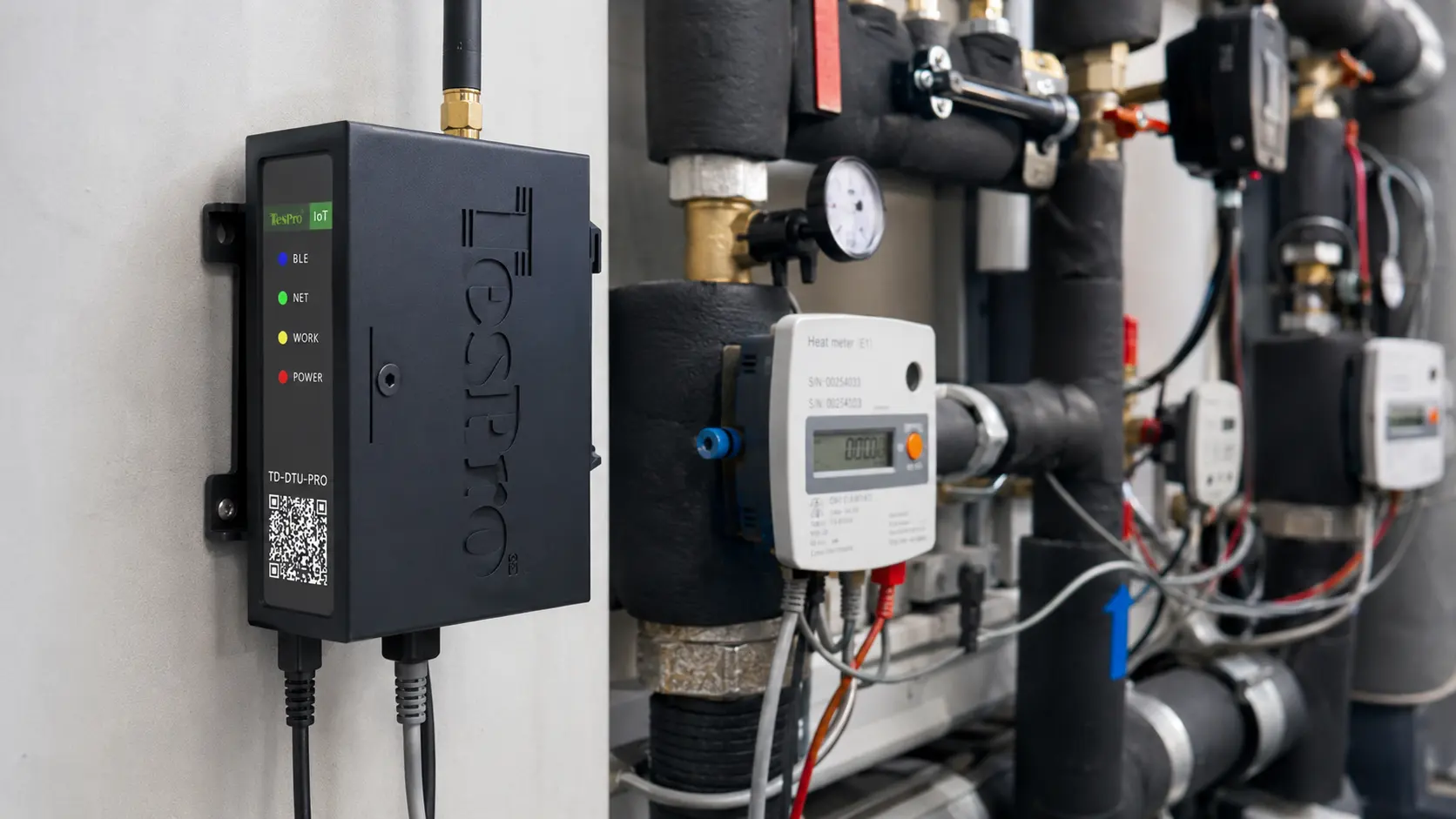

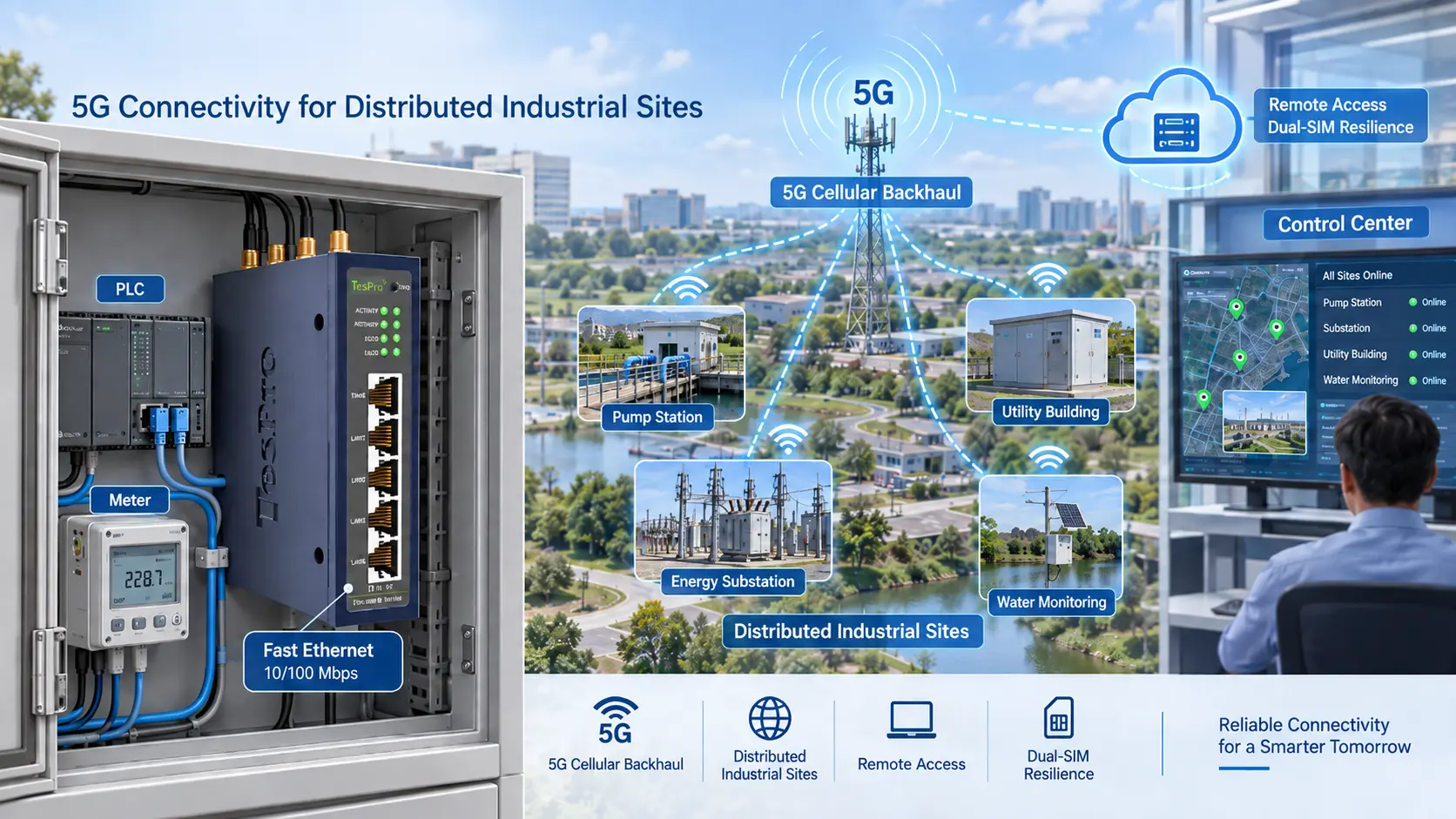
Legacy meter retrofit is not only about protocol compatibility — connectivity also matters, especially for projects that span different countries, operators, and rollout stages. Tespro's DTU is designed for 2G, 3G, 4G, and 5G networks and adapts to frequency band requirements across countries and regions. This flexibility is valuable given that global communication conditions remain highly uneven, even as the mobile ecosystem evolves toward newer network generations and broader enterprise connectivity.
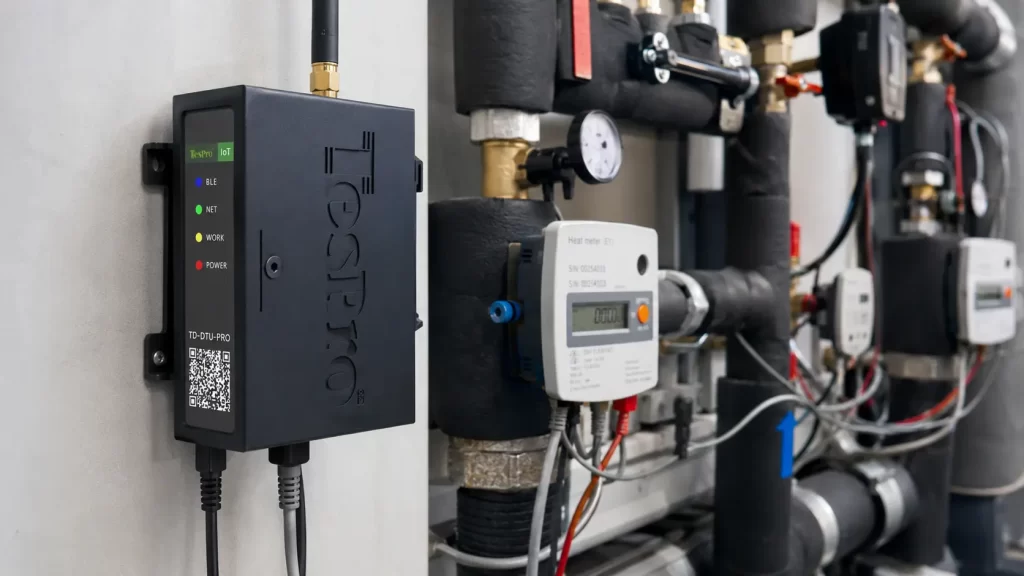
For customers with cross‑regional deployments, this flexibility contributes to project resilience. The same deployment strategy can be tailored for different communication environments, users can choose the best local communication cards and data plans, projects can proceed even when old and new network conditions coexist, multi‑network support extends deployment relevance, and international projects become easier to standardize around one communication concept. This makes Tespro's DTU more than a transmission endpoint — it becomes a practical bridge between legacy field devices and modern cellular infrastructure.
How long can the built‑in battery of Tespro DTU support data collection and reporting in remote scenarios without external power?
Battery life depends on data reporting frequency and operating mode. With one report per hour, the high‑capacity battery can support normal operation for several days to weeks. With low‑power mode and longer intervals, battery life can extend to months. Specific parameters can be configured based on project requirements.
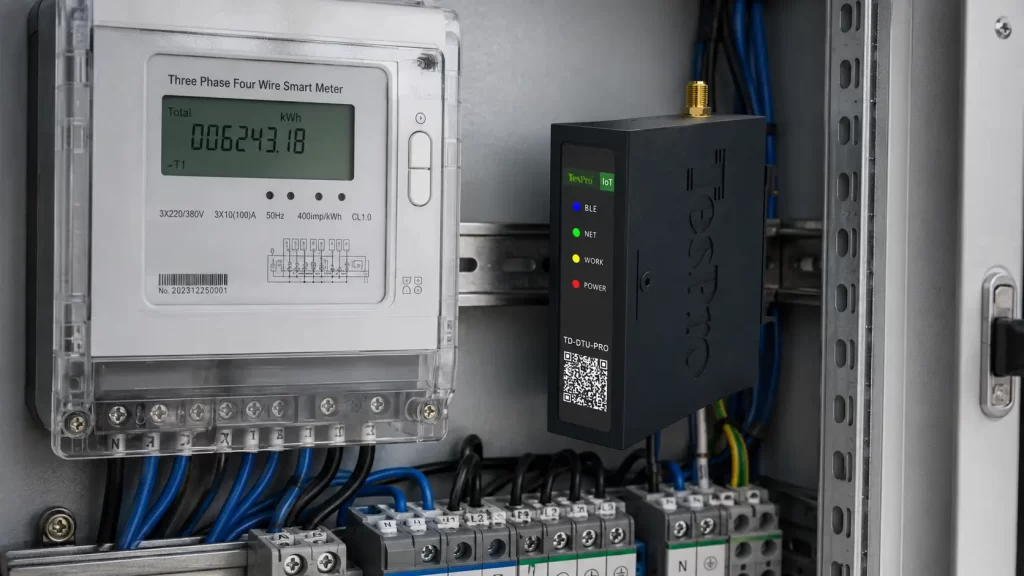
Another reason retrofit strategies are attractive is that many legacy metering sites are not easy to redesign for power access. Adding new power infrastructure quickly inflates project costs. Tespro addresses this with a version featuring a built‑in high‑capacity battery, enabling remote data collection and transmission where external power is unavailable, while GNSS positioning improves visibility in distributed field deployments. This expands the solution's value: isolated utility assets can support connectivity without external power, installation is simplified by avoiding power‑related construction, battery operation provides a practical option for temporary monitoring or phased rollout, harder‑to‑service locations become realistic candidates for digital upgrades, and more assets can be included in remote reading plans instead of remaining offline. For many buyers, this is where retrofit becomes especially compelling — the best upgrade is often the one that works within site constraints rather than demanding an ideal installation environment.