-1791966549842.webp)





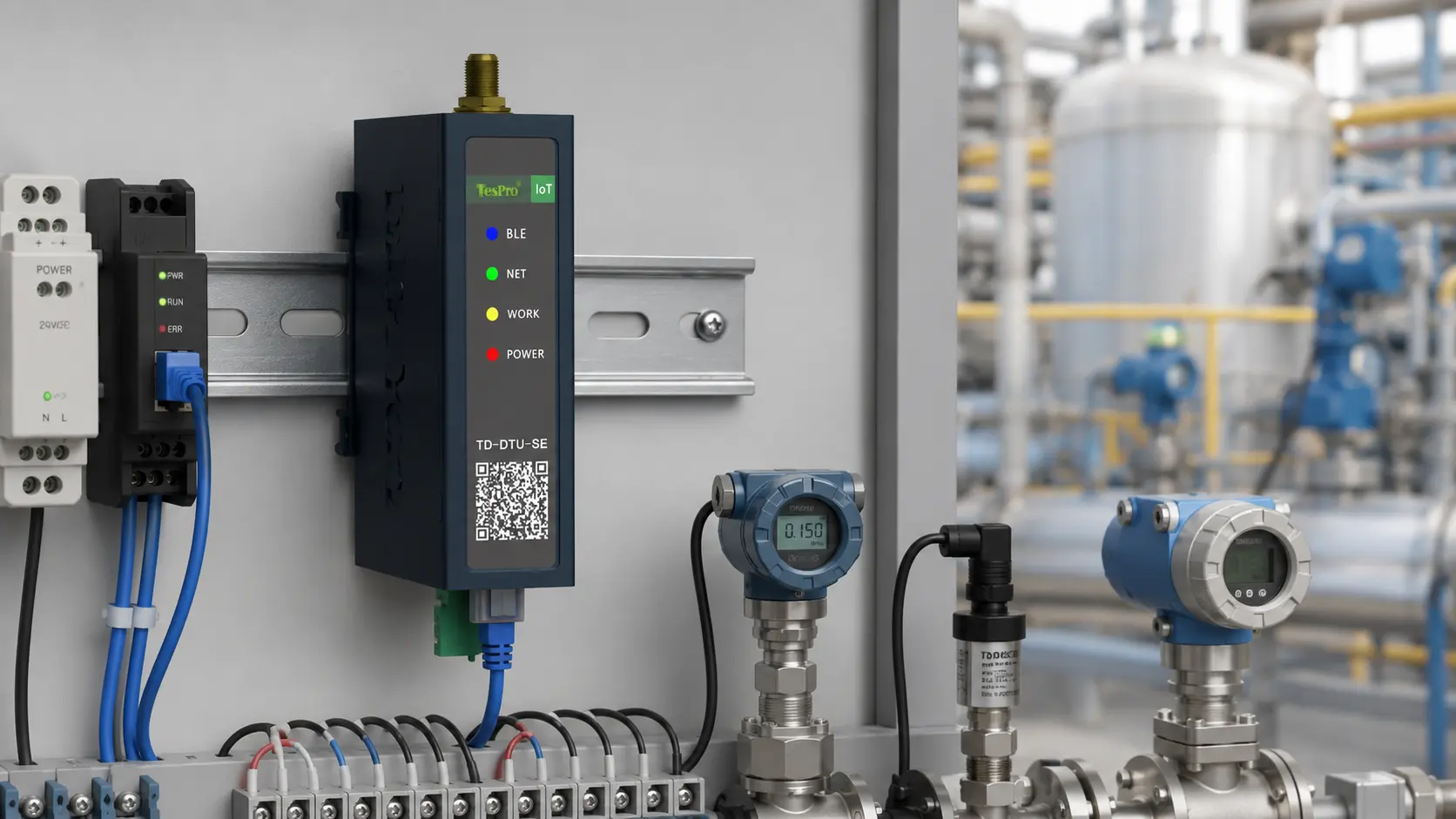

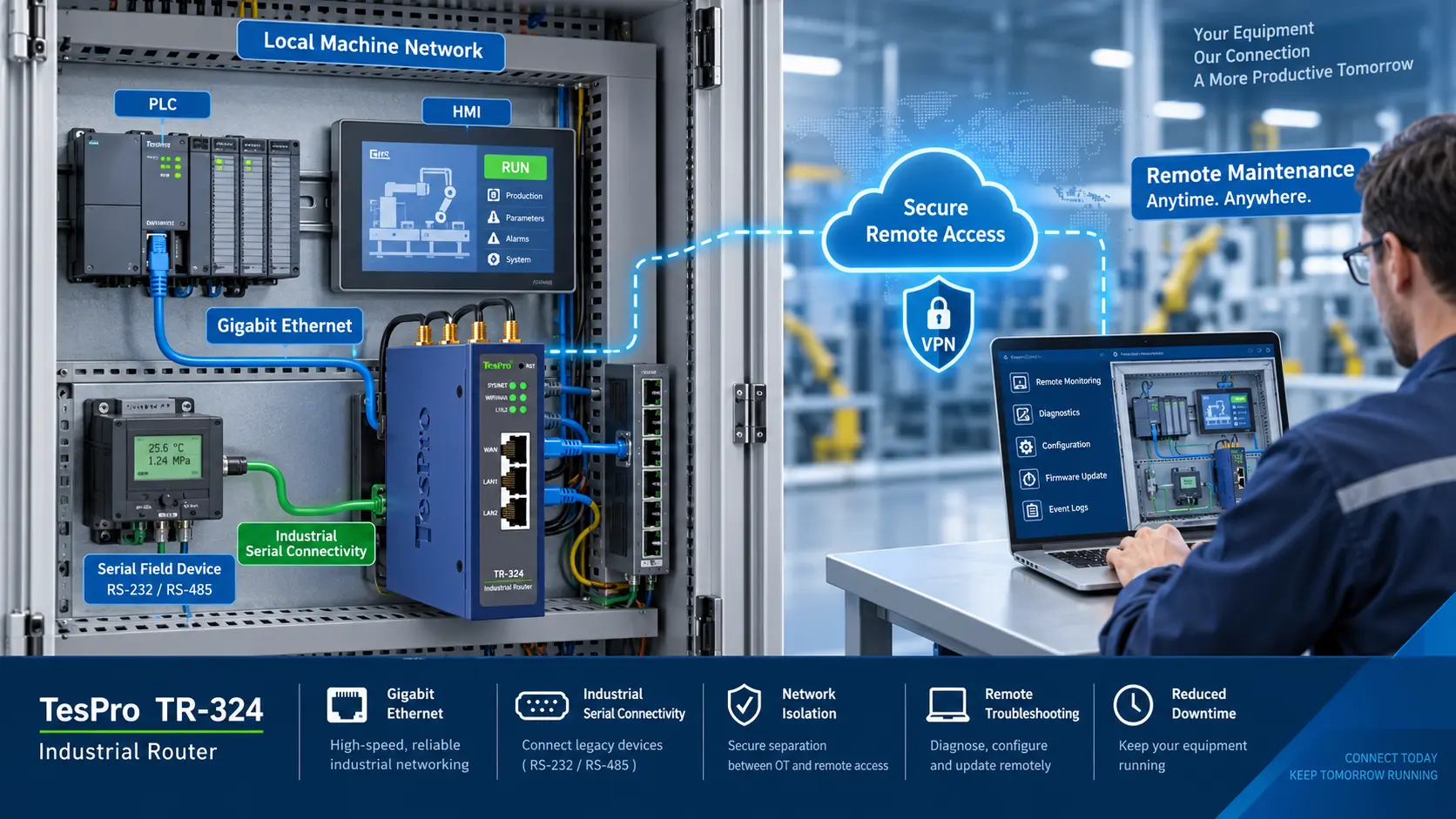
For large utilities managing thousands or even tens of thousands of DTUs, on‑site maintenance costs are the largest component of operational expenditure. Each on‑site service visit — whether to replace a faulty device or adjust configuration parameters — consumes vehicle fuel, engineer time, and travel hours. Tespro's data transfer unit significantly reduces on‑site maintenance needs through its cloud management platform, which makes remote diagnostics a standard feature. Operations teams can view each DTU's signal strength, last successful transmission time, firmware version, and battery level on the platform in real time, assessing device status without on‑site visits. When communication anomalies occur at a site, engineers can remotely check signal quality, attempt device reboots, or review recent communication logs — often resolving problems without leaving the office.
The cloud platform's remote configuration update capability is another key efficiency driver. Under traditional operations models, modifying DTU data reporting frequency or server addresses required engineers to visit sites with laptops, connecting via serial cables to configure devices — an almost impossible task for deployments with thousands of DTUs. Tespro's cloud platform supports over‑the‑air configuration updates, allowing operations teams to batch‑select devices requiring modification and push new parameters to all devices at once. Similarly, firmware upgrades can be completed in batch via the cloud, ensuring all devices run identical versions and avoiding compatibility issues from version inconsistency. The platform also supports fully customizable heartbeat and registration packets, allowing users to set transmission intervals, data formats, and server addresses based on closed network requirements such as utility private APNs.
How many on‑site service visits can Tespro DTU remote diagnostics reduce, and what remote operations does the cloud platform support?
Based on actual project statistics, remote diagnostics reduce on‑site service visits by 40 to 60 percent. The cloud platform supports real‑time viewing of signal strength, communication status, battery level, and firmware version, as well as remote configuration modification, over‑the‑air firmware upgrades, heartbeat packet customization, and remote fault log retrieval.
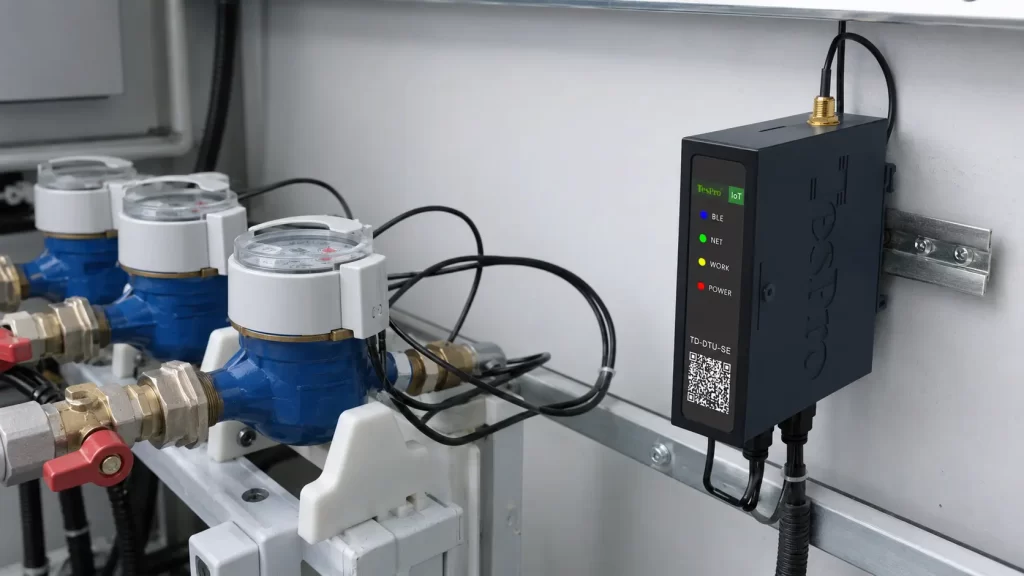
For DTUs distributed across different geographic locations, the cloud management platform's centralized management capability greatly improves operations team efficiency. The platform offers device grouping and tagging features, allowing classification by zone, meter type, installation date, and other dimensions. Alert functionality automatically notifies relevant personnel when devices go offline, experience signal anomalies, or have low battery, supporting SMS, email, and in‑platform messaging. Operations teams can set alert thresholds and rules — for example, triggering alerts when signal strength remains below a threshold for 24 hours, or escalating alert levels when devices remain offline beyond specified times. Combined with device GPS location information, the platform also displays the distribution and status of all DTUs on a map, facilitating operations dispatch. For utility companies expanding AMI deployment scale, choosing DTUs with robust remote diagnostic and management capabilities means managing more metering points without significantly expanding operations team size, achieving economies of scale.