-1791966549842.webp)





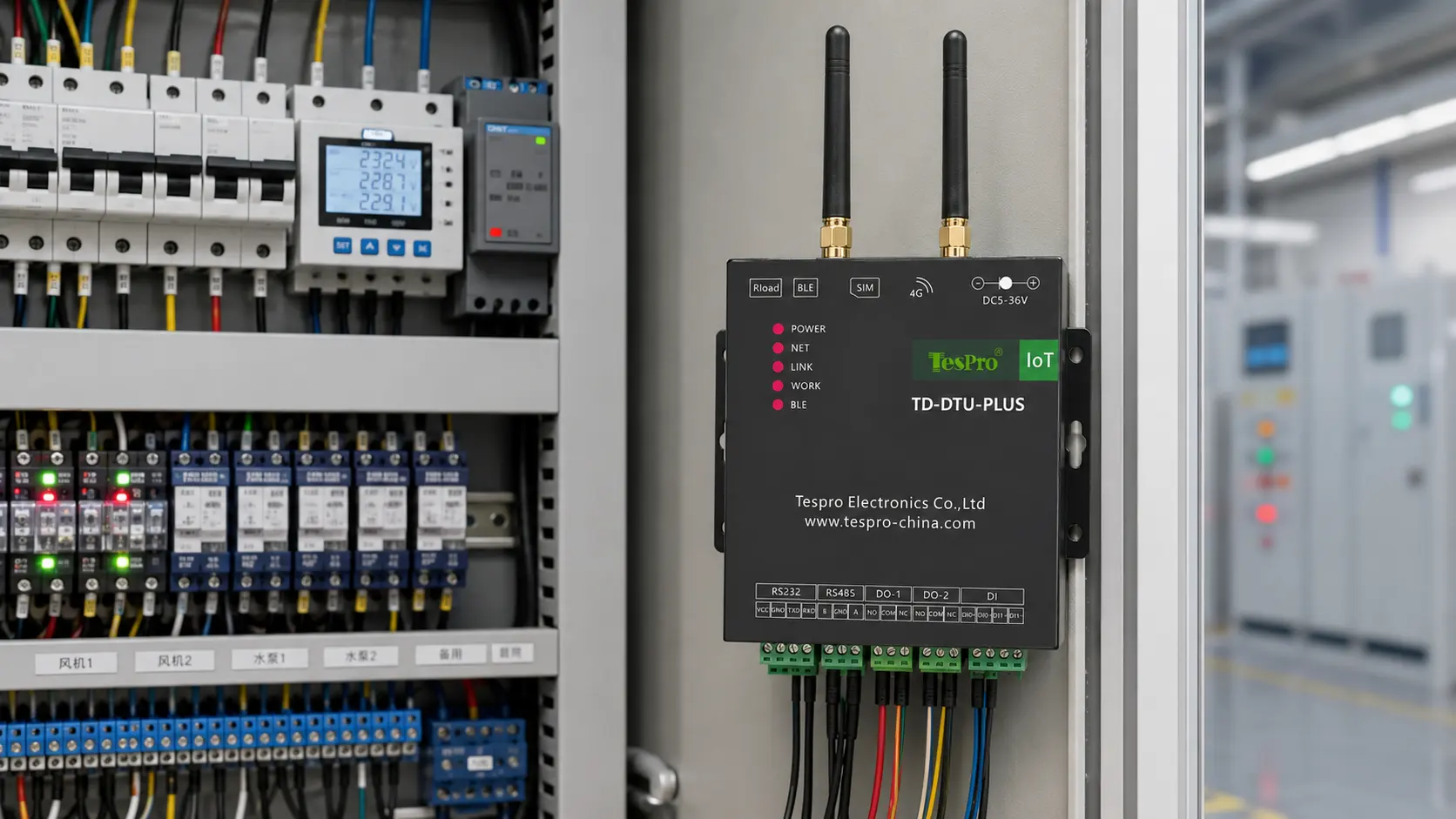

By 2026, utilities and industrial operators will face a fragmented network world. Some countries still rely on 2G for rural metering, others have moved entirely to 4G Cat‑1 bis, and early adopters are testing 5G slices for grid automation. For multinational utility groups or system integrators providing metering solutions across multiple countries, this network fragmentation presents serious challenges: a DTU that works well in one country may fail to register on networks in another due to missing specific LTE bands. Tespro's data transfer unit fundamentally solves this problem with multi‑mode all‑network design. It supports 2G, 3G, 4G, and optional 5G bands, and uses standard mini‑PCIe replaceable communication modules, allowing users to select the appropriate communication card for their target country's band requirements without replacing the entire device.
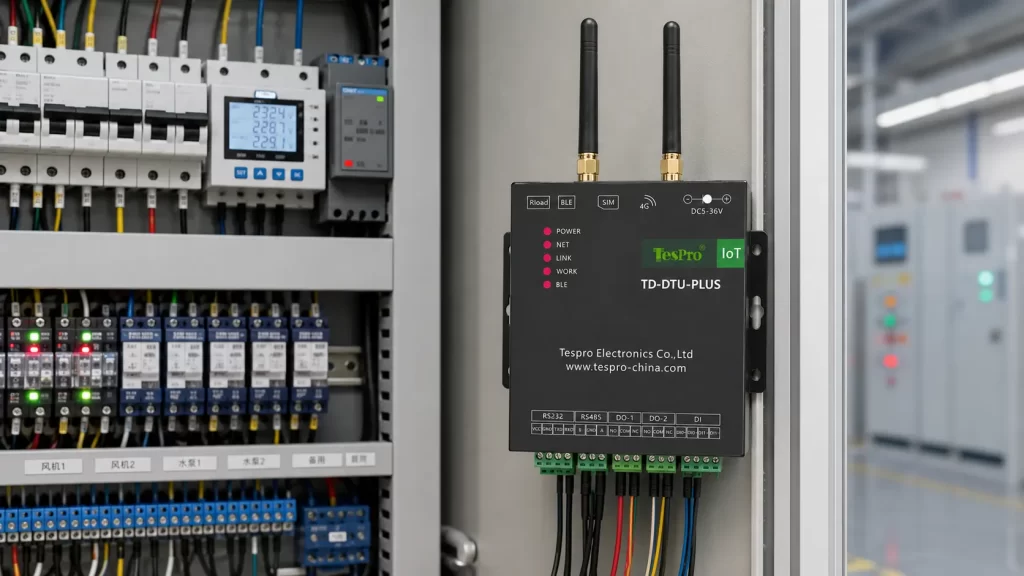
The reality of global network fragmentation means that one incompatible band can kill a deployment. A DTU missing a regional LTE band forces expensive retrofits or complete replacements. Tespro's DTU has been pre‑tested with major global carriers including Verizon, Vodafone, China Mobile, and Deutsche Telekom, supporting the vast majority of 4G LTE bands across Europe, Asia, the Middle East, and the Americas, while retaining 2G and 3G fallback capabilities. The automatic fallback sequencing feature is highly practical: if 4G signal drops below a configurable threshold, the device automatically reverts to 2G or 3G, logging the event in the cloud with no data loss and no manual reboot. For field engineers in remote substations, this means the same DTU works in Manila, Nairobi, or rural Poland — just insert a local SIM and let auto‑APN detection handle the rest.
How does the Tespro DTU handle the fragmented reality of coexisting 2G, 3G, 4G, and 5G networks across different countries? Can the same device work across different countries?
The Tespro DTU uses multi‑mode all‑network design, supporting 2G through 5G with replaceable mini‑PCIe communication modules. The same hardware can adapt to different country band requirements by swapping the communication module, and automatic fallback ensures seamless switching during network degradation — achieving cross‑country hardware compatibility.
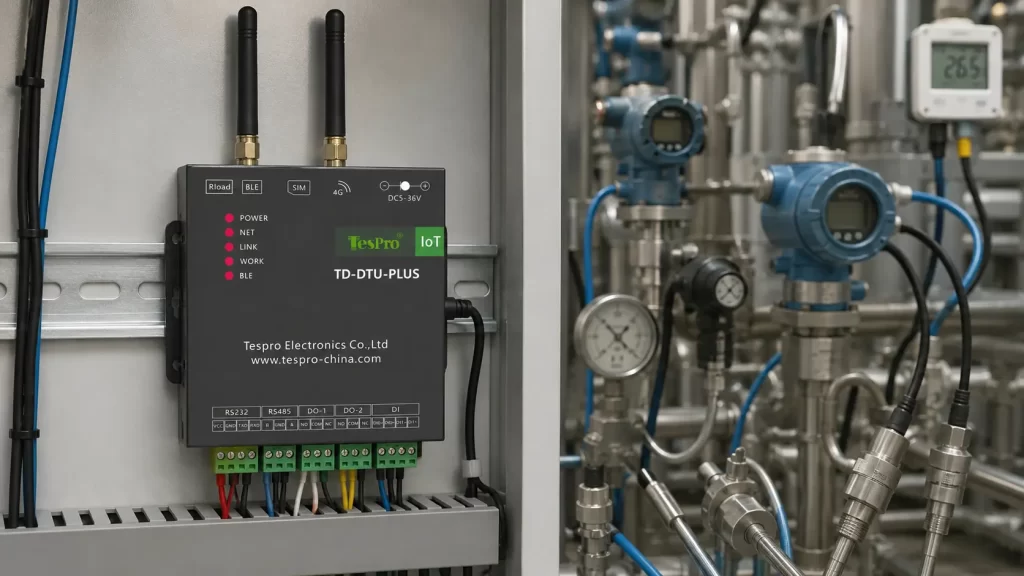
A realistic use case: a water utility in Southeast Asia uses 2G for 70 percent of its meters but plans to migrate to 4G by 2028. Tespro's DTU runs on 2G today, and when the operator refarms spectrum, the same hardware upgrades to 4G via a card swap — no truck roll to replace enclosures. For countries and regions in the midst of network generation transitions, this design means devices will not become obsolete as carriers upgrade their networks, protecting upfront capital investment. The cloud management platform provides real‑time visibility, allowing operations teams to remotely view each DTU's registration status, current network generation, and signal strength, promptly identifying potential coverage issues.