-1791966549842.webp)





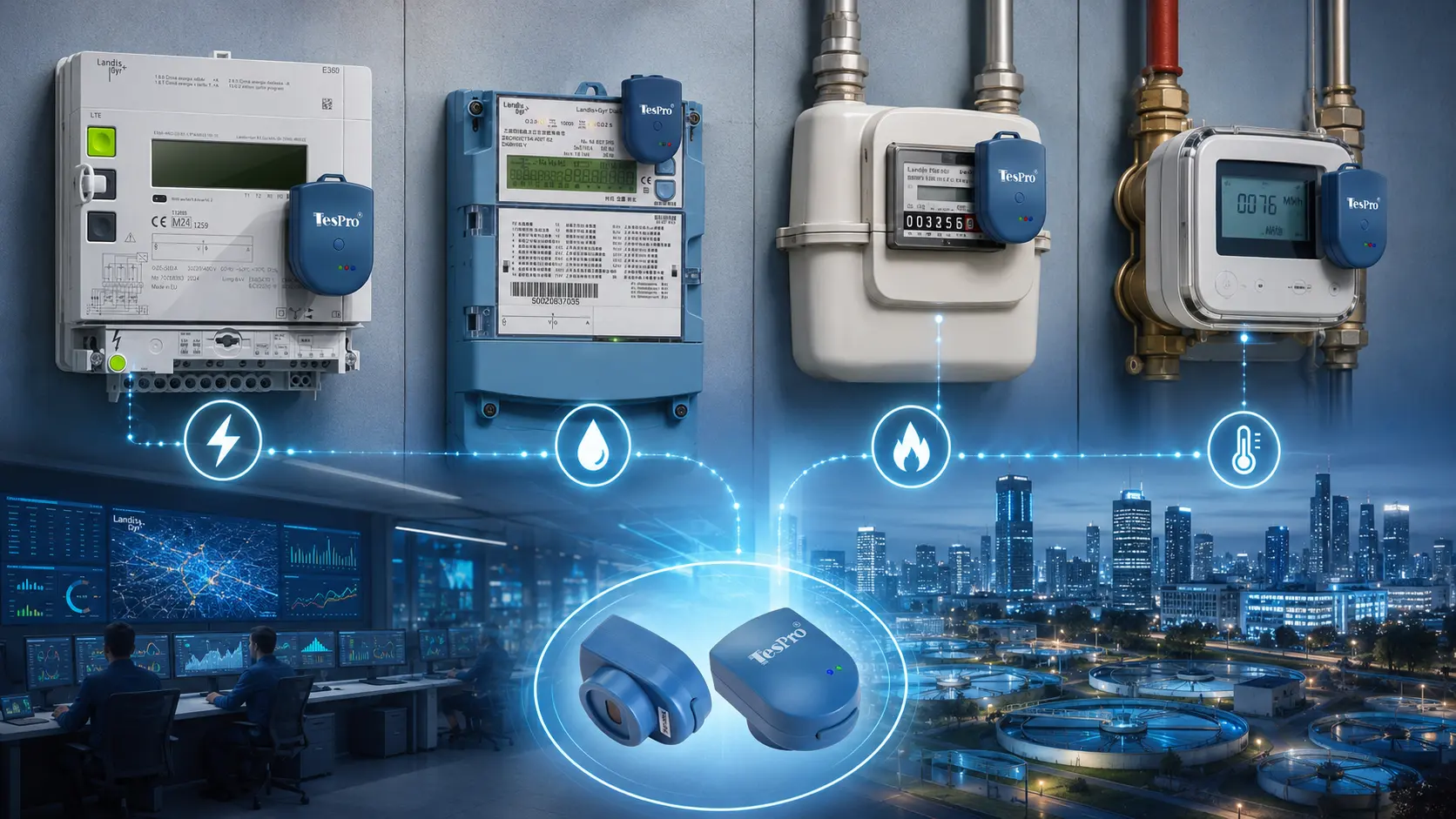

The core purpose of a Bluetooth optical probe is to make field meter reading work easier. But in different work scenarios, it solves different specific problems.
When many front-line meter readers first encounter a Bluetooth optical probe, they ask: is this just about not having to plug in a cable? The answer is that it goes far beyond that. It solves multiple pain points in the entire workflow.
I. Solving the Cable Restriction Problem
This is the most obvious value of a Bluetooth optical probe.
The work scenario with a traditional wired optical probe goes like this. The meter reader carries a laptop, takes out a data cable, plugs one end into the computer and the other into the optical probe, walks to the meter, attaches the probe, and then crouches there operating the computer to read the data. Throughout the process, the person and the meter are tied together by a one or two meter long cable. If the meter is mounted high, the person has to hold the computer up or stand on a ladder. If the meter is mounted in a narrow pit, the person has to crawl into a tight space to connect the equipment.
The scenario with a Bluetooth optical probe is completely different. The meter reader carries only a phone and an optical probe. Walk to the meter, attach the probe magnetically, step back to a comfortable position, open the mobile app, and click read. The data appears on the phone screen within seconds. No need to crouch, no need to hold up a computer, no need to be restricted by a cable.
Feedback from one power company showed that after switching to Bluetooth optical probes, the average reading time per meter dropped from several minutes to tens of seconds. For meter readers who need to read hundreds of meters per day, this not only saves time but also greatly reduces physical fatigue.
II. Solving the Bulky Equipment Problem
Traditional meter reading requires carrying a laptop, an optical probe, a data cable, spare batteries, and possibly a charger. The whole set weighs several kilograms, and the backpack is large and heavy. Meter readers walking outdoors all day have a heavy burden.
A Bluetooth optical probe works with a phone. The phone is already carried anyway. Adding an optical probe adds only tens of grams and fits easily in a pocket. No laptop, no data cable, no dedicated handheld terminal needed. The meter reader's backpack turns from equipment bag into a normal everyday bag, greatly reducing physical load.
For meter reading scenarios that require walking, this weight reduction directly translates into improved work efficiency and personnel satisfaction.
III. Solving the Difficulty of Working at Heights and in Tight Spaces
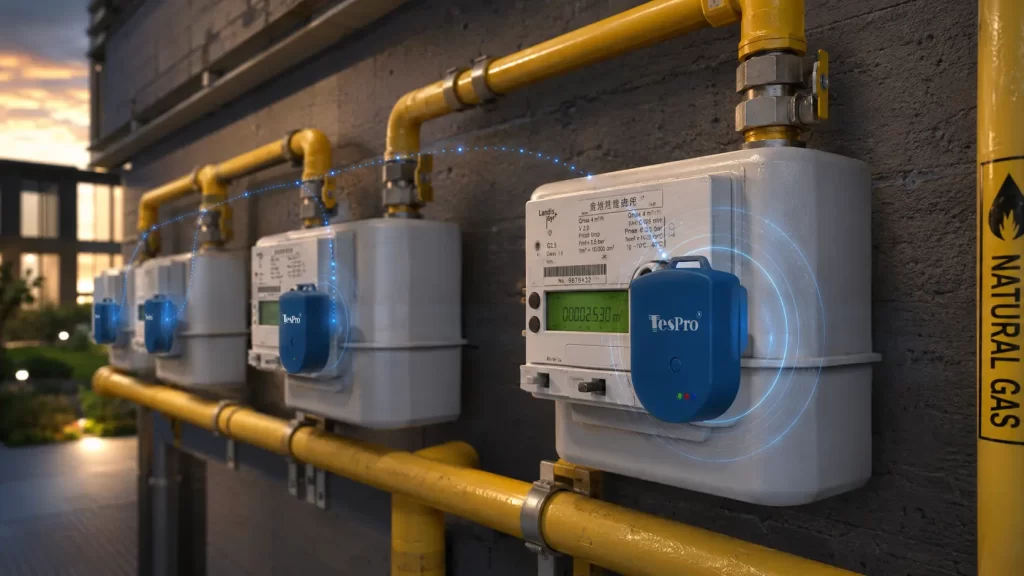
It is very common for electricity meters to be mounted high. Residential building meter boxes may be on high stair landings. Commercial and industrial customer meters may be mounted on walls several meters high. With a wired optical probe, the meter reader needs to stand on a ladder, hold the probe in place with one hand, and operate the computer with the other. It is neither safe nor convenient.
A Bluetooth optical probe changes this situation. The meter reader climbs the ladder or uses a telescopic pole to attach the probe to the meter, then comes down to a safe position on the ground and reads the data with the phone. The person does not need to stay at height for a long time, greatly reducing safety risks.
The same applies to tight spaces. A meter may be mounted in a narrow pipe trench or equipment room where a person can barely reach in but cannot fit their whole body. With a Bluetooth optical probe, reach in to attach the probe, then step back and read with the phone. The problem is solved.
IV. Solving the Problem of Multiple Protocol Meters
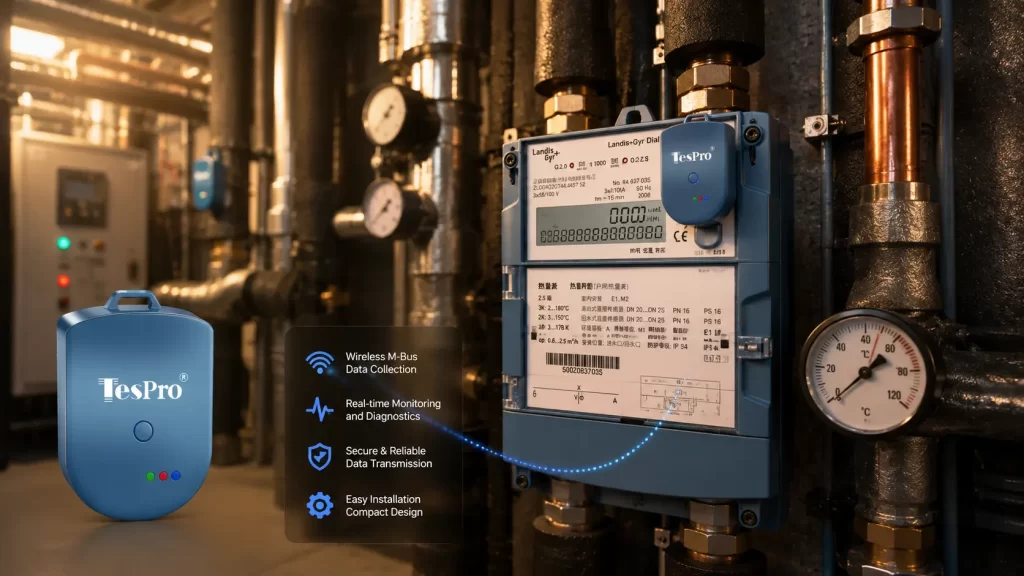
Many meter readers face this problem. Meters of different brands and from different countries use different communication protocols. Some use DL/T645, some use IEC1107, some use ANSI. If the optical probe only supports one protocol, the reader needs to carry multiple probes, or may find on site that they brought the wrong one.
A good Bluetooth optical probe, such as Tespro's product, has built-in parsing capabilities for multiple mainstream protocols. The meter reader does not need to worry about which protocol the meter uses. Just attach the probe, and the mobile app will automatically identify and read the data. One probe covers most common meters, greatly reducing the chance of on-site errors.
For technicians who need to handle multiple meter types, this is a real efficiency improvement.
V. Solving the Problem of Error-Prone Field Recording
The traditional meter reading process goes like this. Read the meter data, write it down by hand on a paper record sheet, then go back to the office and enter it into the computer. This process has two problems. First, handwriting is prone to transcription errors. One wrong digit can cause significant trouble later. Second, double entry is time-consuming and may introduce new errors.
When a Bluetooth optical probe is used with a mobile app, data can be captured electronically on site. The read data appears directly on the phone screen, and a confirmation click saves it directly to the phone. Some apps also support on-site photos, GPS location, notes, and other functions. Back at the office, the data can be exported directly or synchronized to the backend system without double entry.
This not only reduces errors but also saves the time of transcription and data entry. The meter reader's work for the day can be closed out the same day.
VI. Conclusion
The uses of a Bluetooth optical probe can be summarized in five areas. First, freedom from cables, allowing the meter reader to operate from a comfortable position. Second, reduced equipment weight, using a phone instead of a laptop to lower physical load. Third, solving the difficulty of working at heights and in tight spaces, eliminating the need to stay in dangerous or awkward positions for long periods. Fourth, multi-protocol compatibility, allowing one probe to cover multiple meter types and reducing the number of devices to carry. Fifth, on-site electronic data capture, avoiding handwriting errors and double entry. If your team needs to perform frequent field meter data collection, a Bluetooth optical probe is a low-cost but high-benefit tool.