-1791966549842.webp)





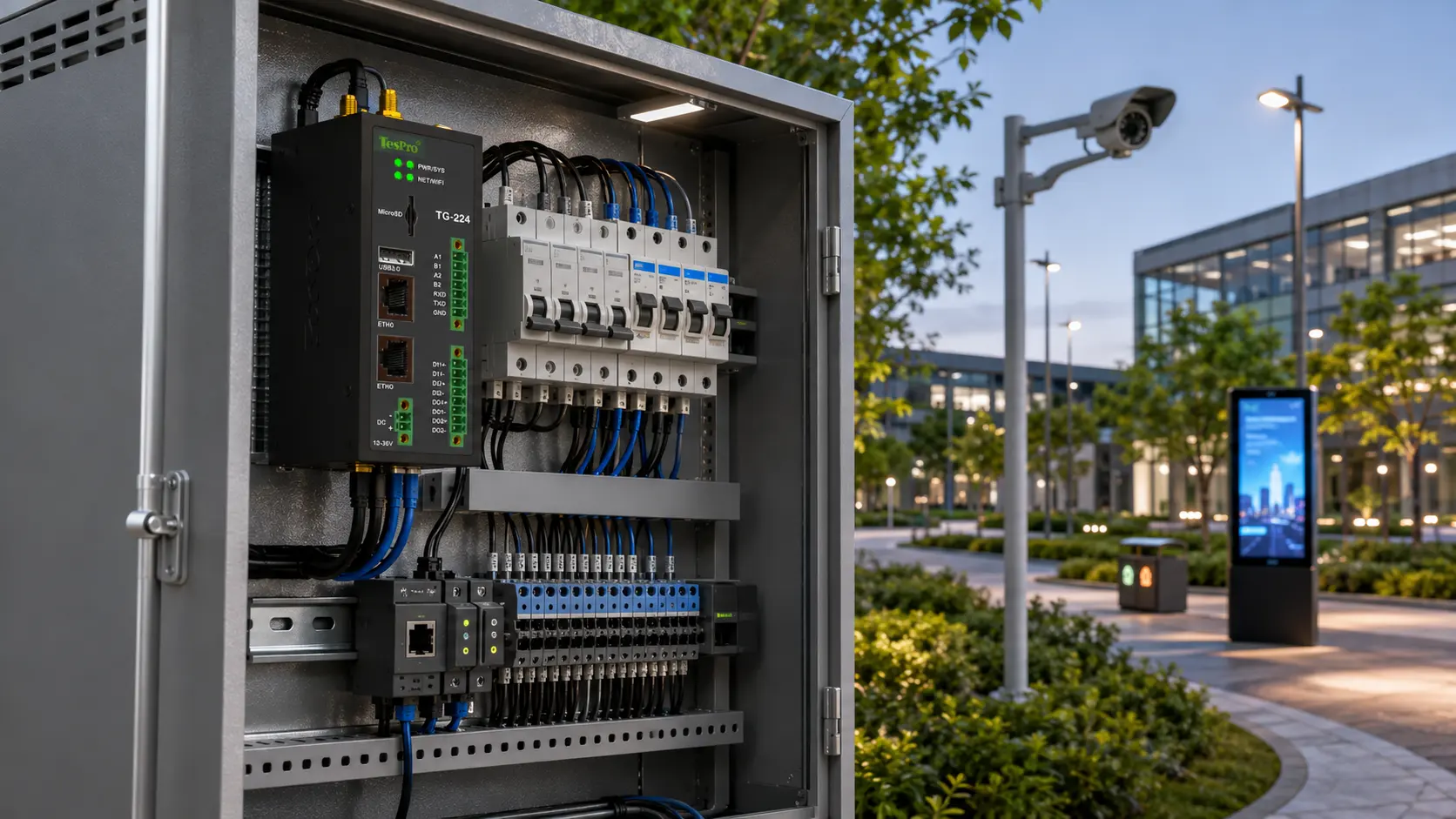

Innovative urban mobility programs are moving from pilot and proof‑of‑concept deployments to full operational programs. The choice of connectivity hardware is critical because the smart city 4G/5G gateway must include backward and forward compatibility, certification readiness, lifecycle support, and security compliance. Different verticals have varying gateway requirements, so buyers must evaluate based on specific application scenarios. For smart traffic and V2X, cloud integration for vehicle and road systems requires latencies below 20 milliseconds. Autonomous vehicle systems must support real‑time video uploads and provide deterministic signaling to cloud systems. The 5G‑A network deployed at the Jiangsu Football City League opening ceremony has already demonstrated that sub‑10 ms latency enables robot traffic police to perform zero‑error collaborative policing in dense pedestrian and vehicle flows — live implementations relying entirely on underlying gateways to bridge edge devices, local processing nodes, and centralized platforms.
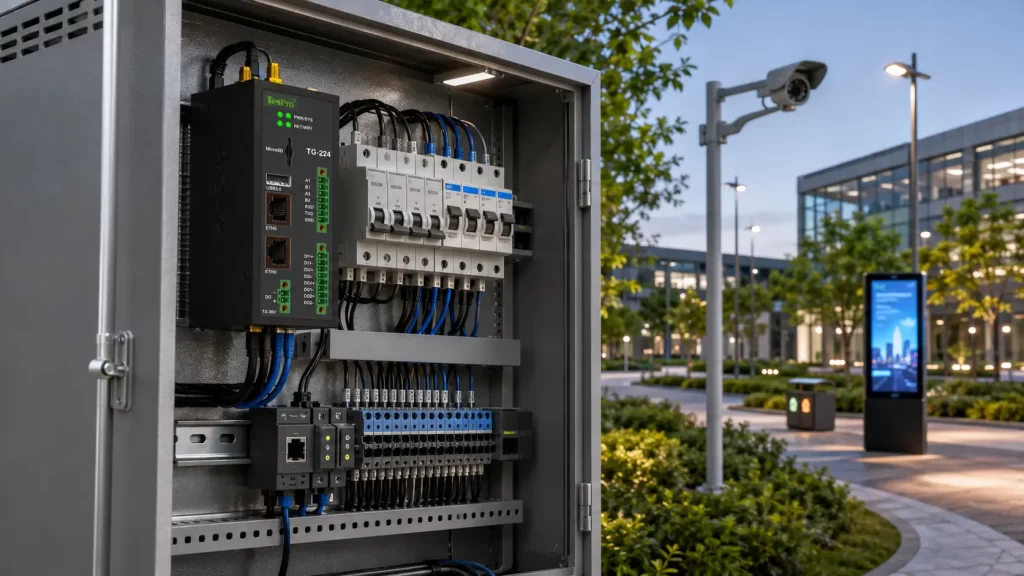
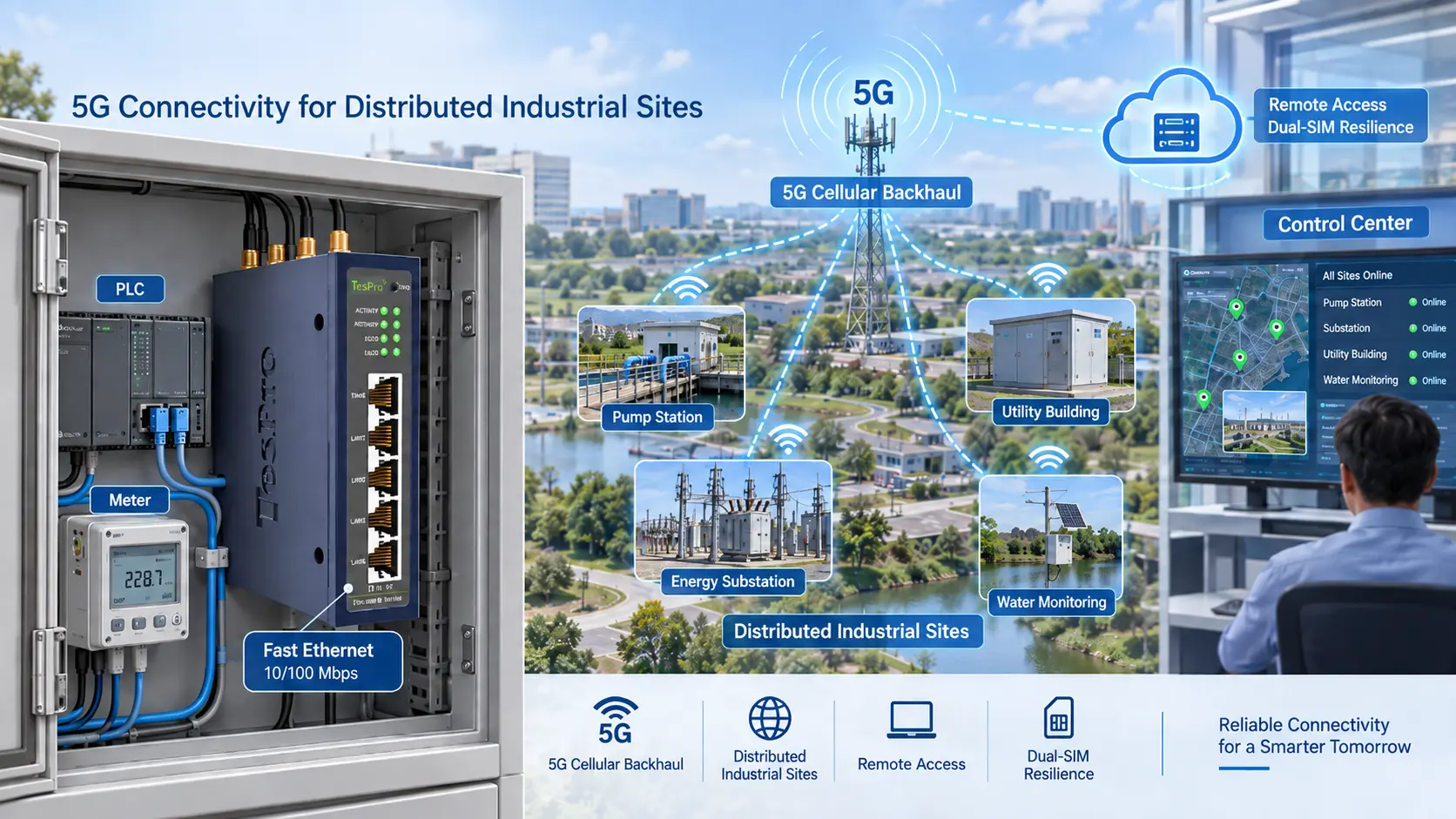
For utility and AMI/AMR networks, enhanced IoT band design and utilization help provide continuous and secure connectivity across large regions while accommodating battery‑powered field device limitations. Utilities are adopting layered hybrid communication networks that match different transports to different use cases — RF mesh for low‑power endpoints, cellular for high‑bandwidth backhaul, and private LTE for latency‑sensitive distribution automation. Gateways that support this architectural flexibility without forcing lock‑in to a single connectivity standard are essential. For public safety and surveillance, high‑bandwidth uplinks supporting 4K video streams and low jitter for real‑time monitoring are needed. Edge storage and failover connectivity ensure uninterrupted operations even with network disruptions. For smart building and campus management, integrating HVAC, lighting, access control, and occupancy sensors simplifies system deployment and reduces operational costs.
Are Tespro gateways certified for outdoor or hazardous environments, and what technical parameters should buyers evaluate?
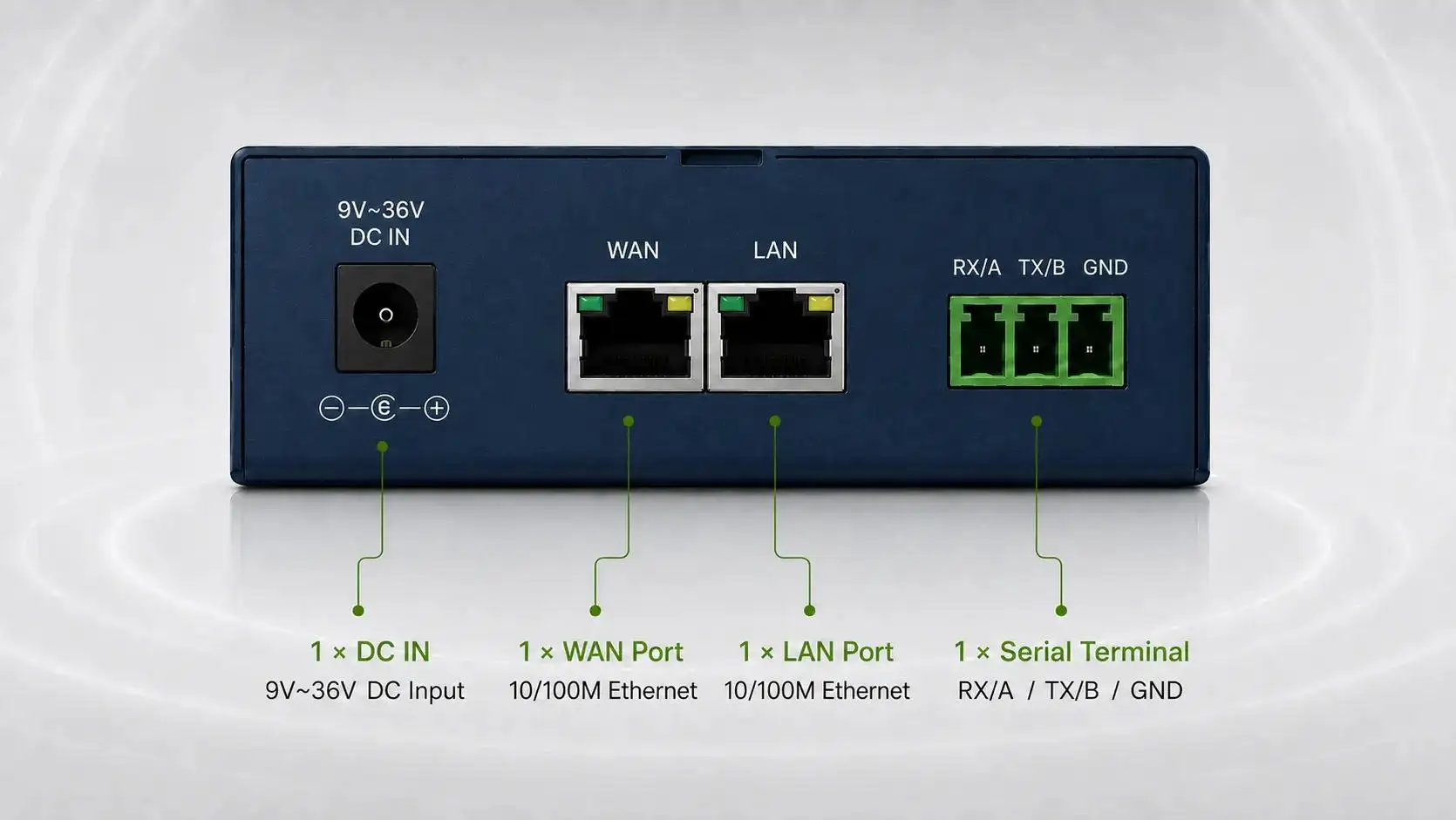
Yes. Tespro gateways are designed for minus 40 to plus 75 degrees Celsius, support 5 to 30 volts DC wide voltage input, and comply with C1D2, ATEX, and E‑Mark safety certifications. Before procurement, buyers should evaluate latency performance, device density support, protocol compatibility range, environmental adaptability specifications, and network security features.
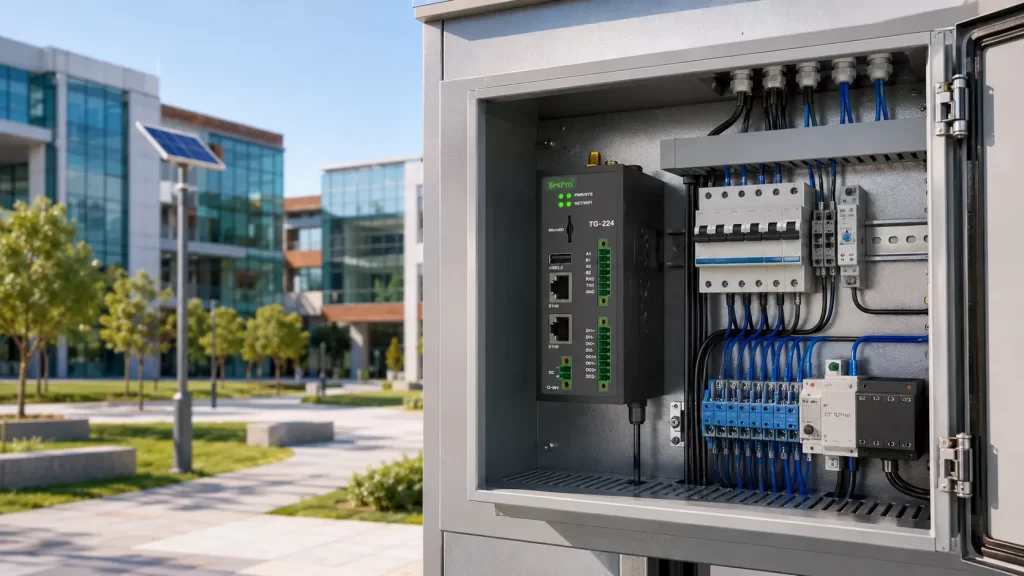
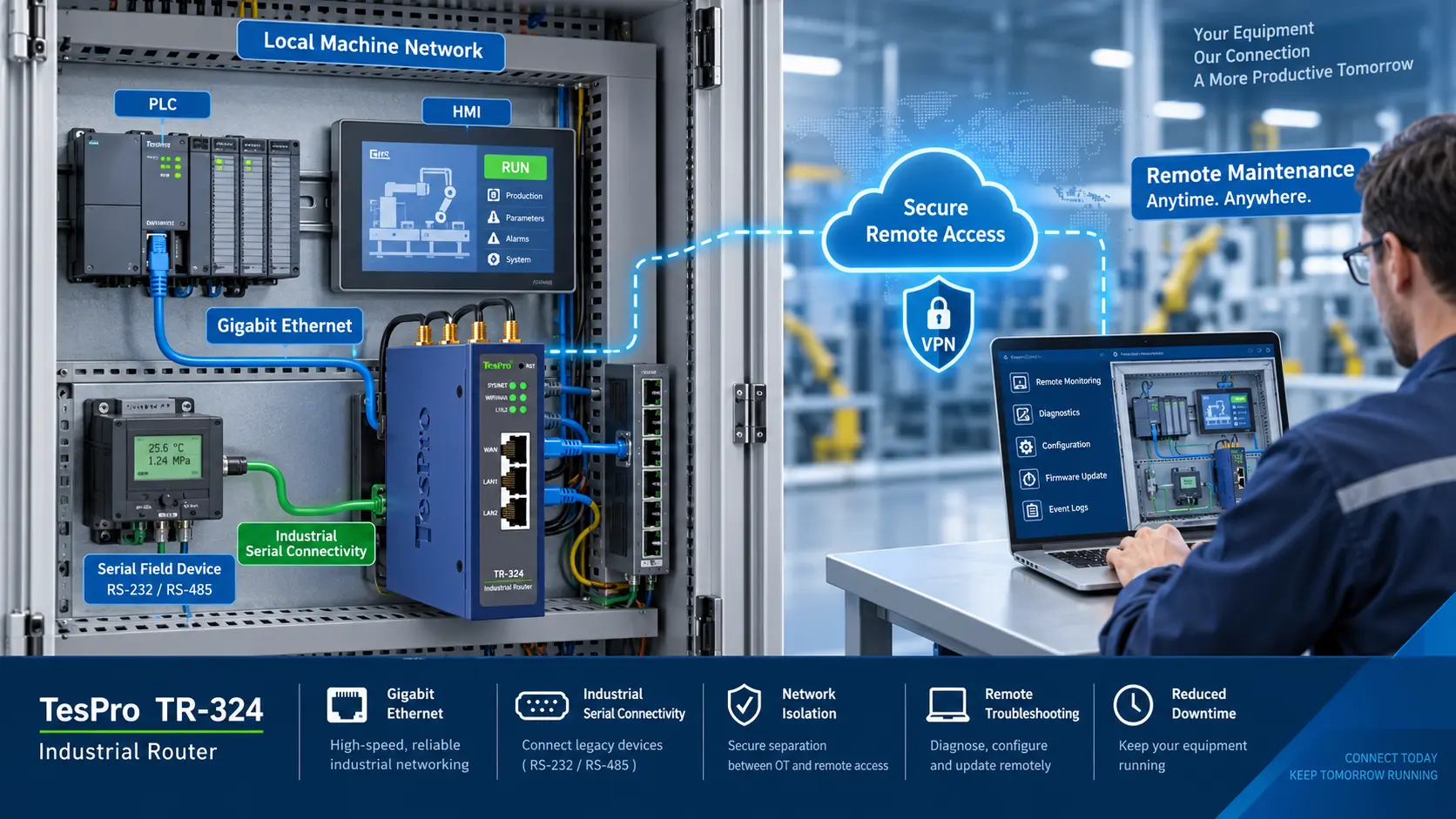
Tespro's engineering approach focuses on durability and reliability. Its 4G/5G gateways offer flexible cross‑protocol interoperability, bridging new and old equipment; dual‑SIM and network redundancy ensure connectivity when specific carriers or networks are unavailable; a wider operating range from minus 40 to plus 75 degrees Celsius with 5 to 30 volt power supply suits roadside cabinets, utility substations, and off‑grid areas; edge processing reduces cloud dependency by processing data at the source; and secure transmission protects smart city data through access control and tunnel encryption. With proven success in deployments across energy, transport, and industrial IoT globally, Tespro has become a proven choice for building resilient smart city infrastructure. When evaluating quotes, buyers should request temperature chamber test reports, EMC/EMI compliance certificates, mean time between failure calculation sheets, and component batch traceability documentation — these documents are essential for evaluating product quality and reliability.